
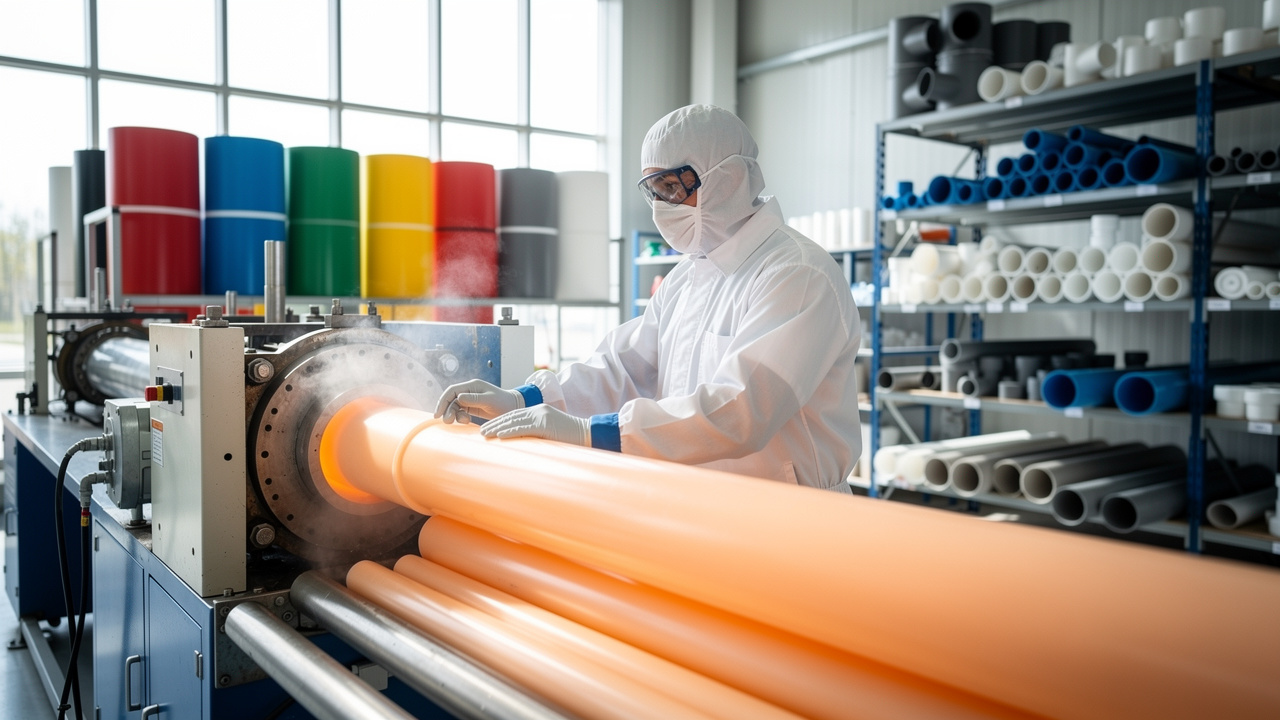
Best Practices for Sourcing Thermoplastic PVC in OEM Applications
Introduction
In the competitive landscape of modern manufacturing, thermoplastic PVC emerges as a critical material for OEM applications, combining versatility with durability. As industries increasingly prioritize efficiency and sustainability, understanding the best practices for sourcing this material becomes crucial for manufacturers aiming to enhance product quality while managing costs.
Navigating the complexities of sourcing thermoplastic PVC can be daunting for OEMs, especially when considering supplier reliability and environmental impact. What strategies can OEMs employ to source thermoplastic PVC effectively, ensuring they meet both operational needs and market demands?
Without a strategic approach, OEMs risk falling behind in a competitive landscape that increasingly values sustainability and efficiency.
Define Thermoplastic PVC and Its Importance in Manufacturing
Not only is thermoplastic PVC a versatile polymer, but it also serves as a game-changer in manufacturing. It’s durable and widely utilized across various sectors. As a type of plastic, PVC can be repeatedly softened by heating and hardened by cooling, making it suitable for various manufacturing processes, including extrusion and molding. Its inherent properties, such as high chemical resistance, excellent electrical insulation, and robust mechanical strength, position it as a preferred choice across numerous applications, particularly in OEM sectors like construction, plumbing, and electrical components.
In recent years, PVC has gained traction due to its adaptability in manufacturing. For instance, it is extensively used in the production of pipes and fittings, where its corrosion resistance and longevity are critical. Lincoln Plastics excels in delivering custom diameters, wall thicknesses, and finishes. This ensures that standard pipe sizes can be tailored to meet specific project requirements. Current statistics indicate that PVC remains one of the most widely used plastic materials globally, with significant applications in both residential and commercial sectors.
Have you considered how PVC ensures adherence to industry standards and enhances safety? Expert opinions emphasize the significance of PVC in meeting safety and environmental regulations. Its recyclability further enhances its appeal, aligning with the growing emphasis on sustainable manufacturing practices. Understanding the characteristics and applications of thermoplastic PVC is essential for manufacturers who aim to optimize product designs and meet the evolving market demands. Furthermore, OEM purchasing managers ought to recognize possible challenges, such as supplier reliability and varying resource costs, which can affect procurement strategies. Choosing Lincoln Plastics means choosing a partner committed to your success in a competitive market.

Identify Key Advantages of Thermoplastic PVC for OEM Applications
In the competitive landscape of OEM applications, thermoplastic PVC is recognized as a game-changer, providing unmatched versatility and performance. This material presents several significant advantages that make it a preferred choice across various industries:
- Versatility: PVC can be tailored to meet specific performance criteria, making it suitable for diverse applications, from rigid pipes to flexible cables. This adaptability allows OEMs to utilize PVC across multiple product lines.
- Cost-Effectiveness: Are you struggling to find a material that balances cost and performance? PVC is often more affordable than alternative materials, providing an advantageous cost-to-performance ratio. This economic advantage is essential for manufacturers seeking to optimize their budgets while maintaining quality.
- Durability: Known for its excellent resistance to chemicals, moisture, and UV light, PVC ensures longevity in various environments, particularly in outdoor applications. This durability reduces the need for frequent replacements, enhancing overall product reliability.
- Ease of Processing: The plastic characteristics of PVC enable simple processing techniques, such as extrusion and injection molding. These processes streamline production, significantly reducing lead times and improving manufacturing efficiency.
- Recyclability: PVC can be recycled multiple times without substantial loss of its properties, supporting sustainability initiatives in manufacturing. This recyclability aligns with the growing emphasis on eco-friendly practices within the industry.
Imagine achieving significant cost savings while enhancing your product's reliability and performance. These benefits position thermoplastic PVC as an optimal choice for OEMs aiming to improve product quality while efficiently controlling expenses. For instance, the automotive industry increasingly leverages PVC for its lightweight properties and structural capabilities, contributing to improved fuel efficiency and reduced emissions. Additionally, case studies highlight how companies utilizing PVC in their products have achieved significant cost savings and operational efficiencies, reinforcing its value in OEM applications. By choosing PVC, you're not just selecting a material; you're investing in a solution that drives efficiency and sustainability in your operations.

Implement Best Practices for Sourcing Thermoplastic PVC Effectively
Effectively sourcing thermoplastic PVC is crucial for OEMs who aim to maintain operational efficiency and product quality. To achieve this, OEMs should adopt the following best practices:
- Evaluate Supplier Reliability: Finding the right supplier can be challenging, but thorough research is essential. Conduct thorough research on potential suppliers, examining their history, certifications, and customer feedback. This ensures you consistently receive high-quality resources, which is vital for sustaining operational efficiency. Consider engaging with approved providers who meet predefined selection criteria, emphasizing reliability and performance based on past experiences.
- Understand Material Specifications: Clearly defining the specifications required for thermoplastic PVC, such as mechanical properties, chemical resistance, and compliance with industry standards, is key. This clarity helps you avoid buying resources that won't meet your needs.
- Negotiate Contracts Wisely: Establish comprehensive contracts that detail pricing, delivery schedules, and quality expectations. This proactive strategy minimizes risks from supply chain disruptions. It also ensures your manufacturing timelines stay on track. Medium-term or long-term contracts (1 to 5 years) can allow for better negotiation of product prices and payment terms.
- Implement Quality Control Measures: Develop a robust quality control process to examine incoming supplies. At Lincoln Plastics, we ensure that all materials meet specified standards before use in manufacturing, supported by our ISO 9001:2015 certification and a dedicated quality management program that includes critical in-process checks and quality books for each plastic profile.
- Stay Informed on Market Trends: Regularly monitor market fluctuations in PVC pricing and availability. The global PVC market was estimated at approximately USD 54.6 billion in 2023 and is projected to grow at a CAGR of 3.9% from 2024 to 2030. Being informed allows OEMs to make timely sourcing decisions that align with production requirements, optimizing procurement strategies.
- Consider Cost-Effective Sourcing Countries: Countries such as China, India, Vietnam, Sweden, and Germany are recognized as cost-effective sourcing options for PVC. Leveraging these geographical advantages can enhance procurement strategies and reduce costs.
By implementing these best practices, you can secure a reliable supply of PVC that meets your operational needs and enhances your competitive edge. For tailored solutions and quotes, we invite you to contact Lincoln Plastics experts in Lincoln, Nebraska, who are committed to excellence and customer partnership, including our co-extrusion capabilities for multi-color or multi-material profiles.

Recognize Challenges and Limitations of Thermoplastic PVC
While thermoplastic PVC is widely used, it comes with challenges that OEMs must navigate to ensure product integrity and compliance:
- Thermal Sensitivity: High temperatures can lead to degradation, posing a challenge for manufacturers. Effective thermal management during processing is crucial to prevent loss and maintain product integrity. How can they effectively manage thermal exposure?
- Environmental Concerns: The production and disposal of PVC can lead to environmental issues, such as harmful chemical releases. Recent discussions surrounding the classification of PVC as hazardous waste highlight the need for manufacturers to adopt responsible sourcing and recycling practices. The ongoing scrutiny of vinyl chloride, a key component in PVC, underscores the importance of environmental responsibility in the industry. For instance, the EPA tentatively rejected a petition to classify discarded PVC as hazardous waste, with a final determination expected by April 12, 2024, indicating the potential for increased regulatory scrutiny. Manufacturers must adopt responsible practices to navigate the evolving regulatory landscape surrounding PVC.
- Brittleness at Low Temperatures: PVC can become brittle when exposed to low temperatures, affecting its performance in cold environments. Choosing the appropriate formulation, such as including impact modifiers, can help tackle this limitation and improve the substance's resilience in varying conditions.
- Additive Compatibility: It's essential to ensure that additives work well with the base material to maintain the desired properties. For instance, the leaching of additives can pose risks to both product performance and environmental safety, necessitating careful selection and testing of materials. Research indicates that many additives in PVC can leach from the polymer matrix over time, raising concerns about human health and environmental impacts.
By understanding these challenges, OEMs can proactively address potential issues and optimize the use of thermoplastic PVC in manufacturing, ensuring product quality and compliance with evolving regulations.

Explore Sustainability and Recycling Considerations for Thermoplastic PVC
In today's manufacturing landscape, sustainability and recycling are not just options; they are imperatives for success. Here are key points to explore:
- Recyclability: Thermoplastic PVC can be recycled multiple times, which significantly reduces waste and conserves resources. Manufacturers should establish recycling programs to reclaim PVC waste from their processes.
- Sustainable Sourcing: OEMs must prioritize suppliers that adhere to sustainable practices, ensuring responsible sourcing of raw materials and minimizing environmental impact during manufacturing.
- Lifecycle Assessment: Conducting a lifecycle assessment of PVC products enables manufacturers to understand their environmental footprint and identify opportunities for improvement in sustainability practices.
- Innovative Recycling Technologies: Emerging technologies in thermoplastic PVC recycling, such as chemical recycling, enhance the efficiency of recycling processes and broaden the applications for thermoplastic PVC.
- Regulatory Compliance: Staying informed about regulations related to PVC production and recycling is essential for manufacturers to ensure compliance and avoid potential legal issues.
Manufacturers often struggle to balance production efficiency with environmental responsibility. By prioritizing sustainability, they not only comply with regulations but also improve their market reputation. Embracing these practices not only safeguards the environment but also positions manufacturers as leaders in a rapidly evolving industry.

Conclusion
In the competitive landscape of manufacturing, thermoplastic PVC emerges as a game-changer for OEM applications. Its unique properties - durability, versatility, and cost-effectiveness - make it an essential choice across various industries. Understanding thermoplastic PVC's significance and implementing best sourcing practices can significantly boost manufacturers' operational efficiency and product quality.
Key advantages of thermoplastic PVC include:
- Its adaptability to different applications
- Ease of processing
- Recyclability, aligning with the growing demand for sustainable practices
However, without addressing thermal sensitivity and environmental concerns, manufacturers risk compliance issues and product failures. By evaluating supplier reliability, understanding material specifications, and implementing robust quality control measures, OEMs can secure a dependable supply of PVC that meets their needs.
As the manufacturing sector evolves, it’s crucial to prioritize sustainability. Failing to embrace sustainable practices may lead to lost market opportunities and diminished reputation. Embracing these best practices positions manufacturers as leaders in their fields. For tailored solutions and expert guidance, choosing Lincoln Plastics means investing in a sustainable future for your business.
Frequently Asked Questions
What is thermoplastic PVC and why is it important in manufacturing?
Thermoplastic PVC is a versatile polymer that can be repeatedly softened by heating and hardened by cooling, making it suitable for various manufacturing processes like extrusion and molding. Its durability, high chemical resistance, excellent electrical insulation, and robust mechanical strength make it a preferred choice in sectors such as construction, plumbing, and electrical components.
What are the key applications of thermoplastic PVC?
Thermoplastic PVC is extensively used in the production of pipes and fittings due to its corrosion resistance and longevity. It is also utilized in various OEM applications across residential and commercial sectors.
How does PVC contribute to safety and environmental standards?
PVC helps meet industry safety and environmental regulations, and its recyclability enhances its appeal in sustainable manufacturing practices.
What are the advantages of using thermoplastic PVC for OEM applications?
The advantages include versatility, cost-effectiveness, durability, ease of processing, and recyclability. PVC can be tailored for specific performance criteria, is often more affordable than alternatives, and has excellent resistance to chemicals and UV light.
How does PVC's durability benefit manufacturers?
PVC's durability reduces the need for frequent replacements, enhancing overall product reliability, particularly in outdoor applications where exposure to moisture and UV light is common.
What processing techniques are used with PVC?
PVC can be processed using simple techniques such as extrusion and injection molding, which streamline production and improve manufacturing efficiency.
How does PVC support sustainability in manufacturing?
PVC can be recycled multiple times without significant loss of its properties, aligning with the industry's growing emphasis on eco-friendly practices.
What impact does PVC have on cost savings for manufacturers?
PVC provides an advantageous cost-to-performance ratio, allowing manufacturers to optimize their budgets while maintaining quality, leading to significant cost savings and operational efficiencies.
Why should OEM purchasing managers consider challenges related to PVC?
OEM purchasing managers should recognize challenges such as supplier reliability and varying resource costs, which can affect procurement strategies when using PVC.
How can Lincoln Plastics assist with PVC manufacturing needs?
Lincoln Plastics offers custom diameters, wall thicknesses, and finishes for PVC products, ensuring that standard pipe sizes can be tailored to meet specific project requirements. Choosing Lincoln Plastics means partnering with a team committed to excellence and customer success.
List of Sources
- Define Thermoplastic PVC and Its Importance in Manufacturing
- Common Thermoplastics in Injection Molding | BMP Medical (https://bmpmedical.com/resource/common-thermoplastics-in-injection-molding)
- Exploring the Versatility of Thermoplastic Parts Across Industries — Automation Plastics Corporation (https://automationplastics.com/news/exploring-the-versatility-of-thermoplastic-parts-across-industries)
- Global thermoplastic production by type 2050 | Statista (https://statista.com/statistics/1192886/thermoplastics-production-volume-by-type-globally?srsltid=AfmBOoq7EBcEeBGRuie2mDSf-5sIkWKzVHmKklzjoXoRri732aqDFw7g)
- Innovation in Thermoplastics: Self-healing PVC - Vinyl (https://vinylinfo.org/news/innovation-thermoplastics-self-healing-pvc)
- What Are Thermoplastics? Types, Properties & Applications (https://ubqmaterials.com/thermoplastics)
- Identify Key Advantages of Thermoplastic PVC for OEM Applications
- Exploring the Versatility of Thermoplastic Parts Across Industries — Automation Plastics Corporation (https://automationplastics.com/news/exploring-the-versatility-of-thermoplastic-parts-across-industries)
- Guide to Thermoplastics: Advantages & Applications for OEMs | CDI (https://cdiproducts.com/guide-to-thermoplastics-advantages-applications-for-oems)
- Explore the Global Polyvinyl Chloride Market — analysis of key trends, regional growth, top players, and a 10-year forecast from 2026 to 2036. (https://futuremarketinsights.com/reports/global-polyvinyl-chloride-market)
- Understanding PVC: Key Applications for OEM Purchasing Managers (https://lincoln-plastics.com/news-post/understanding-pvc-key-applications-for-oem-purchasing-managers)
- Implement Best Practices for Sourcing Thermoplastic PVC Effectively
- Teknor Apex Strengthens its Capability to Provide PVC Compounds to Automotive OEMs and Tier 1 Suppliers in Japan (https://teknorapex.com/en-us/news/teknor-apex-strengthens-its-capability-to-provide-pvc-compounds-to-automotive-oems-and-tier-1-suppliers-in-japan)
- Plastics News - Plastic Industry News, Resin Pricing & Analysis (https://plasticsnews.com)
- Polyvinyl Chloride (PVC) Procurement Intelligence Report, 2030 (https://grandviewresearch.com/pipeline/polyvinyl-chloride-pvc-procurement-intelligence-report)
- Pellet Like It Is | Plastic Resin Distributor M. Holland Company Blog (https://mholland.com/news-insights)
- Master PVC Type 1: Best Practices for Sourcing and Manufacturing (https://lincoln-plastics.com/news-post/master-pvc-type-1-best-practices-for-sourcing-and-manufacturing?dcc2137a_page=6)
- Recognize Challenges and Limitations of Thermoplastic PVC
- PVC — News Stories About Plastic Pollution — Beyond Plastics - Working To End Single-Use Plastic Pollution (https://beyondplastics.org/news-stories/tag/PVC)
- The 5 Biggest Risks Facing Plastic Producers in 2025–And How to Insure Against Them (https://bakerhopp.com/the-5-biggest-risks-facing-plastic-producers-in-2025-and-how-to-insure-against-them)
- Why Classifying PVC as Hazardous Waste Undermines America's Zero-Waste and Energy Transition Goals | Baker Institute (https://bakerinstitute.org/research/why-classifying-pvc-hazardous-waste-undermines-americas-zero-waste-and-energy-transition)
- Risks Associated with the Presence of Polyvinyl Chloride in the Environment and Methods for Its Disposal and Utilization - PMC (https://pmc.ncbi.nlm.nih.gov/articles/PMC10779931)
- New Website Highlights Public Health & Environmental Risks of PVC - GreenLatinos (https://greenlatinos.org/new-website-highlights-public-health-environmental-risks-of-pvc)
- Explore Sustainability and Recycling Considerations for Thermoplastic PVC
- Chemical Recycling of PVC: From Laboratory Promise to Industrial Reality (https://kbr.com/en/insights-news/thought-leadership/chemical-recycling-pvc-laboratory-promise-industrial-reality)
- The U.S. PVC Industry is Focused on Accelerating Post-Consumer PVC Recycling - Vinyl (https://vinylinfo.org/news/the-u-s-pvc-industry-is-focused-on-accelerating-post-consumer-pvc-recycling)
- PVC Production and Recycling Statistics (https://energycle.com/global-pvc-production-and-disposal-statistics)
- Can PVC be Recycled? PVC in a Circular Economy - FRONT® Materials (https://front-materials.com/news/can-pvc-be-recycled)
- Shaping the Future of Plastic Recycling with Innovation (https://corporate.dow.com/en-us/news/seek-together/future-of-plastic-recycling-innovative-solutions.html)
Related posts

Discover the essential uses for PVC across various industries, highlighting its versatility and benefits.


Discover the significance of FDA approved plastic for safety and compliance in manufacturing.
Discover effective strategies to improve manufacturing quality in OEMs with these 7 essential steps.
