

7 Steps to Improve Manufacturing Quality for OEMs
Introduction
In the fast-paced world of manufacturing, high-quality output isn't just a goal; it’s a must for Original Equipment Manufacturers (OEMs). Think about it: when you grasp the complex dynamics of production quality—like setting standards and evaluating workflows—you can make real strides in efficiency and customer satisfaction. But let’s be honest, the road to better manufacturing quality isn’t always smooth. There are hurdles, like figuring out which processes are unnecessary and building a culture of continuous learning. So, how can OEMs tackle these challenges and raise their production standards to thrive in this demanding market?
Define Production Quality in Manufacturing
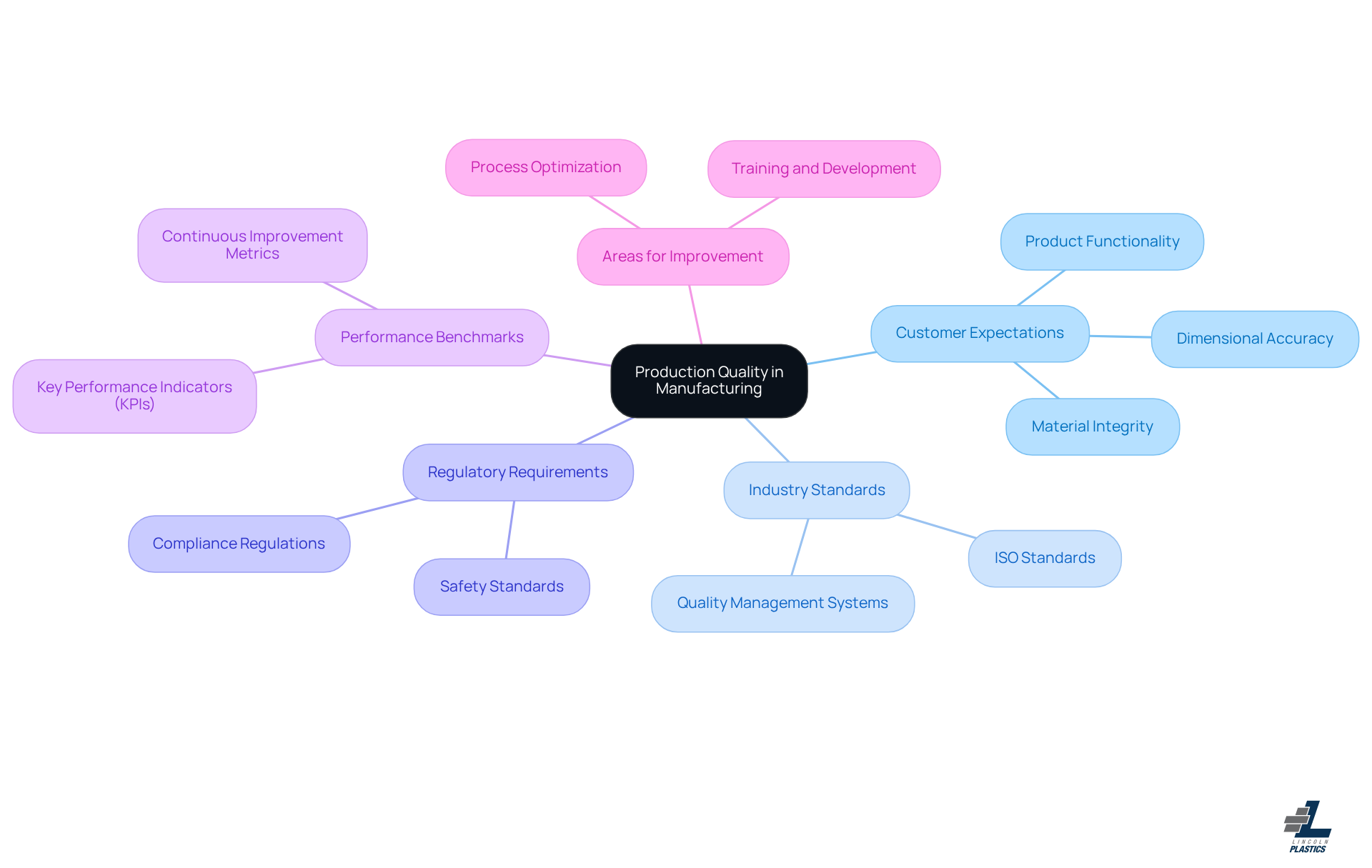
When we talk about quality in manufacturing, we're really looking at how well a product meets its defined requirements and standards. Think about it—this includes everything from design to performance and overall functionality. For manufacturers, figuring out what quality means involves getting a clear picture of what customers expect, what the industry standards are, and what regulations need to be followed.
By pinning down a solid definition, manufacturers can set goals and identify key areas where they can improve quality. Now, doesn’t that sound like a smart move? It’s all about making those enhancements that really matter!
Assess Your Current Workflow
To assess your current workflow, start by outlining each stage in your production system. What are the key processes? And what resources are involved at each stage? It’s a good idea to chat with your team to gather their thoughts on any pain points or bottlenecks they face.
Now, let’s talk about how effective management practices, like Lincoln Plastics' approach, can really boost productivity. By managing cords and cables effectively, you can enhance organization.
Also, think about using metrics, defect rates, and throughput to measure efficiency. This thorough evaluation will highlight areas that need attention and help you in your operational environment. Plus, it ensures that your systems align with industry standards. Ready to dive in?

Remove Unneeded Processes
Let’s kick things off by taking a good look at your workflow. Are there activities in there that just don’t add any value to your final product? You know, things like excessive paperwork, or old practices that just drag you down. It’s a great idea to chat with your team about what methods could be optimized or even tossed out completely.
As Henry Ford famously said, "Coming together is a beginning; keeping together is progress; working together is success." This really highlights how teamwork is essential in this whole process. Now, embracing change is key here. They focus on maximizing value while minimizing waste. For instance, manufacturers who have jumped on the lean bandwagon often see impressive results. Some even report up to a 100% increase in work efficiency thanks to automation!
By streamlining processes, you’re not just speeding up production; you’re also aiming to enhance product quality. This positions your operations to be more competitive in the market. And let’s not forget about the challenges we face, like inefficiencies and bottlenecks. Recognizing these issues can really drive home the need for improvements. So, what are you waiting for? Let’s get started on optimizing your workflow!

Boost Worker Training
To boost training effectiveness, let’s talk about creating a solid program that covers both technical skills and performance standards, especially when it comes to quality assurance. How about integrating practical training, workshops, and regular evaluations? This way, employees can really get to grips with what’s needed for compliance and excel in their roles.
Now, fostering an environment of continuous improvement. Offering opportunities for skill development, particularly in areas related to assessment checks and the use of check gauges, can make a big difference. By investing in your workforce, you’re not just enhancing their skills; you’re also empowering them to help improve production quality.
Ultimately, this ensures that your products meet all industry standards. So, why not start today? Your team—and your bottom line—will thank you!

Create Quality Goals
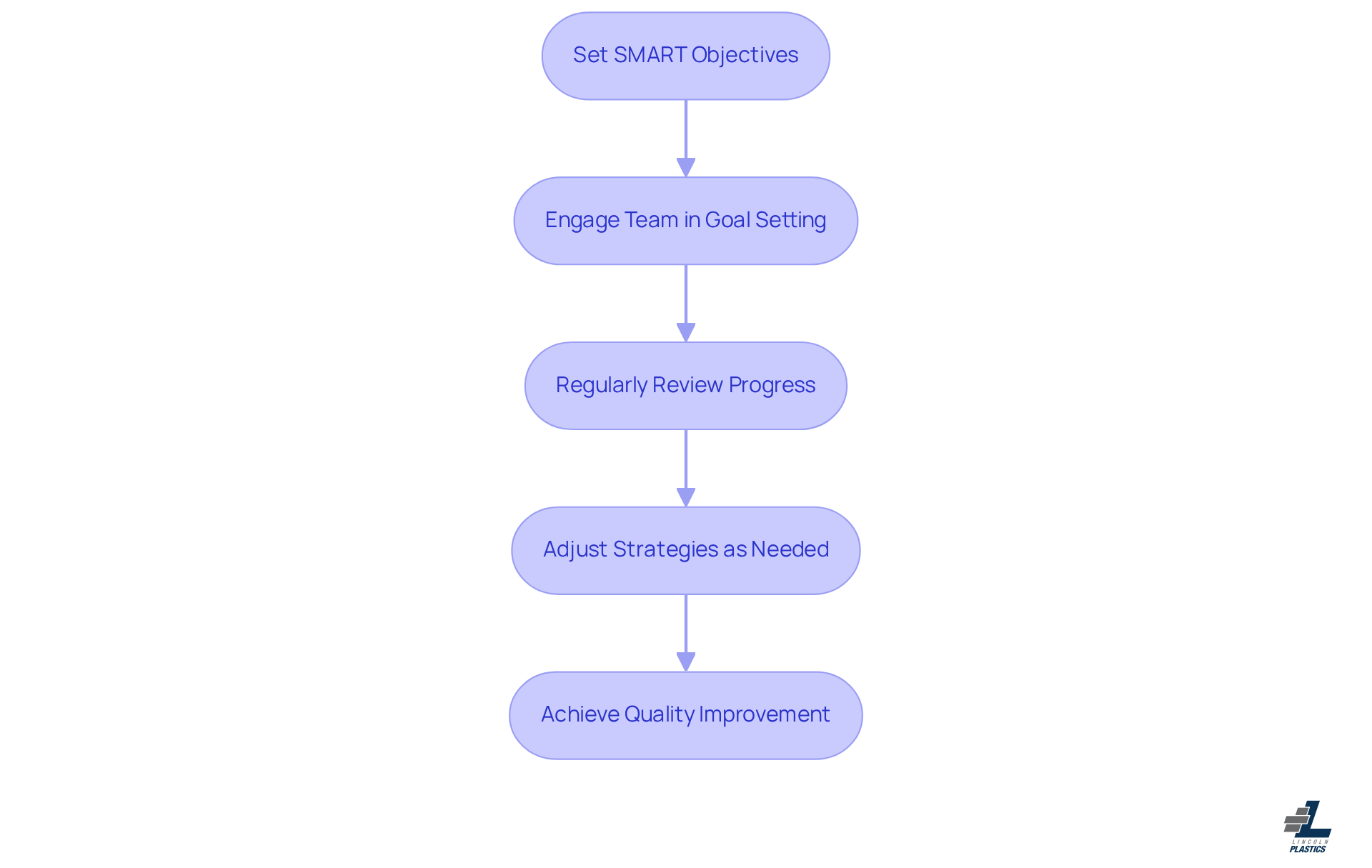
Setting excellence targets? It's key for manufacturers to improve quality, and it all starts with creating specific, measurable, achievable, relevant, and time-bound goals. For example, how about aiming to increase production efficiency by 15% within the next quarter? At Lincoln Plastics, we work hand-in-hand with clients to ensure their products meet all standards, including those specific evaluations for 'fit and function.'
Engaging your team in the goal-setting process is a game changer. It fosters a sense of ownership and boosts accountability, making sure everyone is on the same page with the objectives. Plus, our robust quality assurance system comes with resources, supporting that alignment.
Now, let’s talk about progress. Regularly reviewing how we’re doing against these goals allows us to make adjustments. This keeps the focus on continuous improvement. By taking this organized approach, we cultivate a proactive attitude towards initiatives that improve quality, which ultimately leads to better results and enhanced customer satisfaction.
Cut Production Waste
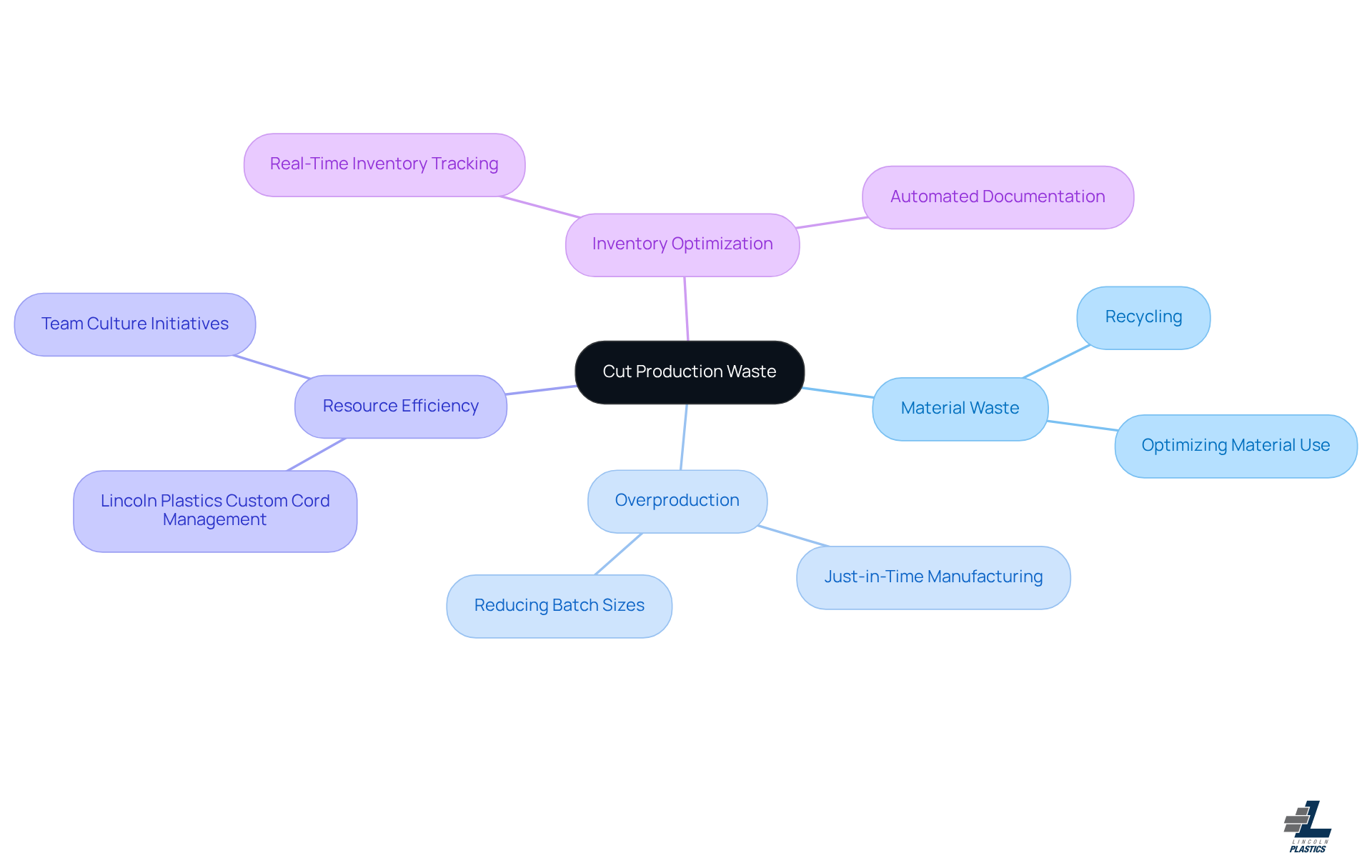
To cut down on waste in manufacturing, let's take a good look at your processes. Where are the areas where you might be overdoing it? This could be anything from material waste to overproduction or just not using resources efficiently. You might want to think about strategies like reducing recycling materials, and optimizing resource use.
Now, let’s talk about something that could really help: technology. Not only do they streamline operations, but they also make your operations run smoother. Plus, data analytics can help you get your order sizes just right, ensuring you only produce what you need. This way, you’re minimizing excess inventory.
And here’s a thought: why not encourage your team to embrace a culture of sustainability? Recognizing and rewarding initiatives that lead to lower waste levels can really motivate everyone. By focusing on waste minimization and using creative solutions, you can improve efficiency, as well as elevate both your standards and your profitability. So, what are you waiting for? Let’s make a team effort!
FAQs About Improving Production Quality
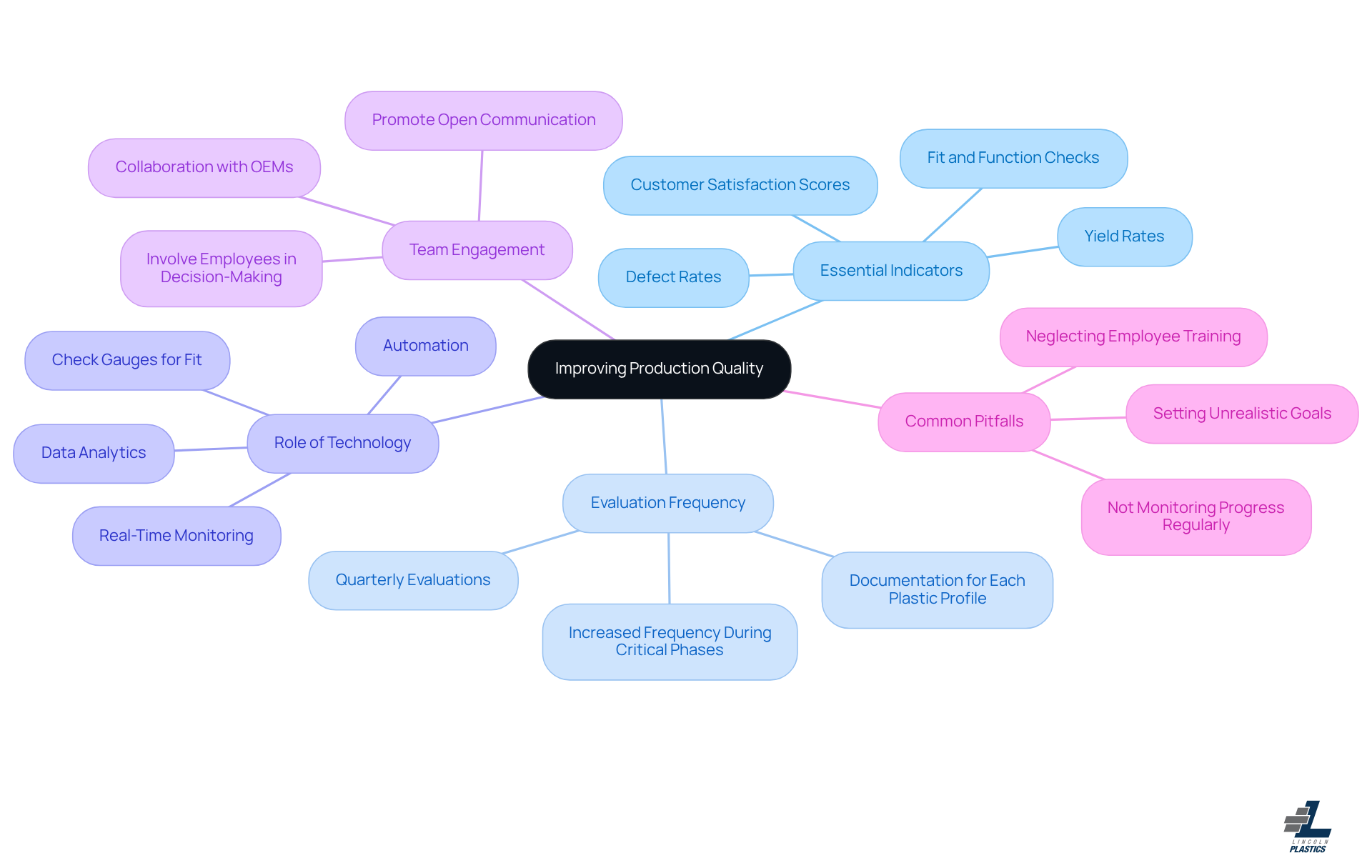
- What are the essential indicators for assessing production quality? Key metrics that help improve manufacturing include defect rates, yield rates, and customer satisfaction scores. At Lincoln Plastics, we really emphasize the importance of ensuring that products meet all standards. We do this through rigorous checks for ‘fit and function’—something that’s crucial for product reliability.
- How frequently should I evaluate my output standards? Regular evaluations should happen quarterly, but it’s a good idea to check more often during critical phases of operation. Our quality management system includes specific documentation for each plastic profile, making sure that all specifications are consistently met.
- What function does technology serve in enhancing production quality? Technology plays a big role in improving quality by enhancing standards through automation, real-time monitoring, and data analytics. This allows for quicker adjustments to production processes. At Lincoln Plastics, we use various check gauges to ensure the right end-use fit, which is vital for maintaining high production standards.
- How can I engage my team in enhancing quality initiatives? Promote open communication, ask for input, and involve employees in decision-making processes related to quality enhancements. Collaboration is key here, as we work closely with our team to ensure their specifications are met.
- What are some common pitfalls to avoid when enhancing production standards? Common pitfalls include setting unrealistic goals, neglecting employee training, and not monitoring progress regularly. At Lincoln Plastics, we make sure our team is well-trained and aware of the critical in-process checks necessary for maintaining quality assurance.
Conclusion
Improving manufacturing quality for OEMs isn't just a goal—it's a must for staying competitive and meeting what customers expect. By getting a grip on production quality and taking some strategic steps, manufacturers can really boost their processes and outcomes. This journey starts with:
- Defining quality standards
- Checking out workflows
- Cutting out unnecessary steps
- Enhancing worker training
- Setting clear quality goals
- Reducing waste
Now, let’s talk about some key insights. A thorough evaluation of current practices is essential, along with continuous employee development and implementing lean principles to streamline operations. Establishing SMART objectives and fostering a culture of accountability among team members are crucial for driving improvements. Plus, leveraging technology and data analytics can help make timely adjustments and enhance overall manufacturing performance.
Ultimately, committing to improving manufacturing quality is a shared responsibility. It calls for collaboration, innovation, and a proactive mindset. By embracing these strategies, manufacturers not only raise their operational standards but also contribute to a more efficient, sustainable, and competitive industry. So, why wait? Taking action today can pave the way for a more successful tomorrow in the ever-evolving world of manufacturing.
Frequently Asked Questions
What is production quality in manufacturing?
Production quality in manufacturing refers to how well a product meets its defined requirements and standards, including material integrity, dimensional accuracy, and overall functionality.
Why is it important for OEMs to define manufacturing quality?
For OEMs, defining manufacturing quality is crucial to understand customer expectations, industry standards, and regulatory requirements, which helps in setting performance benchmarks and identifying areas for improvement.
How can manufacturers improve production quality?
Manufacturers can improve production quality by clearly defining quality standards, setting performance benchmarks, and focusing on enhancements that matter based on customer and industry needs.
How should one assess their current workflow in manufacturing?
To assess the current workflow, outline each stage in the production system, identify key inputs and outputs, and discuss pain points or bottlenecks with the team.
What role do tailored solutions play in improving manufacturing quality?
Tailored solutions, such as Lincoln Plastics' Flexiduct, can enhance workplace safety and productivity by effectively managing cords and cables, thereby reducing hazards.
What performance metrics can be used to measure efficiency in manufacturing?
Performance metrics such as cycle time, defect rates, and throughput can be used to measure efficiency and identify areas needing attention in the manufacturing process.
List of Sources
- Assess Your Current Workflow
- Workflow Automation Statistics You Need to Know (https://formstack.com/blog/workflow-automation-statistics)
- Workflow Automation Statistics (2025) (https://feathery.io/blog/workflow-automation-statistics)
- 100+ Workflow Automation Statistics — Otio Blog (https://otio.ai/blog/workflow-automation-statistics)
- 50+ Workflow Automation Stats & Trends You Can’t Ignore in 2026 (https://kissflow.com/workflow/workflow-automation-statistics-trends)
- docuclipper.com (https://docuclipper.com/blog/workflow-automation-statistics)
- Remove Unneeded Processes
- autoalert.com (https://autoalert.com/dealership-quotes)
- impactmybiz.com (https://impactmybiz.com/blog/lean-manufacturing-stats-2020)
- Create Quality Goals
- gis.fhwa.dot.gov (https://gis.fhwa.dot.gov/case_studies/Mobile_Applications_for_GIS_Case_Studies.aspx)
- stellartechresearch.com (https://stellartechresearch.com/case_studies.html)
- Cut Production Waste
- processnavigation.com (https://processnavigation.com/insights/lean-management-quotes)
- Top 25 Quotes For Lean Business Inspiration - Leading Edge Group (https://leadingedgegroup.com/top-25-quotes-for-lean-business-inspiration)
- mapcon.com (https://mapcon.com/blog/2014/07/11-lean-manufacturing-quotes-to-inspire-you)
- swipeguide.com (https://swipeguide.com/insights/12-lean-manufacturing-quotes-to-inspire)
- azumuta.com (https://azumuta.com/blog/inspiring-lean-manufacturing-quotes)
Related posts

Discover how to select reliable extrusion companies near me with our comprehensive step-by-step guide.


Discover the top 10 strong plastics ideal for heavy-duty applications. Explore their benefits!
Discover essential steps on how to improve quality in a factory for better operational performance.
