
7 Essential Plastic Types Chart for OEM Purchasing Managers
Introduction
Navigating the vast array of plastic options can be overwhelming for OEM purchasing managers, yet understanding these materials is essential for success. With a myriad of choices available, each type of plastic presents unique properties and applications that can significantly impact manufacturing processes and product performance. This article explores seven essential plastic types - what benefits do they offer, and how can they meet your industrial needs? As the demand for tailored solutions grows, making informed decisions in material selection is not just about efficiency; it’s about driving sustainability and innovation in your operations.
Lincoln Plastics: Custom Extrusion Solutions for Polyethylene and PVC
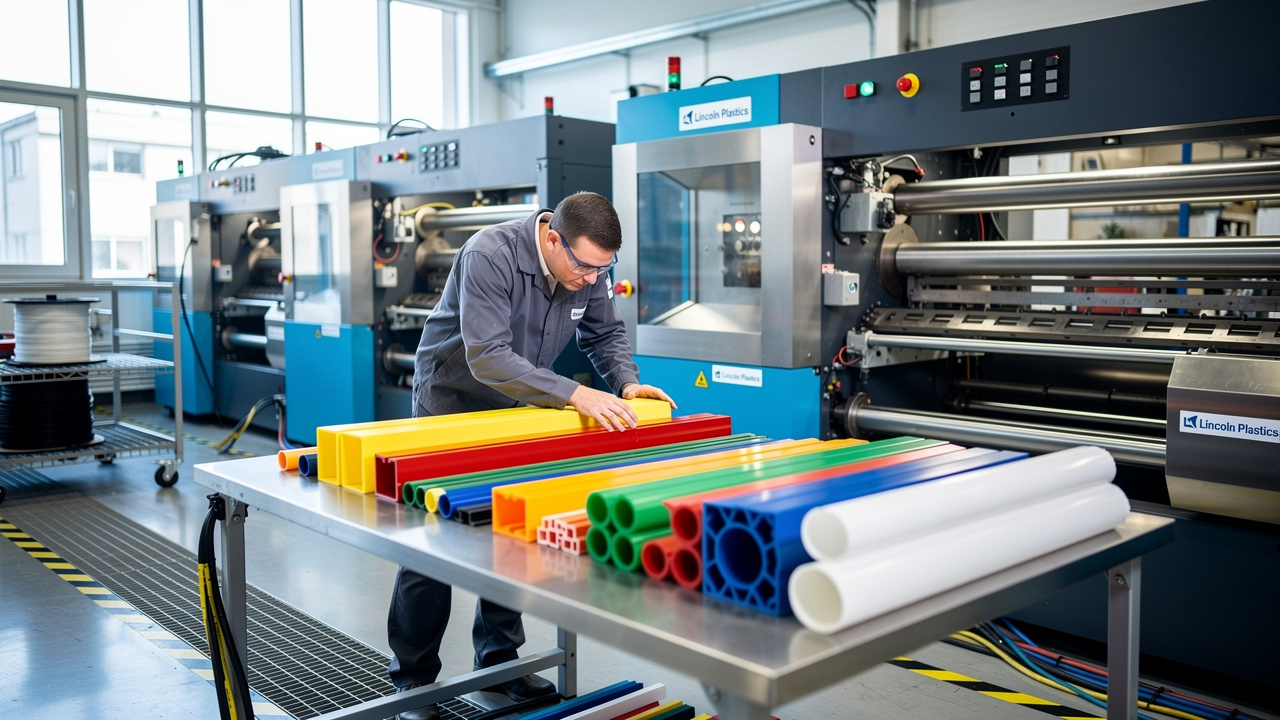
Lincoln Plastics stands at the forefront of tailored extrusion solutions, specializing in polyethylene (PE) and polyvinyl chloride (PVC) to meet diverse industry needs. These polymers are incredibly versatile, offering a broad spectrum of profiles - both rigid and flexible - that can be customized to meet the precise operational needs of OEMs. With a strong commitment to innovation and quality, Lincoln Plastics ensures that all products are manufactured in compliance with ISO 9001:2015 standards, guaranteeing rigorous quality control and reliability.
At Lincoln Plastics, we provide a diverse range of flexible profiles, expertly accommodating specific tolerances tailored to your material and application requirements. Have you noticed the growing demand for custom extrusion solutions? This trend is particularly evident for PE and PVC, thanks to their unmatched durability and adaptability. Case studies illustrate how Lincoln Plastics has effectively offered customized solutions that improve performance and optimize operations across various sectors. By focusing on customer needs and leveraging advanced extrusion techniques, Lincoln Plastics positions itself as a leader in the market, committed to delivering high-quality products that support the operational goals of its clients. Choosing Lincoln Plastics means investing in a partner dedicated to enhancing your operational efficiency and product quality.

Polyethylene (PE): Versatile Applications in Packaging and Construction
Polyethylene (PE) stands out as a top choice for industries seeking reliable and versatile plastic solutions. Known for its durability and flexibility, PE is widely used in packaging materials like plastic bags and containers, thanks to its lightweight and moisture-resistant properties. In construction, it serves critical roles in pipes, geomembranes, and insulation, making it suitable for a variety of applications. Its chemical resistance also makes it ideal for outdoor components and agricultural irrigation systems. Finding reliable materials that meet both budget and performance standards can be a daunting task for OEM purchasing managers. That's why considering PE for your projects can streamline your efforts and enhance overall efficiency.
At Lincoln Plastics, we provide custom flexible profiles designed specifically for your needs. We can co-extrude multiple colors into your profiles, ensuring your projects meet both functional and aesthetic requirements. Our versatile profiles are crafted to improve performance across various applications, offering durability and adaptability.
We take pride in our ISO 9001:2015 certification, which reflects our dedication to quality and timely delivery. Located strategically in Lincoln, Nebraska, we ensure efficient logistics and quick turnaround times for our clients. We invite OEM purchasing managers to contact Lincoln Plastics for tailored solutions that meet your project requirements. By choosing Lincoln Plastics, you’re not just selecting a supplier; you’re partnering with a leader committed to your project’s success.
Polyvinyl Chloride (PVC): Key Uses in Construction and Electrical Applications
In an industry where reliability is paramount, Polyvinyl Chloride (PVC) stands out as a top choice for construction and electrical applications. This highly durable and versatile plastic is extensively utilized in construction for pipes, window frames, and flooring, thanks to its exceptional resistance to moisture and chemicals. PVC pipes are known for their durability, often lasting over 100 years. This makes them a dependable option for water supply and drainage systems.
In electrical applications, PVC excels as an insulator, effectively safeguarding wiring and cables from environmental factors. Its lightweight nature simplifies transportation and contributes to reduced emissions compared to heavier materials like concrete or steel. Furthermore, the cost-effectiveness of PVC enhances its appeal, allowing OEMs to optimize their supply chains and achieve substantial savings throughout project lifecycles.
Recent statistics indicate that the global PVC market is projected to grow from USD 75.3 billion in 2026 to approximately USD 107.8 billion by 2036, reflecting a compound annual growth rate (CAGR) of 3.6%. Rising demand in construction and infrastructure is driving this growth, particularly for pipes and fittings, the largest segment for PVC.
Case studies highlight the strategic importance of PVC in urbanization and infrastructure investments, showcasing its role in modern construction projects. Leading manufacturers like Shin-Etsu Chemical and Westlake Chemical leverage integrated production processes to enhance supply security and cost efficiency, further solidifying PVC's position in the market.
Expert opinions underscore PVC's advantages, noting its fire-retardant properties and corrosion resistance, which mitigate risks and enhance safety in construction environments. As sustainability considerations gain traction, the development of sustainable PVC formulations is becoming increasingly important, aligning with regulatory pressures and customer commitments to reduce greenhouse gas emissions.
Have you considered how PVC can streamline your project’s efficiency? Comprehending the characteristics and uses of PVC enables purchasing managers to make informed choices regarding selection, ensuring that their projects benefit from the reliability and efficiency that PVC provides. Choosing PVC not only ensures project longevity but also positions your business at the forefront of sustainable practices in construction.

Polypropylene (PP): Applications in Automotive and Consumer Goods
In the competitive landscape of manufacturing, choosing the right materials is paramount for success, and polypropylene stands out as a top contender. This lightweight and durable thermoplastic plays a crucial role in both the automotive and consumer goods industries. Its exceptional chemical resistance and low moisture absorption make it an ideal choice for automotive components, including bumpers, dashboards, and interior trim. In the consumer goods sector, polypropylene is widely utilized in packaging, textiles, and household items, thanks to its versatility and cost-effectiveness.
Recent statistics suggest that the global polypropylene market is expected to surpass USD 140 billion in 2026, fueled by its growing application in lightweight vehicles and consumer goods. The automotive segment alone is projected to grow at a compound annual growth rate (CAGR) of 7.6% from 2026 to 2033, highlighting the material's expanding role in this sector.
At Lincoln Plastics, we take pride in our ISO 9001:2015 certification, which guarantees that our polypropylene solutions meet the highest quality standards. Our robust quality management program includes dedicated quality books that document critical dimensions, in-process checks, and run documentation, ensuring that every product meets the specific requirements of our OEM partners.
Case studies demonstrate polypropylene's effectiveness in various uses. For instance, its non-absorbent surface and chemical resistance make it a reliable choice for exporters in the fertilizer and agro-commodity sectors, ensuring durability and performance during transport. Additionally, innovations in polypropylene formulations, such as reinforced composites and biodegradable additives, are enhancing its appeal in both automotive and consumer goods markets.
Why should OEM purchasing managers choose polypropylene? Because it strikes the perfect balance of strength, flexibility, and affordability, making it a smart choice in today's manufacturing landscape. By opting for polypropylene, OEM purchasing managers can ensure they are investing in a material that delivers both performance and cost-effectiveness, safeguarding their production quality.

Acrylonitrile-Butadiene-Styrene (ABS): Strength and Durability in Consumer Products
Acrylonitrile-Butadiene-Styrene (ABS) stands out as a powerhouse in the thermoplastic industry, known for its unmatched strength and durability. This makes it a favored choice for producing consumer items like toys, appliances, and automotive components. By 2026, the global ABS market is expected to hit USD 34.6 billion. This growth reflects increasing demand for lightweight automotive parts and durable consumer goods. The rising emphasis on sustainability and the use of recycled ABS materials align perfectly with consumer preferences for eco-friendly products.
Recent trends indicate a significant uptick in ABS usage, especially in the automotive sector. It's commonly found in components like dashboards and bumpers, thanks to its mechanical strength and cost-effectiveness. Did you know that the automotive sector alone accounts for around 12.5% of all polymers used in passenger cars? This statistic highlights ABS's critical role in enhancing vehicle performance and safety, prompting OEM Purchasing Managers to rethink their procurement strategies.
Case studies showcase the successful application of ABS across various consumer products. For instance, high-impact ABS has been pivotal in developing long-lasting electronic enclosures and automotive interiors, where both performance and aesthetics matter. Plus, the shift towards sustainability has sparked innovations in recycling ABS, matching what consumers want in eco-friendly products. These advancements not only extend the lifespan of items but also boost overall performance in challenging scenarios.
Expert opinions emphasize that the strength and durability of ABS are crucial for manufacturers looking to innovate and adapt to market trends. Manufacturers who embrace ABS not only enhance their product offerings but also position themselves at the forefront of industry innovation and sustainability.

Polycarbonate (PC): Impact Resistance in Safety and Optical Applications
Polycarbonate (PC) stands out as a leading thermoplastic, renowned for its unmatched impact resistance and optical clarity. Its ability to withstand significant force is vital in safety-critical environments. For instance, polycarbonate lenses pass the stringent drop ball test, showcasing their resilience compared to traditional materials like glass or CR-39, which can shatter under pressure.
In recent years, advancements in polycarbonate technology have further enhanced its applications in safety gear. Today’s polycarbonate shields are used in schools and emergency services, offering shatter-resistant protection that ensures user safety in high-risk situations. A case study highlights that integrating polycarbonate safety shields in STEM classrooms allows for hands-on demonstrations while minimizing injury risks, showcasing its versatility and effectiveness.
Moreover, polycarbonate's optical clarity, providing approximately 88-90% light transmission, is essential for applications requiring both visibility and durability. This characteristic is particularly beneficial in eyewear, where clear vision is critical.
As OEM procurement managers assess materials for items that must meet stringent safety standards, understanding the distinct characteristics of polycarbonate, including its impact resistance of up to 250 times that of glass and compliance with FDA regulations for eyeglass lenses, empowers them to make informed choices that significantly elevate safety standards in their applications.

Polyethylene Terephthalate (PET): Recycling and Use in Bottles and Textiles
Polyethylene Terephthalate (PET) stands as a cornerstone in the realm of recyclable plastics, particularly in packaging applications. Its lightweight yet durable characteristics make it an optimal choice for food and beverage packaging. Furthermore, its recyclability significantly contributes to sustainability initiatives in manufacturing. In 2021, the U.S. reported the largest quantity of postconsumer PET ever collected, exceeding 1.9 billion pounds, highlighting its significance in recycling efforts.
Beyond packaging, PET finds application in textiles. It is transformed into fibers used in clothing and various products. This versatility not only meets performance requirements but also addresses increasing environmental concerns regarding plastic waste. The recycling rate for PET bottles was reported at 27.9 percent in 2019, reflecting ongoing efforts to improve recycling systems and reduce landfill contributions.
What can be done to improve recycling infrastructure and enhance the quality of recycled products? Experts emphasize the need for effective incentives. Kate Davenport, Chief Impact Officer at The Recycling Partnership, noted, "We’ve seen about a 25 percent loss in reclamation capacity in the last 12-18 months. That’s pretty existential." The current landscape indicates a pressing need for manufacturers to engage with recycled content. If manufacturers do not engage with recycled content, the sustainability of PET recycling efforts may be jeopardized amid declining reclamation capacity and fluctuating demand for recycled materials. By selecting PET, OEM purchasing managers can align their procurement strategies with sustainable practices, contributing to a circular economy and reducing the environmental impact of plastic waste.

Conclusion
Navigating the complex landscape of plastic materials is essential for OEM purchasing managers seeking to enhance their procurement strategies. This article has explored seven essential plastic types, highlighting their unique properties and applications in industries such as construction, automotive, and consumer goods. Utilizing materials such as polyethylene, PVC, and polypropylene allows manufacturers to boost product performance and meet quality standards.
Key insights include the versatility of polyethylene in packaging and construction, the durability of PVC in electrical applications, and the strength of ABS in consumer products. Additionally, the impact resistance of polycarbonate and the recyclability of PET underscore the importance of selecting materials that align with both operational needs and sustainability goals. Lincoln Plastics stands out as a leader in custom extrusion solutions, offering tailored profiles that meet the specific requirements of OEMs while adhering to rigorous quality management practices, including ISO 9001:2015 certification.
Are you struggling to find the right materials that meet both performance and sustainability standards? Staying informed about the latest advancements in plastic materials is crucial. Engaging with experts at Lincoln Plastics can provide valuable insights and tailored solutions that not only meet project specifications but also contribute to operational efficiency and sustainability. Choosing Lincoln Plastics means aligning with a partner that prioritizes innovation and sustainability in every solution.
Frequently Asked Questions
What types of materials does Lincoln Plastics specialize in for custom extrusion solutions?
Lincoln Plastics specializes in custom extrusion solutions for polyethylene (PE) and polyvinyl chloride (PVC), offering a wide range of profiles that can be tailored to meet diverse industry needs.
What are the benefits of using polyethylene (PE) in various applications?
Polyethylene (PE) is known for its durability and flexibility, making it ideal for packaging materials, construction applications, and outdoor components. Its lightweight and moisture-resistant properties enhance its use in plastic bags, containers, pipes, geomembranes, and agricultural irrigation systems.
How does Lincoln Plastics ensure product quality?
Lincoln Plastics is ISO 9001:2015 certified, which reflects its commitment to rigorous quality management plans, including dedicated quality books and in-process checks to ensure reliability and compliance with industry standards.
What customization options does Lincoln Plastics offer for extrusion profiles?
Lincoln Plastics offers custom flexible profiles that can be co-extruded in multiple colors, allowing clients to meet both functional and aesthetic requirements for their projects.
Where is Lincoln Plastics located, and how does this benefit clients?
Lincoln Plastics is strategically located in Lincoln, Nebraska, which enables efficient logistics, quick turnaround times, and less-than-truckload shipping options for clients.
How does Lincoln Plastics support OEM purchasing managers?
Lincoln Plastics provides tailored solutions designed specifically for the needs of OEM purchasing managers, helping to streamline their efforts and enhance overall project efficiency.
What industries does Lincoln Plastics serve with its custom extrusion solutions?
Lincoln Plastics serves various sectors, including agriculture, office management, and tradeshow industries, both nationwide and internationally, by delivering high-quality products that support operational goals.
How can clients contact Lincoln Plastics for quotes or tailored solutions?
Clients are invited to contact Lincoln Plastics experts directly for quotes or to discuss tailor-made solutions that meet their specific project requirements.
List of Sources
- Lincoln Plastics: Custom Extrusion Solutions for Polyethylene and PVC
- Bausano to open US headquarters (https://plasticsnews.com/news/bausano-custom-extrusion-line-manufacturer-open-us-headquarters)
- Plastics Extrusion: 4 Critical Statistics to Track for Increased Quality & Plant Profit (https://gaugeadvisor.com/2025/05/26/plastics-extrusion-4-critical-statistics-to-track-for-increased-quality-plant-profit)
- Breakthrough U.S. Demo Plant Advances Scalable PVC Recycling - Vinyl (https://vinylinfo.org/pressroom/breakthrough-u-s-demo-plant-advances-scalable-pvc-recycling)
- Industry News (https://paulmurphyplastics.com/industry-news-blog)
- 10 Leading PVC Extrusion Manufacturers for OEM Solutions (https://lincoln-plastics.com/news-post/10-leading-pvc-extrusion-manufacturers-for-oem-solutions?dcc2137a_page=17)
- Polyethylene (PE): Versatile Applications in Packaging and Construction
- Plastic Packaging Market Trends, Share & Forecast, 2026-2033 (https://coherentmarketinsights.com/market-insight/plastic-packaging-market-394)
- Polyethylene Films Market Size and Volume (2026 - 2035) (https://towardspackaging.com/insights/polyethylene-films-market-sizing)
- fortunebusinessinsights.com (https://fortunebusinessinsights.com/industry-reports/polyethylene-pe-market-101584)
- Polyethylene Market Size And Share | Industry Report, 2033 (https://grandviewresearch.com/industry-analysis/polyethylene-pe-market)
- Recycled Polyethylene for Sustainable Flexible Packaging Market Cost & Price Analysis, Key Players, Technology Trends, and Regional Outlook (2025–2035) (https://globenewswire.com/news-release/2026/02/13/3237862/0/en/recycled-polyethylene-for-sustainable-flexible-packaging-market-cost-price-analysis-key-players-technology-trends-and-regional-outlook-2025-2035.html)
- Polyvinyl Chloride (PVC): Key Uses in Construction and Electrical Applications
- Construction demand helps push PVC prices higher for May (https://plasticsnews.com/video-livestreams/material-insights/pn-construction-demand-pvc-prices-0601)
- Highlighting the Advantages of PVC Products in Building and Construction - Vinyl (https://vinylinfo.org/news/highlighting-the-advantages-of-pvc-products-in-building-and-construction)
- Explore the Global Polyvinyl Chloride Market — analysis of key trends, regional growth, top players, and a 10-year forecast from 2026 to 2036. (https://futuremarketinsights.com/reports/global-polyvinyl-chloride-market)
- Polypropylene (PP): Applications in Automotive and Consumer Goods
- Nouryon launches first commercially available solution to restore recycled polypropylene performance in packaging, automotive and consumer goods (https://nouryon.com/news-and-events/news-overview/2026/nouryon-launches-first-commercially-available-solution-to-restore-recycled-polypropylene-performance-in-packaging-automotive-and-consumer-goods)
- Top 5 Premium Polypropylene (PP) Suppliers in 2026 (https://cbrhkglobal.com/top-5-premium-polypropylene-pp-suppliers-in-2026)
- The Rise of Polypropylene: The Future of Industrial Materials (https://mewarpolytex.com/blog/future-of-polypropylene-material)
- Polypropylene Market Size, Share & Industry Growth 2035 (https://snsinsider.com/reports/polypropylene-market-5646)
- Polypropylene Pp Market Market Size & Growth Report 2026-2033 (https://datamintelligence.com/research-report/polypropylene-pp-market)
- Acrylonitrile-Butadiene-Styrene (ABS): Strength and Durability in Consumer Products
- KBRA Releases Research – 2026 U.S. ABS Sector Outlook: Growing Issuance Amid Diverging Sector Trends (https://kbra.com/publications/FNXsxrbn)
- The enduring role of ABS in advancing modern healthcare (https://todaysmedicaldevelopments.com/news/enduring-role-abs-advancing-modern-healthcare)
- Acrylonitrile Butadiene Styrene Market Report, 2026-2033 (https://grandviewresearch.com/industry-analysis/acrylonitrile-butadiene-styrene-market)
- Acrylonitrile Butadiene Styrene (ABS) Market to grow by USD 5.49 Billion (2025-2029), new manufacturing plant launches driving growth, Report with AI insights - Technavio (https://finance.yahoo.com/news/acrylonitrile-butadiene-styrene-abs-market-224000025.html)
- Polycarbonate (PC): Impact Resistance in Safety and Optical Applications
- Polycarbonate Plastic in Safety Equipment | Facts About BPA (https://factsaboutbpa.org/benefits-applications/safety-equipment)
- Northern Safety News & Information - Northern Safety Co., Inc. (https://northernsafety.com/News/Article/800939960/9-Benefits-of-Using-Polycarbonate-to-Make-Safety-Glasses?srsltid=AfmBOoqdoXU1NG7nobMyhx-gl1BHymGLTVvFudNe3Bzp0NcoNrMvBIjT)
- Top Content on LinkedIn (https://linkedin.com/pulse/polycarbonate-safety-splash-shield-market-size-l7gcf)
- Buy Glasses Online at Lensmart (https://lensmartonline.com/blog/glasses-lifestyle-guides/details/impact-resistance-rimless-eyewear-polycarbonate?srsltid=AfmBOoo-gdvj1CXt1W5t8kE32Cqmu9z2s0eUzfTduUQfQq4l-fxcprRF)
- Polycarbonate Safety Shield: Complete Buyer’s Guide & Selection Checklist (2026) | Impact Security, LLC (https://defenselite.com/blog/polycarbonate-safety-shield-complete-buyers-guide-selection-checklist-2026)
- Polyethylene Terephthalate (PET): Recycling and Use in Bottles and Textiles
- 2026 Plastics Recycling Conference: The growing need for systemwide change (https://recyclingtoday.com/news/2026-plastics-recycling-conference-growing-need-for-systemwide-change-epr-recycled-content)
- News - NAPCOR (https://napcor.com/news)
- Ahead of the demand curve? What’s behind the rPET slump. (https://packagingdive.com/news/pet-recycling-content-closures-production-ahead-demand-curve/812594)
- Transforming PET Packaging and Textiles in the US - SYSTEMIQ (https://systemiq.earth/transforming-pet-packaging-and-textiles-in-the-us)
- Plastics: Material-Specific Data | US EPA (https://epa.gov/facts-and-figures-about-materials-waste-and-recycling/plastics-material-specific-data)
Related posts

Discover the essential uses for PVC across various industries, highlighting its versatility and benefits.


Discover the significance of FDA approved plastic for safety and compliance in manufacturing.
Discover effective strategies to improve manufacturing quality in OEMs with these 7 essential steps.
