
Why Curved Plastic is Revolutionizing Manufacturing Efficiency
Introduction
Curved plastic is really shaking things up in manufacturing! It’s allowing for designs that traditional materials just can’t pull off. This fresh approach not only looks great but also boosts functionality, making it a real game changer for industries like automotive and consumer goods.
But here’s the catch: as manufacturers jump on this trend, they’re running into some hurdles when it comes to fitting curved plastic into their current production processes. You might be wondering, how can they make the most of this technology to ramp up efficiency and keep up with the rising demand for customized solutions? Let’s dive into that!
Explore the Innovative Nature of Curved Plastic in Manufacturing
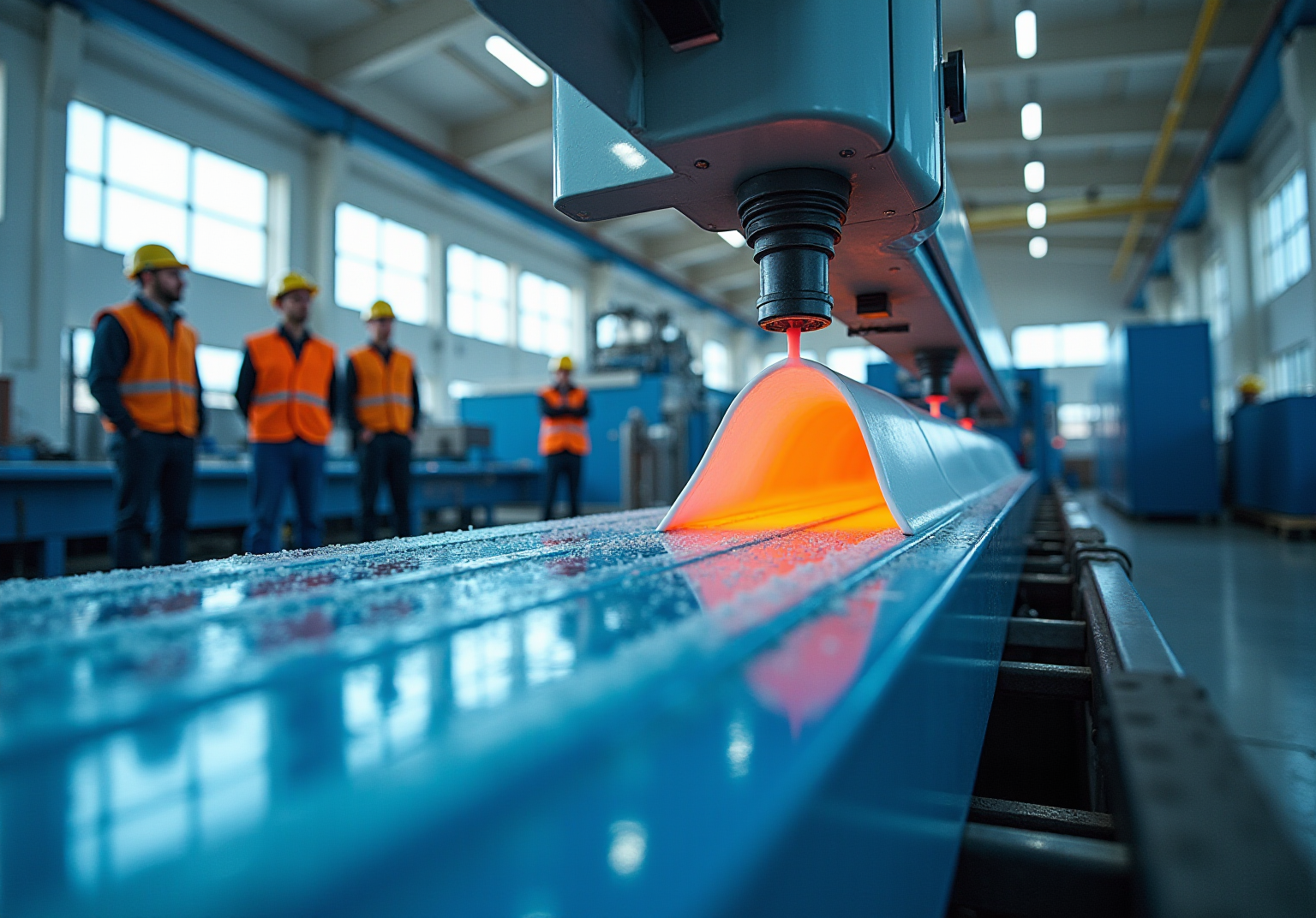
The game is changing by curved plastic! It allows for the creation of innovative products. Thanks to recent advancements in technology like specialized molds and machinery, we can now create those sleek arched profiles that not only look great but also work better.
You might be wondering how this all comes together. Well, when you mix 3D printing with conventional molding, manufacturers can explore some pretty intricate designs. This means products that are not just visually stunning but also functional. Think about it: in industries like automotive and consumer goods, there’s a growing need for efficiency.
The ability to create these designs is really shaking things up for manufacturers. It’s transforming how they approach production, leading to greater efficiency and innovation across the board. So, if you’re in the industry, it might be time to consider how your next project could be elevated by curved plastic!

Understand the Advantages of Curved Plastic Over Traditional Materials
offers numerous advantages over traditional materials like metal and glass, making it a preferred choice for manufacturers. For starters, it’s lightweight, which can really cut down on shipping costs. Did you know that just a 10% reduction in vehicle weight can lead to a 6%-8% boost in fuel economy? That’s huge, especially in the automotive world where every ounce matters for performance and sustainability. Plus, curved plastic can be molded into complex shapes without much machining, saving both time and resources.
At Lincoln Plastics, we work hand-in-hand with OEMs to ensure our materials meet all the quality marks, including special checks for 'fit and function.' Our quality assurance process is pretty robust, featuring a dedicated quality book for each polymer profile. This includes detailed drawings, critical in-process checks, and run documentation, ensuring your components are exactly what you need for those crucial dimensions. We also use various check gauges to ensure a proper fit for end use, boosting the reliability of what we offer.
The versatility of shaped materials opens the door to innovation. Think about improved aerodynamics in automotive parts or ergonomic shapes in consumer goods. For example, research has shown it can reduce vehicle weight while still being durable and resistant to chemicals. And with advancements in material science, we now have formulations that deliver superior strength and longevity, perfect for those demanding applications.
These benefits really position curved plastic as a smart choice that meets the evolving needs of modern production. They align perfectly with industry trends leaning towards efficiency and lower environmental impact. Plus, case studies highlight the cost savings, making a strong case for using bent materials across various industries.

Analyze the Impact of Curved Plastic on Production Efficiency and Cost Management
Have you ever thought about how manufacturing can be a bit of a puzzle? Well, the integration of curved plastic into production is like finding the missing piece that makes everything fit together perfectly. The use of curved plastic allows for the creation of complex shapes in just one molding process, which means fewer parts to assemble. This not only improves efficiency but also cuts down on labor costs.
And let’s not forget about weight! Curved plastic materials are lightweight, which helps reduce shipping costs. Imagine shipping products more economically - sounds great, right? Producers who have jumped on board with curved plastic are seeing lead times shrink significantly. Why? Because these materials enable smoother production methods, allowing businesses to react faster to what the market demands.
But there’s more to love about the curved plastic! The natural resilience of these synthetic materials often leads to fewer failures and warranty claims. That’s a win-win for everyone involved, resulting in increased customer satisfaction. So, when you put all these benefits together, it’s clear that curved plastic can really enhance manufacturing processes. If you’re looking to enhance your production techniques, maybe it’s time to consider this strategic option!

Examine the Role of Customization in the Adoption of Curved Plastic
in today’s manufacturing world, especially when it comes to customization. Companies are always looking for ways to stand out, right? So, being able to whip up products that fit specific customer needs is a game changer. Curved plastic really shines here, enabling manufacturers to create unique shapes and features that not only look great but also function better. Take the automotive industry, for example. Those bent synthetic components can blend in perfectly with other parts, making for a sleek and attractive design.
Now, let’s talk about adaptability. The applications for curved plastic are pretty flexible, which means businesses can prototype and iterate quickly. This is huge for keeping up with changing consumer preferences. When companies can offer solutions that match exactly what clients want, it builds stronger relationships. Did you know that 71% of consumers are willing to pay more for customization? That really highlights how much people crave customization these days. Therefore, focusing on customer satisfaction is crucial for integrating curved plastic into modern manufacturing practices. It’s not just about efficiency; it’s about making customers happy, too!

Conclusion
You know, the potential of curved plastic in manufacturing is pretty amazing. It’s changing the game by allowing for all sorts of unique shapes and designs. Thanks to advancements in extrusion techniques and 3D printing, manufacturers are now able to work with incredible efficiency and creativity. This means products can look great and perform even better.
So, what’s the big deal about curved plastic? Well, it has some serious advantages over traditional materials. Think about it: it’s lighter, more durable, and can be shaped into complex forms with hardly any machining. These perks lead to lower production costs, better fuel efficiency in cars, and more customization options that meet what consumers really want. Embracing curved plastic isn’t just a passing trend; it’s a major step toward more sustainable and efficient manufacturing.
Now, let’s talk about why this matters for manufacturers. If you want to stay competitive in today’s fast-paced world, embracing curved plastic technology is key. As industries focus more on innovation and sustainability, integrating curved plastic will be crucial in achieving these goals. The future of manufacturing is all about adapting and innovating, and curved plastic is right at the forefront, paving the way for better efficiency, cost management, and happier customers.
Frequently Asked Questions
What is the significance of curved plastic in manufacturing?
Curved plastic is changing the manufacturing landscape by allowing for the creation of complex shapes that were difficult to achieve with traditional materials.
What advancements have contributed to the use of curved plastic?
Recent advancements in extrusion techniques, including specialized molds and high-performance polymers, have enabled the production of sleek arched profiles.
How does the combination of 3D printing and conventional molding benefit manufacturers?
This combination allows manufacturers to explore intricate designs, resulting in products that are both visually appealing and optimized for performance.
In which industries is the demand for curved plastic components growing?
The demand is increasing in industries like automotive and consumer goods, where lightweight, durable, and ergonomically designed components are needed.
What impact does the ability to create curved plastic parts have on manufacturers?
It transforms their approach to product design and development, leading to greater efficiency and innovation in the manufacturing process.
List of Sources
- Explore the Innovative Nature of Curved Plastic in Manufacturing
- Shaping the Future: Innovations in Plastic Extrusion Techniques - SeaGate Plastics Company (https://seagateplastics.com/shaping-the-future-innovations-in-plastic-extrusion-techniques)
- Understand the Advantages of Curved Plastic Over Traditional Materials
- unipipes.com (https://unipipes.com/blog/plastics-over-metals)
- ntop.com (https://ntop.com/resources/blog/8-lightweighting-benefits-in-manufacturing-engineering)
- sterlingplasticsinc.com (https://sterlingplasticsinc.com/insights/how-the-automotive-industry-is-driving-engineered-plastics)
- Analyze the Impact of Curved Plastic on Production Efficiency and Cost Management
- nicholasinstitute.duke.edu (https://nicholasinstitute.duke.edu/articles/plastics-hidden-price-tag-us-faces-11-trillion-annual-social-costs-duke-scholars-estimate)
- Examine the Role of Customization in the Adoption of Curved Plastic
- 40 personalization statistics: The state of personalization in 2025 and beyond (https://contentful.com/blog/personalization-statistics)
- 5 product customization statistics you need to know (https://tailoor.com/5-product-customization-statistics-you-need-to-know)
- sayplastics.com (https://sayplastics.com/case-studies)
- productiveplastics.com (https://productiveplastics.com/case-studies)
- ctcplastics.com (https://ctcplastics.com/2025/11/how-custom-molding-is-revolutionizing-product-development-2)


