
Which is Better: Plastic or Polypropylene for Your Needs?
Introduction
The debate between plastic and polypropylene is heating up, and it’s no wonder why! As industries chase after innovation and sustainability, understanding these materials is more important than ever. Did you know the global plastics market is set to hit a jaw-dropping USD 293.54 billion by 2035? That’s a lot of plastic!
So, as businesses sift through the complexities of choosing the right materials, one big question pops up: which option really shines when it comes to versatility, cost-effectiveness, and environmental impact? In this article, we’ll dive into the pros and cons of plastic and polypropylene, giving you the insights you need to make informed decisions in manufacturing and beyond. Let’s get started!
Understand Plastic and Polypropylene: Key Characteristics
You know, plastic, right? It’s this amazing mix of materials, and it’s loved for its versatility, durability, and lightweight nature. Think about it: you’ve got types like polyethylene (PE), polyvinyl chloride (PVC), and polystyrene (PS), each with its own unique traits. Plus, plastics are pretty tough - they resist moisture, chemicals, and UV light, which makes them perfect for all sorts of uses across different industries.
Now, let’s talk about polypropylene (PP). This specific material really stands out! It’s known for its strength, flexibility. With a melting temperature of around 160°C, it can handle a lot of stress without breaking down. That’s why it’s great for things that need to bend or flex repeatedly. And guess what? It’s molded into all sorts of shapes, which is a big plus in manufacturing.
But here’s where it gets even more interesting: innovations in discussions about materials are making waves, especially with polypropylene. This material is becoming increasingly important in industries like packaging and automotive manufacturing. And did you know that the market size is reaching a whopping USD 293.54 billion by 2035? It’s exciting to see how its uses are expanding, thanks to ongoing innovations in material science. So, what do you think about the future of plastics?

Explore Common Applications of Polypropylene in Industry
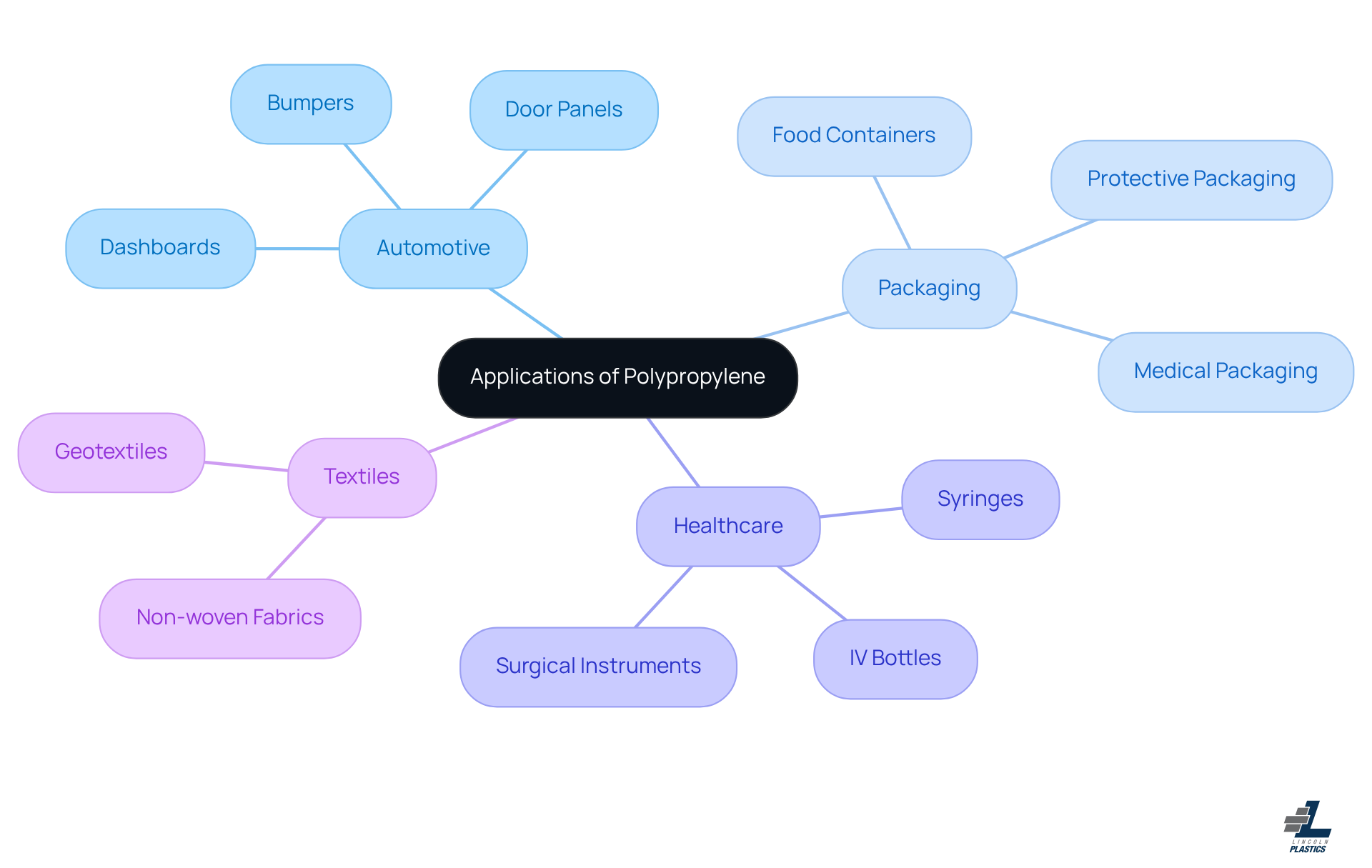
This thermoplastic is super versatile and pops up in all sorts of industries because of its unique properties. For instance, in the automotive world, it’s a go-to for making interior components like dashboards, door panels, and bumpers. Why? Well, it’s lightweight and can handle high temperatures like a champ.
Now, let’s talk about packaging. Polypropylene is widely used in packaging. In fact, the demand for polypropylene packaging is increasing. That’s some serious growth!
In healthcare, this plastic is a big deal. It’s used in medical devices, where sterility and chemical resistance are super important. Did you know that the healthcare market for polypropylene is expanding rapidly? And it’s projected to hit USD 2,326.6 million by 2033! That really highlights how crucial this material is in healthcare.
But wait, there’s more! Polypropylene is also found in textiles, especially in non-woven fabrics for hygiene products and geotextiles for construction. This just goes to show how diverse its applications are. With such a wide range of uses, it’s clear that polypropylene is not just versatile but also reliable, making it a favorite in many industries.
Compare Pros and Cons of Plastic and Polypropylene
When you think about synthetic materials and products, a few things come to mind, right? Let’s break it down together.
- Versatility: It comes in all sorts of forms and types, making it perfect for a ton of applications.
- Cost-Effective: Usually, it’s cheaper to produce, which is great for mass production.
- Durability: It can really take a beating, so it’s ideal for long-term use.
Cons of Plastic:
- Environmental Impact: A lot of plastics aren’t biodegradable, and they can really add to pollution.
- Chemical Leaching: Some synthetic materials might leach harmful chemicals into our food or the environment.
- Chemical Resistance: It’s got fantastic resistance to a wide range of chemicals, making it safe for food and medical uses.
- Lightweight and Strong: With a high strength-to-weight ratio, it’s super useful in the automotive and packaging industries.
- Recyclability: Plus, polypropylene is recyclable, which is a win for sustainability efforts.
Cons of Polypropylene:
- Limited Heat Resistance: While it can handle a decent amount of heat, it might not stand up to extreme temperatures like some other plastics.
- Cost: It can be pricier than some common materials, which might affect your budget decisions.
So, what do you think? Understanding these pros and cons can really help you make informed choices about which is better plastic or polypropylene materials. Let’s keep the conversation going!

Evaluate Key Factors Influencing Material Choice
When you're trying to choose between plastic and polypropylene, there are a few key things to think about:
- Requirements: What does your system really need? Think about temperature resistance, chemical exposure, and mechanical stress. For instance, because it’s lightweight and durable. In fact, it made up 32% of the materials used in this sector back in 2020.
- Sustainability: Let’s talk sustainability. How recyclable is the material? What’s its potential for contributing to pollution? The global push for a circular economy aims to cut ocean plastic by 80% by 2040. That’s why it’s so important to consider recyclability. Right now, polypropylene has a post-consumer recycling rate of about 1%, but there are exciting innovations on the horizon that could improve its recyclability. As Dr. Lucy Rogers, an environmental consultant, puts it, "The recycling rate is a crucial factor in its sustainability."
- Budget: What about your budget? It’s essential to weigh both immediate costs and long-term implications. The market is expected to grow significantly, hitting £66 billion by 2025, with a steady growth rate of 3.1%. This indicates a stable demand that could affect pricing strategies.
- Production: How does each material perform during production? Think about ease of molding and the potential for defects. Engineered solutions are becoming increasingly important to meet performance expectations, with new materials that enhance production efficiency.
- Compliance: Lastly, does the material meet industry standards and regulations? This is especially crucial in sensitive areas like food packaging. Staying compliant is key to ensuring product integrity and safety.
By keeping these factors in mind, businesses can make smart choices that align with their operational needs and sustainability goals. This not only fosters innovation but also boosts efficiency in their processes.

Conclusion
When we compare plastic and polypropylene, it’s clear that these materials play vital roles in many industries. Sure, both have their strengths, but polypropylene really shines with its strength, flexibility, and recyclability. This makes it a top choice for those looking for sustainable solutions. And let’s not forget, the ongoing innovations in material science highlight just how important it is to make informed choices based on what we need and what’s good for the environment.
Throughout this article, we’ve touched on some key points:
- The unique properties of plastics and polypropylene
- Their common uses in industries like automotive and healthcare
- The pros and cons of each material
We’ve also emphasized the importance of considering factors like environmental impact, cost, and regulatory compliance. These insights can help you think about your operational needs and sustainability goals when choosing materials.
In a time when sustainability is more important than ever, the choice between plastic and polypropylene goes beyond just functionality; it’s about committing to responsible manufacturing practices. As the global market for these materials keeps evolving, staying informed about their characteristics and applications will empower you to make choices that not only meet your needs but also positively impact the environment. Embracing this knowledge is key to fostering innovation and steering the industry toward a more sustainable future. So, let’s keep the conversation going and make choices that matter!
Frequently Asked Questions
What are the key characteristics of plastic?
Plastic is a synthetic material made from polymers, known for its versatility, durability, and lightweight nature. It resists moisture, chemicals, and UV light, making it suitable for various applications across different industries.
What are some common types of plastic?
Common types of plastic include polyethylene (PE), polyvinyl chloride (PVC), and polystyrene (PS), each with unique traits.
What is polypropylene (PP) and what are its main features?
Polypropylene (PP) is a thermoplastic polymer recognized for its strength, flexibility, and resistance to heat and chemicals. It has a melting temperature of around 160°C and is lightweight and easy to mold.
Why is polypropylene suitable for manufacturing?
Polypropylene is suitable for manufacturing because it can handle stress without breaking down, making it ideal for products that require bending or flexing. Its lightweight nature and ease of molding into various shapes are also advantageous.
How is polypropylene related to sustainability and the circular economy?
Recent advancements in polypropylene are contributing to discussions about sustainability and the circular economy, highlighting its growing importance in industries like packaging and automotive manufacturing.
What is the projected growth of the global plastics market?
The global plastics market is expected to grow significantly, reaching an estimated USD 293.54 billion by 2035, driven by innovations in material science and expanding applications.
List of Sources
- Understand Plastic and Polypropylene: Key Characteristics
- quote.org (https://quote.org/topics/plastic_materials)
- Polypropylene Market Size to Hit USD 293.54 Billion By 2035 (https://precedenceresearch.com/polypropylene-market)
- statista.com (https://statista.com/topics/5401/global-plastic-waste?srsltid=AfmBOooiJNJgFH70BQz6V0Sw1Gl-oMyTdM0SXRnes10Wv_d4ZmJiCVr9)
- Plastics: Material-Specific Data | US EPA (https://epa.gov/facts-and-figures-about-materials-waste-and-recycling/plastics-material-specific-data)
- Explore Common Applications of Polypropylene in Industry
- plasticstoday.com (https://plasticstoday.com/packaging/lyondellbasell-unveils-new-polypropylene-grade)
- grandviewresearch.com (https://grandviewresearch.com/horizon/statistics/medical-grade-polypropylene-market/application/medical-packaging/global)
- globenewswire.com (https://globenewswire.com/news-release/2026/01/05/3212973/0/en/Polypropylene-Industry-Trends-and-Competition-Analysis-2025-2033-Rising-Demand-in-Construction-Sector-Strengthens-Polypropylene-Usage.html)
- Evaluate Key Factors Influencing Material Choice
- M. Holland's 2026 Plastics Industry Trends & Predictions (https://mholland.com/market-insights/plastics-industry-trends)
- anciglobal.com (https://anciglobal.com/2026-material-trends-packaging-construction-filtration)
- statista.com (https://statista.com/statistics/1338900/global-plastic-use-outlook-by-polymer?srsltid=AfmBOoohtHFk0xbIBC_zGcmfVObYQksmfiftgJGHDkiZdH__5oYA0NOZ)
- Plastic Waste Factsheet (https://css.umich.edu/publications/factsheets/material-resources/plastic-waste-factsheet)
- Is Polypropylene Eco-Friendly? Stats & Trends (https://greenmatch.co.uk/polypropylene-environmental-impact)
Related posts

Discover essential steps for selecting reliable custom plastic tubing solutions for various industries.


Discover best practices for procuring clear plastic flexible tubing to enhance performance and reliability.
Discover key insights and features of top flexible PVC manufacturers for your business needs.
