
What Is Polypropylene Plastic Used For? Key Applications Explained
Introduction
At the forefront of modern manufacturing, polypropylene plastic stands out as a transformative material, redefining industry standards with its unmatched versatility and reliability. From agriculture to automotive manufacturing, this thermoplastic polymer is lightweight, chemically resistant, and cost-effective, making it an ideal choice for a multitude of applications.
As industries grapple with the need for sustainable materials, the pressure to innovate intensifies. This is where polypropylene steps in, offering a solution that aligns with both performance and sustainability.
Exploring the diverse uses of polypropylene reveals its critical role in shaping the future of production and design across sectors, particularly in the Midwest, where companies like Lincoln Plastics are at the forefront of innovation and quality.
By harnessing the power of polypropylene, companies can not only enhance their production capabilities but also contribute to a more sustainable future in manufacturing.
Define Polypropylene Plastic: Composition and Characteristics
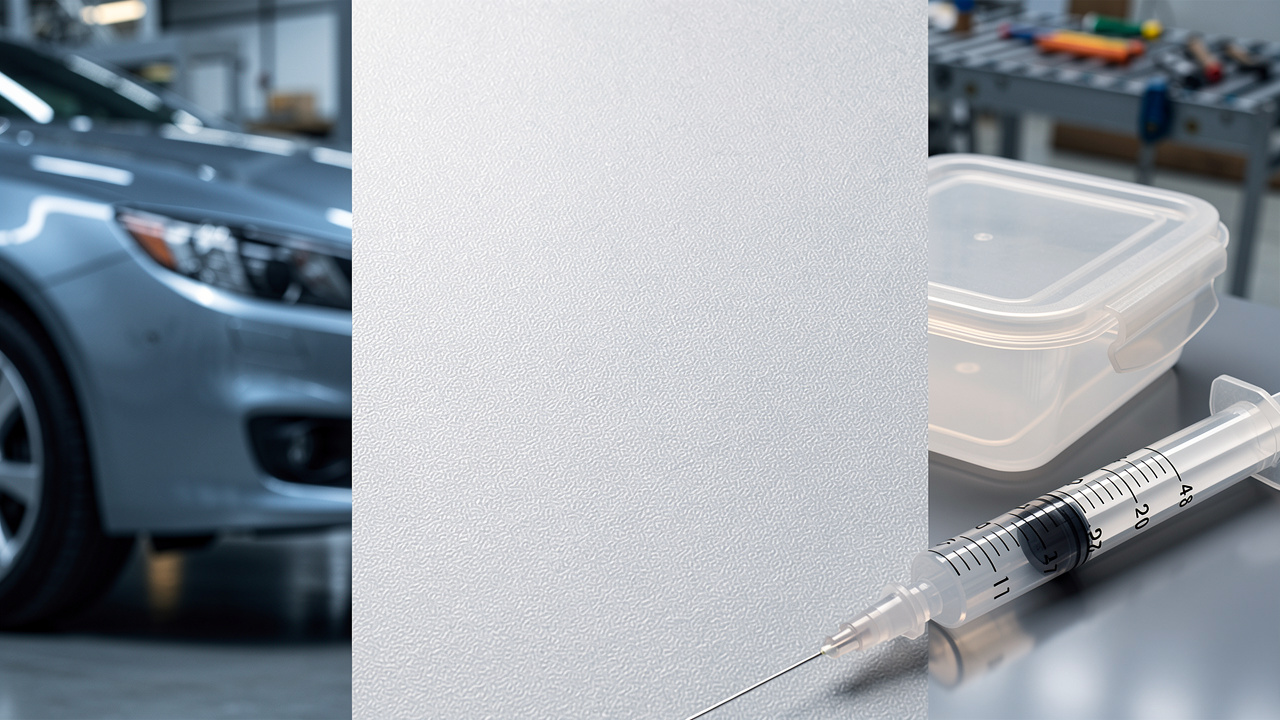
In an industry where reliability is paramount, polypropylene stands out as a thermoplastic polymer that meets diverse needs with unmatched performance. Synthesized through the polymerization of propylene monomers, polypropylene is characterized by its lightweight nature, high chemical resistance, and excellent fatigue resistance. With a chemical formula of (C₃H₆)ₙ, where 'n' denotes the number of repeating units, this semi-crystalline polymer contributes to its strength and durability. Its low density, around 0.90 g/cm³, makes it an ideal option for applications requiring lightweight materials, such as automotive parts and packaging solutions.
Polypropylene boasts a high melting point. It typically ranges from 130°C to 171°C, which helps maintain its structural integrity under heat. This thermal stability is crucial for environments with temperature changes. The polymer's versatility is further enhanced by its ability to be molded into various shapes and forms, making it suitable for a wide range of applications across different industries, including agriculture, office management, and tradeshow setups, leading to the inquiry of what is polypropylene plastic used for.
Recent advancements in plastic production have concentrated on improving polypropylene's characteristics through innovative methods. For example, the Spheripol technology, a prominent technique for producing polypropylene, employs bulk polymerization to attain high-quality substances with controlled characteristics. This technology not only enhances product clarity and flexibility but also boosts production efficiency, aligning with the increasing demand for sustainable resources.
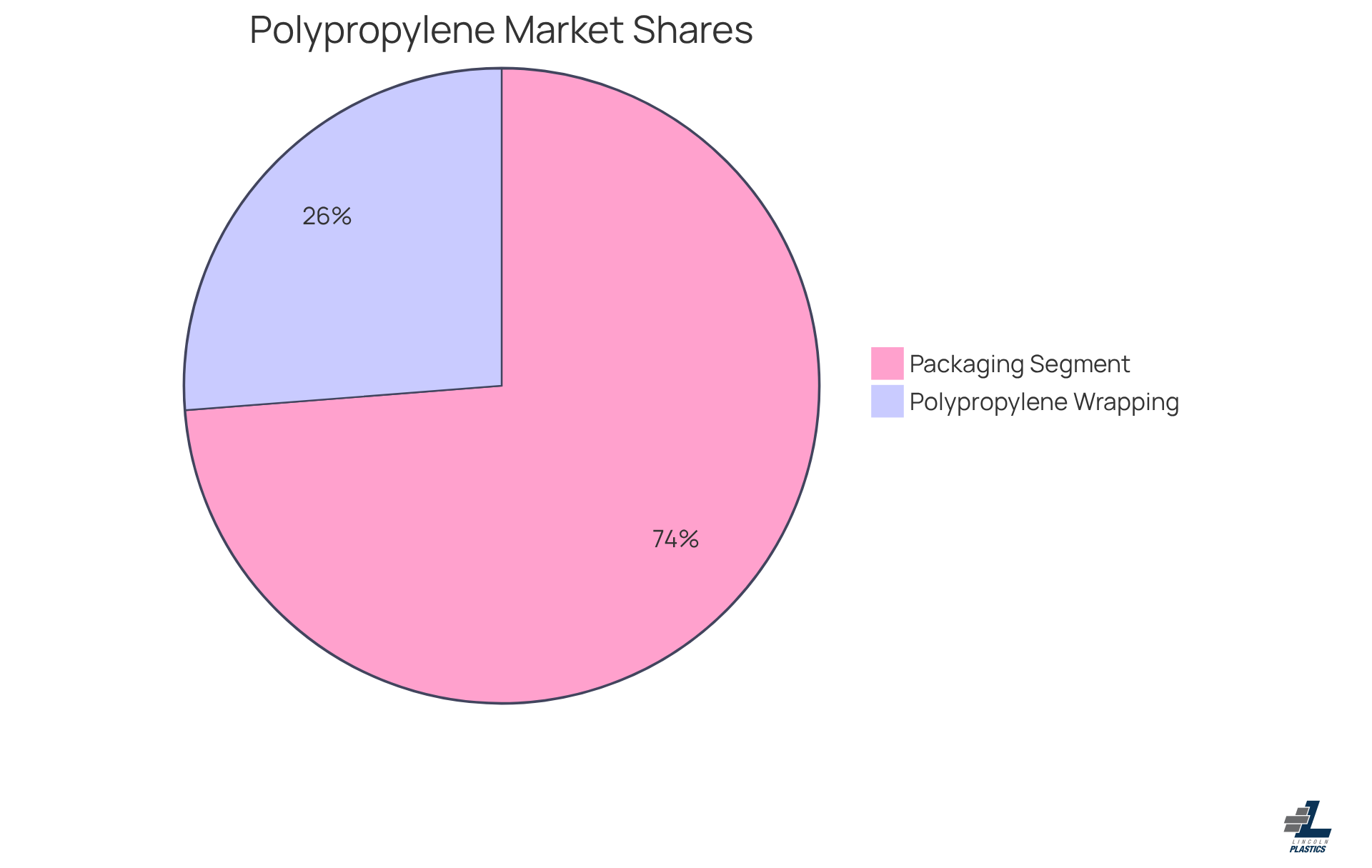
Polypropylene represents 16% of global plastic materials utilized in the wrapping industry, emphasizing its importance in this sector. The packaging segment alone accounts for a 45% share of the plastic market, highlighting its significance to OEMs engaged in packaging solutions. Furthermore, the market for this type of plastic is anticipated to expand at a CAGR of 4.8% between 2025 and 2032, indicating strong market potential.
Case studies demonstrate the practical uses of this material in manufacturing. For example, Lincoln Plastics specializes in designing custom extruded profiles tailored to OEM specifications, ensuring that products meet exact requirements for performance and integration. Our offerings include a variety of standard and custom round plastic profiles in multiple colors, diameters, and lengths, along with co-extrusion capabilities for multi-color or multi-material profiles. This customization is vital in sectors where off-the-shelf solutions may compromise design and functionality. Lincoln Plastics' commitment to quality is underscored by our ISO 9001:2015 certification and rigorous quality management plans, including dedicated quality books and in-process checks.
Overall, the primary attributes of this polymer-its lightweight nature, high melting point, and excellent chemical resistance-make it a preferred choice for what is polypropylene plastic used for in various applications. This drives its continued growth in the market. Choosing the right materials can make or break your project, and polypropylene's proven track record ensures you won't compromise on quality. For tailored solutions, we invite you to contact Lincoln Plastics experts for quotes and further information.
Explore the History and Development of Polypropylene
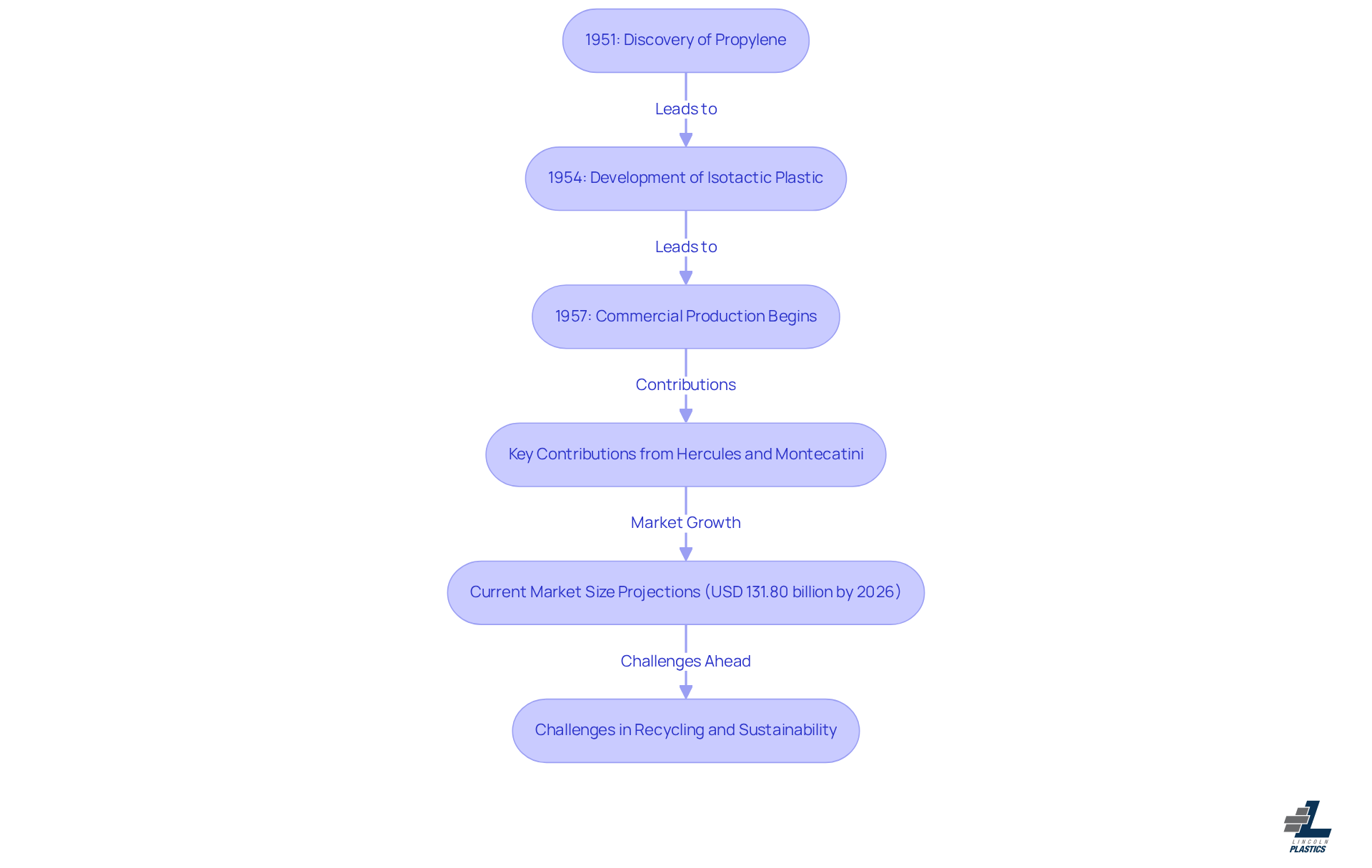
The journey of plastic began in 1951, but its evolution into a vital manufacturing material is a story of innovation and resilience. Chemists J. Paul Hogan and Robert Banks at Phillips Petroleum first polymerized propylene, leading to the commercial production of this revolutionary plastic by 1957. Early contributions from companies like Hercules and Montecatini played a pivotal role in this transformation. How did a single discovery in 1951 lead to such significant advancements? A major breakthrough occurred in 1954 when Giulio Natta developed isotactic plastic, enhancing its properties and broadening its applications.
Over the decades, this material has undergone substantial evolution, establishing itself as the second most widely produced commodity plastic globally. Its versatility and cost-effectiveness have made it indispensable across various sectors, including packaging, automotive, and consumer goods, highlighting what is polypropylene plastic used for. Despite advancements, the industry grapples with the complexities of enhancing material properties to meet evolving demands, as ongoing research seeks to refine its applications further.
As of 2026, projections indicate a market size of USD 131.80 billion, reflecting its increasing importance in the global market. This surge in production not only signifies the material's importance but also underscores the urgency for sustainable practices in manufacturing. Initiatives like NextLooPP Americas aim to enhance recycling processes and address challenges in the recycling landscape. Expert insights highlight that contamination remains a significant barrier to higher recycling rates, emphasizing the need for improved sorting technologies and sustainable practices in the industry. As the industry faces recycling challenges, the future of this plastic hinges on our commitment to sustainable practices and technological advancements.
Examine Key Applications of Polypropylene in Various Industries
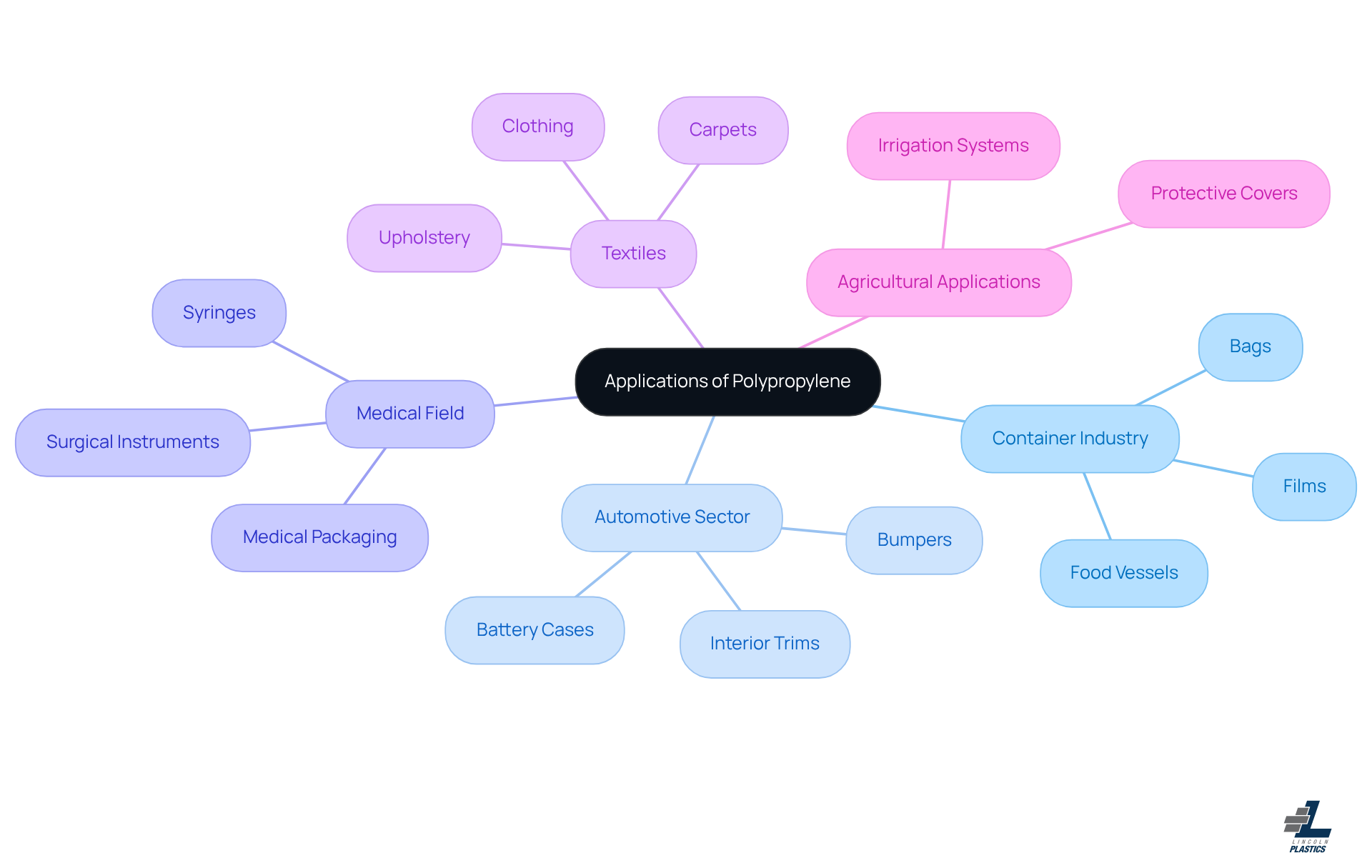
Polypropylene stands out as a crucial thermoplastic polymer, essential for various industries due to its remarkable properties. In the container industry, what polypropylene plastic is used for primarily includes:
- Food vessels
- Films
- Bags
It leverages its lightweight and moisture-resistant characteristics to ensure product safety and freshness. Did you know the worldwide plastic sector was valued at a staggering USD 136.32 billion in 2024? A significant portion of this market is linked to packaging, prompting the inquiry of what polypropylene plastic is used for, as it serves as a reliable barrier against moisture and pollutants. This market is projected to expand at a CAGR of 4.20% from 2025 to 2032, reflecting the rising demand for this material across diverse applications.
Furthermore, in the automotive sector, polypropylene is favored for producing components such as:
- Bumpers
- Interior trims
- Battery cases
Its durability and chemical resistance contribute to improved fuel efficiency and reduced vehicle weight, making it an essential material for modern automotive design. The automotive sector's reliance on this material is underscored by its ability to withstand harsh conditions while maintaining structural integrity.
In addition, the medical field greatly benefits from polypropylene's unique properties, particularly in what polypropylene plastic is used for, such as:
- Syringes
- Surgical instruments
- Medical packaging
This is due to its sterilization capabilities and non-toxic nature. The medical-grade plastic market was valued at USD 4.8 billion in 2024 and is expected to reach USD 9.1 billion by 2033, growing at a CAGR of 7.1% from 2025 to 2033, reflecting the increasing demand for safe and effective materials in healthcare applications.
Moreover, this versatile material finds extensive use in textiles, where it is utilized in:
- Carpets
- Upholstery
- Clothing
It is also used in agricultural applications for irrigation systems and protective covers, illustrating what polypropylene plastic is used for. Its flexibility and strength make it suitable for a wide range of products, enhancing its appeal across various sectors.
Case studies highlight what polypropylene plastic is used for in packaging applications, demonstrating its effectiveness in maintaining food freshness and safety. For instance, plastic containers are preferred for food storage because of their lightweight and moisture-resistant characteristics, making them more popular than glass or heavier plastics among consumers. As industries continue to evolve, the demand for polypropylene will only intensify, driving innovation and quality in product development.
Highlight the Benefits of Polypropylene Plastic
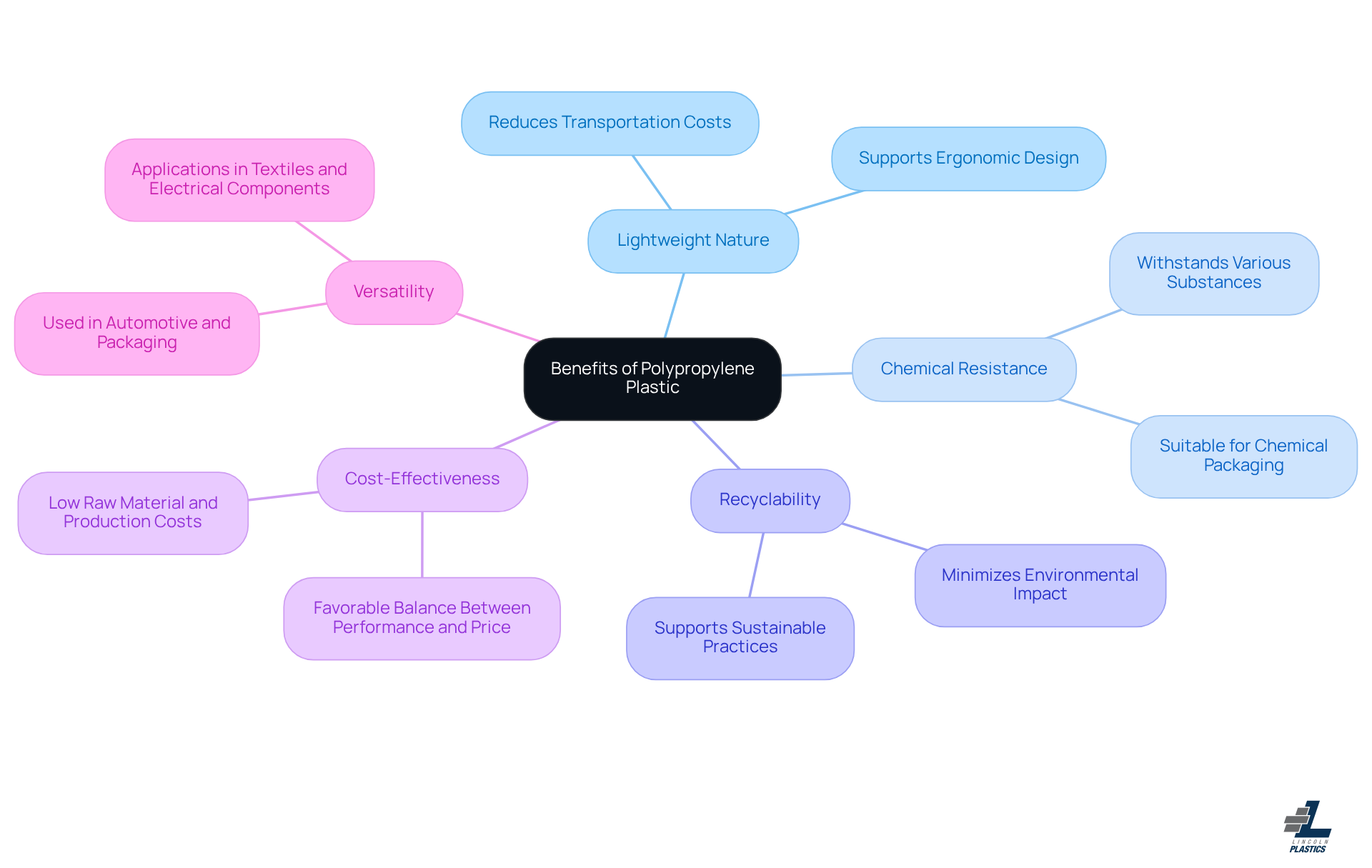
In the realm of manufacturing, polypropylene stands out as a game-changing material, offering unmatched benefits. Its lightweight nature significantly reduces transportation costs and supports ergonomic design, making it ideal for products that require ease of handling. Furthermore, this material exhibits excellent chemical resistance, allowing it to withstand exposure to various substances - crucial for containers and industrial applications. With a high melting point, polypropylene maintains its structural integrity even under heat, making it suitable for demanding environments.
Another key benefit is that this material is recyclable, which helps reduce environmental impact. This aligns with the industry's shift towards sustainable practices, as manufacturers increasingly seek materials that minimize waste and carbon emissions. Additionally, polypropylene is cost-effective, providing a favorable balance between performance and price, particularly beneficial for large-scale manufacturing.
The versatility of polypropylene plastic showcases what polypropylene plastic is used for across various sectors, including automotive and packaging. For instance, it is commonly utilized in the creation of FIBC jumbo bags and woven bags for bulk cargo transportation, illustrating what polypropylene plastic is used for in fulfilling the requirements of the logistics sector. Its application in the automotive industry, where lightweight modified substances are employed for interior components, highlights its contribution to decreasing vehicle weight and production expenses.
Case studies underscore the material's impact; for example, the high flexural strength and moisture resistance of this polymer illustrate what polypropylene plastic is used for, making it suitable for a variety of applications beyond traditional uses, including textiles and electrical components. With global demand for polypropylene projected to soar to around 62 million metric tons, manufacturers must prioritize its adoption to stay competitive and sustainable.
Conclusion
Polypropylene plastic stands as a pivotal material in diverse industries, driven by its remarkable properties and adaptability. This thermoplastic polymer is lightweight, has a high melting point, and offers excellent chemical resistance. It plays a crucial role in applications like packaging, automotive components, medical devices, and agricultural products. Ongoing advancements in polypropylene production, including Spheripol technology, enhance its performance and sustainability. This solidifies its role in modern manufacturing.
Throughout the article, we've explored key applications of polypropylene, highlighting its significance in sectors like packaging, automotive, and healthcare. The material's ability to maintain structural integrity under heat, coupled with its recyclability, positions it as a favorable choice for manufacturers aiming to balance performance with environmental responsibility. Case studies illustrate how Lincoln Plastics leverages these attributes to provide tailored solutions, ensuring that products meet the specific needs of OEMs in agriculture, office management, and tradeshow industries.
However, as industries evolve, keeping up with the growing demand for polypropylene can be challenging, driving innovation and quality in product development. This shift not only meets market demands but also enhances brand reputation. For those seeking to harness the benefits of polypropylene in their projects, collaborating with Lincoln Plastics can ensure your projects not only meet industry standards but also contribute to a sustainable future.
Frequently Asked Questions
What is polypropylene plastic and how is it made?
Polypropylene is a thermoplastic polymer synthesized through the polymerization of propylene monomers. It is characterized by its lightweight nature, high chemical resistance, and excellent fatigue resistance.
What are the key characteristics of polypropylene?
Key characteristics of polypropylene include its low density (around 0.90 g/cm³), high melting point (ranging from 130°C to 171°C), and versatility in being molded into various shapes and forms.
What are the common applications of polypropylene?
Polypropylene is commonly used in automotive parts, packaging solutions, and various applications across industries such as agriculture, office management, and tradeshow setups.
How does Spheripol technology enhance polypropylene production?
Spheripol technology employs bulk polymerization to produce high-quality polypropylene with controlled characteristics, enhancing product clarity, flexibility, and production efficiency.
What is the market significance of polypropylene in the packaging industry?
Polypropylene represents 16% of global plastic materials used in the wrapping industry, with the packaging segment accounting for 45% of the plastic market, indicating its importance for OEMs in packaging solutions.
What is the projected growth rate for the polypropylene market?
The market for polypropylene is anticipated to expand at a compound annual growth rate (CAGR) of 4.8% between 2025 and 2032.
How does Lincoln Plastics utilize polypropylene in its offerings?
Lincoln Plastics specializes in designing custom extruded profiles tailored to OEM specifications, including standard and custom round plastic profiles in various colors, diameters, and lengths, as well as co-extrusion capabilities.
What quality management practices does Lincoln Plastics follow?
Lincoln Plastics is ISO 9001:2015 certified and follows rigorous quality management plans, including dedicated quality books and in-process checks to ensure high-quality products.
Why is polypropylene considered a preferred choice for various applications?
Its lightweight nature, high melting point, and excellent chemical resistance make polypropylene a preferred choice, ensuring reliability and performance in diverse applications.
How can I get tailored solutions or quotes from Lincoln Plastics?
For tailored solutions and quotes, you can contact Lincoln Plastics experts for further information.
List of Sources
- Define Polypropylene Plastic: Composition and Characteristics
- Polypropylene Market Size & Growth Analysis, 2032 (https://persistencemarketresearch.com/market-research/polypropylene-market.asp)
- Polypropylene - an overview | ScienceDirect Topics (https://sciencedirect.com/topics/materials-science/polypropylene)
- What Are PP Plastic Properties? Key Characteristics and Uses Explained (https://lincoln-plastics.com/news-post/what-are-pp-plastic-properties-key-characteristics-and-uses-explained)
- Polypropylene - Wikipedia (https://en.wikipedia.org/wiki/Polypropylene)
- What Are The Latest Innovations In Polypropylene Manufacturing Technology? | CNC Precision Machining Service (https://worthyhardware.com/news/polypropylene-manufacturing-technology)
- Explore the History and Development of Polypropylene
- The Future of Polypropylene: Innovations Driving Sustainability (https://poly-source.com/blogs/the-future-of-polypropylene-innovations-driving-sustainability)
- The US Path to Polypropylene Recycling Success (https://plasticstoday.com/mechanical-recycling/the-us-path-to-polypropylene-recycling-success)
- PP most likely plastic to shift in 2026 (https://resource-recycling.com/plastics/2026/05/08/pp-most-likely-plastic-to-shift-in-2026)
- Polypropylene Market Trends, Share and Forecast, 2026-2033 (https://coherentmarketinsights.com/industry-reports/polypropylene-market)
- Polypropylene Market is expected to reach USD 155.57 Billion by 2026 (https://paulmurphyplastics.com/industry-news-blog/polypropylene-market-is-expected-to-reach-usd-155-57-billion-by-2026)
- Examine Key Applications of Polypropylene in Various Industries
- Polypropylene: Benefits, Challenges, and Applications. (https://prototek.com/article/polypropylene-benefits-challenges-and-applications)
- Medical Grade Polypropylene Market Size Report, 2025-2033 (https://grandviewresearch.com/industry-analysis/medical-grade-polypropylene-market-report)
- Uses of Polypropylene (PP): Practical Applications, Examples & Why It’s Everywhere (https://totebagmart.com/blogs/news/uses-of-polypropylene?srsltid=AfmBOorPqyRPk8KCl1mfrRBKnIMKj4FkWuIQXZqFiA4slq6g2J67EdCr)
- Polypropylene Prices Rise Sharply Amid Strong Packaging Demand in May 2026 (https://globalriskcommunity.com/notes/polypropylene-prices-rise-sharply-amid-strong-packaging-demand-in)
- Polypropylene Market Size & Share | Industry Growth 2032 (https://databridgemarketresearch.com/reports/global-polypropylene-market?srsltid=AfmBOoqrnf_QUehHDT1KlgEemCZOt2ajOPEN-daphxO_lqKP1jYiPamc)
- Highlight the Benefits of Polypropylene Plastic
- Polypropylene: The Unsung Cost-Effective Hero of Global Manufacturing (https://dazichem.com/news/11537.html)
- 5 Best Practices for Using Polypropylene (PP) Plastic in Manufacturing (https://lincoln-plastics.com/news-post/5-best-practices-for-using-polypropylene-pp-plastic-in-manufacturing)
- Everything You Need To Know About Polypropylene (PP) Plastic (https://paulmurphyplastics.com/industry-news-blog/everything-you-need-to-know-about-polypropylene-pp-plastic)
- Polypropylene (PP): Understand the Key Benefits and Applications (https://protolabs.com/materials/polypropylene)
Related posts

Why Custom Pipe Extrusion Matters More Than Ever
Standard pipe sizes don’t always work. Learn how Lincoln Plastics delivers custom diameters, wall thicknesses, and finishes in right-sized runs.


Reducing Trip Hazards with Custom Cord Management
Loose cords are more than messy — they’re a safety hazard. Lincoln Plastics’ custom cord covers and Flexiduct solutions improve safety and efficiency.
The Power of Custom Plastic Profiles for OEMs
Off-the-shelf profiles force compromises. Learn how Lincoln Plastics designs custom extruded profiles for OEMs with exact specs and right-sized runs.
