
What Is Plastic Extrusion? Definition, Process, and Applications
Introduction
In the competitive landscape of modern manufacturing, mastering polymer shaping is essential for success. This process seamlessly converts raw materials into a wide range of essential products, including pipes and custom profiles. As industries from agriculture to automotive increasingly rely on plastic extrusion, understanding its intricacies becomes crucial.
Manufacturers face increasing pressure to adapt to rapid technological changes in plastic extrusion. Embracing these advancements is not just an option; it's a necessity for manufacturers aiming to thrive in a dynamic market.
Define Plastic Extrusion: Understanding the Basics
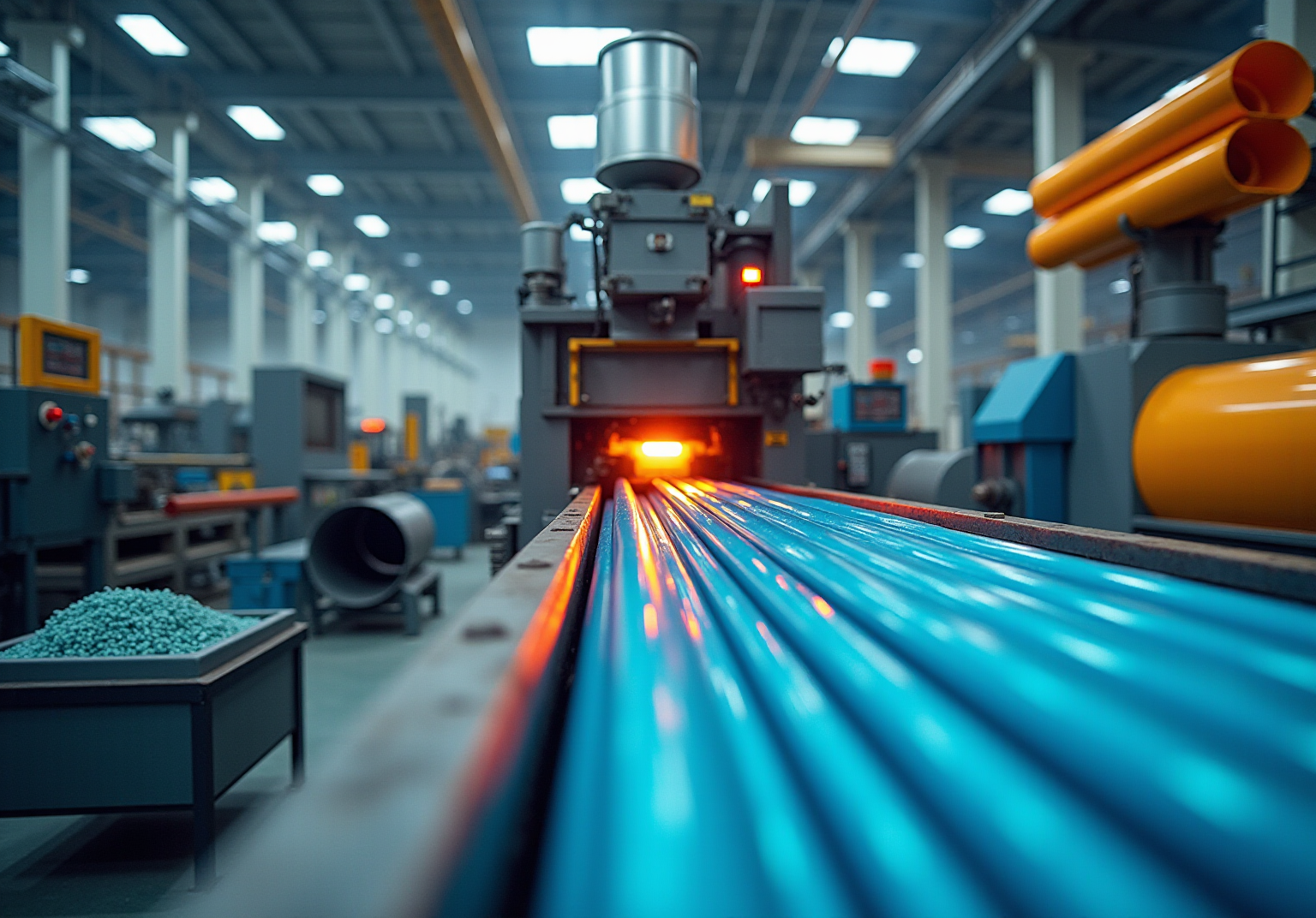
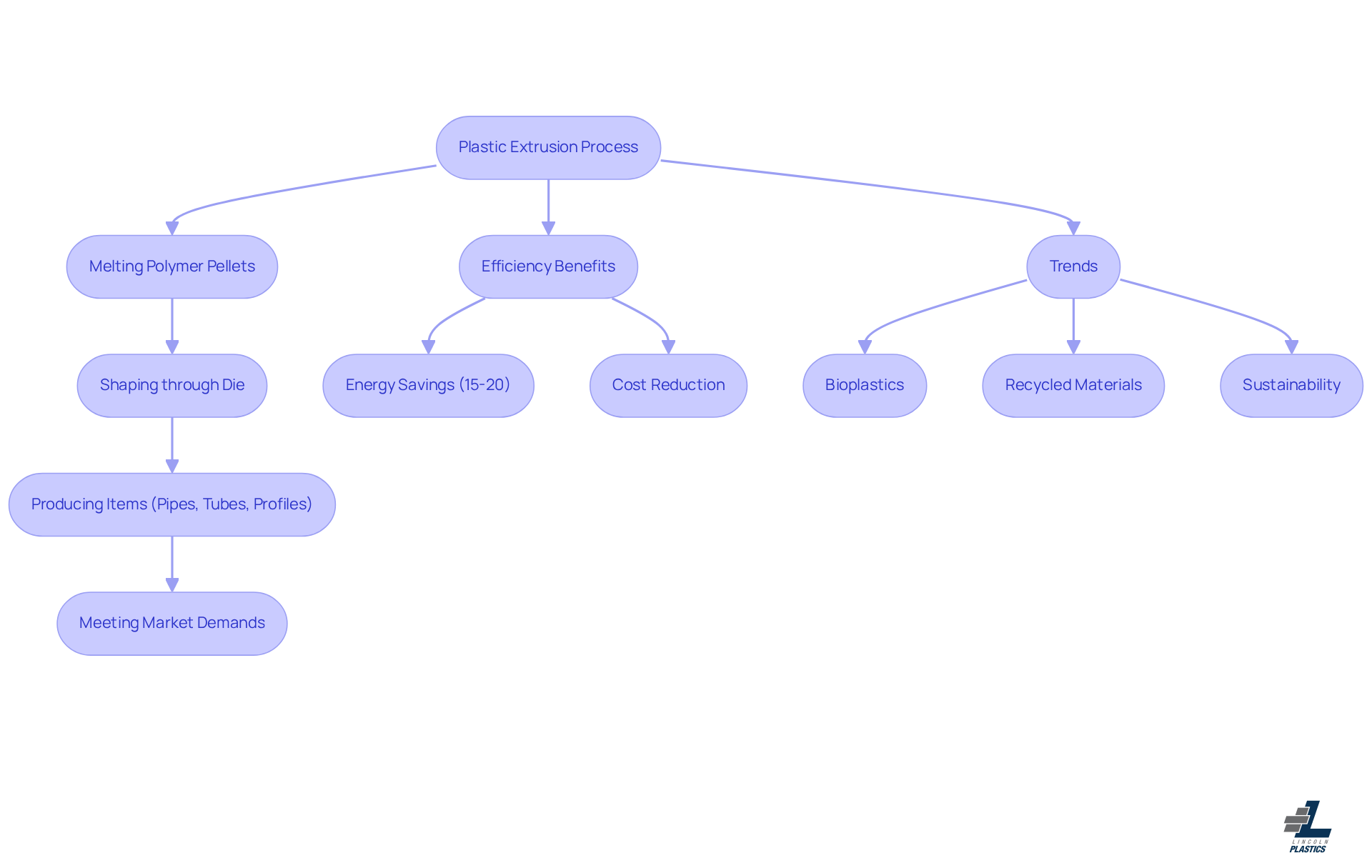
Polymer shaping stands as a cornerstone of modern manufacturing, transforming raw materials into high-demand products. This process involves melting polymer pellets or granules and pushing them through a precisely shaped die. The result? Items like pipes, tubes, and custom profiles. This versatility means you can produce items with consistent cross-sections, which is crucial for many applications across sectors like agriculture, construction, and consumer goods.
The efficiency of polymer shaping is a key characteristic, enabling the production of large quantities of uniform products essential for meeting the demands of various applications. By 2026, those who embrace advancements in what is plastic extrusion will see pronounced benefits, while those who don’t risk falling behind in efficiency and cost-effectiveness. For instance, energy-efficient systems can reduce consumption by 15-20%, significantly lowering operational costs while enhancing sustainability.
Lincoln Plastics provides a range of flexible profiles in various sizes and substances, including co-extrusion choices that enable the integration of different colors into the profiles. Recent trends indicate a growing demand for bioplastics and recycled materials, driven by environmental regulations and consumer preferences for greener products. This shift not only promotes sustainable practices but also opens new pathways for innovation in application processes. Industry leaders stress that grasping these dynamics is essential for making informed investment choices in machinery, as the market keeps evolving with an emphasis on quality and efficiency. Embracing these innovations is not just an option; it’s a necessity for staying competitive in an evolving market.
Trace the History of Plastic Extrusion: Evolution and Significance
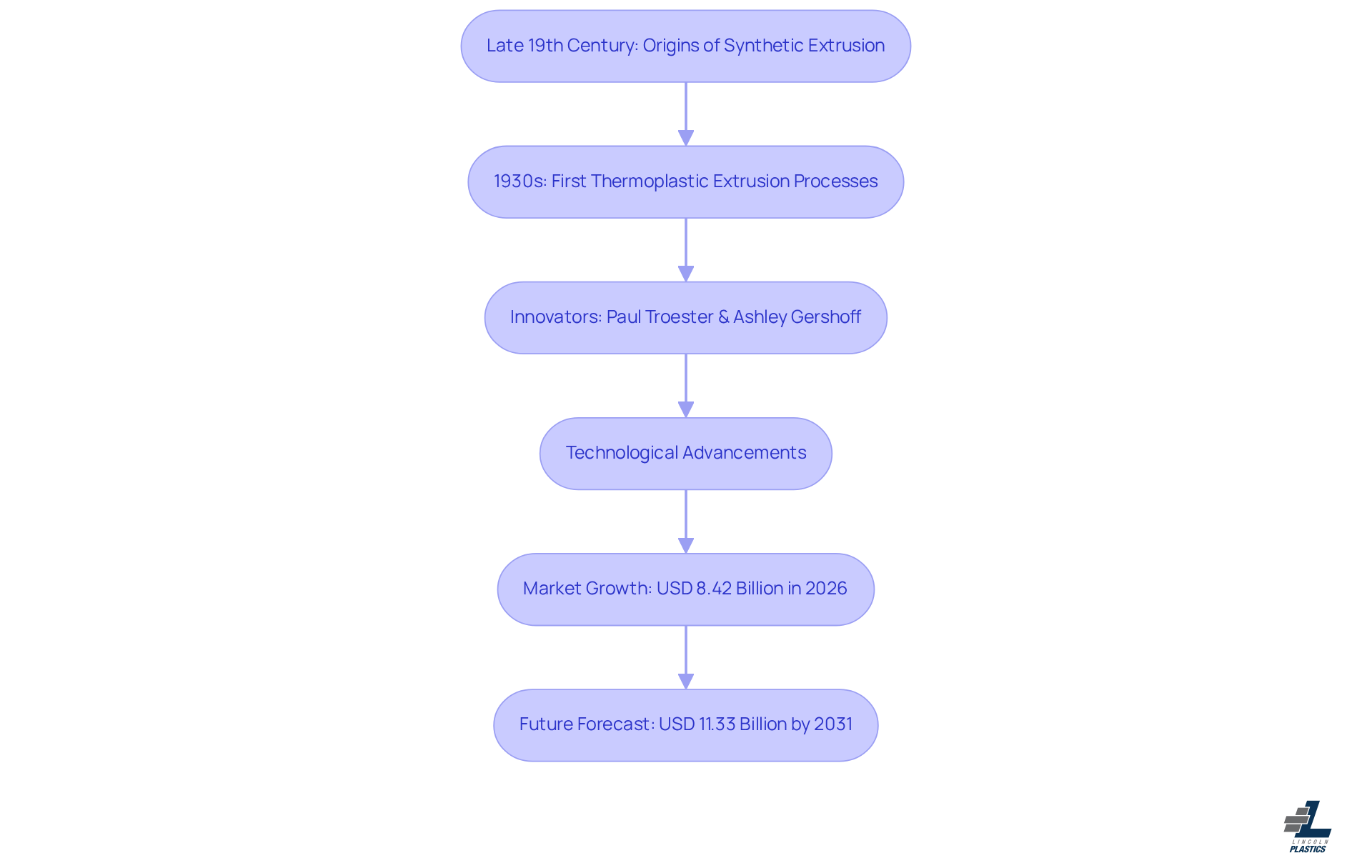
The evolution of synthetic extrusion has been marked by groundbreaking innovations that help explain what is plastic extrusion and how it has reshaped manufacturing processes. The origins of synthetic extrusion, particularly in relation to what is plastic extrusion, date back to the late 19th century, with pivotal advancements emerging in the 1930s when the first thermoplastic extrusion processes were established. Innovators Paul Troester and Ashley Gershoff created the first successful thermoplastic extruder, which illustrates what is plastic extrusion and marks a transformative moment in the manufacturing of synthetic components. Since then, the process has evolved significantly. This evolution is driven by technological advancements and a growing demand for diverse materials, which includes understanding what is plastic extrusion. The introduction of advanced materials and improved machinery has expanded the range of polymer shaping, demonstrating what is plastic extrusion as a fundamental aspect of modern manufacturing across various industries, including agriculture, automotive, and construction. Today, understanding what is plastic extrusion is essential for creating a diverse range of items, from irrigation tubes to automotive components, highlighting its vital role in addressing modern manufacturing requirements.
As of 2026, the polymer shaping machine market is valued at USD 8.42 billion and is anticipated to reach USD 11.33 billion by 2031, indicating a compound annual growth rate (CAGR) of 6.12%. This growth reflects the industry's adaptation to sustainability trends, with a notable shift towards using recycled materials and bio-based plastics, as highlighted by industry leaders. Furthermore, understanding what is plastic extrusion is essential as twin-screw extruders are forecasted to grow at a CAGR of 6.21% from 2026 to 2031, showcasing the ongoing advancements in extrusion technology that are critical for meeting contemporary manufacturing needs.
At Lincoln Plastics, we partner with OEMs to guarantee our products meet all quality standards, including special checks for ‘fit and function’. Our robust quality system includes a dedicated quality book for each synthetic profile, complete with drawings, critical in-process checks, and run documentation. We utilize various types of check gauges to ensure a proper end-use fit, and we also ensure that our rigid profiles adhere to specified critical dimensions. Additionally, we can easily source colors that meet your Pantone specifications for consistency across manufacturers. This commitment to precision and compliance highlights our dedication to quality assurance and customization in polymer shaping.
Embracing these advancements is not just an option; it's a necessity for staying competitive in today's manufacturing landscape.
Examine the Plastic Extrusion Process: Key Components and Steps
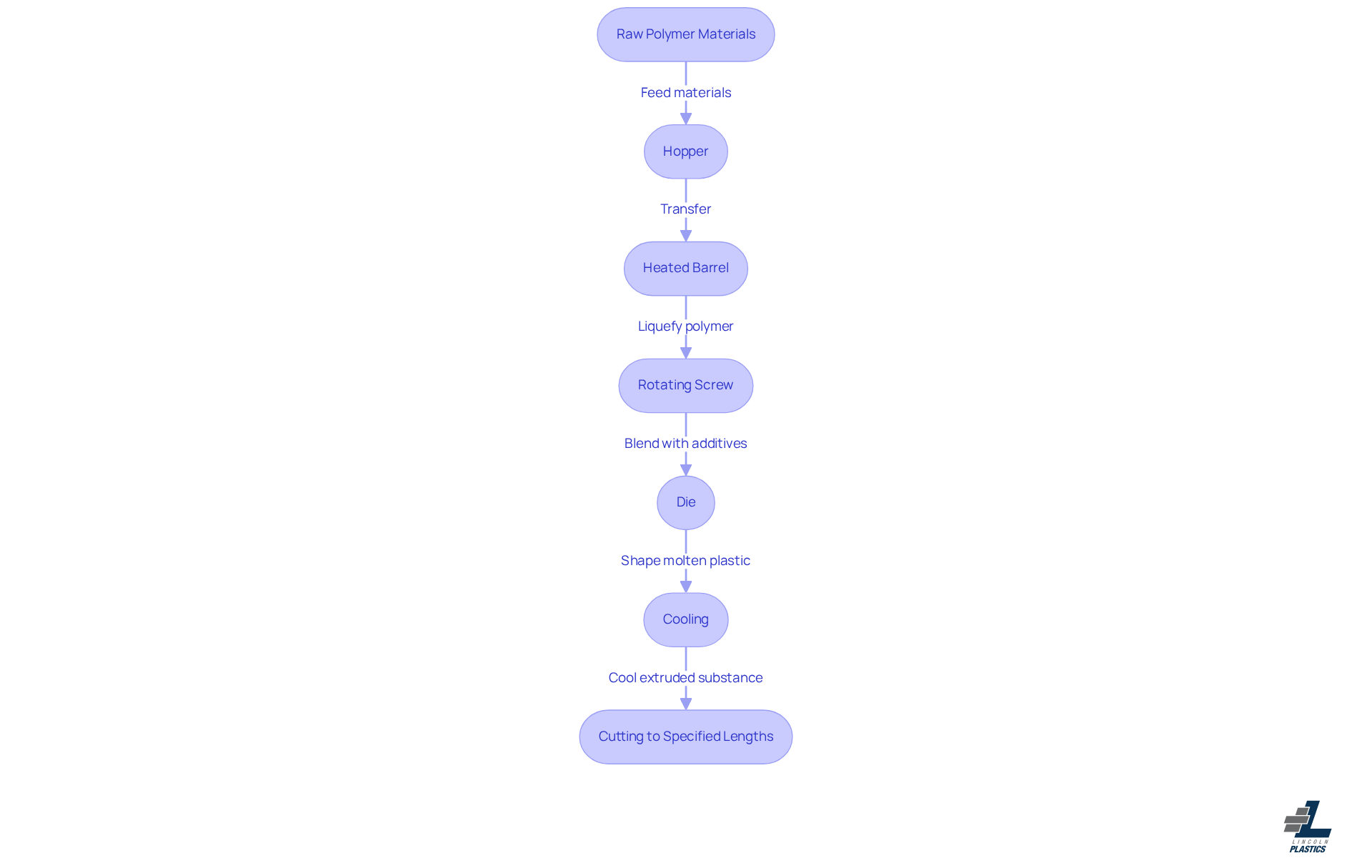
To understand what is plastic extrusion, one must recognize that the polymer extrusion process is a complex journey that demands precision at every stage to ensure product excellence. First, raw polymer materials, usually pellets or granules, are fed into a hopper. From there, they are conveyed into a heated barrel. Inside the barrel, a rotating screw liquefies the polymer, blending it with essential additives to guarantee a consistent mixture. To understand what is plastic extrusion, one must know that the molten plastic is then forced through a die, shaping it into the desired profile, such as pipes or custom components. After leaving the die, the extruded substance is cooled, often using air or water, before being cut into specified lengths.
Have you considered how each step is vital for meeting your product's specifications and quality standards? For instance, maintaining precise control over the average thickness, typically specified at 50 µm, is crucial; running consistently at 52 µm can lead to unnecessary material waste. A target Cpk score of 1.33 or higher indicates a capable and well-tuned line, minimizing the risk of defects and waste. Industry specialists emphasize that simulation tools can help you plan and tackle issues before they arise, highlighting the importance of proactive actions in the manufacturing process.
Furthermore, implementing best practices such as real-time monitoring with IoT sensors and advanced mixing technologies can significantly enhance product consistency and operational efficiency. Upgrading older extruders for Industry 4.0 capabilities can also lead to improved performance metrics and cost savings. By focusing on these essential elements, manufacturers can refine their shaping processes. This ensures precision and compliance for OEMs at Lincoln Plastics, leading to improved performance and profitability.
Explore Types and Materials in Plastic Extrusion: Applications and Versatility
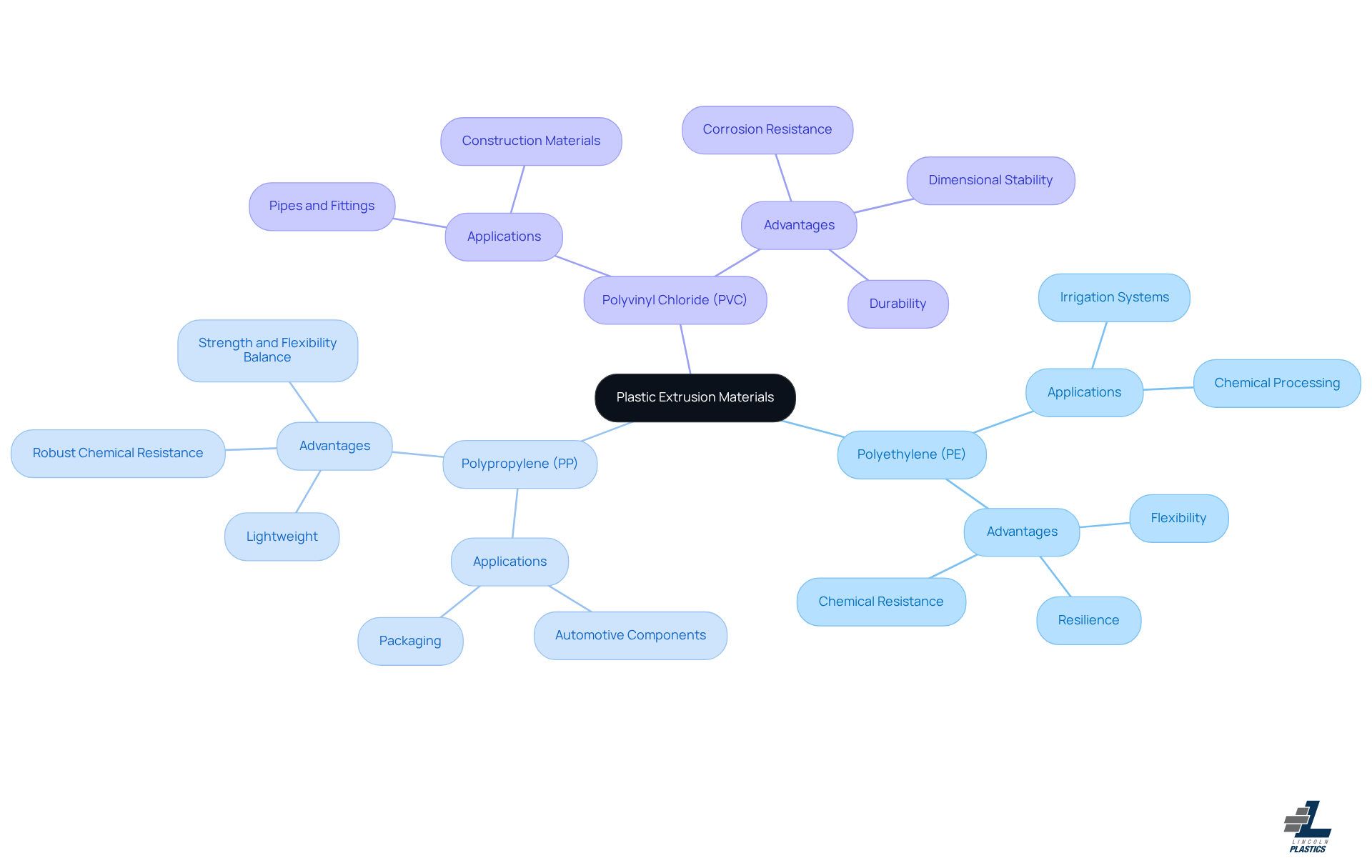
In a competitive landscape, the right materials can make all the difference in product performance and operational efficiency. Plastic shaping accommodates a diverse range of materials, notably:
- Polyethylene (PE)
- Polypropylene (PP)
- Polyvinyl chloride (PVC)
Each offering distinct advantages for specific applications. PVC is widely recognized in the construction industry for its exceptional durability and corrosion resistance, making it ideal for pipes and fittings. In agricultural settings, polyethylene is frequently employed for irrigation systems due to its flexibility and resilience. Polypropylene stands out for its lightweight nature and robust chemical resistance, making it suitable for various applications, including automotive components and packaging.
By leveraging custom plastic extrusion, companies can better understand what is plastic extrusion to tailor solutions that not only meet their specific needs but also drive efficiency and performance in their operations. This adaptability enables manufacturers like Lincoln Plastics to deliver customized solutions that address the unique needs of small to midsize companies across multiple sectors, ultimately enhancing product performance and operational efficiency. Choosing the right material not only enhances your product but also positions your business for success in a demanding market.
Conclusion
Plastic extrusion is not just a manufacturing process; it’s a cornerstone of modern industry that shapes the products we rely on every day. Understanding its critical role reveals how it transforms raw materials into essential products while adapting to evolving market demands. This process enhances production efficiency and allows for customization and sustainability, making it vital across various industries.
The article delves into the intricacies of plastic extrusion, starting from its definition and historical evolution to the detailed steps involved in the process. Key arguments highlight the importance of precision, the diverse range of materials utilized, and the technological advancements that drive efficiency and sustainability. The growing trend of using bioplastics and recycled materials underscores the industry's shift towards greener practices, further emphasizing the need for manufacturers to stay informed and agile. However, many companies struggle to keep pace with rapid technological advancements, risking their competitive edge.
These insights challenge industry players to prioritize sustainability, efficiency, and quality in their operations. Embracing these changes is not merely an option; it’s essential for survival in a rapidly evolving market. By doing so, they not only enhance their product offerings but also contribute to a more sustainable future in manufacturing.
Frequently Asked Questions
What is plastic extrusion?
Plastic extrusion is a manufacturing process that involves melting polymer pellets or granules and pushing them through a precisely shaped die to create products like pipes, tubes, and custom profiles.
What are the benefits of plastic extrusion?
The benefits of plastic extrusion include the ability to produce large quantities of uniform products with consistent cross-sections, which is essential for various applications across sectors such as agriculture, construction, and consumer goods.
How does plastic extrusion contribute to efficiency in manufacturing?
Plastic extrusion is characterized by its efficiency, enabling the production of high-demand products quickly and uniformly, which helps meet the demands of different applications.
What advancements in plastic extrusion can lead to cost savings?
Advancements such as energy-efficient systems can reduce energy consumption by 15-20%, significantly lowering operational costs while enhancing sustainability.
What trends are currently influencing the plastic extrusion industry?
Current trends include a growing demand for bioplastics and recycled materials, driven by environmental regulations and consumer preferences for greener products.
How can companies stay competitive in the evolving plastic extrusion market?
Companies can stay competitive by embracing innovations in plastic extrusion, making informed investment choices in machinery, and focusing on quality and efficiency as the market evolves.
List of Sources
- Define Plastic Extrusion: Understanding the Basics
- linkedin.com (https://linkedin.com/pulse/anticipated-growth-north-america-plastic-extrusion-equipment-zg1gf)
- Emerging Trends Shaping Plastic Extruders in 2026 (https://audop.com/c/emerging-trends-shaping-plastic-extruders-in-2026.htm)
- Plastics Extrusion: 4 Critical Statistics to Track for Increased Quality & Plant Profit (https://gaugeadvisor.com/2025/05/26/plastics-extrusion-4-critical-statistics-to-track-for-increased-quality-plant-profit)
- Benefits of Plastic Extrusion Manufacturing (https://paulmurphyplastics.com/industry-news-blog/benefits-of-plastic-extrusion-manufacturing)
- jurryextrusion.com (https://jurryextrusion.com/news/china-to-dominate-36-of-global-plastic-demand-in-2026-what-this-means-for-pvc-pipe-extruder-buyers-market-analysis-5-strategic-insights)
- Trace the History of Plastic Extrusion: Evolution and Significance
- mordorintelligence.com (https://mordorintelligence.com/industry-reports/plastic-extrusion-machine-market)
- Extruded Plastics Market Size, Share & Growth Report, 2030 (https://grandviewresearch.com/industry-analysis/extruded-plastics-market-report)
- goodfishgroup.com (https://goodfishgroup.com/exploring-the-history-and-evolution-of-plastic-extrusion)
- Plastics Extruded Market Size to Worth USD 259.21 Billion by 2034 (https://finance.yahoo.com/news/plastics-extruded-market-size-worth-142300951.html)
- Examine the Plastic Extrusion Process: Key Components and Steps
- Plastics Extrusion: 4 Critical Statistics to Track for Increased Quality & Plant Profit (https://gaugeadvisor.com/2025/05/26/plastics-extrusion-4-critical-statistics-to-track-for-increased-quality-plant-profit)
- Emerging Trends Shaping Plastic Extruders in 2026 (https://audop.com/c/emerging-trends-shaping-plastic-extruders-in-2026.htm)
- lincoln-plastics.com (https://lincoln-plastics.com/news-post/the-extrusion-process-explained)
- openpr.com (https://openpr.com/news/4458135/future-of-extruded-plastics-2026-2033-packaging)
- Explore Types and Materials in Plastic Extrusion: Applications and Versatility
- News - PVC Industry’s Expansion Cycle Ends, 2026 Supply-Demand to Improve Marginally (https://chemdo.com/news/pvc-industrys-expansion-cycle-ends-2026-supply-demand-to-improve-marginally)
- exintellmach.com (https://exintellmach.com/it/plastic-tube-extrusion-materials-compared-for-2026)
- ptonline.com (https://ptonline.com/articles/march-2026-prices-up-for-pe-pp-ps-pvc-pet-flat)
- openpr.com (https://openpr.com/news/4458135/future-of-extruded-plastics-2026-2033-packaging)
Related posts

Why Custom Pipe Extrusion Matters More Than Ever
Standard pipe sizes don’t always work. Learn how Lincoln Plastics delivers custom diameters, wall thicknesses, and finishes in right-sized runs.


Reducing Trip Hazards with Custom Cord Management
Loose cords are more than messy — they’re a safety hazard. Lincoln Plastics’ custom cord covers and Flexiduct solutions improve safety and efficiency.
The Power of Custom Plastic Profiles for OEMs
Off-the-shelf profiles force compromises. Learn how Lincoln Plastics designs custom extruded profiles for OEMs with exact specs and right-sized runs.
