
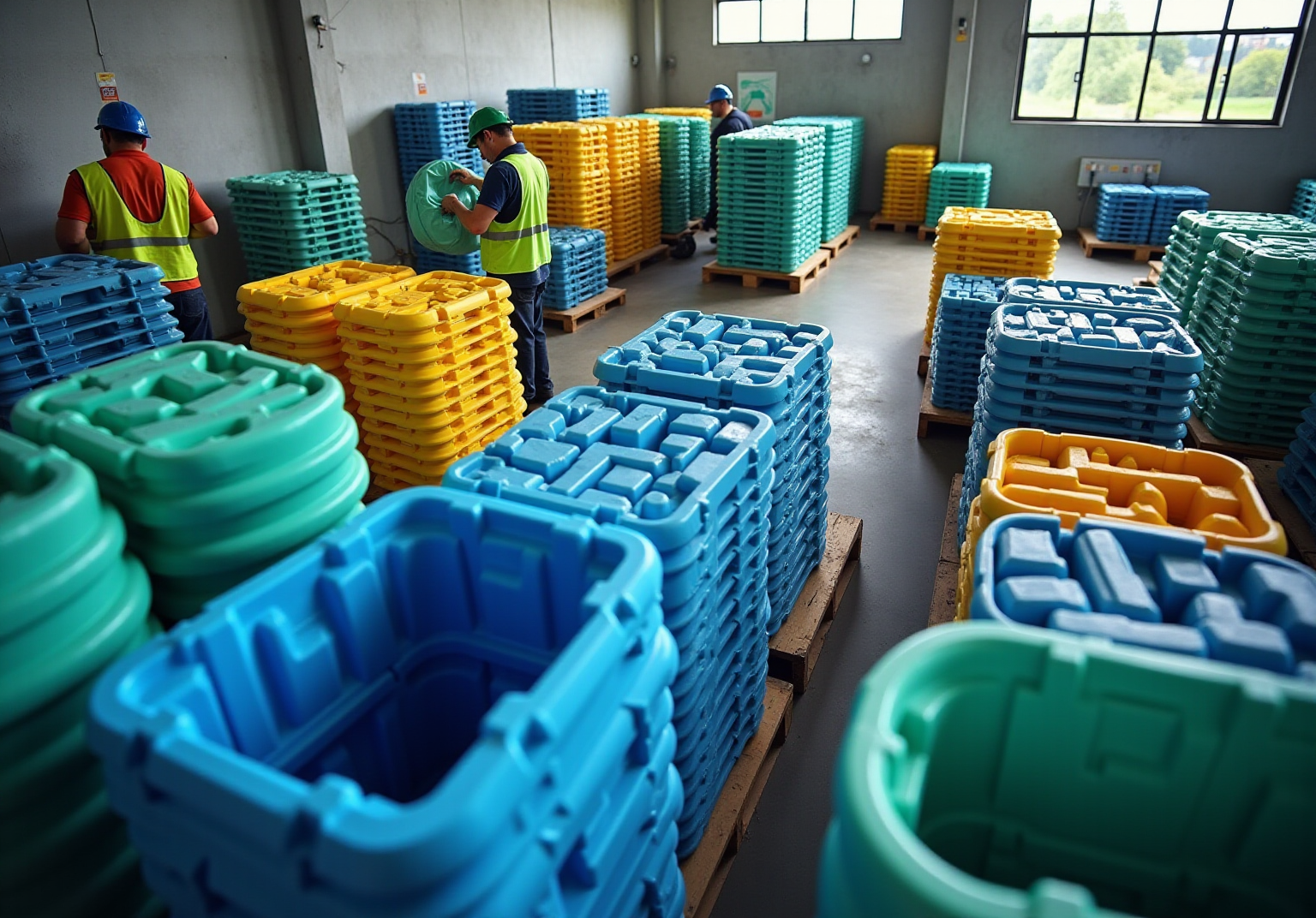
What is High Density Plastic? Key Properties and Applications Explained
Introduction
High-density plastic, or high-density polyethylene (HDPE), is quite the standout in today’s manufacturing world. It’s known for its incredible strength and versatility. As more industries look for sustainable and durable options, HDPE is stepping up, popping up in everything from packaging to industrial parts. But here’s a thought: how can this eco-friendly material balance its perks with the challenges of environmental impact and recycling?
Let’s dive into the properties and applications of high-density plastic. It’s not just about its significance; there are some complexities lurking beneath the surface that are worth exploring.
Define High-Density Plastic: An Overview of HDPE
High-density plastic, known as high-density polyethylene (HDPE), is a thermoplastic polymer made from ethylene, which is sourced from petroleum. HDPE is known for its impressive strength, making it one of the most popular plastics out there. You’ll find it in a variety of applications, from packaging to construction and even for OEM machinery.
What makes HDPE really stand out is its ability to handle tough environmental conditions. This durability makes it a favorite choice in both consumer and industrial markets. You might recognize it by its recycling code '2', which indicates it’s recyclable and has great versatility. In fact, the global market for HDPE is projected to grow from USD 20.81 billion in 2025 to USD 32.57 billion by 2035. That’s a big jump, driven by the increasing demand for lightweight, sturdy, and recyclable materials, such as high density plastic, across various sectors.
In manufacturing, high density plastic is found everywhere! Cable protection systems, containers, and outdoor parts often utilize high density plastic. For example, the film segment of packaging made from high density plastic (HDPE) is expected to grow rapidly because of its strength and moisture resistance, making it perfect for industrial uses. Plus, companies like Amcor are rolling out innovative products made from high density plastic aimed at boosting sustainability in the healthcare sector, showcasing just how versatile this material can be.
Now, let’s discuss some exciting developments in the production of high density plastic. There have been some great advancements in technology that are improving the quality and performance of materials, such as high density plastic. This trend is in line with the growing focus on sustainability, as manufacturers are increasingly incorporating high density plastic from post-consumer recycled resources into their products. As more sectors prioritize sustainability, the demand for high density plastic is likely to rise, solidifying its role as a key player in the manufacturing world.

Examine Key Properties of High-Density Polyethylene
When it comes to industrial applications, HDPE really shines with some standout properties:
- Strength: This means HDPE is lightweight but super strong, making it perfect for applications like piping and structural components.
- Chemical Resistance: HDPE can handle a wide range of solvents and chemicals, which is great for containers and pipes that deal with hazardous materials. This is crucial for industries that need reliable performance even in tough conditions.
- Durability: The material can take a beating, which is essential for products that might get rough treatment, like those used in manufacturing and construction.
- Low Moisture Absorption: This feature helps keep its integrity in wet environments, making it a solid choice for outdoor applications, such as agricultural and outdoor machinery parts.
- Recyclability: HDPE is highly recyclable, which is a big win for sustainability in manufacturing and waste management. Its properties meet the growing demand for eco-friendly materials across various sectors.
Now, you might be wondering why all this matters. Well, as Polymershapes puts it, "Polymershapes is distinctly equipped to address the requirements of evolving market demands and to assist clients in managing shifts in the industry." This highlights how flexible high density plastic is for various applications. Plus, using HDPE sheets has really changed the game in construction, leading to durable products that focus on ecological preservation.
Looking ahead, the market for HDPE is expanding. That’s a huge growth trajectory, reinforcing its importance in manufacturing. With all these great characteristics, it’s no wonder that high density plastic is a go-to choice for producers seeking solutions for their products.

Explore Applications of High-Density Plastic in Various Industries
High-Density Plastic, known as HDPE, is quite the versatile material! You’ll find it emerging in all sorts of industries, thanks to its unique properties. Let’s dive into some of its key applications:
- Packaging: HDPE is a go-to for bottles, containers, and bags. Its strength is tough and can handle a variety of chemicals, making it a favorite in the packaging world. Did you know that the global market for HDPE packaging solutions was valued at USD 20.81 billion in 2025? It’s projected to hit USD 32.57 billion by 2035! That really shows how important this material is in packaging.
When it comes to water and gas pipelines, HDPE shines with its durability and corrosion resistance. Recent innovations have led to new designs that also adapt to the shapes of farmland, boosting agricultural efficiency. For instance, modern farmers often prefer pipes made of HDPE because they’re flexible and help prevent leaks, which is essential for sustainable farming practices.
- Industrial Components: In the manufacturing realm, HDPE is used to create parts for machinery, like conveyor belts and protective covers. Its impact resistance and lightweight nature make it perfect for tough industrial settings where reliability is key.
- Consumer Products: You’ll find HDPE in everyday items like toys, cutting boards, and food storage containers. It’s safe and durable, meeting strict food safety regulations.
HDPE is crucial for making agricultural equipment such as pipes and fittings, providing essential support for farming. For example, a study on polyethylene mulch films showed that farms using these films saw up to a 25% increase in crop yields while using less water and herbicides. That’s a win for sustainable farming!
The rise of high-density polyethylene, or HDPE, in piping systems is pretty impressive. The top choice for modern irrigation solutions is HDPE due to its versatility. As more farmers embrace HDPE for its adaptability and eco-friendly benefits, this material is helping to support sustainable practices and improve efficiency across various applications.
So, what do you think? Isn’t it fascinating how a single material can make such a big difference in so many areas?

Assess the Environmental Impact and Sustainability of HDPE
High-density polyethylene, commonly referred to as high-density polyethylene or HDPE, is often seen as a sustainable choice, and for good reason! Let’s break it down:
- Recycling: HDPE can be recycled over and over again without losing its quality. This not only cuts down on waste but also helps promote a circular economy. Pretty neat, right?
- Durability: Products made from HDPE last for a long time. This means you won’t have to replace them often, which helps save resources in the long run.
- Carbon footprint: When you compare HDPE to other plastics, it has a smaller carbon footprint, especially when it’s made from recycled materials.
But, it’s not all sunshine and rainbows. There are still challenges, like the issue of tossing it in the trash and the need for proper recycling to ensure it gets reused instead of ending up in landfills.
So, while HDPE has some advantages and is recyclable, it’s crucial to think about how we handle it. Let’s work together to make a difference!

Conclusion
High-density plastic, or high-density polyethylene (HDPE), is quite the standout material! It’s known for its strength, durability, and versatility in all sorts of applications. You see, it can handle tough environmental conditions and is recyclable, making it a go-to choice for both consumers and industries alike. With the growing demand for sustainable materials, HDPE really shines as a solution that meets various industry needs while being eco-friendly.
Now, let’s talk about what makes high-density plastic so special. It boasts a high strength-to-density ratio, chemical resistance, impact resistance, and low moisture absorption. These features allow HDPE to thrive in everything from packaging and industrial components to agricultural tools. It’s adaptable and reliable! Plus, the HDPE market is on an upward trend, with projections showing a significant increase in demand thanks to innovations in recycling and sustainable practices.
So, why is high-density plastic so important? Well, as industries focus more on sustainability and efficiency, materials like HDPE are essential for building a circular economy and reducing environmental impact. By choosing high-density polyethylene, businesses can help create a more sustainable future while enjoying the benefits of this remarkable material. The message is clear: let’s prioritize high-density plastic in our manufacturing and everyday applications. It’s a great way to boost durability, support sustainability, and spark innovation across various sectors!
Frequently Asked Questions
What is high-density plastic?
High-density plastic, or high-density polyethylene (HDPE), is a thermoplastic polymer made from ethylene, which is derived from petroleum. It is known for its impressive strength-to-density ratio.
What are the common applications of high-density plastic?
High-density plastic is used in various applications, including packaging, industrial components, and custom profiles for OEM machinery.
Why is high-density plastic a popular choice in various markets?
Its durability allows it to handle tough environmental conditions, making it a favorite in both consumer and industrial markets.
How is high-density plastic identified in recycling?
High-density plastic is recognized by its recycling code '2', indicating that it is recyclable and has good sustainability potential.
What is the projected market growth for high-density plastic packaging solutions?
The global market for high-density plastic packaging solutions is expected to grow from USD 20.81 billion in 2025 to USD 32.57 billion by 2035.
What are some specific uses of high-density plastic in manufacturing?
High-density plastic is commonly found in cable protection systems, agricultural irrigation tools, and outdoor parts, with its film segment in packaging expected to grow due to its strength and moisture resistance.
How are companies innovating with high-density plastic?
Companies like Amcor are developing innovative packaging solutions made from high-density plastic to enhance sustainability, particularly in the healthcare sector.
What advancements are being made in the production of high-density plastic?
There have been advancements in recycling technologies that improve the quality and performance of high-density plastic, aligning with circular economy goals by incorporating post-consumer recycled resources.
What is the future outlook for high-density plastic in manufacturing?
As more sectors prioritize sustainability, the demand for high-density plastic is likely to rise, reinforcing its role as a key player in the manufacturing world.
List of Sources
- Define High-Density Plastic: An Overview of HDPE
- argusmedia.com (https://argusmedia.com/en/news-and-insights/latest-market-news/2670887-the-limit-to-us-natural-hdpe)
- Plastic Updates (https://plasticupdates.com/news/hdpe)
- globenewswire.com (https://globenewswire.com/news-release/2026/02/11/3235925/0/en/HDPE-Packaging-Solutions-Market-Trends-and-Companies-Revenue-Share.html)
- finance.yahoo.com (https://finance.yahoo.com/news/high-density-polyethylene-market-analysis-155700219.html)
- Examine Key Properties of High-Density Polyethylene
- HDPE Products: Industry News - Polymershapes (https://polymershapes.com/hdpe-products)
- High-Density Polyethylene (HDPE) Market poised to surpass US$126.50 billion by 2030 at a 4.09% CAGR (https://einpresswire.com/article/783263864/high-density-polyethylene-hdpe-market-poised-to-surpass-us-126-50-billion-by-2030-at-a-4-09-cagr)
- pedredgepipe.com (https://pedredgepipe.com/resources/the-ultimate-guide-to-hdpe-sheets-vs-other-plastics.html)
- uk.finance.yahoo.com (https://uk.finance.yahoo.com/news/hdpe-market-set-grow-61-153000894.html)
- polymerupdate.com (https://polymerupdate.com/News/Details/1458907)
- Explore Applications of High-Density Plastic in Various Industries
- Innovative Applications of High-Density Polyethylene (HDPE) in Construction, Agriculture, and Industry|News|POLYPVC (https://polypvc.com/news/Innovative-Applications-of-HighDensity-Polyethylene-HDPE-in-Construction-Agriculture-and-Industry.html)
- prnewswire.com (https://prnewswire.com/news-releases/lubricant-packaging-market-advances-with-sustainable-materials-smart-closures-and-recyclable-hdpe-containers-302714595.html)
- beeplastic.com (https://beeplastic.com/blogs/plastic-insights/hdpe-in-agriculture-boosting-crop-yields-with-high-tech-plastics?srsltid=AfmBOordOG3FpGPKc0eGnr9yLFHAdtb6X_JN9qop_nXpGzWzTxZ4_EXN)
- polychemer.com (https://polychemer.com/news/how-hdpe-and-polypropylene-are-changing-modern-85133434.html)
- finance.yahoo.com (https://finance.yahoo.com/news/hdpe-packaging-solutions-market-trends-063200974.html)
- Assess the Environmental Impact and Sustainability of HDPE
- accelpolymers.com (https://accelpolymers.com/2024/02/01/impact-of-hdpe-recycling-on-our-environment)
- intcoplastic.com (https://intcoplastic.com/en/news/industry/2025/the-future-of-recycled-hdpe.html)
- Highdensity Polyethylene HDPE Market 2026 to 2034 (https://intelmarketresearch.com/global-high-density-polyethylene-forecast-market-26272)
- uk.finance.yahoo.com (https://uk.finance.yahoo.com/news/hdpe-market-set-grow-61-153000894.html)
- theguardian.com (https://theguardian.com/environment/2026/feb/19/they-pushed-so-many-lies-about-recycling-the-fight-to-stop-big-oil-pumping-billions-more-into-plastics)
Related posts

Discover the key benefits of ISO certified plastic extrusion services for reliability and efficiency.


Discover the diverse applications of plastic tubing PVC across industries, enhancing efficiency and safety.
Master the installation and benefits of strain relief clamps for range cords to enhance safety and reliability.
