
Understanding the Plastic Extrusion Process: Key Steps and Benefits
Introduction
Plastic shaping stands at the forefront of modern manufacturing, transforming raw thermoplastics into customized solutions for diverse industries. The plastic extrusion process boosts production efficiency, delivering benefits like minimized waste and uniform quality, essential for competitive manufacturing. Manufacturers often struggle with the intricacies of plastic extrusion, which can hinder their production goals.
So, how can companies tap into the advantages of plastic extrusion and tackle these challenges head-on? By mastering these challenges, companies can elevate their production capabilities and achieve unparalleled quality in their offerings.
Define Plastic Extrusion: An Overview of the Process
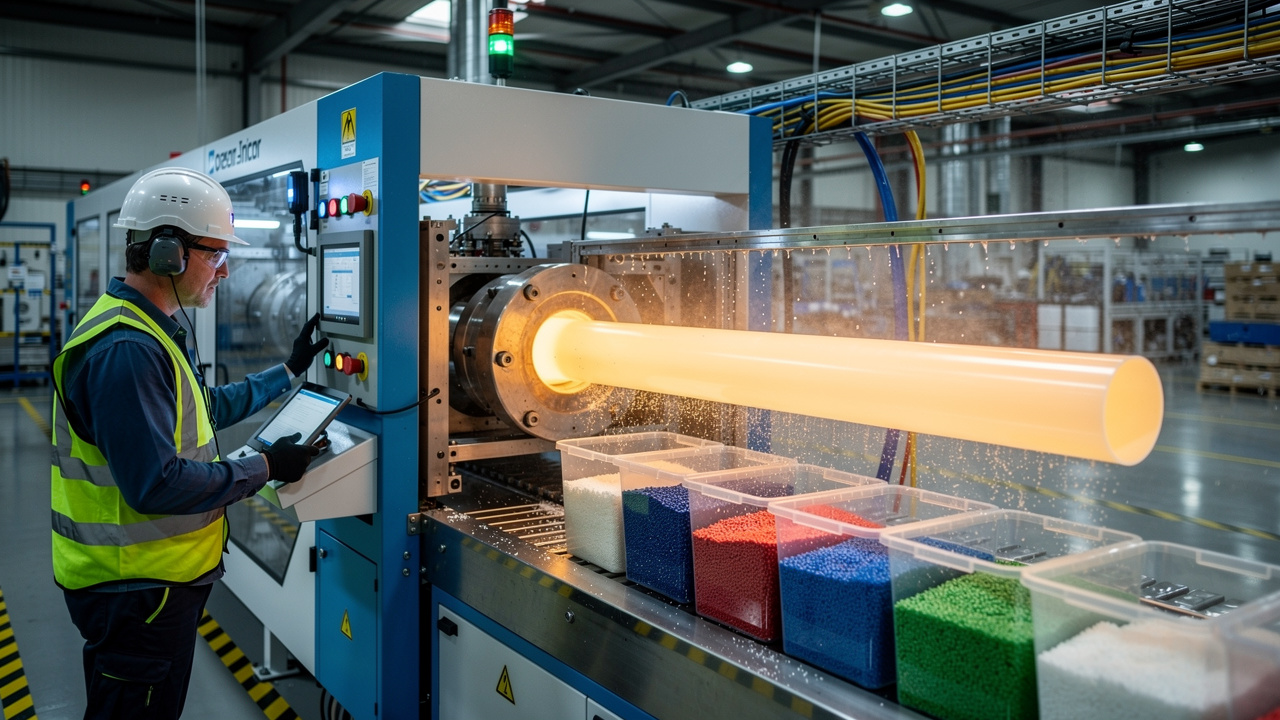
Plastic shaping stands as a cornerstone of high-volume production, transforming raw thermoplastics into precision-engineered profiles that meet diverse industry needs. The plastic extrusion process begins with melting thermoplastic, which is then pushed through a die to create specific shapes such as pipes, tubes, and custom profiles. The plastic extrusion process is particularly valued for its versatility, enabling the production of items with consistent cross-sections, which is crucial in industries like agriculture, construction, and medical sectors.
As we look to 2026, the plastic manufacturing sector is poised for remarkable growth, fueled by innovations in materials and technology. New materials, including high-performance polymers and biodegradable options, are enhancing the functionality and sustainability of extruded products. The efficiency of the plastic extrusion process enables manufacturers to create large volumes with minimal waste, making it an ideal choice for meeting the varied needs of different applications.
Have you considered how plastic shaping impacts various industries? From agriculture with its irrigation pipes to the medical sector's need for reliable tubing, the applications are vast. The ability to tailor profiles ensures that specific requirements are met without the compromises often associated with ready-made solutions. As demonstrated by Lincoln Plastics' custom solutions and adaptable profile offerings, tailored manufacturing not only enhances performance but also boosts operational efficiency, addressing critical challenges faced by OEMs today. Quality control measures throughout the shaping stage further ensure that products meet the necessary standards for strength, durability, and appearance, reinforcing Lincoln Plastics' commitment to precision and quality assurance.
With Lincoln Plastics, you’re not just choosing a product; you’re investing in a solution that elevates your operational capabilities and meets the highest standards of quality.
Detail the Steps of the Plastic Extrusion Process
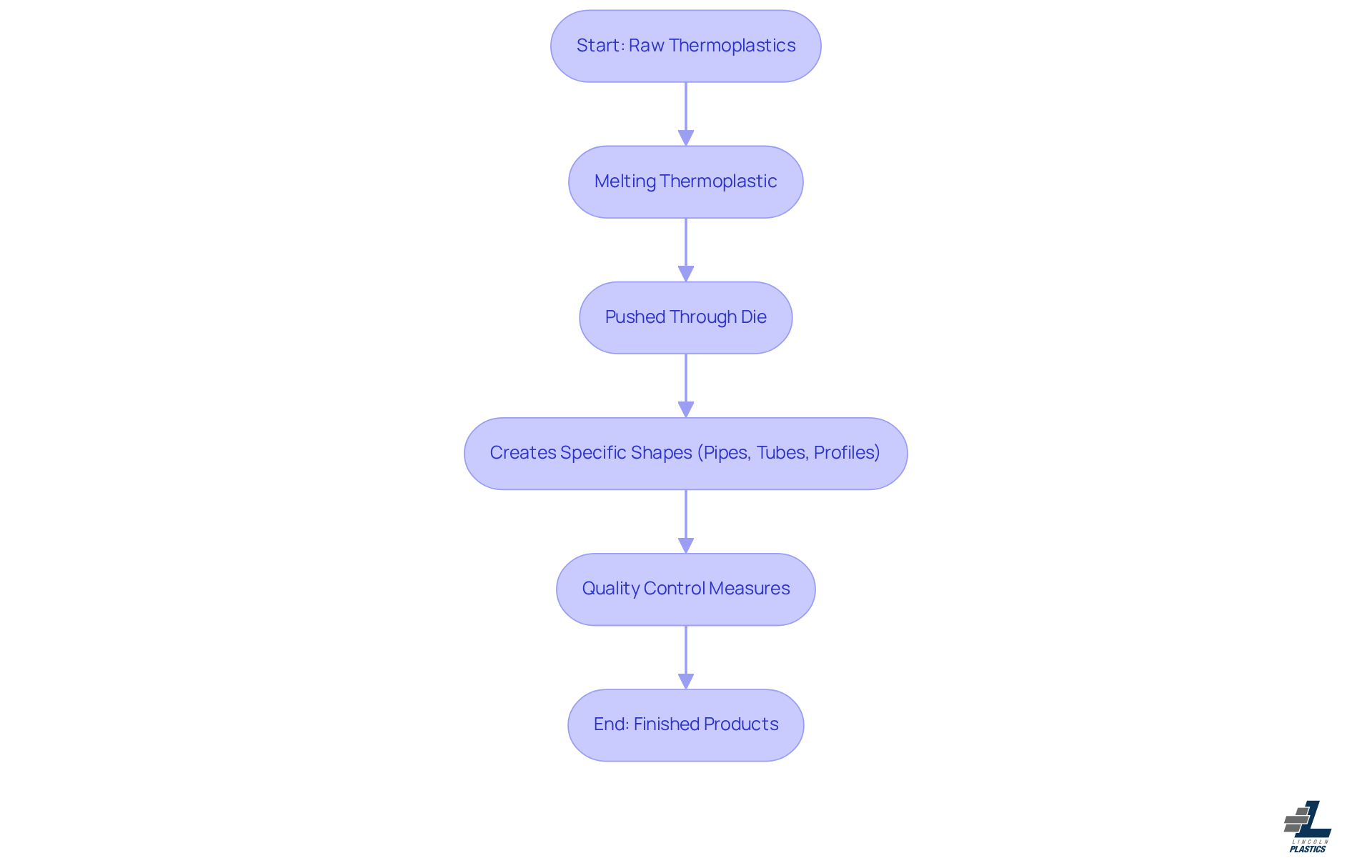
The plastic extrusion process is a meticulous journey that transforms raw materials into high-quality products, ensuring reliability and precision at every step:
- Preparation of Resources: The procedure starts with choosing raw plastic substances, usually in pellet or granule shape. Common thermoplastics used include PVC, polyethylene, and polypropylene, each selected for their specific properties suited to industrial applications. For instance, polyethylene is favored for its flexibility and moisture resistance, making it ideal for packaging. Thermoplastics like polyethylene and polypropylene are essential due to their excellent chemical resistance and flexibility, reinforcing their significance in producing uniform shapes such as pipes, sheets, and films.
- Feeding: The prepared components are then introduced into a hopper, which conveys them into the extruder barrel, setting the stage for the melting process.
- Melting: Inside the extruder, the plastic is heated to its melting point, transforming it into a viscous fluid through a combination of heat and mechanical shear generated by a rotating screw. Average melting temperatures for common thermoplastics vary, with polyethylene melting around 120-180°C and polypropylene at approximately 160-230°C, depending on the specific grade used.
- Shaping: The molten plastic is forced through a die, which shapes it into the desired profile. The die design is essential, as it determines the final dimensions and characteristics of the extruded item, ensuring precision in manufacturing. At Lincoln Plastics, we understand the importance of custom pipe and tube design, and we're here to guide you through it.
- Cooling: After exiting the die, the extruded material is cooled, typically using air or water, to solidify its shape. Effective cooling is crucial. It maintains item integrity and prevents defects like warping. What happens when temperature, speed, and pressure are not controlled? Managing quality and consistency in the plastic extrusion process can become quite challenging.
- Cutting and Finishing: Ultimately, the extruded item is trimmed to the desired length and may experience further finishing stages, such as surface treatment or coating, to improve its functionality and visual attractiveness. Lincoln Plastics provides a wide array of value-added services, including laser etching, fitting insertion, and specialized packaging, which can further optimize the final product for OEM applications. This systematic approach enables manufacturers like Lincoln Plastics to deliver tailored solutions efficiently, meeting diverse client needs while upholding high quality standards. By prioritizing quality control metrics like Cpk and Ppk, manufacturers can not only meet but exceed client expectations, paving the way for long-term success.
Explore Applications of Plastic Extrusion in Various Industries
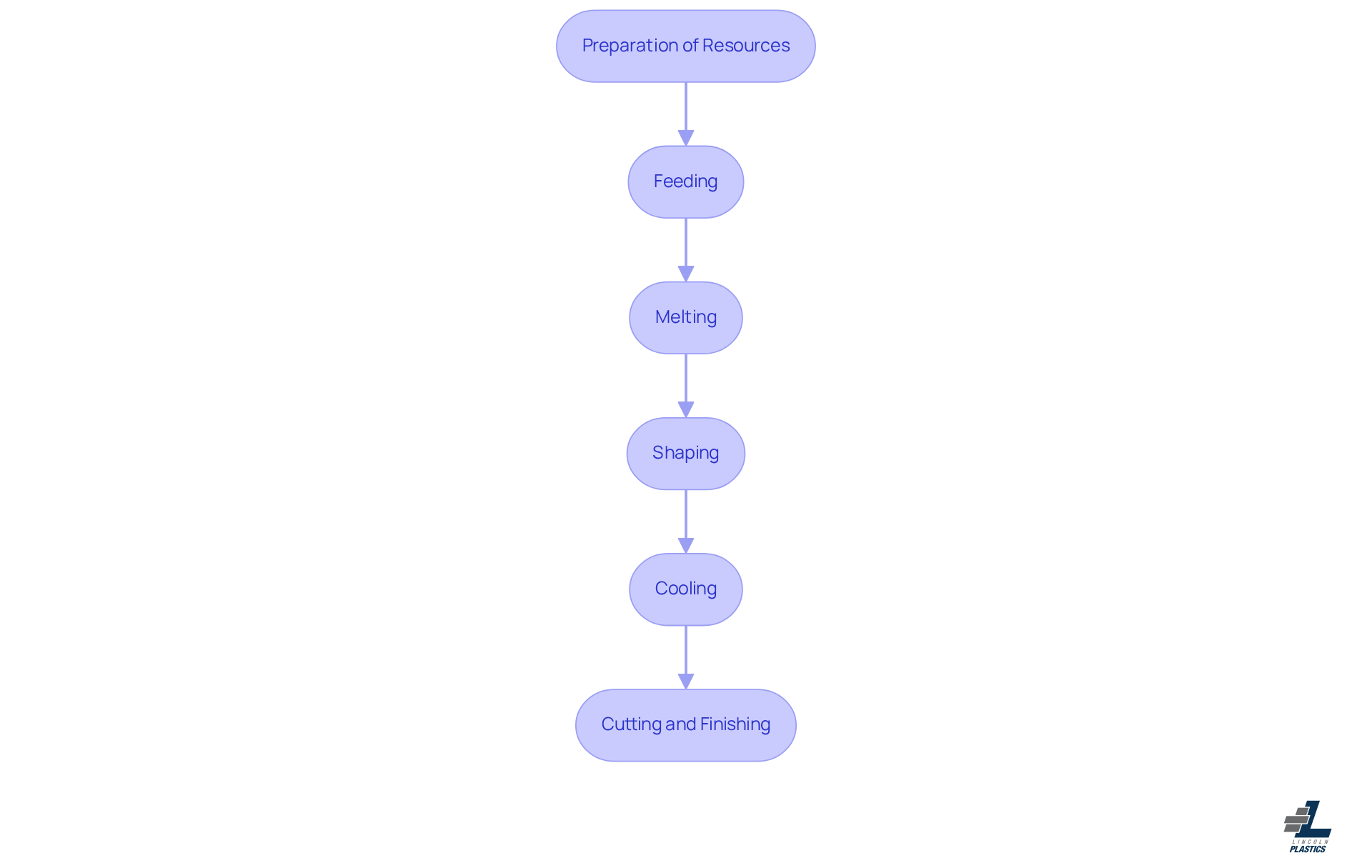
In a world where efficiency and adaptability are paramount, Lincoln Plastics stands at the forefront of the plastic extrusion process, delivering unparalleled solutions since 1948. Plastic forming is a versatile manufacturing method employed across various industries, recognized for its efficiency and adaptability. Key applications include:
- Agriculture: Extruded products like center pivot irrigation pipes are vital for effective water management in farming. Lincoln Plastics specializes in these components, ensuring they are durable and reliable, which is crucial for agricultural productivity.
- Construction: The construction sector widely utilizes shaping methods to create various building materials, such as window frames, door seals, and weather stripping. These extruded products enhance energy efficiency and contribute to the structural integrity of buildings. Furthermore, the construction sector represents almost 34% of the machinery market for shaping materials, driven by urbanization and infrastructure improvements.
- Cable Management: Extrusion is also critical in producing cord covers and raceways for electrical wiring. These profiles not only organize and protect cables but also enhance safety and aesthetics in both residential and commercial environments.
- OEM Machinery: Many industrial OEMs depend on custom extruded profiles for machinery components, ensuring their equipment operates efficiently and meets specific operational requirements. Lincoln Plastics offers customized solutions that meet these requirements, highlighting the adaptability of shaping processes in manufacturing.
These applications highlight the critical role of the plastic extrusion process in modern manufacturing. They showcase how Lincoln Plastics produces functional and innovative products that meet diverse industry needs. Without the precision and quality that Lincoln Plastics offers, industries risk compromising their operational efficiency and product integrity.
Evaluate the Advantages and Disadvantages of Plastic Extrusion
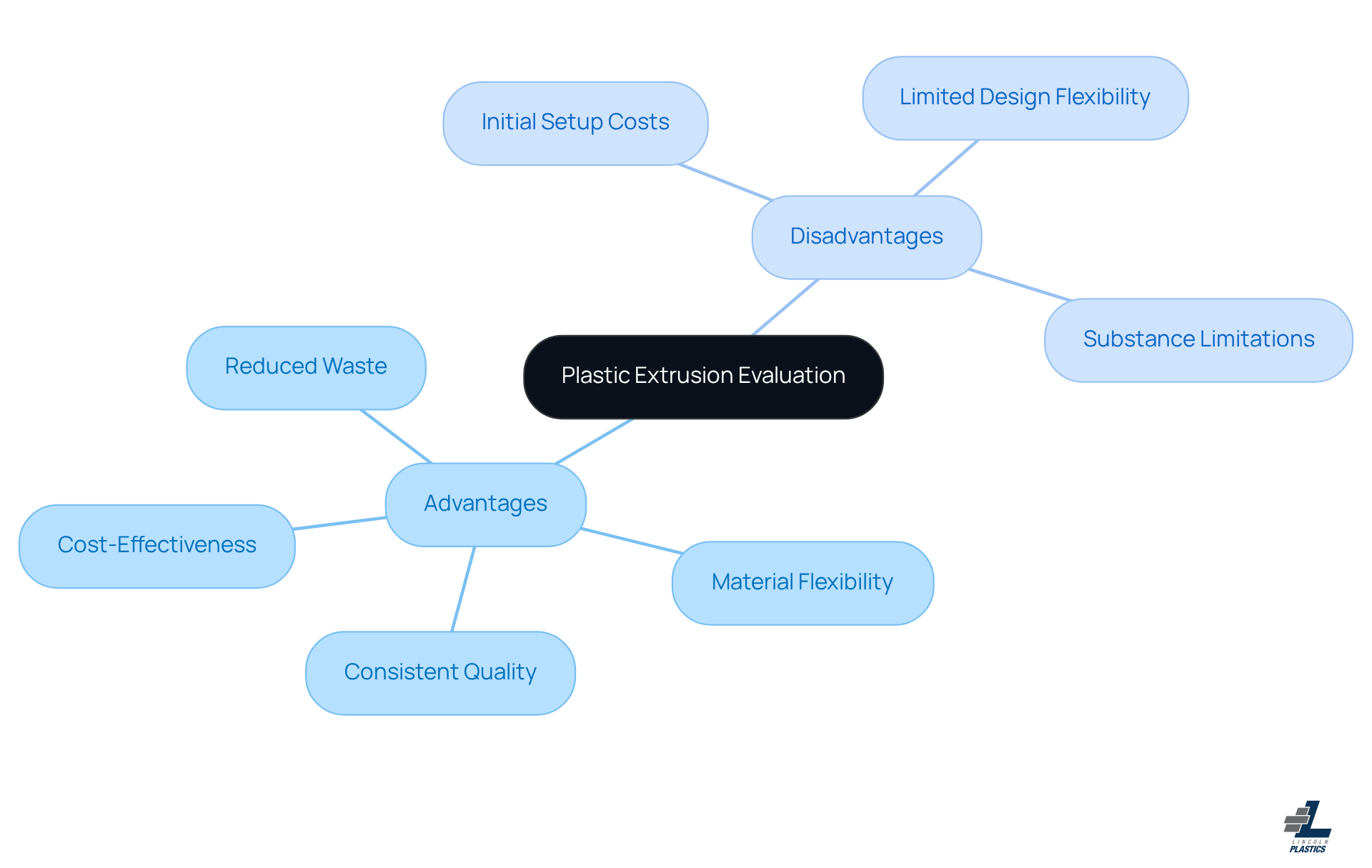
The plastic extrusion process stands out as a leading manufacturing method, offering unmatched advantages that can elevate production efficiency. Here are some key benefits:
- Cost-Effectiveness: The continuous nature of the extrusion process results in lower production costs compared to methods like injection molding, particularly beneficial for high-volume production runs. This efficiency can lead to substantial savings in labor and resource costs, enhancing overall profitability.
- Material Flexibility: A varied selection of thermoplastics can be employed in shaping, enabling manufacturers to choose substances that best fulfill their specifications. Commonly used materials include PVC, polyethylene, and polypropylene, each offering unique properties suitable for various applications. Lincoln Plastics can easily source colors that meet Pantone specifications, ensuring consistency across manufacturers.
- Consistent Quality: The plastic extrusion process generates uniform items with consistent cross-sectional shapes, which are essential for applications requiring precise tolerances. This consistency is critical in industries where product reliability is paramount. Lincoln Plastics employs multiple types of check gauges to ensure a proper end-use fit, and their robust quality system includes critical in-process checks and run documentation to meet OEM specifications.
- Reduced Waste: The plastic extrusion process minimizes material waste, allowing excess material to be reprocessed and reused, which contributes to more sustainable manufacturing practices.
However, there are also disadvantages to consider:
- Initial Setup Costs: Smaller manufacturers often find the initial setup costs a significant barrier to entry. High initial expenses can affect the practicality of shaping for low-volume production.
- Limited Design Flexibility: While extrusion excels at producing consistent profiles, it may not be suitable for complex shapes that require intricate details. This limitation can lead to missed opportunities for innovation in product design. Lincoln Plastics focuses on assisting established companies refine their designs for manufacturing, ensuring that items are customized to meet specific requirements.
- Substance Limitations: Not all plastics can be effectively extruded, and some substances may degrade at the high temperatures used in the process. This can restrict the variety of items that can be created using the shaping process. Lincoln Plastics is committed to discussing project requirements and offering material suggestions based on product usage and environmental conditions.
By weighing these factors, manufacturers can make informed decisions that align with their production capabilities and market demands.
Conclusion
The plastic extrusion process is a cornerstone of modern manufacturing, transforming raw thermoplastics into tailored solutions for diverse industries. Understanding this process-from preparing materials to cutting and finishing-allows manufacturers to harness its efficiency and adaptability for specific operational needs and improved product performance.
Throughout this article, we’ve explored the various steps involved in plastic extrusion, including resource preparation, melting, shaping, and cooling. The benefits of this process, such as cost-effectiveness, material flexibility, and consistent quality, underscore its significance in sectors like agriculture, construction, and OEM machinery. Yet, smaller manufacturers often face challenges due to high initial setup costs and limited design flexibility, which can hinder innovative product development.
The plastic extrusion process goes beyond mere production; it’s a strategic manufacturing approach that can enhance operational efficiency and product integrity. Embracing these innovations is essential for staying competitive and maximizing the benefits of plastic extrusion. By focusing on innovation and quality, manufacturers can redefine their capabilities and thrive in an ever-evolving market.
Frequently Asked Questions
What is plastic extrusion?
Plastic extrusion is a manufacturing process that transforms raw thermoplastics into precision-engineered profiles by melting the material and pushing it through a die to create specific shapes such as pipes, tubes, and custom profiles.
Why is plastic extrusion valued in various industries?
Plastic extrusion is valued for its versatility and ability to produce items with consistent cross-sections, which is crucial for applications in industries such as agriculture, construction, and medical sectors.
What are the anticipated trends in the plastic manufacturing sector by 2026?
The plastic manufacturing sector is expected to experience significant growth by 2026, driven by innovations in materials and technology, including high-performance polymers and biodegradable options.
How does the plastic extrusion process contribute to sustainability?
The efficiency of the plastic extrusion process allows manufacturers to create large volumes of products with minimal waste, enhancing the functionality and sustainability of extruded products.
What industries benefit from plastic shaping?
Industries such as agriculture, with its irrigation pipes, and the medical sector, which requires reliable tubing, benefit significantly from plastic shaping due to its tailored manufacturing capabilities.
How does Lincoln Plastics ensure quality in their products?
Lincoln Plastics implements quality control measures throughout the shaping stage to ensure that products meet necessary standards for strength, durability, and appearance, reinforcing their commitment to precision and quality assurance.
What advantages does tailored manufacturing provide?
Tailored manufacturing allows for specific requirements to be met without the compromises associated with ready-made solutions, enhancing performance and boosting operational efficiency for OEMs.
List of Sources
- Define Plastic Extrusion: An Overview of the Process
- Custom Plastic Extrusion Blog | Plastics News | PBS Plastics (https://pbsplastics.com/news)
- Shaping the Future: Innovations in Plastic Extrusion Techniques - SeaGate Plastics Company (https://seagateplastics.com/shaping-the-future-innovations-in-plastic-extrusion-techniques)
- 10 Innovative Extrusion Plastic Products for OEM Needs (https://lincoln-plastics.com/news-post/10-innovative-extrusion-plastic-products-for-oem-needs)
- Detail the Steps of the Plastic Extrusion Process
- Plastics Extrusion: 4 Critical Statistics to Track for Increased Quality & Plant Profit (https://gaugeadvisor.com/2025/05/26/plastics-extrusion-4-critical-statistics-to-track-for-increased-quality-plant-profit)
- pri-plastics.com (https://pri-plastics.com/understanding-plastic-extrusion-a-comprehensive-guide)
- What Are High-Performance Polymers? (https://pexco.com/news-and-events/custom-plastic-extrusion-basics-benefits-and-future-explained)
- paulmurphyplastics.com (https://paulmurphyplastics.com/industry-news-blog/the-plastic-extrusion-process-explained-in-5-steps)
- Explore Applications of Plastic Extrusion in Various Industries
- fortunebusinessinsights.com (https://fortunebusinessinsights.com/extrusion-machinery-market-109569)
- linkedin.com (https://linkedin.com/pulse/north-america-plastic-extrusion-agriculture-market-042ae)
- Plastics Extruded Market Size to Worth USD 259.21 Billion by 2034 (https://finance.yahoo.com/news/plastics-extruded-market-size-worth-142300951.html)
- Evaluate the Advantages and Disadvantages of Plastic Extrusion
- Custom Plastic Extrusion Blog | Plastics News | PBS Plastics (https://pbsplastics.com/news)
- Plastics Extrusion: 4 Critical Statistics to Track for Increased Quality & Plant Profit (https://gaugeadvisor.com/2025/05/26/plastics-extrusion-4-critical-statistics-to-track-for-increased-quality-plant-profit)
- Plastic Extrusion Explained | Fictiv (https://fictiv.com/articles/plastic-extrusion-explained)
- lincoln-plastics.com (https://lincoln-plastics.com/news-post/10-ways-extrusion-technology-transforms-manufacturing-efficiency?dcc2137a_page=5)
- What Are High-Performance Polymers? (https://pexco.com/news-and-events/custom-plastic-extrusion-basics-benefits-and-future-explained)
Related posts

Why Custom Pipe Extrusion Matters More Than Ever
Standard pipe sizes don’t always work. Learn how Lincoln Plastics delivers custom diameters, wall thicknesses, and finishes in right-sized runs.


Reducing Trip Hazards with Custom Cord Management
Loose cords are more than messy — they’re a safety hazard. Lincoln Plastics’ custom cord covers and Flexiduct solutions improve safety and efficiency.
The Power of Custom Plastic Profiles for OEMs
Off-the-shelf profiles force compromises. Learn how Lincoln Plastics designs custom extruded profiles for OEMs with exact specs and right-sized runs.
