
Plastics vs. Sustainable Alternatives: Insights for the Industria Plastica
Introduction
The plastic industry faces a pivotal challenge: balancing rapid growth with pressing environmental concerns. As demand for versatile, cost-effective materials rises, scrutiny of plastics' ecological footprint increases. This exploration raises critical questions:
- Can eco-friendly alternatives match the performance and cost-effectiveness of traditional plastics?
- What implications do they hold for the future of manufacturing?
This analysis explores the balance between the benefits and challenges of plastics and sustainable materials, offering insights essential for industries aiming to thrive in a sustainable future.
Overview of the Plastic Industry: Key Characteristics and Practices
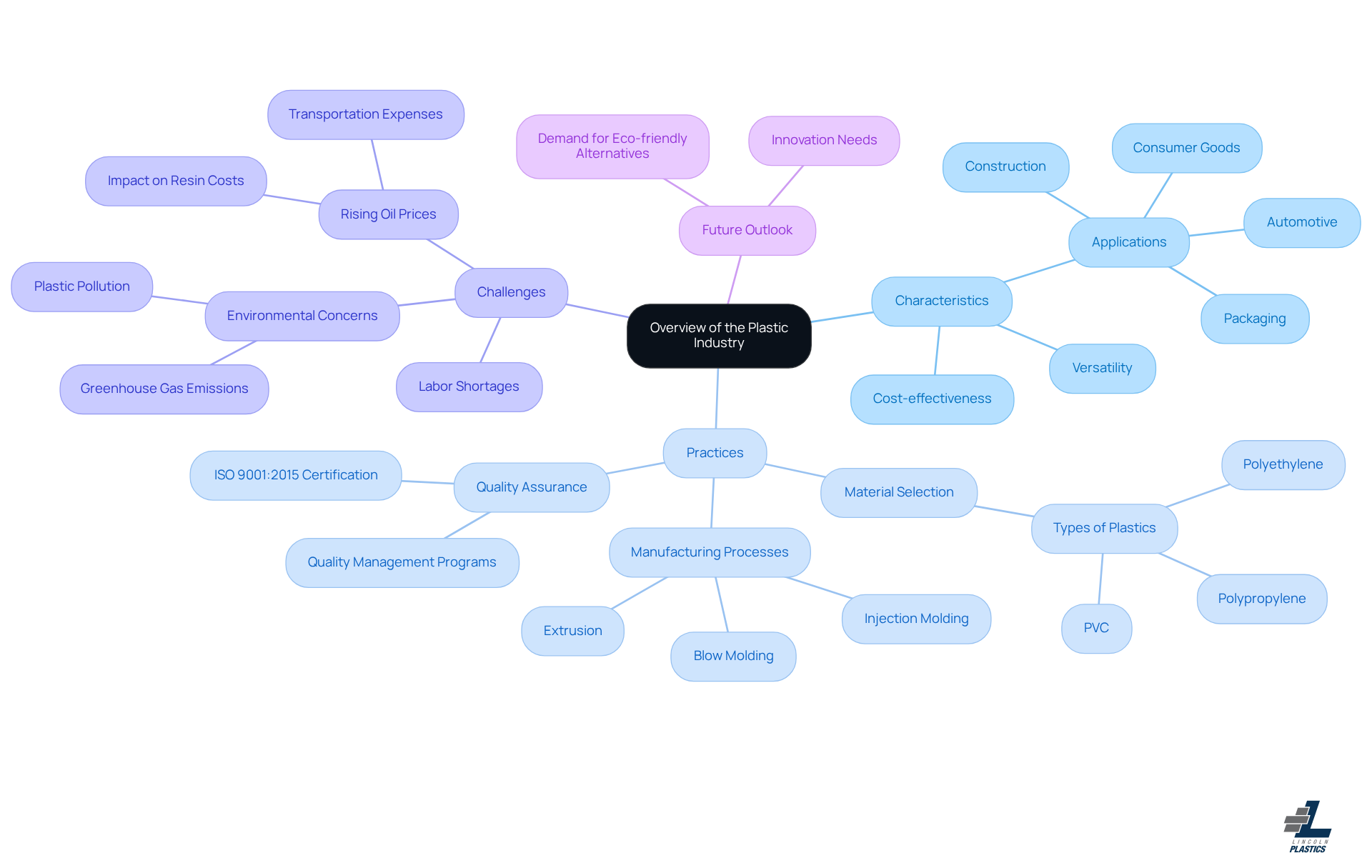
In 2026, the industria plastica faces a dual challenge of impressive growth and significant environmental concerns. The industria plastica is characterized by its versatility, cost-effectiveness, and wide-ranging applications across fields such as packaging, construction, automotive, and consumer goods. Plastics are lightweight, durable, and resistant to corrosion, making them suitable for a myriad of uses. Yet, the industria plastica's reliance on fossil fuels for raw materials presents serious environmental challenges, such as greenhouse gas emissions and plastic pollution. Key practices shaping the industry include:
- Material Selection: Plastics are classified into various types, including polyethylene, polypropylene, and PVC, each possessing distinct properties tailored for specific applications.
- Manufacturing Processes: Common techniques such as extrusion, injection molding, and blow molding are employed to produce synthetic products, each offering unique advantages in efficiency and scalability.
- Quality Assurance: Lincoln Plastics collaborates closely with OEMs to guarantee their products meet stringent quality standards, utilizing multiple types of check gauges to ensure a proper end-use fit. Their robust quality management program, certified to ISO 9001:2015, includes dedicated quality books with drawings, critical in-process checks, and run documentation, ensuring that rigid profiles meet specified critical dimensions. Additionally, Lincoln Plastics' strategic location in the Midwest enhances logistics and order turnaround, providing efficient service to OEMs across various industries.
Recycling and Waste Management in the industria plastica: Despite low recycling rates, initiatives are underway to enhance the circularity of synthetic products in the industria plastica, aiming to mitigate waste and reduce environmental impact.
In 2026, the automotive industry remains strong, with consistent sales of 16.5 million units each year, while medical polymers are seeing a revival in demand for new tools and products after COVID. The food and beverage packaging segment continues to thrive, demonstrating resilience amid inflationary pressures. However, the industry faces challenges, including rising oil prices that impact resin costs and transportation expenses, further complicating procurement and operational efficiency. Rising oil prices and labor shortages are complicating procurement and operational efficiency, creating a pressing need for innovative solutions.
As worldwide synthetic material production in the industria plastica keeps increasing, with an estimated 390 million tons created in 2021, the demand for eco-friendly alternatives becomes more pressing. The ongoing discussions for a global materials treaty emphasize the shared acknowledgment of the environmental dangers presented by production of these substances. This evolving context necessitates a closer examination of sustainable practices and innovations within the industria plastica, particularly as companies seek to balance operational needs with environmental responsibilities. Furthermore, labor shortages continue in the sector, with numerous firms recruiting despite stagnant or decreasing revenue forecasts, highlighting the necessity for efficiency enhancements and an emphasis on keeping top-performing staff. The industry's ability to innovate and adapt will determine its future viability in an increasingly eco-conscious market.
Exploring Sustainable Alternatives: Types and Benefits
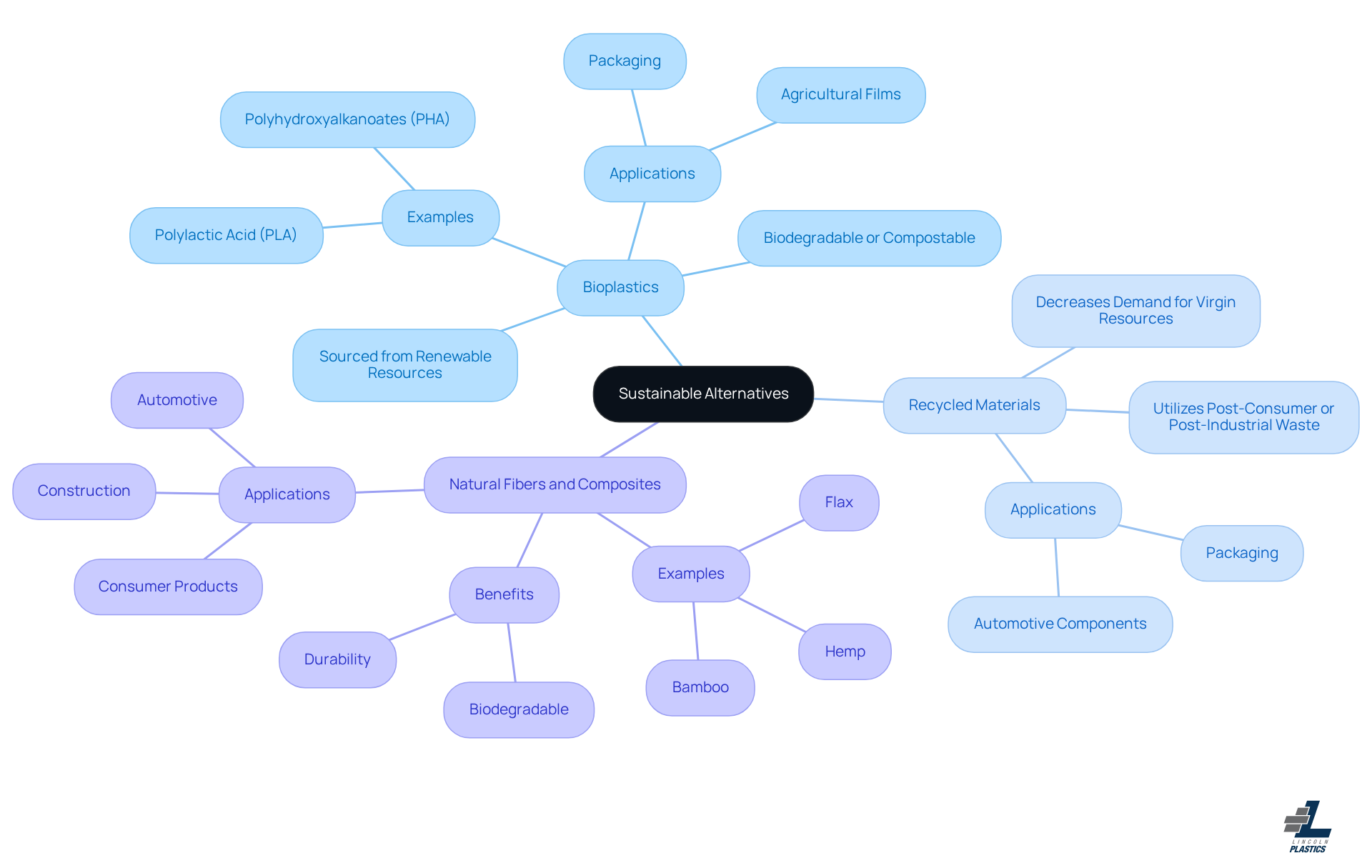
As industries face mounting pressure to reduce their environmental footprint, sustainable alternatives to conventional materials are no longer optional - they're essential. These materials can be categorized into three main types:
- Bioplastics: Sourced from renewable resources like corn starch or sugarcane, bioplastics can be biodegradable or compostable, significantly reducing carbon footprints compared to conventional plastics. Notable examples include polylactic acid (PLA) and polyhydroxyalkanoates (PHA), which are being adopted in various applications, including packaging and agricultural films.
- Recycled Materials: By utilizing post-consumer or post-industrial waste, recycled materials help decrease the demand for virgin resources and lower energy consumption during production. Their versatility allows them to be used in a wide range of applications, from packaging to automotive components, aligning with the growing emphasis on sustainability.
- Natural Fibers and Composites: Materials such as bamboo, hemp, and flax are increasingly being used to create composites that combine the benefits of natural fibers with the durability of plastics. These composites are often biodegradable and find applications in construction, automotive, and consumer products.
These sustainable alternatives offer a range of benefits:
- Reduced Environmental Impact: They contribute to lower greenhouse gas emissions and a decreased reliance on fossil fuels, addressing critical environmental concerns.
- Enhanced Brand Image: Companies that adopt eco-friendly materials can bolster their market position and attract environmentally conscious consumers, thereby improving their overall brand perception.
- Regulatory Compliance: With governments enforcing stricter regulations on plastic usage, eco-friendly alternatives enable companies to remain compliant and avoid potential penalties.
In conclusion, exploring eco-friendly alternatives is crucial for industries that want to lead in innovation and tackle environmental challenges head-on. As the bioplastics market continues to grow, driven by increasing consumer demand and regulatory pressures, companies that embrace these materials will likely find themselves at the forefront of the sustainability movement.
Comparative Analysis: Plastics vs. Sustainable Alternatives
When weighing the future of plastics, the choice between traditional and sustainable alternatives is more critical than ever. Several key factors must be considered:
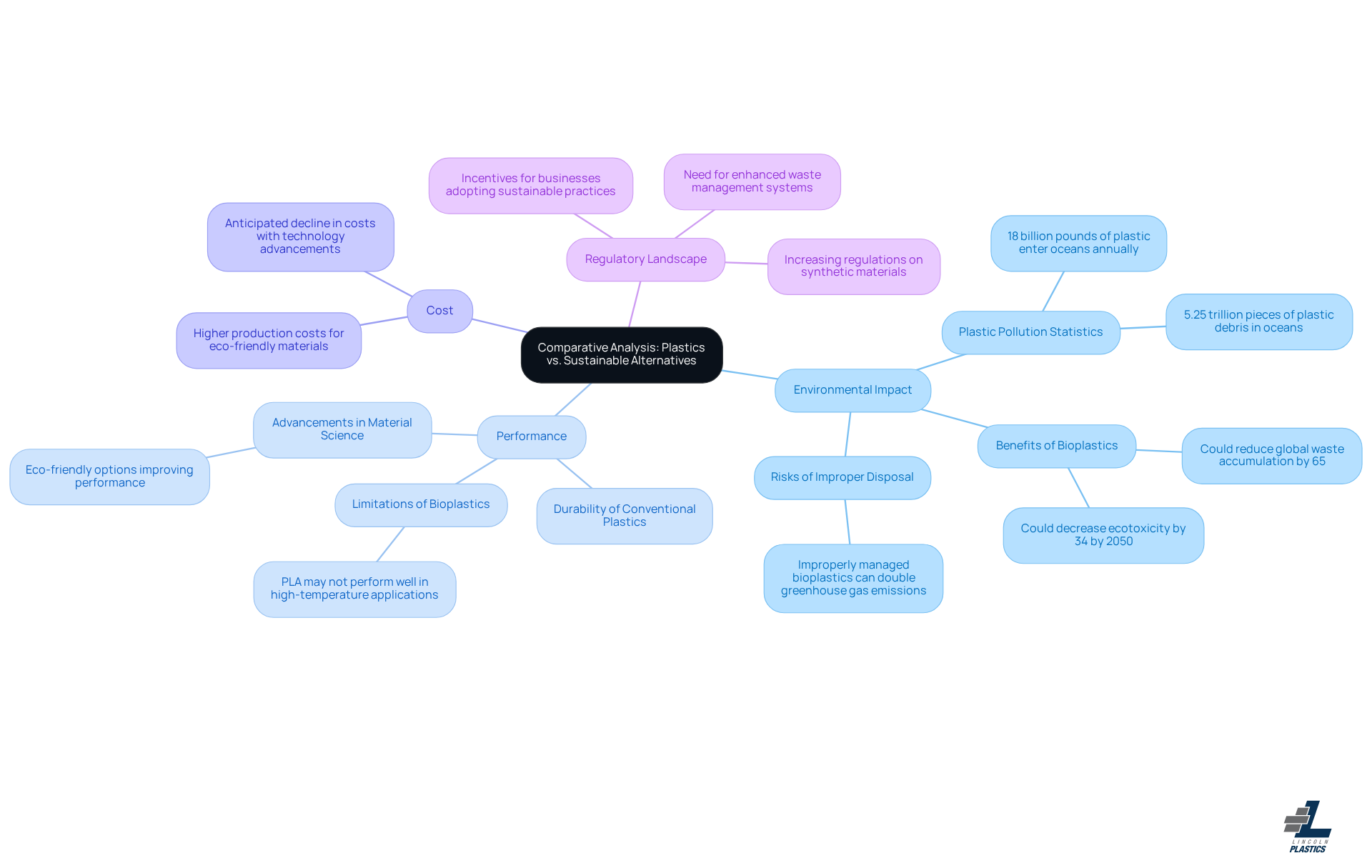
- Environmental Impact: Traditional plastics contribute significantly to pollution and greenhouse gas emissions, with approximately 18 billion pounds of plastic entering the ocean annually and an estimated 5.25 trillion pieces of plastic debris currently in the oceans. In contrast, sustainable alternatives, particularly bioplastics, can significantly lower environmental footprints. Research suggests that replacing traditional materials with biodegradable alternatives could decrease global waste accumulation by as much as 65% with optimal waste management. What happens when biodegradable materials are improperly disposed of? They can actually worsen greenhouse gas emissions, creating a paradox in sustainability. Furthermore, biodegradable materials could decrease ecotoxicity by as much as 34% by 2050 if handled appropriately.
- Performance: While conventional materials are acknowledged for their durability and versatility, some eco-friendly alternatives may not yet match these properties. For instance, polylactic acid (PLA) is biodegradable but may not perform as effectively in high-temperature applications compared to polypropylene. But the good news is that advancements in material science are making eco-friendly options perform better every day, making them more viable for various applications.
- Cost: The production expenses of eco-friendly materials can be greater than those of conventional polymers, primarily due to the sourcing of raw materials and processing methods. However, as technology progresses and demand for eco-friendly products rises, these costs are anticipated to decline, making green options more competitive in the market.
- Regulatory Landscape: Increasing regulations on synthetic material use are driving industries toward sustainable alternatives. Businesses that embrace these materials may gain from incentives and evade possible penalties linked to waste. As regulations tighten, businesses that adapt to sustainable practices will not only comply but also thrive in a changing market. The drive for enhanced waste management systems and uniform labeling schemes is crucial for maximizing the advantages of biodegradable materials and ensuring appropriate disposal.
Choosing sustainable alternatives isn't just a trend; it's a strategic move that aligns with future regulations and environmental responsibility.
Practical Considerations: Applications and Suitability for Industries
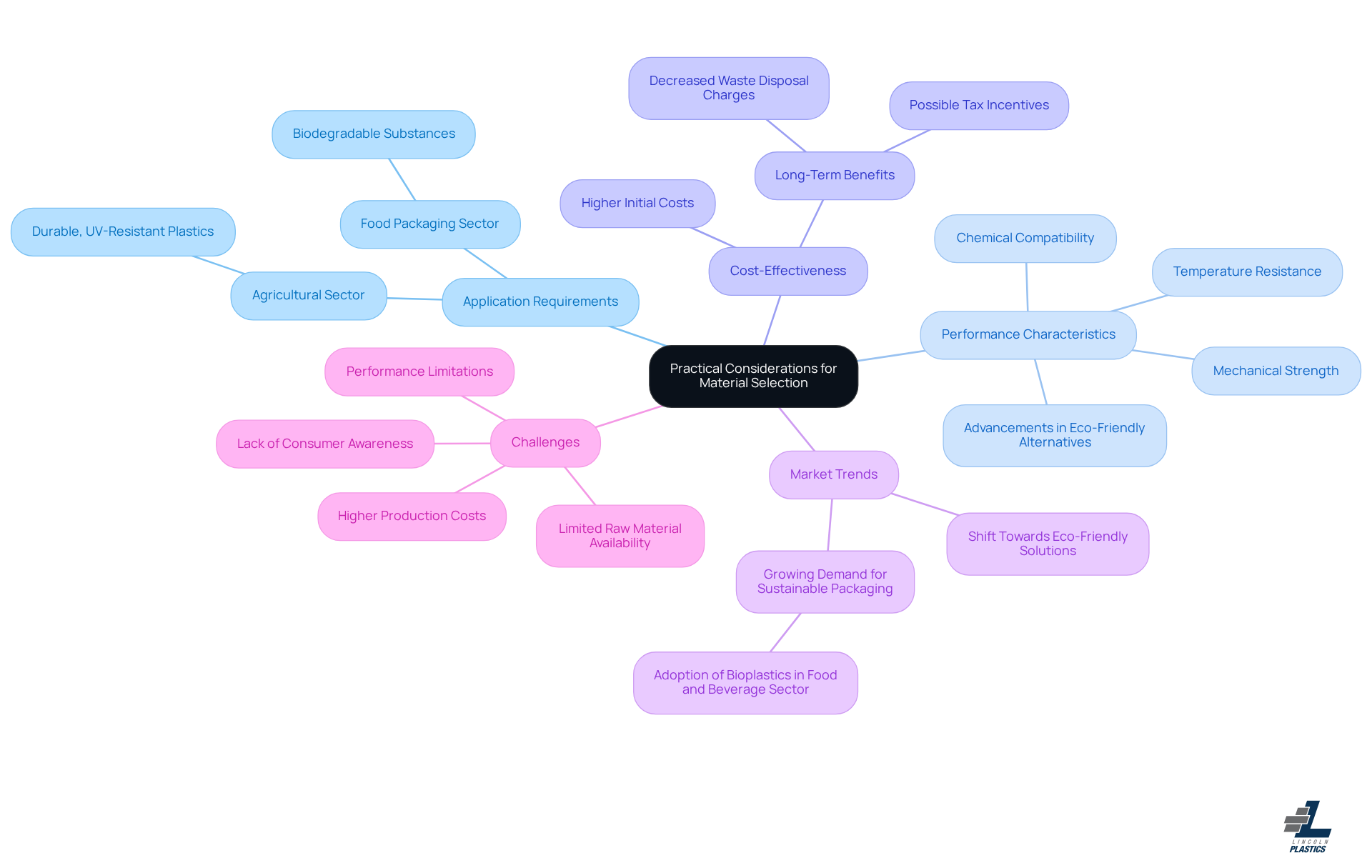
Selecting the right materials for industrial applications is not just a choice; it’s a strategic decision that can define a company’s success in a competitive landscape. Several practical considerations must be taken into account:
- Application Requirements: Different industries have unique needs based on the end-use of their products. For instance, the agricultural sector benefits from durable, UV-resistant plastics in irrigation systems, enhancing longevity and performance. In contrast, the food packaging sector prioritizes biodegradable substances to align with sustainability objectives and consumer preferences. The bioplastic packaging market is projected to grow significantly, with a forecasted market size of US$ 74.89 billion by 2034, growing from US$ 24.29 billion in 2025.
- Performance Characteristics: Key factors such as temperature resistance, chemical compatibility, and mechanical strength are critical in determining the appropriateness of the substance. While conventional plastics often excel in these areas, advancements in eco-friendly alternatives are rapidly enhancing their performance metrics, making them viable options for various applications. As Michael Bernhard Schick, PhD, observes, 'Once regarded primarily as niche products or sustainability symbols, bioplastics are progressively considered as technically feasible and regulatory compliant solutions for industrial application.'
- Cost-Effectiveness: Eco-friendly resources might come with higher initial costs. However, their long-term benefits-such as decreased waste disposal charges and possible tax incentives-can result in greater cost-effectiveness over time. This financial viewpoint is becoming more significant as sectors strive to balance budgets with sustainability initiatives.
- Market Trends: As consumer preferences shift towards eco-friendly solutions, industries are increasingly adopting environmentally friendly resources to meet market demands. Companies that proactively integrate these alternatives not only enhance their environmental footprint but also position themselves competitively in a market that values sustainability. The growing demand for sustainable packaging is illustrated by the increasing adoption of bioplastics in the food and beverage sector, driven by consumer preference for eco-friendly products.
- Challenges: Despite the promising growth of bioplastics, industries face significant hurdles that can impede progress. Tackling these challenges is essential for a balanced conversation on resource selection. Failure to address these issues may hinder the adoption of sustainable materials, impacting both the environment and market competitiveness.
It’s crucial for industries to grasp these practical considerations if they want to balance performance, cost, and sustainability in their operations, particularly in sectors like agriculture and food packaging where the impact of material choices is significant.
Conclusion
The debate between traditional plastics and sustainable alternatives is not just a discussion; it’s a critical turning point for the future of the plastic industry. As industries grapple with environmental responsibilities, are you struggling to meet environmental standards while maintaining product quality? The shift towards eco-friendly materials is not merely a trend; it’s a necessity. Embracing sustainable alternatives can significantly reduce environmental impacts while aligning with regulatory demands and consumer preferences.
Key insights from the comparative analysis highlight the environmental benefits of sustainable materials, such as bioplastics and recycled resources, which can lower greenhouse gas emissions and enhance brand image. While traditional plastics offer durability and versatility, advancements in material science are rapidly improving the performance of eco-friendly options, making them increasingly viable for various applications. Additionally, the economic landscape is shifting, with the potential for cost reductions in sustainable materials as technology evolves and demand increases.
Ultimately, failing to adapt could mean losing market relevance and consumer trust. Companies should think about what they need for their applications and how they perform in the market when selecting materials. By prioritizing sustainability, businesses not only contribute to environmental preservation but also position themselves competitively in a landscape that increasingly values eco-friendly practices. Engaging with experts, such as those at Lincoln Plastics, can provide tailored solutions that meet both operational needs and sustainability goals, ensuring a successful path forward in the evolving plastic industry. By embracing sustainable practices, companies can secure their future in a market that increasingly demands responsibility and innovation.
Frequently Asked Questions
What are the key characteristics of the plastic industry in 2026?
The plastic industry in 2026 is characterized by impressive growth and significant environmental concerns. It is known for its versatility, cost-effectiveness, and wide-ranging applications across packaging, construction, automotive, and consumer goods. Plastics are lightweight, durable, and resistant to corrosion, making them suitable for various uses.
What environmental challenges does the plastic industry face?
The plastic industry faces serious environmental challenges due to its reliance on fossil fuels for raw materials, which leads to greenhouse gas emissions and plastic pollution.
What are the main types of plastics used in the industry?
Plastics are classified into various types, including polyethylene, polypropylene, and PVC, each with distinct properties tailored for specific applications.
What manufacturing processes are commonly used in the plastic industry?
Common manufacturing processes in the plastic industry include extrusion, injection molding, and blow molding, each offering unique advantages in efficiency and scalability.
How does Lincoln Plastics ensure product quality?
Lincoln Plastics collaborates closely with OEMs to guarantee that products meet stringent quality standards. Their robust quality management program, certified to ISO 9001:2015, includes dedicated quality books, critical in-process checks, and run documentation to ensure that rigid profiles meet specified critical dimensions.
What advantages does Lincoln Plastics' location provide?
Lincoln Plastics' strategic location in the Midwest enhances logistics and order turnaround, allowing for efficient service to OEMs across various industries.
What initiatives are being taken to improve recycling and waste management in the plastic industry?
Despite low recycling rates, initiatives are underway to enhance the circularity of synthetic products in the plastic industry, aiming to mitigate waste and reduce environmental impact.
How is the automotive industry performing in relation to the plastic industry?
The automotive industry remains strong in 2026, with consistent sales of 16.5 million units each year, contributing to the demand for plastics.
What challenges does the plastic industry face regarding costs and labor?
The industry faces challenges such as rising oil prices impacting resin costs and transportation expenses, as well as labor shortages complicating procurement and operational efficiency.
What is the future outlook for the plastic industry?
The industry's ability to innovate and adapt will determine its future viability in an increasingly eco-conscious market, especially as discussions for a global materials treaty highlight the environmental dangers of plastic production.
List of Sources
- Overview of the Plastic Industry: Key Characteristics and Practices
- Plastics Industry Faces Cost and Policy Pressures (https://plasticstoday.com/industry-trends/plastics-industry-faces-mounting-challenges-in-2026)
- Oil, plastics and climate: Why higher prices could speed a materials transition (https://news.un.org/en/story/2026/05/1167463)
- From Fossil Fuels to Plastic Addiction: Unveiling the Hidden Link Impacting Our World | Earth Day (https://earthday.org/from-fossil-fuels-to-plastic-addiction-unveiling-the-hidden-link-impacting-our-world)
- 2026 Forecast for U.S. Plastics Procurement - Sterling Plastics (https://sterlingplasticsinc.com/insights/2026-forecast-for-plastics-procurement)
- Hidden Fossil Fuels: Plastic Production Drives Climate Change (https://nrdc.org/bio/renee-sharp/hidden-fossil-fuels-plastic-production-drives-climate-change)
- Exploring Sustainable Alternatives: Types and Benefits
- Bioplastics NEWS | Bioplastics News (https://bioplasticsnews.com)
- Using More Recycled Plastic is the Best Strategy to Reduce Global Plastic Waste and the Production of More New Plastic - Association of Plastic Recyclers (APR) (https://plasticsrecycling.org/resources/using-more-recycled-plastic-is-the-best-strategy-to-reduce-global-plastic-waste-and-the-production-of-more-new-plastic)
- Recycled plastics industry gets unexpected boost from Iran War (https://latimes.com/environment/story/2026-05-01/recycled-plastic-increases-iran-war)
- Daily News - bioplastics MAGAZINE (https://bioplasticsmagazine.com/en/news)
- BIR spring convention 2026: The push to recognize recycled plastic and rubber as strategic raw materials (https://recyclingtoday.com/news/bir-spring-convention-2026-the-push-to-recognize-recycled-plastic-and-rubber-as-strategic-raw-materials)
- Comparative Analysis: Plastics vs. Sustainable Alternatives
- The Environmental Trade-offs of Biodegradable Plastics (https://environment.yale.edu/news/article/environmental-trade-offs-biodegradable-plastics)
- Comparison Between Plastic and Bioplastic Products in Our Waterways (https://kanekagreenplanet.com/difference-normal-plastic-and-biodegradable-plastic-bioplastic)
- New research finds that certain packaging materials can show 70% lower emissions than alternatives (https://msutoday.msu.edu/news/2025/02/new-research-certain-packaging-materials-can-show-70-percent-lower-emissions-than-alternatives)
- Bad News - Bioplastics Are NOT A Solution To Plastic Pollution — Beyond Plastics - Working To End Single-Use Plastic Pollution (https://beyondplastics.org/fact-sheets/bad-news-about-bioplastics)
- Practical Considerations: Applications and Suitability for Industries
- Bioplastic Market Set for Robust Expansion from 2026 to 2033, Driven by Strict Single-Use Plastic Bans and Rising Demand for Sustainable Packaging Solutions | BASF SE, TotalEnergies Corbion, Braskem S.A. (https://openpr.com/news/4590165/bioplastic-market-set-for-robust-expansion-from-2026-to-2033)
- Driving sustainable farming: new guidance for CAP 2028–2034 (https://agriculture.ec.europa.eu/media/news/driving-sustainable-farming-new-guidance-cap-2028-2034-2026-04-28_en)
- Bioplastics Gain Ground in Packaging and Medical (https://plasticstoday.com/medical/the-future-of-bioplastics-innovation-and-market-trends)
Related posts

Discover best practices for sourcing extruders plastic to enhance production efficiency and quality.


Discover the strongest plastic materials: Acetal, Nylon, and Polycarbonate, and their applications.
Discover best practices for effectively using 6 clear PVC pipe in various applications.
