
Maximize Efficiency with Your Plastics Extruder: Key Practices
Introduction
Maximizing efficiency in plastics extrusion isn’t just about keeping up with production; it’s really about fine-tuning every little detail to get the best results. Think about it: when you understand the ins and outs of the extrusion process and apply some solid practices, you can seriously boost product quality and cut down on costs.
But here’s the kicker - there are so many factors to consider, from picking the right materials to adjusting process parameters. So, how do you make sure everything works together smoothly to ramp up efficiency? You might be wondering where to start, and that’s exactly what we’re here to explore!
Understand the Plastic Extrusion Process
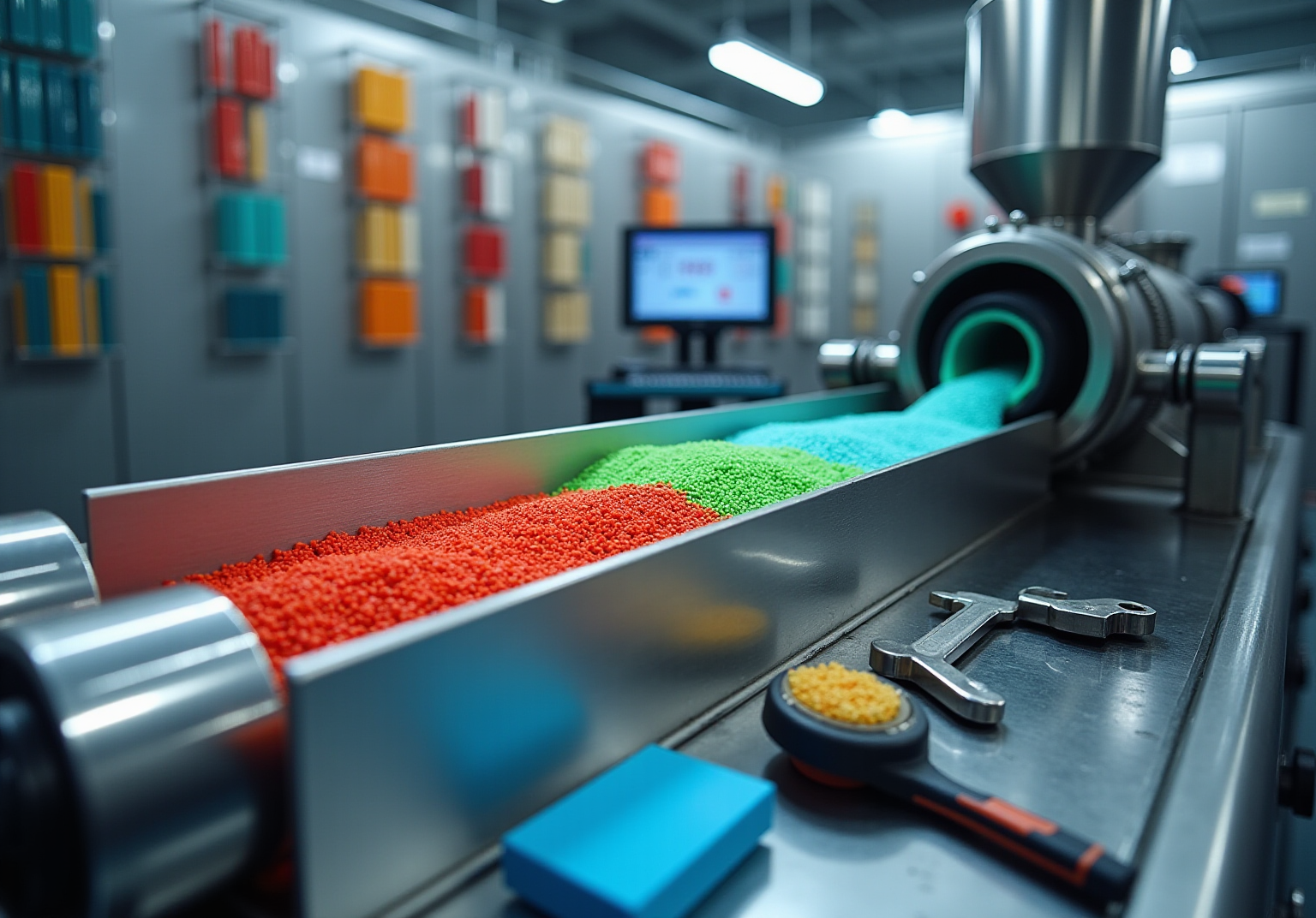
Let’s dive into the method! It’s made up of a few key phases: feeding, melting, shaping, and cooling. First off, raw plastic materials, usually in pellet form, are fed into the plastics extruder. The plastics extruder’s screw moves these pellets through a heated barrel, where they melt and mix together. After that, the material is pushed through a die to form a continuous profile, which then cools and solidifies.
Now, to really make this process shine, there are a few things to keep in mind:
- Temperature Monitoring: Keeping a close eye on temperature settings during the melting and shaping stages is super important. If the temperatures aren’t consistent, you might end up with issues like warping or uneven thickness, which can really mess with production quality.
- Substance Flow Consistency: It’s crucial to ensure a steady flow into the extruder. If the feeding varies, it can lead to fluctuations in output and increase waste.
- Smart Technology: Ever thought about using IoT sensors and smart controls? They provide immediate feedback on performance, allowing for quick adjustments to keep everything running smoothly. This proactive approach can enhance efficiency and cut down on downtime.
- Material Choice: Opting for materials with consistent properties can help reduce production errors and improve overall effectiveness. Partnering with reliable suppliers ensures that the materials meet the necessary specifications for their intended use.
By focusing on these optimization techniques, manufacturers can really ramp up the productivity of their plastics extruder processes. This leads to better quality and lower operational costs. For instance, businesses that have embraced these practices have seen significant drops in waste and defects. It’s clear that enhancing the production process has some solid benefits!
Select Appropriate Materials for Extrusion
is super important if you want to boost production efficiency and ensure top-notch product quality. At Lincoln Plastics, we’re all about crafting products using a variety of materials like PVC, polyethylene, and polypropylene.
- PVC is great for its rigidity and chemical resistance, making it a go-to for construction applications.
- On the flip side, polyethylene brings flexibility to the table, especially in cable protection systems.
- And let’s not forget polypropylene and its lightweight nature, perfect for all sorts of applications.
Each of these materials has its own unique mechanical properties that make it suitable for specific uses. For instance, outdoor components need durability, while agricultural irrigation systems require flexibility to handle different temperatures. So, when you’re selecting materials, it’s crucial to consider the application, the mechanical properties required, and how effectively they’ll work with the plastics extruder.
Now, here’s something interesting: there’s a growing trend towards using recycled materials. Not only do they meet environmental regulations, but they also help make production methods more sustainable. Collaborating with resin vendors can provide valuable insights into performance, ensuring that the materials you choose meet the specific needs of your application. By understanding these material options and their uses, manufacturers can refine their shaping techniques and achieve better operational results, all while leveraging Lincoln Plastics' expertise in material selection and processing.

Optimize Extruder Design and Maintenance
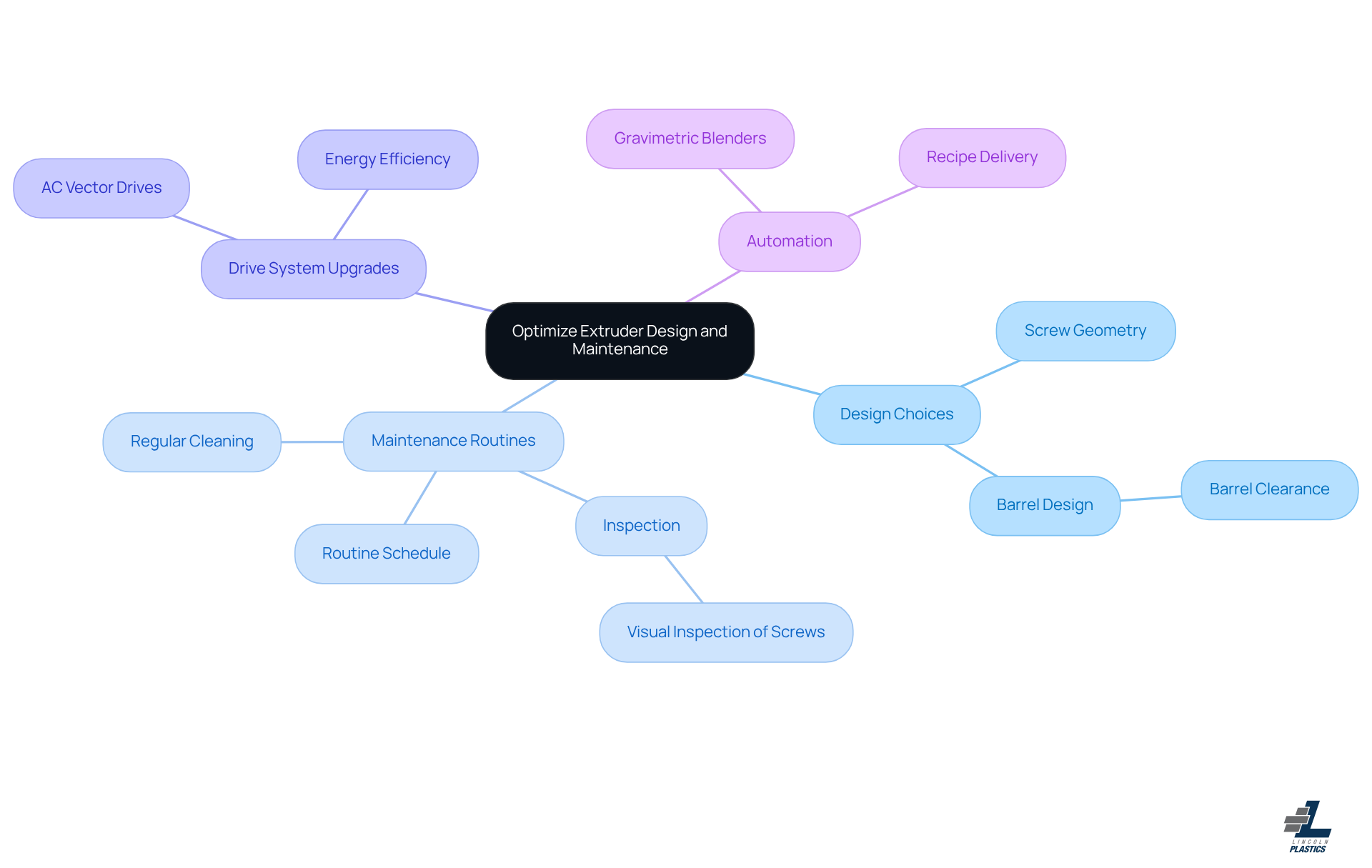
When it comes to getting the most out of your plastics extruder, focusing on both design and maintenance is key. Think about it: choosing the right materials for your specific material - whether it’s PVC, polyethylene, or polypropylene - can make all the difference in performance. Plus, keeping up with maintenance tasks, like cleaning and inspecting the screw and barrel, is crucial. You want to ensure those screw flights have squared edges and that the gap is just right - around 0.001” to 0.0015” per side per inch in diameter. This helps prevent wear and keeps your output consistent. And hey, setting up a routine maintenance schedule can help catch potential issues before they turn into problems. Studies show that investing in these practices can save you on labor costs, time, and product waste, which means fewer operational hiccups.
Now, let’s talk about upgrading your equipment. Switching to modern AC vector drives can really cut down on energy consumption. Maria Vargas points out that moving from outdated DC motors to these newer systems can make a significant difference. And don’t forget about automation! Integrating automation into your shaping process not only streamlines operations but also improves accuracy in managing materials. For instance, using automated systems ensures you get precise recipe delivery, which minimizes resin waste and boosts production effectiveness.
By prioritizing these practices, you can really enhance the longevity and performance of your plastics extruder. In the end, this leads to increased profitability. So, why not take a closer look at your current setup and see where you can make improvements?
Adjust Process Parameters for Enhanced Efficiency
You know, enhancing process parameters is super important for getting the most out of your output efficiency. Think about it: key factors like temperature, pressure, and feed rate really make a difference. For instance, keeping the right temperature is crucial for melting materials like PVC and polyethylene evenly - these are pretty common in industrial settings. Did you know that the die can significantly affect performance? Plus, there’s an extra 15-25 Wh/kg that the die consumes.
Now, let’s talk about flow rate. Adjusting it can really boost flow rates and cut down on energy use. Research shows that drive energy accounts for about 65% of overall energy consumption. That breaks down to:
- 65% for the drive
- 10% for heating
- 25% for mixers, pumps, and coolers
Regularly checking and tweaking these parameters based on real-time production data can help you spot trends and find areas to improve.
Sophisticated monitoring systems, like in-line thickness gauges and gravimetric blenders, provide valuable insights into how things are running. This allows manufacturers to make smart adjustments that can really ramp up productivity. For example, using gravimetric technology can cut dry blend variability by 1-2%, and you could see a payback time of less than a year - talk about saving on energy costs!
And don’t forget about the link between speed and output performance. If you go too fast, you might end up with misshapen products and air bubbles. On the flip side, going too slow can really slow down productivity. Consistency is also key for keeping things consistent in the process.
By investing in careful control of these parameters, such as employing a cooling system with at the die, manufacturers can see big improvements in product quality and operational efficiency. In the end, this leads to cost savings and a more sustainable production process.
Conclusion
Maximizing efficiency in plastics extrusion is all about understanding and optimizing each phase of the process-from picking the right materials to fine-tuning operational parameters. By embracing some solid practices like keeping a close eye on temperature, ensuring a steady material flow, and monitoring things in real-time, manufacturers can really boost product quality and cut down on waste. These strategies not only make the extruder work better but also help lower operational costs and ramp up profitability.
Now, let’s talk about some key insights. Choosing the right materials-like PVC, polyethylene, and polypropylene-based on their unique properties and intended uses is crucial. Plus, optimizing extruder design and maintenance can keep equipment running at its best. Regular tweaks to process parameters, such as screw speed and temperature, can lead to impressive gains in output and energy savings. This ultimately helps create a more sustainable production environment.
Incorporating these practices into the plastics extrusion process isn’t just about being efficient; it’s a smart move for long-term success in the industry. Manufacturers should take a good look at their current operations and consider these innovations to stay competitive and responsive to market demands. By focusing on efficiency and quality, businesses can set the stage for future advancements in plastics production.
Frequently Asked Questions
What is the plastic extrusion process?
The plastic extrusion process involves several key phases: feeding, melting, shaping, and cooling. Raw plastic materials, typically in pellet form, are fed into a plastics extruder where they are melted and mixed before being pushed through a die to form a continuous profile that cools and solidifies.
What are the main phases of the plastic extrusion process?
The main phases of the plastic extrusion process are feeding the raw materials, melting them in a heated barrel, shaping the molten plastic through a die, and finally cooling and solidifying the product.
Why is temperature control important in the extrusion process?
Temperature control is crucial during the melting and shaping stages because inconsistent temperatures can lead to issues like warping or uneven thickness, which negatively affect product quality.
How does substance flow consistency impact the extrusion process?
Ensuring a steady and uniform flow of materials into the extruder is vital; variations in feeding can result in fluctuations in product quality and increased waste.
What role does real-time monitoring play in the extrusion process?
Real-time monitoring, using IoT sensors and smart controls, provides immediate feedback on production metrics, allowing for quick adjustments that enhance productivity and reduce downtime.
What types of materials are recommended for the extrusion process?
High-quality materials such as PVC, polyethylene, and polypropylene with consistent properties are recommended to help reduce production errors and improve overall effectiveness.
How can manufacturers optimize the plastic extrusion process?
Manufacturers can optimize the process by focusing on temperature control, maintaining substance flow consistency, implementing real-time monitoring, and choosing high-quality materials from reliable suppliers.
What benefits can be gained from optimizing the plastic extrusion process?
Optimizing the plastic extrusion process can lead to improved product quality, lower operational costs, and significant reductions in waste and defects, especially for businesses that adopt advanced temperature control systems and real-time monitoring.
List of Sources
- Understand the Plastic Extrusion Process
- earth.org (https://earth.org/plastic-pollution-quotes)
- cognitivemarketresearch.com (https://cognitivemarketresearch.com/plastics-extrusion-market-report)
- Emerging Trends Shaping Plastic Extruders in 2026 (https://audop.com/c/emerging-trends-shaping-plastic-extruders-in-2026.htm)
- Plastics Extrusion: 4 Critical Statistics to Track for Increased Quality & Plant Profit (https://gaugeadvisor.com/2025/05/26/plastics-extrusion-4-critical-statistics-to-track-for-increased-quality-plant-profit)
- News - 5 Ways to Improve Efficiency in Plastic Extrusion Lines (https://faygounion.com/news/5-ways-to-improve-efficiency-in-plastic-extrusion-lines)
- Select Appropriate Materials for Extrusion
- A Guide to Material Selection for Extrusion | Inplex LLC (https://inplexllc.com/blog/a-guide-to-material-selection-for-extrusion)
- Emerging Trends Shaping Plastic Extruders in 2026 (https://audop.com/c/emerging-trends-shaping-plastic-extruders-in-2026.htm)
- Plastics Extrusion: 4 Critical Statistics to Track for Increased Quality & Plant Profit (https://gaugeadvisor.com/2025/05/26/plastics-extrusion-4-critical-statistics-to-track-for-increased-quality-plant-profit)
- Choosing the Right Materials for Plastic Extrusion - Rocal Extrusions (https://rocalextrusions.co.uk/news/choosing-the-right-materials-for-plastic-extrusion)
- fortunebusinessinsights.com (https://fortunebusinessinsights.com/extrusion-machinery-market-109569)
- Optimize Extruder Design and Maintenance
- Plastics Extrusion: 4 Critical Statistics to Track for Increased Quality & Plant Profit (https://gaugeadvisor.com/2025/05/26/plastics-extrusion-4-critical-statistics-to-track-for-increased-quality-plant-profit)
- grahamengineering.com (https://grahamengineering.com/about/ge-connect/proper-extruder-maintenance-a-key-to-success)
- plasticsengineering.org (https://plasticsengineering.org/2025/04/enhancing-energy-efficiency-in-polymer-extrusion-008684)
- Adjust Process Parameters for Enhanced Efficiency
- Plastics Extrusion: 4 Critical Statistics to Track for Increased Quality & Plant Profit (https://gaugeadvisor.com/2025/05/26/plastics-extrusion-4-critical-statistics-to-track-for-increased-quality-plant-profit)
- rollepaal.com (https://rollepaal.com/knowledge/specific-energy-consumption-in-pipe-extrusion)
- bausano.com (https://bausano.com/en/press-and-news/the-most-important-extrusion-parameters-to-monitor)
- sciencedirect.com (https://sciencedirect.com/science/article/abs/pii/S1364032121005062)
- scirp.org (https://scirp.org/journal/paperinformation?paperid=127896)
Related posts

Discover the key benefits of ISO certified plastic extrusion services for reliability and efficiency.


Discover the diverse applications of plastic tubing PVC across industries, enhancing efficiency and safety.
Master the installation and benefits of strain relief clamps for range cords to enhance safety and reliability.
