
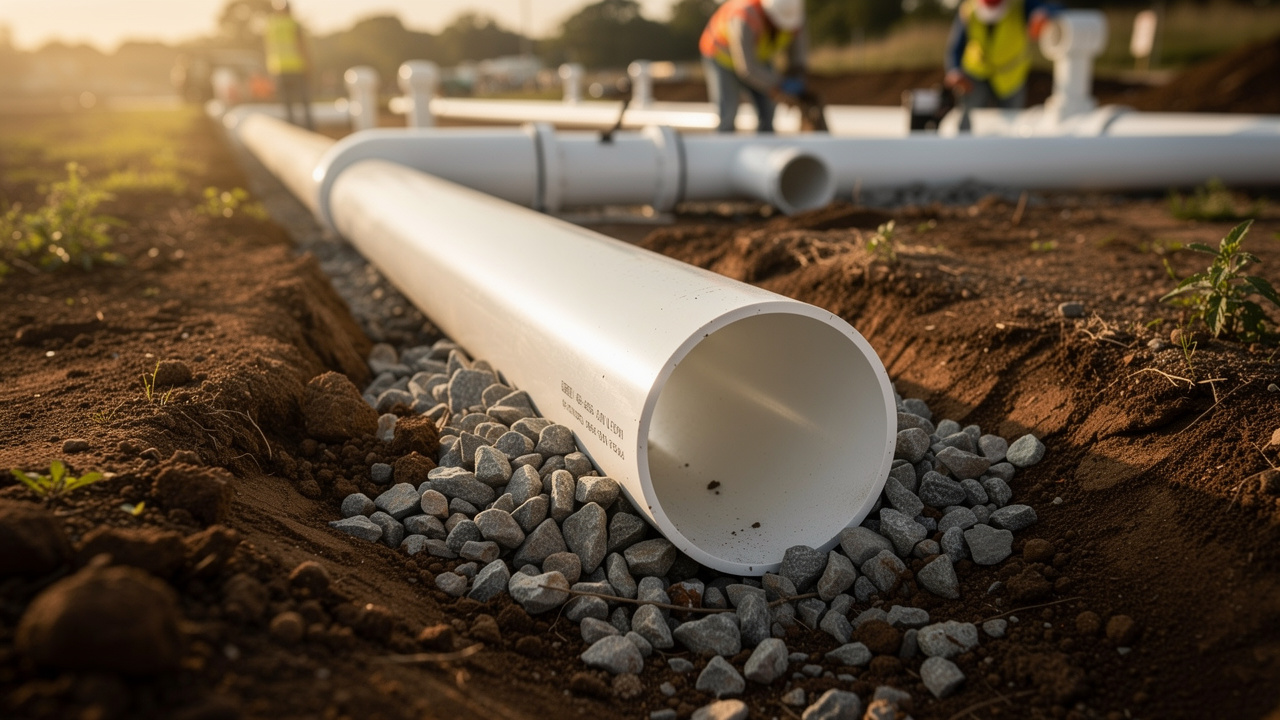
Master the Properties of PVC: A Comprehensive Tutorial for OEMs
Introduction
In the competitive landscape of agriculture and construction, understanding PVC's properties is crucial for OEMs seeking to elevate their product offerings. This versatile thermoplastic boasts remarkable durability, chemical resistance, and lightweight characteristics, making it a preferred choice across various industrial applications.
Navigating the complexities of PVC's environmental impact can be daunting for OEMs. However, failing to adapt could hinder their competitive edge in the market.
This tutorial delves into the fundamental properties of PVC, its diverse applications, and the manufacturing processes that ensure quality and efficiency. By mastering PVC's properties and applications, OEMs can position themselves as leaders in sustainability and innovation.
Explore the Fundamental Properties of PVC
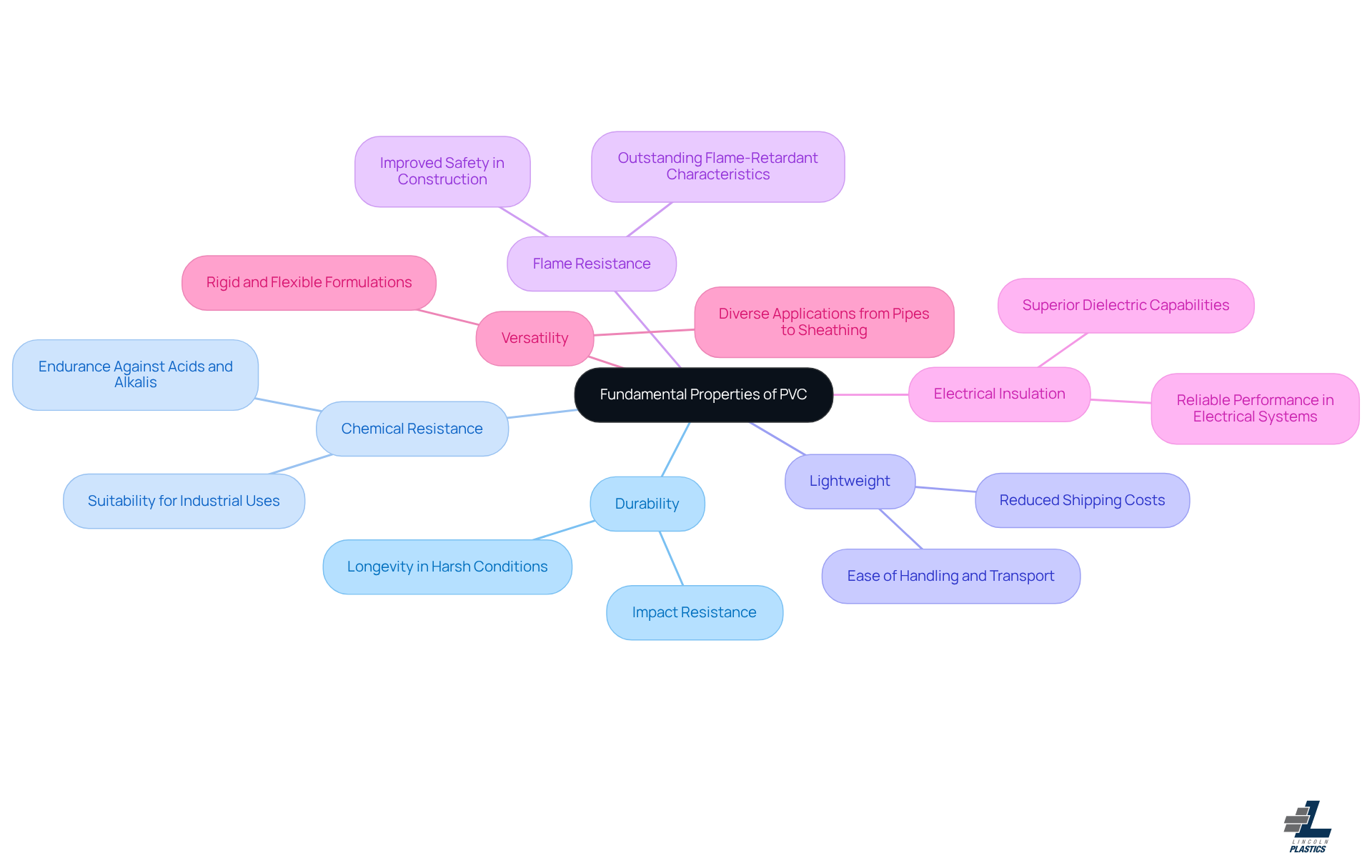
PVC, or Polyvinyl Chloride, is distinguished as a thermoplastic because of the exceptional properties of PVC that meet the demanding needs of agriculture and industry. Let’s explore the key characteristics that make PVC a preferred choice:
- Durability: PVC is highly resistant to impact, ensuring longevity in demanding environments. Its robust nature is especially advantageous in agricultural uses where materials encounter harsh conditions.
- Properties of PVC: This material's chemical resistance allows it to endure exposure to a wide variety of chemicals, including acids and alkalis, making it suitable for industrial uses where chemical exposure is frequent.
- Lightweight: With a low density, PVC is easy to handle and transport, which can significantly reduce shipping costs and improve operational efficiency, especially advantageous for OEMs in the Midwest region.
- Flame Resistance: The properties of PVC demonstrate outstanding flame-retardant characteristics, improving safety in construction and electrical uses. This characteristic is crucial in environments where fire safety is a priority.
- Electrical Insulation: The properties of PVC, including its superior dielectric capabilities, make it a top choice for electrical insulation in cables, ensuring reliable performance in electrical systems.
- Versatility: PVC can be formulated to be either rigid or flexible, allowing for a diverse range of applications, from durable pipes to flexible sheathing.
We recognize that standard pipe sizes often fall short for OEMs' unique needs. That’s why we offer custom diameters, wall thicknesses, and finishes tailored to your specific requirements. Our stringent management program, certified to ISO 9001:2015, guarantees that every item meets the highest standards of precision and excellence. We collaborate closely with OEMs to ensure their items meet all standards, including special assessments for ‘fit and function’ using various types of check gauges. Our robust quality system includes dedicated quality books for your plastic profiles, complete with drawings and critical in-process checks.
Understanding the properties of PVC is crucial for OEMs to select the right type, as these properties directly influence product performance and durability. For tailored solutions and quotes, contact Lincoln Plastics experts today.
Examine the Diverse Applications of PVC
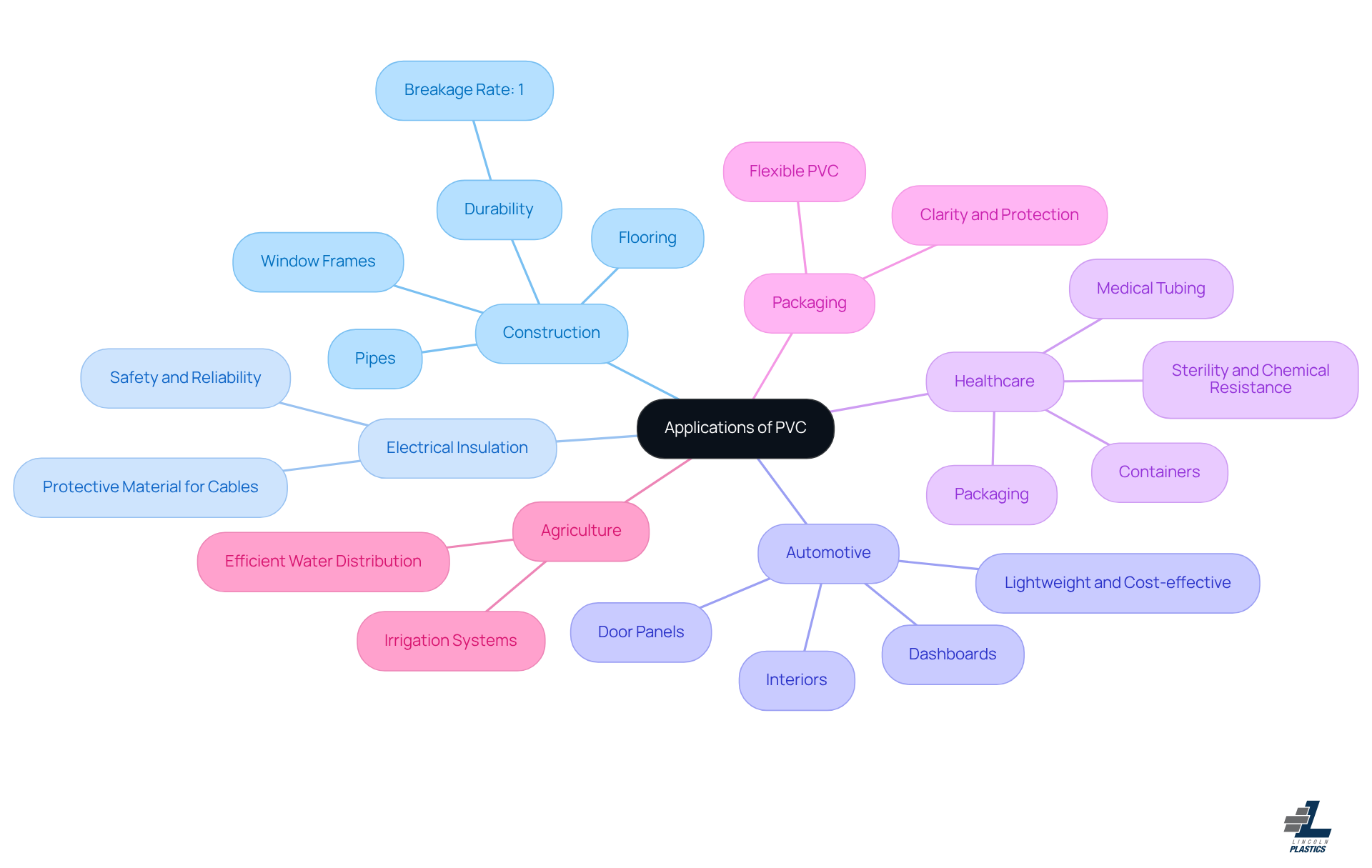
The properties of PVC make it a cornerstone material across various industries, showcasing its unmatched versatility and adaptability. Notable uses include:
- Construction: PVC is widely employed for pipes, window frames, and flooring due to its exceptional durability and resistance to weather conditions. With a breakage rate of approximately 1%, it stands out as a reliable choice compared to traditional materials. The construction industry drives demand for high-performance products, particularly because of the properties of PVC, which are fueled by increasing urbanization and infrastructure investments.
- Electrical Insulation: Acting as a protective material for electrical cables, PVC ensures safety and reliability in electrical systems, which is essential for preserving operational integrity across diverse applications.
- Automotive: In the automotive sector, PVC is utilized in interiors, dashboards, and door panels, providing a lightweight and cost-effective solution that meets stringent performance requirements.
- Healthcare: PVC's sterility and chemical resistance make it ideal for medical applications, including tubing, containers, and packaging, ensuring safety and compliance with health standards.
- Packaging: Flexible PVC is frequently employed in packaging materials, offering clarity and protection for items, which is crucial for maintaining item integrity.
- Agriculture: PVC pipes play a critical role in irrigation systems, facilitating efficient water distribution in farming operations, vital for optimizing agricultural productivity.
At Lincoln Plastics, we collaborate closely with OEMs to ensure that their PVC items meet all standards, including specific assessments for fit and function. Our robust management program, certified to ISO 9001:2015, includes dedicated plans, in-process checks, and a manual for your plastic profile with drawings and critical documentation. These programs highlight the properties of PVC, showcasing its versatility and establishing it as a favored material for OEMs looking to enhance their offerings across various sectors. Furthermore, the global Poly Vinyl Chloride (PVC) market is projected to grow at a CAGR of 3.76% by the year 2034, indicating significant growth opportunities for OEMs. However, ignoring these environmental challenges could hinder your ability to capitalize on the growing PVC market, making strategic sourcing more critical than ever.
Understand the Manufacturing Processes of PVC
Understanding the intricate properties of PVC is essential for OEMs aiming to maintain high-quality standards and efficiency in their production lines.
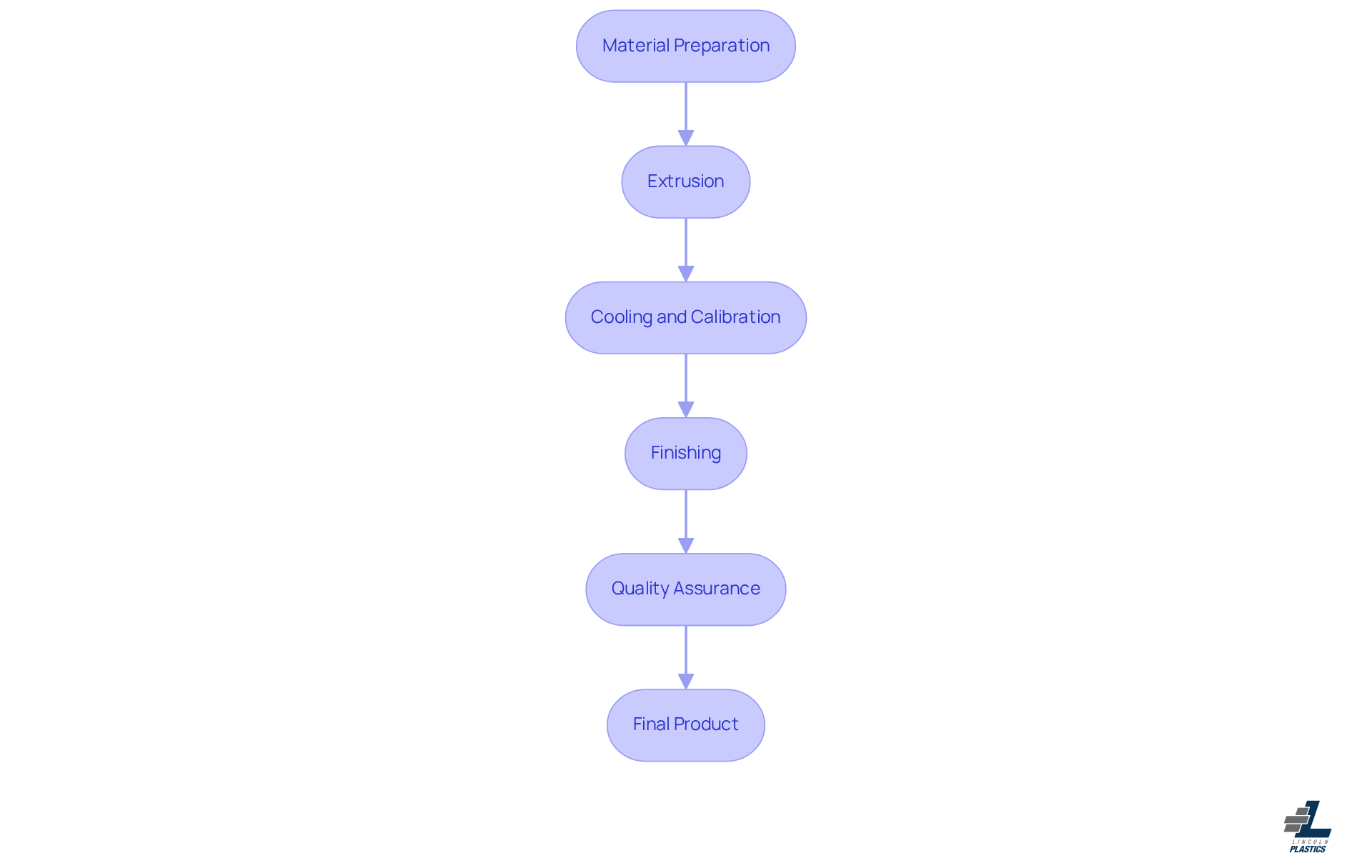
- Material Preparation: PVC resin is combined with various additives, including stabilizers, plasticizers, and colorants, to achieve the desired properties for specific applications. Recent trends emphasize the increasing use of bio-plasticizers, which are crucial for demanding applications such as wire and cable, flooring, and roofing. Lincoln Plastics offers expert guidance on material selection, ensuring that the right materials are chosen based on application requirements and environmental considerations.
- Extrusion: The prepared PVC mixture is fed into an extruder, where it is heated and melted. This molten material is then forced through a die to create specific shapes, such as pipes or profiles, tailored to meet industry demands. Mastering the tube extrusion process is vital for optimizing production efficiency and quality. At Lincoln Plastics, we employ best practices to enhance these outcomes, including co-extrusion capabilities for multi-color or multi-material profiles.
- Cooling and Calibration: Once extruded, the PVC item is cooled and calibrated to ensure it adheres to precise dimensional specifications, which is crucial for maintaining integrity. This step is essential for guaranteeing that the final items meet the rigorous standards expected by OEMs.
- Finishing: The final item undergoes various finishing processes, including cutting, trimming, and surface treatment, to enhance both its appearance and functionality, making it suitable for end-use applications. At Lincoln Plastics, we take pride in every finishing step, ensuring our processes are documented and certified for quality assurance.
- Quality Assurance: Throughout the manufacturing process, stringent control measures are implemented to ensure that all items meet industry standards and customer specifications, thereby minimizing defects and ensuring reliability. Lincoln Plastics' ISO 9001:2015 certification highlights our dedication to upholding high standards through committed assurance plans and in-process checks.
Understanding these processes allows OEMs to manage their production lines effectively. It also helps maintain high-quality standards in the properties of PVC. Recent advancements in manufacturing efficiency have led to significant improvements in output, with the U.S. PVC resin industry achieving a remarkable 87% reduction in ambient emissions of vinyl chloride per unit over the past three decades. Additionally, the PVC industry is currently undergoing a structural adjustment phase, with no new capacity plans for 2026, which may impact supply chain dynamics. This commitment to sustainability and quality is essential for meeting the evolving needs of various industries, including agriculture and office management. As Darren Tuel from Baerlocher USA emphasizes, sharing practical insights and collaborating across the value chain is vital for navigating current and future challenges in the PVC sector. For tailored solutions and expert advice, OEMs are encouraged to contact Lincoln Plastics to discuss their specific needs. As the PVC industry evolves, staying informed and adaptable will be key to overcoming challenges and seizing opportunities for growth.
Assess the Environmental Impact and Recycling of PVC
As OEMs navigate the complexities of PVC's environmental impact, understanding its recycling potential becomes paramount for sustainable practices.
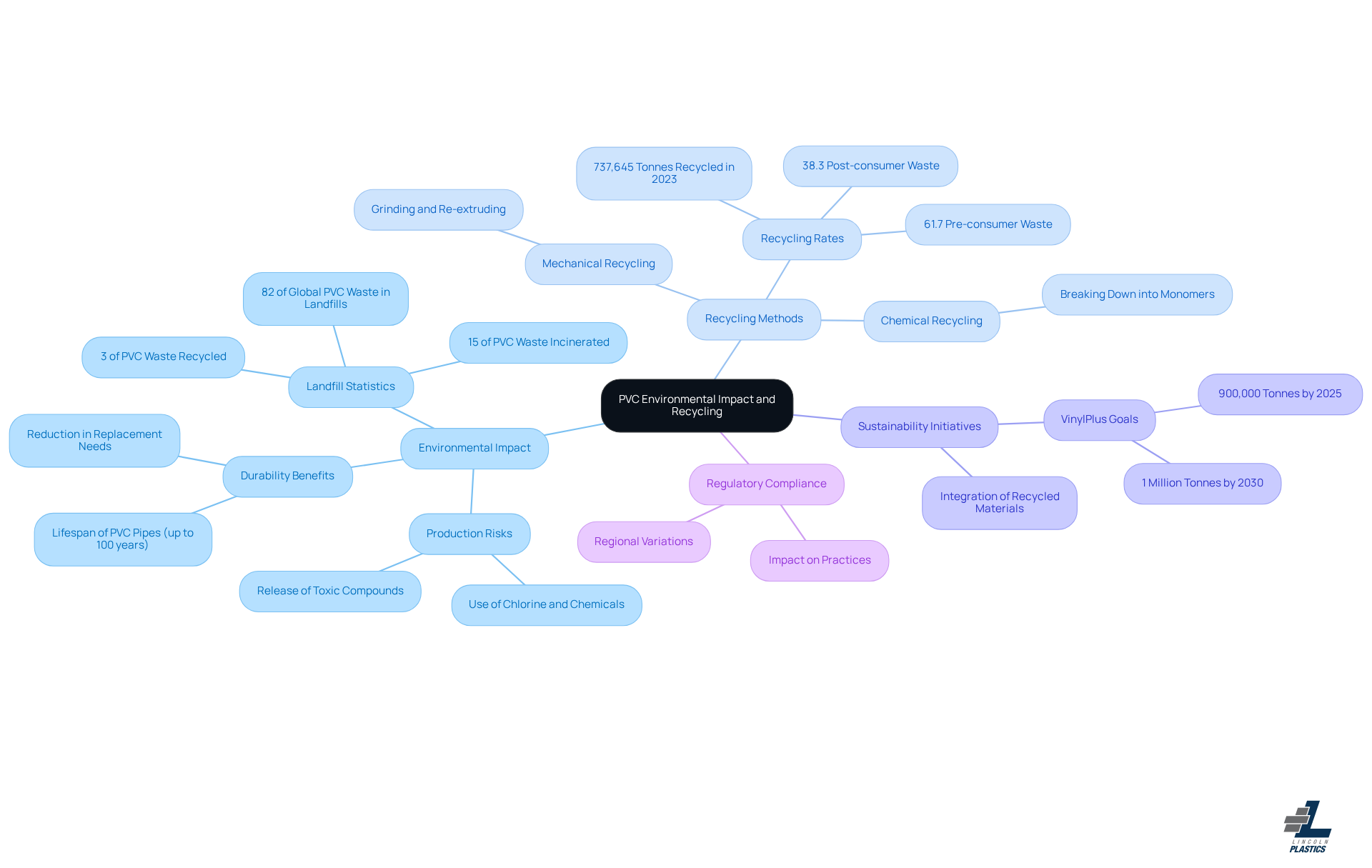
- Environmental Impact: The production of PVC involves the use of chlorine and other chemicals, which can pose significant environmental risks if not managed properly. Yet, PVC's durability means it can last longer, which may help reduce waste in the long run. In fact, PVC pipes can last up to 100 years, minimizing the need for replacements and thereby decreasing overall environmental impact. Did you know that a staggering 82% of global PVC waste ends up in landfills? This raises significant challenges for disposal.
- Recycling Methods: PVC is recyclable, with established techniques for processing PVC items. Mechanical recycling involves grinding PVC waste into small particles, which can then be re-extruded into new products. Chemical recycling, on the other hand, breaks PVC down into its original monomers, allowing for the creation of new materials. Despite these methods, only 3% of global PVC waste is recycled, underscoring the complexities associated with PVC contamination in mixed plastic streams. In 2023, 737,645 tonnes of PVC waste were recycled within the VinylPlus framework, demonstrating ongoing efforts to improve recycling rates.
- Sustainability Initiatives: Many manufacturers are actively adopting sustainability initiatives to mitigate the environmental footprint of PVC. This includes integrating recycled materials into production and implementing closed-loop systems to minimize waste. The VinylPlus initiative, for example, aims to recycle at least 900,000 tonnes of PVC waste annually by 2025, promoting a circular economy within the industry and reflecting a broader commitment to sustainability.
- Regulatory Compliance: OEMs must remain vigilant regarding regulations surrounding PVC use and disposal, as these can vary by region and significantly impact manufacturing practices. Understanding these regulations is essential for ensuring compliance and fostering sustainable practices.
By prioritizing sustainability in PVC management, OEMs can not only enhance their operational efficiency but also play a pivotal role in shaping a greener future.
Conclusion
Mastering the properties of PVC is crucial for OEMs aiming to elevate their product offerings across diverse industries. The unique characteristics of PVC, such as its durability, chemical resistance, and versatility, empower OEMs to not only meet but surpass industry standards, driving unparalleled success in their markets.
Throughout this tutorial, we’ve provided key insights into the fundamental properties of PVC, its diverse applications, and the manufacturing processes involved. The importance of quality management, exemplified by Lincoln Plastics' ISO 9001:2015 certification, underscores our commitment to excellence in every aspect of production. Additionally, our discussion on environmental impact and recycling highlights the necessity for sustainable practices in the PVC industry, enabling OEMs to navigate regulatory challenges while contributing to a greener future.
As demand for PVC surges, OEMs must proactively stay abreast of the latest advancements and best practices in PVC applications. By partnering with experts at Lincoln Plastics, businesses can access tailored solutions that meet their specific needs, ensuring they remain competitive in an evolving market. By embracing PVC's unique properties, OEMs can not only enhance their product performance but also seize new opportunities in a rapidly evolving market landscape.
Frequently Asked Questions
What is PVC and why is it significant in agriculture and industry?
PVC, or Polyvinyl Chloride, is a thermoplastic known for its exceptional properties that meet the demanding needs of agriculture and industry, making it a preferred choice for various applications.
What are the durability characteristics of PVC?
PVC is highly resistant to impact, ensuring longevity in demanding environments, which is particularly advantageous in agricultural uses where materials face harsh conditions.
How does PVC perform in terms of chemical resistance?
PVC has excellent chemical resistance, allowing it to endure exposure to a wide variety of chemicals, including acids and alkalis, making it suitable for industrial applications with frequent chemical exposure.
What advantages does the lightweight nature of PVC provide?
The low density of PVC makes it easy to handle and transport, significantly reducing shipping costs and improving operational efficiency, especially beneficial for OEMs in the Midwest region.
Is PVC flame resistant?
Yes, PVC demonstrates outstanding flame-retardant characteristics, enhancing safety in construction and electrical applications, which is crucial in environments where fire safety is a priority.
How does PVC function as an electrical insulator?
PVC has superior dielectric capabilities, making it an excellent choice for electrical insulation in cables, ensuring reliable performance in electrical systems.
What versatility does PVC offer in terms of applications?
PVC can be formulated to be either rigid or flexible, allowing for a diverse range of applications, from durable pipes to flexible sheathing.
Does Lincoln Plastics offer custom PVC solutions?
Yes, Lincoln Plastics provides custom diameters, wall thicknesses, and finishes tailored to specific requirements, addressing the unique needs of OEMs.
What quality management standards does Lincoln Plastics adhere to?
Lincoln Plastics is certified to ISO 9001:2015, ensuring that every item meets the highest standards of precision and excellence through a stringent management program.
How does Lincoln Plastics ensure product quality for OEMs?
Lincoln Plastics collaborates closely with OEMs to ensure their items meet all standards, including special assessments for ‘fit and function’ using various types of check gauges and maintaining dedicated quality books for plastic profiles.
How can I get tailored solutions or quotes from Lincoln Plastics?
For tailored solutions and quotes, you can contact Lincoln Plastics experts directly.
List of Sources
- Explore the Fundamental Properties of PVC
- PVC: Reducing House and Building Fires for Decades - Vinyl (https://vinylinfo.org/news/pvc-reducing-house-and-building-fires-for-decades)
- PVC Cable: Durability, Cost-Effectiveness, and Versatility (https://npcelectric.com/news/pvc-cable-durability-cost-effectiveness-and-versatility.html)
- Master PVC Oil Resistance: Key Insights for OEM Purchasing Managers (https://lincoln-plastics.com/news-post/master-pvc-oil-resistance-key-insights-for-oem-purchasing-managers)
- Sinotec | Fire Retardant Properties of PVC: Enhancing Safety in Building Materials and Electrical Components (https://sinotec.ae/news/fire-retardant-properties-of-pvc-enhancing-safety-in-building-materials-and-electrical-components)
- Examine the Diverse Applications of PVC
- Future of PVC 2026 Highlights Innovation Across the PVC Value Chain - VinylPlus (https://vinylplus.eu/news/future-of-pvc-2026-highlights-innovation-across-the-pvc-value-chain)
- PVC is a Solution for Water Conservation – Irrigation - Vinyl (https://vinylinfo.org/news/pvc-is-a-solution-for-water-conservation-irrigation)
- Exploring the Versatility and Manufacturing of PVC: From Construction to Consumer Goods (2023-2034) (https://linkedin.com/pulse/exploring-versatility-manufacturing-pvc-from-construction-hjwnc)
- PVC Additives Industry Trends and Growth Opportunities 2025-2030 | Revenues to Hit $9.62 Billion by 2030 | Rising Demand Across Construction, Automotive, and Healthcare Sectors (https://uk.finance.yahoo.com/news/pvc-additives-industry-trends-growth-085600235.html)
- Understand the Manufacturing Processes of PVC
- Conference features advanced PVC education (https://fenestrationreview.com/conference-features-advanced-pvc-education)
- Plastics Processing recent news | Plastics Today (https://plasticstoday.com/plastics-processing)
- News - PVC Industry’s Expansion Cycle Ends, 2026 Supply-Demand to Improve Marginally (https://chemdo.com/news/pvc-industrys-expansion-cycle-ends-2026-supply-demand-to-improve-marginally)
- COMMODITIES 2026: Global 2026 PVC on the edge of production cuts and trade flow twists (https://spglobal.com/energy/en/news-research/latest-news/chemicals/122325-commodities-2026-global-2026-pvc-on-the-edge-of-production-cuts-and-trade-flow-twists)
- An Industry in Perpetual Improvement: Health, Safety, and the Environment - Vinyl (https://vinylinfo.org/news/vinyl-industrys-hse-record)
- Assess the Environmental Impact and Recycling of PVC
- Vinyl Sustainability & Advocacy | The Vinyl Institute (https://vinylinfo.org)
- Can PVC be Recycled? PVC in a Circular Economy - FRONT® Materials (https://front-materials.com/news/can-pvc-be-recycled)
- Driving Sustainability in the European PVC Industry with VinylPlus® (https://3eco.com/article/driving-sustainability-in-the-european-pvc-industry-with-vinylplus)
- Global PVC Production, Waste & Recycling Stats (2026) (https://energycle.com/global-pvc-production-and-disposal-statistics)
Related posts

Why Custom Pipe Extrusion Matters More Than Ever
Standard pipe sizes don’t always work. Learn how Lincoln Plastics delivers custom diameters, wall thicknesses, and finishes in right-sized runs.


Reducing Trip Hazards with Custom Cord Management
Loose cords are more than messy — they’re a safety hazard. Lincoln Plastics’ custom cord covers and Flexiduct solutions improve safety and efficiency.
The Power of Custom Plastic Profiles for OEMs
Off-the-shelf profiles force compromises. Learn how Lincoln Plastics designs custom extruded profiles for OEMs with exact specs and right-sized runs.
