
Master the Properties of Plastic for Effective OEM Procurement
Introduction
Understanding the properties of plastic is super important for manufacturers looking to boost their procurement strategies in today’s fast-changing OEM landscape. With features like durability, flexibility, and chemical resistance, plastics aren’t just materials; they’re key players in driving innovation and efficiency in production. But here’s the kicker: as the demand for lightweight and sustainable solutions skyrockets, how can OEMs tackle the tricky task of sourcing the right plastic materials to meet these challenges?
Now, let’s talk about it! It’s a complex world out there, but don’t worry - we’re here to break it down together.
Explore the Fundamental Properties of Plastic
Synthetic materials are pretty amazing, right? They come with a whole range of properties that make them ideal for various applications, particularly in OEM contexts. Let’s break down some key features you should know about:
- Durability: Think about it - plastics are built to take a beating. They can handle significant wear and tear, which means they last longer in tough environments. For example, they meet strict performance standards, boosting the lifespan of those components.
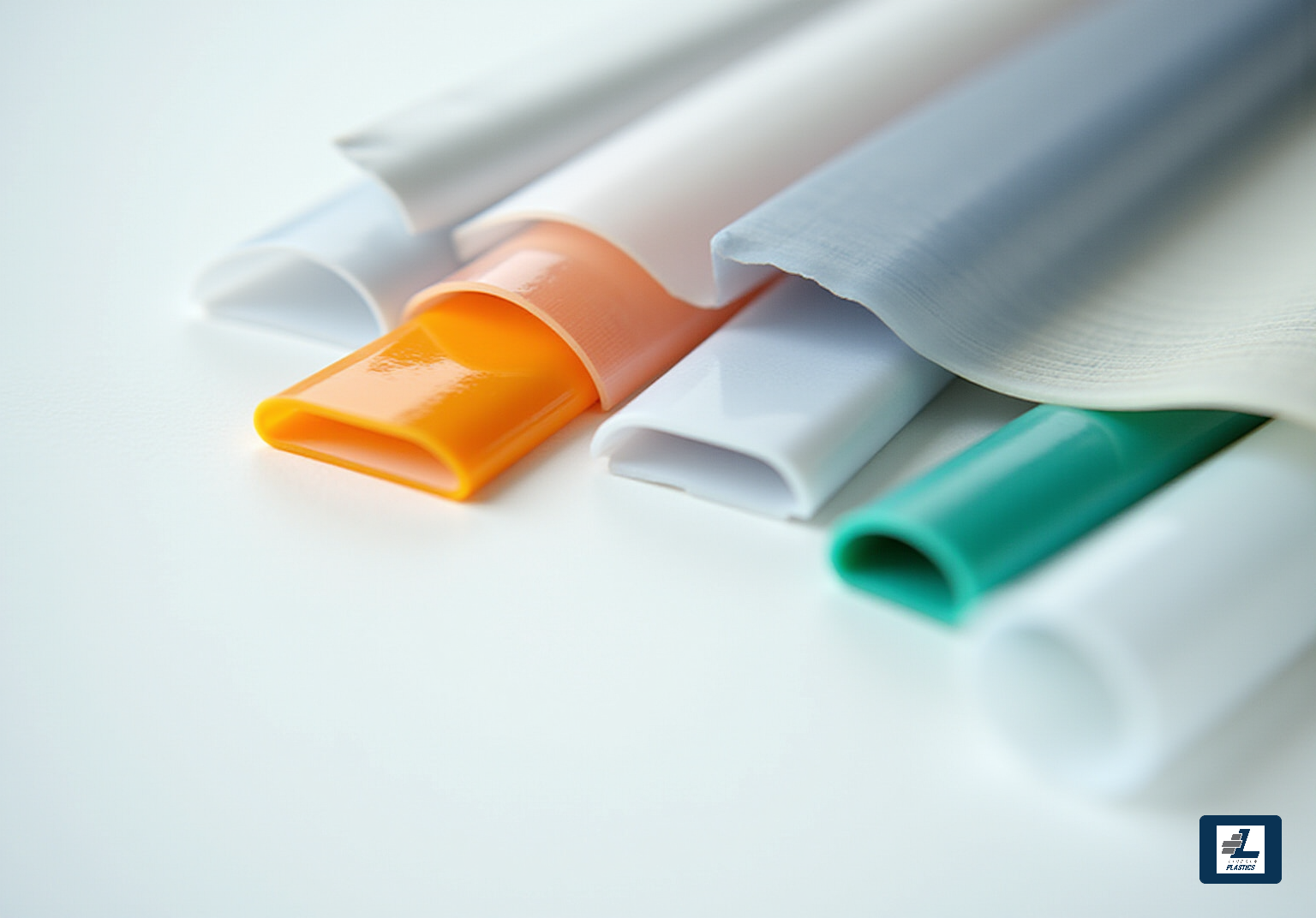
- Flexibility: Some materials can be shaped into all sorts of intricate forms without losing their strength. That’s super important for creating custom parts. Lincoln Plastics really shines here, offering a variety of profiles in different sizes and materials. Plus, they let you customize things like dimensions into the profiles, so you can design components that look and work just the way you want.
- Heat Resistance: Now, let’s talk about heat. Understanding how polymers behave at high temperatures is crucial, especially in applications where things can get really hot. Materials like polycarbonate and PEEK are champs at heat resistance, making them great for automotive and aerospace parts.
- Chemical Resistance: Many plastics can resist chemicals, which is a big deal in industrial settings where harsh substances are common. This means components can keep their integrity over time, even in tough environments.
- Lightweight: And here’s another perk - synthetic materials usually weigh less than metals. This not only cuts down on shipping costs but also makes handling easier. In the automotive world, lighter materials are key because they help improve fuel efficiency and overall performance.
But wait, there’s more! Lincoln Plastics also offers cool solutions like the Flexiduct, a cable management system. It’s designed to boost workplace safety and productivity by keeping cords and cables organized. By mastering the properties of plastic, OEMs can make smart choices when selecting materials, ensuring their products perform well and have a long lifespan. With the advancements in the automotive sector, it’s clear how important these traits are. Producers are on the lookout for creative solutions to meet evolving industry standards. So, what do you think? Ready to explore these options further?

Identify Key Types of Plastics Used in Manufacturing
In manufacturing, you’ll find a variety of plastics, each with its own unique properties that cater to different needs. Let’s break it down:
- Polyethylene (PE): This one’s a favorite! Known for its flexibility and great chemical resistance, PE is widely used in packaging and containers. It’s a go-to in many industries. And guess what? There’s a growing demand, especially in construction for moisture barriers and insulation. It’s becoming more important in sustainable building practices.
- Polypropylene (PP): Talk about tough! This material is super resilient and can handle a lot of wear and tear, making it perfect for automotive parts and consumer goods where durability is key. Industry leaders are really highlighting how it enhances performance, especially for boosting product longevity.
- Polyvinyl Chloride (PVC): PVC is versatile! It can be rigid or flexible, which is why it’s a popular pick for pipes and fittings in construction and plumbing.
- Acrylonitrile Butadiene Styrene (ABS): If you need something tough and durable, ABS is the answer. It’s often found in consumer electronics and automotive applications, standing strong in demanding situations.
- Polycarbonate (PC): This material is not just strong; it’s also highly transparent, making it ideal for safety glasses and electronic components where visibility and strength are super important.
At Lincoln Plastics, we’re all about quality assurance to ensure their products hit all the quality marks. We’ve got a solid system in place, complete with a dedicated quality manual for your synthetic profile. This includes drawings, critical in-process checks, and run documentation.
As manufacturers shift towards a circular economy, we’re seeing more and more post-consumer recycled materials come into play, driven by consumer demand for sustainability. Plus, keep an eye on how steel and aluminum tariffs might affect costs in the polymer industry.
Understanding the material properties is essential for OEMs to select the right materials for their needs, ensuring their products perform reliably and effectively. So, what do you think? Ready to dive deeper into the world of plastics?

Understand the Extrusion Process for Custom Plastic Profiles
Let’s break down the extrusion process into some key steps that are pretty straightforward:
- Material Preparation: First off, we start with plastic pellets. These need to be dried and prepped for melting.
- Melting: Next, those pellets get heated up in an extruder, transforming them into a molten state.
- Shaping: Then, we force that molten plastic through a die, creating the desired profile.
- Cooling: After that, the extruded profile cools down, solidifying into its final shape.
- Cutting: Finally, we cut those cooled profiles to the lengths you require.
At Lincoln, we really value our collaboration with OEMs. We work closely together to ensure that every step of the process meets strict quality standards. Our quality system is pretty robust, featuring special checks for 'fit and function.' We use various check gauges to make sure everything fits just right for its intended use. Plus, communication is a breeze for us, ensuring consistency across manufacturers.
Understanding this process can really help OEMs appreciate the complexities that are involved in creating custom profiles. It also highlights just how crucial quality control is at every stage. So, what do you think? Ready to dive deeper into how we can help you with your procurement needs?

Navigate Challenges in Sourcing Plastic Materials
Sourcing plastic materials can be a bit tricky, right? There are several challenges that can really impact how smoothly things go in procurement. Let’s break it down:
- Quality Assurance: At Lincoln Plastics, we know how important it is to ensure that materials meet specific standards. Our commitment shows our commitment to quality. We work closely with suppliers who have strong reputations to keep our products in top shape. Plus, we collaborate with OEMs to make sure their products meet all quality requirements, including those special checks for ‘fit and function.’
- Disruptions: You might be wondering about potential delays. Building relationships with multiple suppliers can really help. It reduces the risks of relying too much on one source, making operations more resilient. Companies that tend to adapt better to unexpected disruptions, especially with all the recent shifts in the industry. And hey, confirming that different suppliers don’t source from the same Tier-2 suppliers can help avoid vulnerabilities in the supply chain.
- Price Volatility: Let’s talk about the rollercoaster of plastic prices. It’s essential to have a strategic plan in place. Long-term contracts with suppliers can lock in prices, giving you budget stability and cushioning the blow from market fluctuations.
- Material Compatibility: Now, ensuring that the materials you choose are suitable for their intended applications is crucial for success. This compatibility affects not just performance but also the overall efficiency of the manufacturing process. At Lincoln Plastics, we can easily get colors that match your Pantone specifications, keeping things consistent across manufacturers.
- Regulatory Landscape: The regulatory environment is always changing, and it can impact your sourcing strategies. Staying updated on these changes is key for compliance and can influence your supplier choices. We’re certified to meet various standards, including safety and environmental standards, and we work with both domestic and international clients to ensure everything’s in line.
By tackling these challenges head-on, OEMs can really boost their procurement strategies. This way, they can access materials that meet their specific needs while navigating the complexities of the plastic industry.

Conclusion
Mastering the properties of plastic is super important for effective OEM procurement. These synthetic materials bring a unique mix of durability, flexibility, thermal resistance, chemical resistance, and lightweight characteristics to the table. When you understand these properties, you not only boost product performance but also empower OEMs to make smart choices that fit their specific manufacturing needs.
Now, let’s talk about the different types of plastics. We covered:
- Polyethylene
- Polypropylene
- PVC
- ABS
- Polycarbonate
Each with its own perks for various applications. We also highlighted the significance of the extrusion process and quality control in crafting custom plastic profiles. Plus, we touched on the challenges of sourcing these materials, like:
- Quality assurance
- Supply chain hiccups
- Cost fluctuations
- Keeping up with regulations
As the demand for lightweight and durable materials keeps rising - especially in the automotive sector - it’s crucial for OEMs to stay in the loop and proactive with their procurement strategies. By embracing the core properties of plastic and tackling sourcing challenges head-on, manufacturers can not only enhance their product offerings but also play a part in building a more sustainable future in the industry. So, why not explore these options further? It could lead to innovative solutions that not only meet today’s demands but also anticipate future trends in plastic procurement.
Frequently Asked Questions
What are the fundamental properties of plastic?
The fundamental properties of plastic include durability, flexibility, thermal resistance, chemical resistance, and lightweight characteristics.
How does durability benefit the use of plastics in OEM applications?
Durability allows plastics to withstand significant wear and tear, increasing their lifespan in tough environments, such as automotive parts that meet strict performance standards.
In what ways does flexibility enhance the application of plastics?
Flexibility enables plastics to be shaped into intricate forms without losing strength, which is important for creating custom profiles. Companies like Lincoln Plastics offer customizable flexible profiles in various sizes and materials.
Why is thermal resistance important for certain plastics?
Thermal resistance is crucial for applications exposed to high temperatures, as materials like polycarbonate and PEEK can withstand heat, making them suitable for automotive and aerospace parts.
How do plastics demonstrate chemical resistance?
Many plastics can resist chemical breakdown, maintaining their integrity over time in industrial settings where harsh substances are common.
What is the advantage of plastics being lightweight?
Being lightweight reduces shipping costs and makes handling easier. In the automotive industry, lighter materials improve fuel efficiency and overall performance.
What is the Flexiduct system offered by Lincoln Plastics?
The Flexiduct is a flexible cord management system designed to enhance workplace safety and productivity by organizing cords and cables.
How do the properties of plastic influence material selection for OEMs?
Understanding the properties of plastic helps OEMs make informed material choices that ensure their products perform well and have a long lifespan, especially in the automotive sector where lightweight and durable materials are in high demand.
List of Sources
- Explore the Fundamental Properties of Plastic
- jairajgroup.com (https://jairajgroup.com/blog/plastic-parts-automotive-manufacturing-trends-challenges)
- plasticstoday.com (https://plasticstoday.com/industry-trends/plastics-industry-braces-for-2026-construction-market-challenges)
- 2026 Plastics Industry Outlook: Adaptation and Tech Key to Success | Paulson Training posted on the topic | LinkedIn (https://linkedin.com/posts/paulson-training_plastics-manufacturing-in-2026-what-industry-activity-7408930846910488576-do0F)
- sg.finance.yahoo.com (https://sg.finance.yahoo.com/news/u-rigid-thermoform-plastic-packaging-162800455.html)
- Identify Key Types of Plastics Used in Manufacturing
- What are the Plastic Manufacturing Trends for 2026? (https://linkedin.com/pulse/what-plastic-manufacturing-trends-2026-key-plastics-ltd-d4ekf)
- plasticstoday.com (https://plasticstoday.com/industry-trends/plastics-industry-braces-for-2026-construction-market-challenges)
- statifacts.com (https://statifacts.com/outlook/north-america-polyethylene-market)
- prnewswire.com (https://prnewswire.com/news-releases/polypropylene-compounds-market-set-to-reach-us-43-5-billion-by-2031--fueled-by-lightweighting-in-automotive-and-construction--datam-intelligence-302579904.html)
- U.S.-Canadian PE and PP markets look for better days in 2026 (https://plasticsnews.com/suppliers/materials/pn-sagel-pe-pp)
- Understand the Extrusion Process for Custom Plastic Profiles
- 10 Innovative Extrusion Plastic Products for OEM Needs (https://lincoln-plastics.com/news-post/10-innovative-extrusion-plastic-products-for-oem-needs)
- Shaping the Future: Innovations in Plastic Extrusion Techniques - SeaGate Plastics Company (https://seagateplastics.com/shaping-the-future-innovations-in-plastic-extrusion-techniques)
- Custom Plastic Extrusion Design: Flexibility, Innovations & Future (https://lakelandplastics.com/design-flexibility-in-custom-plastic-extru)
- custom-profile.com (https://custom-profile.com/blog/how-changes-in-extrusion-technology-enhance-the-manufacturing-process)
- Plastics Extrusion: 4 Critical Statistics to Track for Increased Quality & Plant Profit (https://gaugeadvisor.com/2025/05/26/plastics-extrusion-4-critical-statistics-to-track-for-increased-quality-plant-profit)
- Navigate Challenges in Sourcing Plastic Materials
- plasticstoday.com (https://plasticstoday.com/business/shutdown-lessons-reshape-supply-chain-playbook)
- packagingdive.com (https://packagingdive.com/spons/tariffs-delays-and-uncertainty-how-to-build-a-resilient-packaging-supply/747169)
- ul.com (https://ul.com/news/plastics-supply-chain-disruption-sourcing-alternative-materials)
- smithers.com (https://smithers.com/services/market-reports/packaging/impact-of-supply-chain-disruption-on-pack-industry)


