
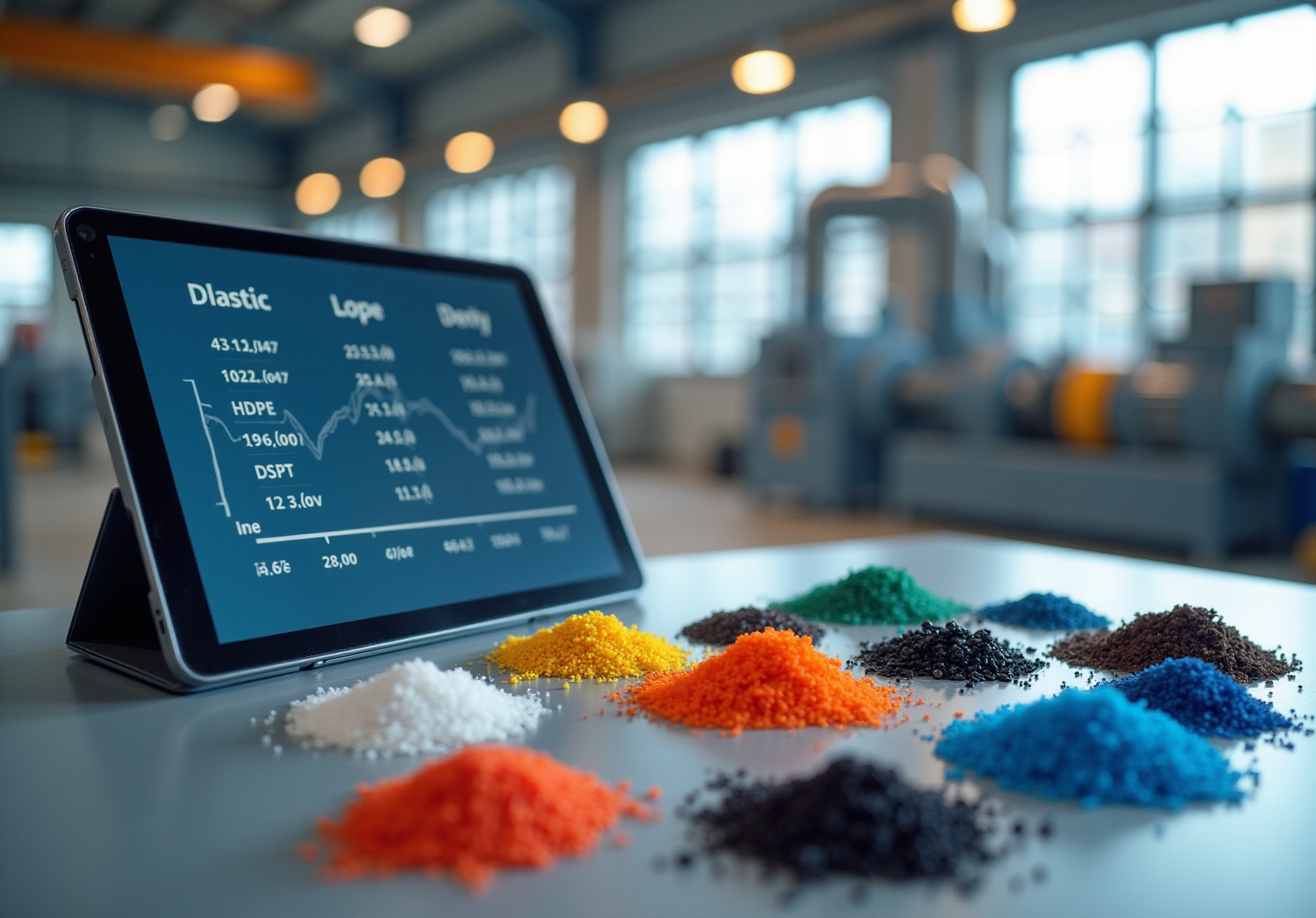
Master the Plastic Density Chart for Smart Material Selection
Introduction
Mastering plastic density is crucial for anyone involved in material selection, especially in extrusion. This pivotal property influences the performance and processing efficiency of plastics and dictates the suitability of materials for specific applications. Manufacturers face the challenge of navigating the complexities of plastic density.
How can they make informed decisions that enhance product reliability and cost-effectiveness? This guide delves into the significance of plastic density, equipping readers with the knowledge to master the plastic density chart and enhance their material selection process.
By understanding plastic density, manufacturers can enhance their material selection process and drive product reliability and cost-effectiveness.
Understand Plastic Density and Its Importance
Plastic density is a critical factor that directly influences material performance and processing efficiency. Understanding this property is essential for several reasons:
- Material Performance: Density affects the mechanical properties of plastics, including strength, flexibility, and durability. For instance, high-density polyethylene (HDPE) is known for its strength and impact resistance, making it ideal for applications that require durable materials. At Lincoln Plastics, we pride ourselves on delivering top-notch OEM irrigation products and cable management solutions, ensuring that the materials used meet stringent performance standards.
- Processing Characteristics: The mass per unit volume of a plastic influences its flow behavior during extrusion molding. Materials with lower density often flow more easily, enhancing production efficiency. Conversely, higher density substances may require adjustments in processing parameters to ensure optimal flow. Lincoln Plastics leverages its expertise in extrusion molding to fine-tune these parameters, guaranteeing that our custom solutions are both efficient and effective.
- Cost Implications: Density can also impact resource costs. Generally, lighter materials are more economical to transport and manage, which is crucial in large-scale production. By understanding the density of materials, OEMs can make informed choices that balance cost and performance.
- Suitability of Uses: Different applications require specific property characteristics. For example, in agricultural irrigation systems, the density of the piping can affect its buoyancy and resistance to environmental factors. Lincoln Plastics' custom profile extrusion capabilities enable tailored solutions that meet the unique demands of various applications.
Have you considered how density impacts your product's performance? By grasping the implications of density, manufacturers can enhance product reliability and performance, ensuring that the chosen plastic meets the specific requirements of their applications, particularly in the context of Lincoln Plastics' innovative extrusion molding solutions.

Access and Interpret the Plastic Density Chart
Choosing the right plastic for your application is crucial, and utilizing a plastic density chart can be your best ally in this process. To effectively use a plastic density chart, follow these steps:
- First, let’s find the right chart that suits your needs: Density charts can be found in technical datasheets, industry publications, or online resources. Make sure you have access to a trustworthy reference that provides the weights of various plastics.
- Identify the Material: Find the specific plastic you are interested in. Common substances include polyethylene (PE), polypropylene (PP), and polyvinyl chloride (PVC). Every substance will possess a related mass value.
- Understand Density Values: Density values are typically presented in g/cm³. For instance, low-density polyethylene (LDPE) has a mass per unit volume of approximately 0.91 to 0.93 g/cm³, whereas HDPE varies from 0.94 to 0.97 g/cm³. Identifying these values aids in comparing substances.
- Evaluate Usage Criteria: Align the thickness of the substance with the needs of your usage. For example, if you require a lightweight substance for a cable protection system, you might choose a lower weight plastic.
- Cross-Reference with Other Properties: Density is just one property to consider. Cross-reference the mass with other mechanical characteristics such as tensile strength, impact resistance, and thermal stability to ensure the substance meets all necessary criteria for your application.
By following these steps, you not only ensure the right material choice but also enhance the overall performance of your project.

Apply Density Insights for Material Selection Decisions
Choosing the right materials for custom plastic extrusion is crucial, yet it can be a complex process filled with challenges. Follow these essential steps to ensure you make informed decisions:
- Define Software Requirements: Clearly outline the needs of your software, considering factors such as load-bearing capacity, environmental exposure, and regulatory compliance.
- Choose Suitable Weight Range: Identify the appropriate weight range based on your usage requirements. For lightweight elements designed for outdoor uses, prioritize substances with reduced weight values. The lightweight substances market is expected to expand at a compound annual growth rate (CAGR) of 6.6% until 2026, emphasizing the rising significance of choice based on weight.
- Assess Substance Choices: Contrast different substances within the chosen weight range. For example, when considering PVC for a cable conduit, assess its density against alternatives like HDPE or PP to identify the best balance of weight and strength. As industry expert Mohit Arora points out, there is a need for improved support to enable testing and certifications for new substances that provide enhanced performance with reduced environmental impacts.
- Test Substance Performance: It's essential to test how your chosen material holds up in real-world conditions. This may involve stress testing, environmental exposure assessments, or compatibility evaluations with other substances. A relevant case study on the performance of LC3 and magnesium-based cements demonstrates the significance of assessing substance performance under specific conditions.
- Consult with Experts: Engage with suppliers or extrusion specialists to gain insights into best practices for selection. Their expertise can offer valuable guidance on which substances will perform optimally in your specific application. Rupert J. Myers highlights that the dataset shows that essential property extensions can be provided by new substances, suggesting the possibility for enhanced efficacy.
By applying these insights, you can navigate these complexities and enhance your product's performance. Ultimately, informed material selection not only enhances product quality but also positions your business for long-term success in a competitive market.

Troubleshoot Common Challenges in Material Selection
Navigating the complexities of material selection for extrusion can be daunting, but understanding common challenges can lead to effective solutions. Here’s how to troubleshoot them:
- Inconsistent Substance Properties: Are your materials consistently performing as expected? Variations in substance performance can often be traced back to supplier reliability. To alleviate this, obtain resources from trustworthy suppliers. Request certifications to ensure quality. Conducting regular quality checks will help ensure consistency across batches, aligning with our commitment to design optimization at Lincoln Plastics.
- Compatibility Issues: In co-extrusion processes, substances may not always function effectively together. Not testing compatibility can result in costly production delays that affect your profitability. To address this, conduct small-scale trials to test compatibility before committing to full production runs. This proactive approach can prevent costly production delays and supports our goal of optimizing your design.
- Processing Difficulties: Issues such as clogging or uneven flow during extrusion may indicate that the selected substance is not suitable for your equipment. Reassess your substance selection by consulting the plastic density chart, focusing on the density and viscosity to ensure they align with your extrusion machinery's specifications. Let our team at Lincoln Plastics guide you in selecting the right resources tailored to your unique extrusion needs.
- Environmental Resistance: If substances fail to withstand environmental conditions like UV exposure or moisture, it may be time to reconsider your choices. Choose resources specifically designed for outdoor uses, like UV-stabilized PVC, which we can assist you in obtaining to improve durability and functionality.
- Cost Overruns: Should resource costs exceed your budget, explore alternative options within the same density range that can deliver comparable performance at a lower price point. Collaborate with suppliers, including Lincoln Plastics, to investigate bulk purchasing options or alternative formulations that can help manage costs effectively.
By proactively addressing these challenges, you can streamline your material selection process and enhance the overall efficiency of your extrusion operations. By leveraging our expertise at Lincoln Plastics, you can not only overcome these challenges but also enhance the quality and efficiency of your extrusion operations.

Conclusion
Mastering plastic density is essential for manufacturers aiming to optimize their extrusion processes. Understanding density allows manufacturers to improve product performance, boost processing efficiency, and reduce costs. This guide highlights why understanding density is crucial for choosing the right materials for different applications.
Key arguments highlighted include:
- The impact of density on material performance
- Processing characteristics
- Cost implications
By utilizing a plastic density chart effectively, manufacturers can identify the right materials that align with their specific requirements, ensuring that they meet both performance standards and budget constraints. Manufacturers often struggle with inconsistent material properties and compatibility issues, but addressing these challenges can streamline production and enhance overall efficiency.
This understanding not only improves product quality but also drives innovation in manufacturing. By applying the knowledge gained from this guide, businesses can position themselves for success in a competitive market, ensuring that their products not only meet but exceed industry standards. By prioritizing density in material selection, manufacturers can redefine their competitive edge in the market.
Frequently Asked Questions
What is plastic density and why is it important?
Plastic density is the mass per unit volume of a plastic material, and it is crucial because it directly influences material performance, processing efficiency, cost implications, and suitability for various applications.
How does plastic density affect material performance?
Density affects the mechanical properties of plastics, such as strength, flexibility, and durability. For example, high-density polyethylene (HDPE) is strong and impact-resistant, making it suitable for applications that require durable materials.
What role does plastic density play in processing characteristics?
The density of a plastic influences its flow behavior during extrusion molding. Lower density materials flow more easily, enhancing production efficiency, while higher density materials may require adjustments in processing parameters for optimal flow.
How does density impact cost implications in plastic manufacturing?
Lighter materials are generally more economical to transport and manage, which is important in large-scale production. Understanding material density helps OEMs make informed choices that balance cost and performance.
Why is the suitability of uses related to plastic density?
Different applications require specific property characteristics. For instance, in agricultural irrigation systems, the density of piping can affect buoyancy and resistance to environmental factors, making it essential to choose the right density for specific uses.
How can understanding plastic density enhance product performance?
By grasping the implications of density, manufacturers can improve product reliability and performance, ensuring that the chosen plastic meets the specific requirements of their applications, particularly in extrusion molding solutions.
List of Sources
- Understand Plastic Density and Its Importance
- openpr.com (https://openpr.com/news/4487758/high-density-plastic-best-uses-and-suppliers-worldwide)
- Density of Plastics Material: Technical Properties Table (https://specialchem.com/plastics/guide/density)
- europlas.com.vn (https://europlas.com.vn/en-US/blog-1/density-of-a-plastic-what-you-need-to-know)
- plasticstoday.com (https://plasticstoday.com/industry-trends/plastics-manufacturing-outpaces-all-us-manufacturing-growth)
- Access and Interpret the Plastic Density Chart
- polychemer.com (https://polychemer.com/news/density-of-a-plastic-what-you-need-to-know-84948640.html)
- americanchemistry.com (https://americanchemistry.com/chemistry-in-america/news-trends/press-release/2026/acc-publishes-2026-statistical-reference-book-on-plastic-resins)
- lincoln-plastics.com (https://lincoln-plastics.com/news-post/master-the-plastic-material-density-chart-pdf-for-smart-procurement)
- globenewswire.com (https://globenewswire.com/news-release/2026/03/12/3254843/0/en/plastics-industry-report-2026-demand-supply-analysis-by-country-and-polymer-type-with-upcoming-capacity-additions-and-new-project-developments-2015-2030.html)
- Apply Density Insights for Material Selection Decisions
- New 3D printing extrusion system redefines limits | ORNL (https://ornl.gov/news/new-3d-printing-extrusion-system-redefines-limits)
- 3dprint.com (https://3dprint.com/323067/ams-report-says-polymer-extrusion-3d-printing-market-reached-2-2-billion-in-2025)
- interestingengineering.com (https://interestingengineering.com/innovation/3d-printing-multi-material-extrusion)
- nature.com (https://nature.com/articles/s44296-026-00099-7)
- globenewswire.com (https://globenewswire.com/news-release/2026/04/24/3280678/28124/en/lightweight-materials-research-report-2026-264-48-bn-market-opportunities-trends-competitive-landscape-strategies-and-forecasts-2020-2025-2025-2030f-2035f.html)
- Troubleshoot Common Challenges in Material Selection
- aerostarmfg.com (https://aerostarmfg.com/industry-news-blog/how-aluminum-extrusions-are-solving-real-manufacturing-challenges-in-2026)
- North American Extruders Remain Resilient Amid Challenging Market - Light Metal Age Magazine (https://lightmetalage.com/news/industry-news/extrusion/north-american-extruders-remain-resilient-amid-challenging-market)
- Plastics Extrusion: 4 Critical Statistics to Track for Increased Quality & Plant Profit (https://gaugeadvisor.com/2025/05/26/plastics-extrusion-4-critical-statistics-to-track-for-increased-quality-plant-profit)
- Overcoming Common Challenges in Plastic Extrusion Projects (https://inplexllc.com/blog/overcoming-common-challenges-in-plastic-extrusion-projects)
- Why Material Selection Matters: Ensuring Quality, Performance, and Reliability in Manufacturing | Isola Group (https://isola-group.com/news/why-material-selection-matters-ensuring-quality-performance-and-reliability-in-manufacturing)
Related posts

Why Custom Pipe Extrusion Matters More Than Ever
Standard pipe sizes don’t always work. Learn how Lincoln Plastics delivers custom diameters, wall thicknesses, and finishes in right-sized runs.


Reducing Trip Hazards with Custom Cord Management
Loose cords are more than messy — they’re a safety hazard. Lincoln Plastics’ custom cord covers and Flexiduct solutions improve safety and efficiency.
The Power of Custom Plastic Profiles for OEMs
Off-the-shelf profiles force compromises. Learn how Lincoln Plastics designs custom extruded profiles for OEMs with exact specs and right-sized runs.
