

Master the Physical Properties of Plastic for Smarter Procurement
Introduction
Mastering the physical properties of plastic is crucial for procurement specialists who aim to excel in manufacturing decisions. With a diverse range of characteristics - from tensile strength to thermal resistance - these properties significantly influence material selection and application performance. Navigating the complexities of thermoplastics and thermosetting plastics can be daunting for procurement specialists. Without a solid grasp of these properties, procurement professionals risk making costly mistakes. Are procurement professionals ready to leverage this knowledge to enhance their strategies and secure optimal outcomes in a competitive market?
Clarify the Fundamental Physical Properties of Plastic
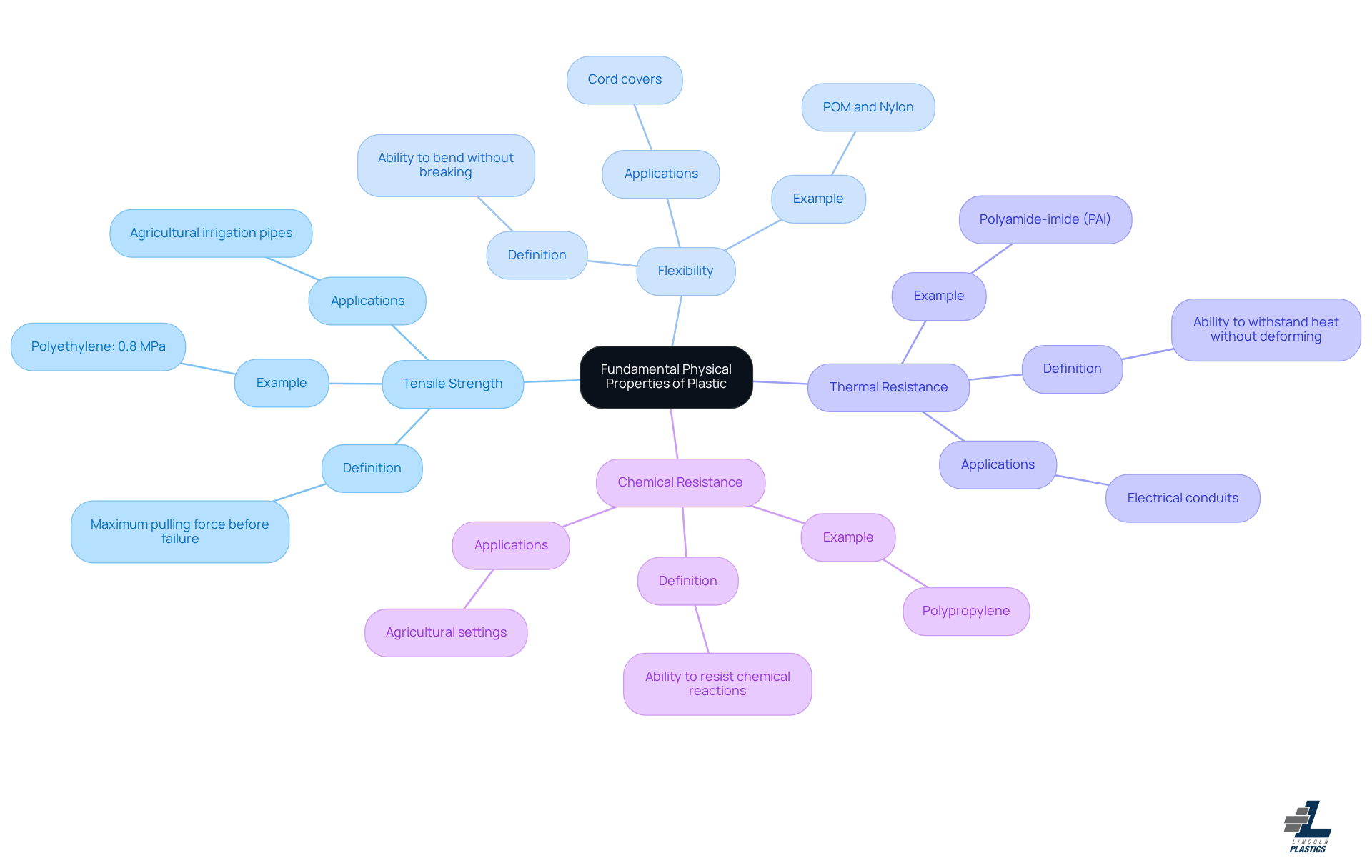
Understanding the diverse physical properties of plastic is crucial for making informed manufacturing decisions. Grasping these characteristics allows procurement specialists to tailor their choices to specific requirements. Key properties include:
- Tensile Strength: This property measures the maximum pulling force a material can endure before failure. It is particularly vital for applications demanding durability, such as agricultural irrigation pipes, where high tensile strength ensures reliability under stress. For instance, the physical properties of plastic, like polyethylene's ultimate tensile strength of 0.8 MPa, make it suitable for demanding environments such as those found in irrigation systems.
- Flexibility: The physical properties of plastic, particularly its ability to bend without breaking, are essential for products like cord covers, which must adapt to various shapes and conditions. Various polymers demonstrate differing flexibility ratings; for instance, substances such as POM and Nylon are recognized for their excellent flexibility, which highlights the physical properties of plastic and enables them to function efficiently in dynamic applications.
- Thermal Resistance: This characteristic indicates a material's ability to withstand heat without deforming, which is crucial in applications that consider the physical properties of plastic for electrical conduits. High-performance materials, such as polyamide-imide (PAI), recognized for their outstanding thermal stability, are frequently utilized in settings where the physical properties of plastic, especially heat resistance, are crucial.
- Chemical Resistance: Understanding the physical properties of plastic and how different polymers react to various chemicals is essential for ensuring longevity in harsh environments, such as those encountered in agricultural settings. Plastics with high chemical resistance, like polypropylene, are preferred for their durability against corrosive substances.
By leveraging this knowledge, procurement specialists can ensure their selections meet the rigorous demands of their applications.
Differentiate Between Thermoplastics and Thermosetting Plastics
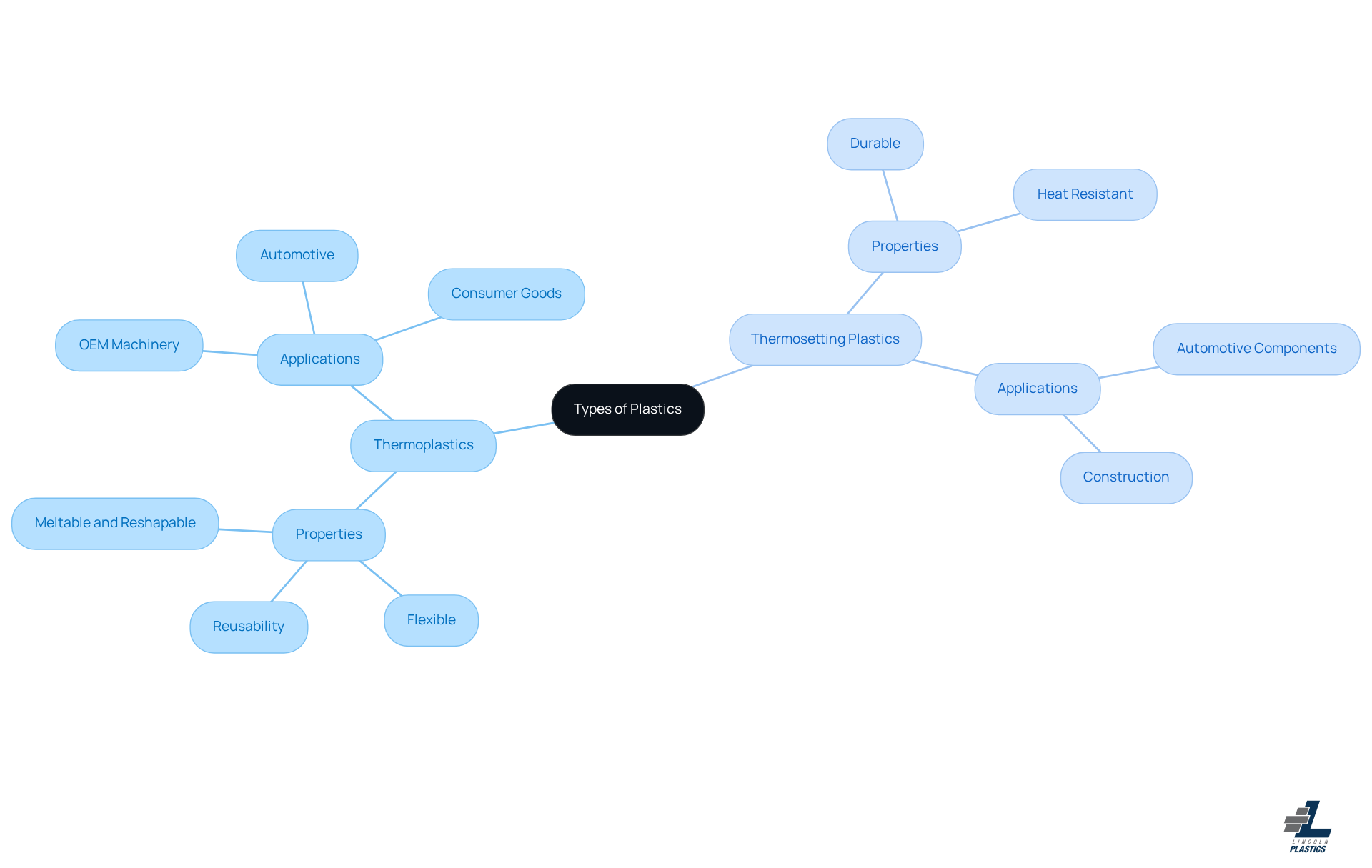
Choosing the right plastic material based on the physical properties of plastic can make or break your manufacturing project. Thermoplastics and thermosetting plastics serve distinct roles in manufacturing, each with unique properties that cater to specific applications:
- Thermoplastics: These materials can be melted and reshaped multiple times without altering their chemical structure, making them ideal for applications that require flexibility and reusability. In the context of custom extrusion profiles for OEM machinery, thermoplastics are favored for their adaptability, allowing manufacturers to create tailored solutions that meet precise specifications. Did you know that worldwide polymer production surpasses 300 million tons each year? Thermoplastics play a significant role in various sectors, including automotive and consumer goods.
- Thermosetting Materials: Once cured, these substances cannot be remelted or reshaped, which provides them with exceptional durability and heat resistance. This makes them particularly suitable for high-stress applications, such as automotive components, where structural integrity is critical. The thermosetting materials market is expected to expand considerably, fueled by rising demand in industries such as construction and automotive, where their characteristics are crucial for functioning under extreme conditions.
This knowledge empowers you to enhance project outcomes and ensure longevity. By understanding the physical properties of plastic, you can make informed choices about selection, ensuring that the chosen plastics align with the specific demands of your projects.
Apply Knowledge of Plastic Properties to Enhance Procurement Strategies
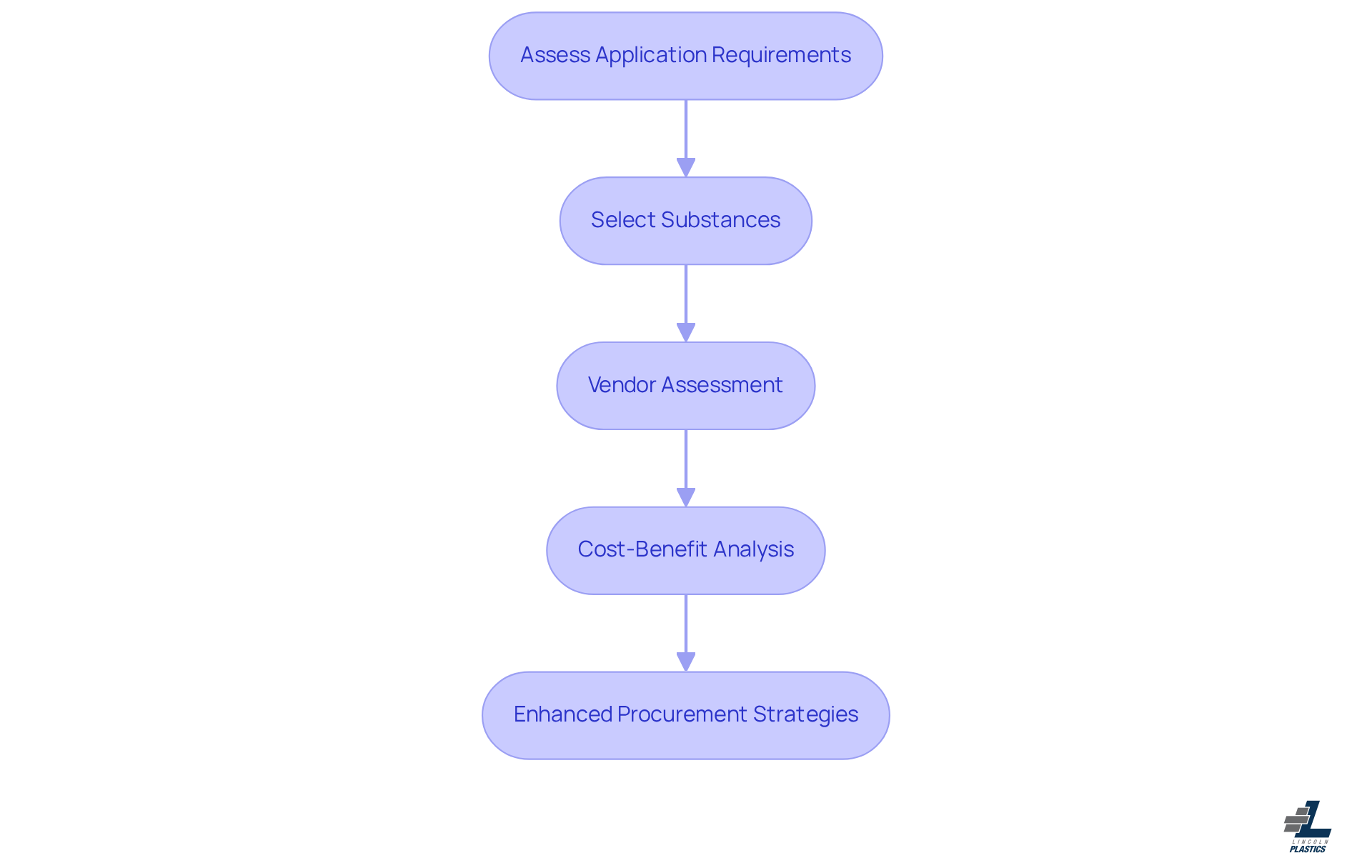
In an era where procurement strategies are tested by rising costs and material shortages, understanding the nuances of material selection is crucial for success. To enhance procurement strategies, consider the following steps:
- Assess Application Requirements: Clearly define the specific needs of your project, including load-bearing capacity, environmental exposure, and flexibility requirements. Understanding these factors is key to selecting the right materials for your project.
- Select substances according to the physical properties of plastic and their physical characteristics. For example, if flexibility is essential, thermoplastics like polyethylene are ideal due to the physical properties of plastic that provide excellent flexibility and durability. Furthermore, materials like polycarbonate provide clarity and lightweight advantages, making them suitable for automotive and outdoor applications.
- Vendor Assessment: Collaborate with suppliers who have a deep understanding of plastic characteristics and can deliver materials that meet your needs. Have you considered working with vendors that offer recyclate-friendly materials and advanced polymers? This can enhance sustainability initiatives and provide a competitive edge.
- Cost-Benefit Analysis: Have you considered the long-term benefits of investing in higher-quality materials over just looking at initial costs? Conducting a thorough evaluation can reveal that investing in durable resources significantly reduces replacement costs over time, enhancing overall operational efficiency.
By incorporating these strategies, procurement professionals can ensure they choose the most appropriate materials for their applications, leading to enhanced product performance and customer satisfaction. As costs rise and material availability fluctuates, a thoughtful approach to material selection will be essential for maintaining supply chain resilience in 2026. A strategic approach to material selection not only enhances product performance but also fortifies your supply chain against future uncertainties.
Ensure Quality Control Through ISO Standards in Plastic Sourcing
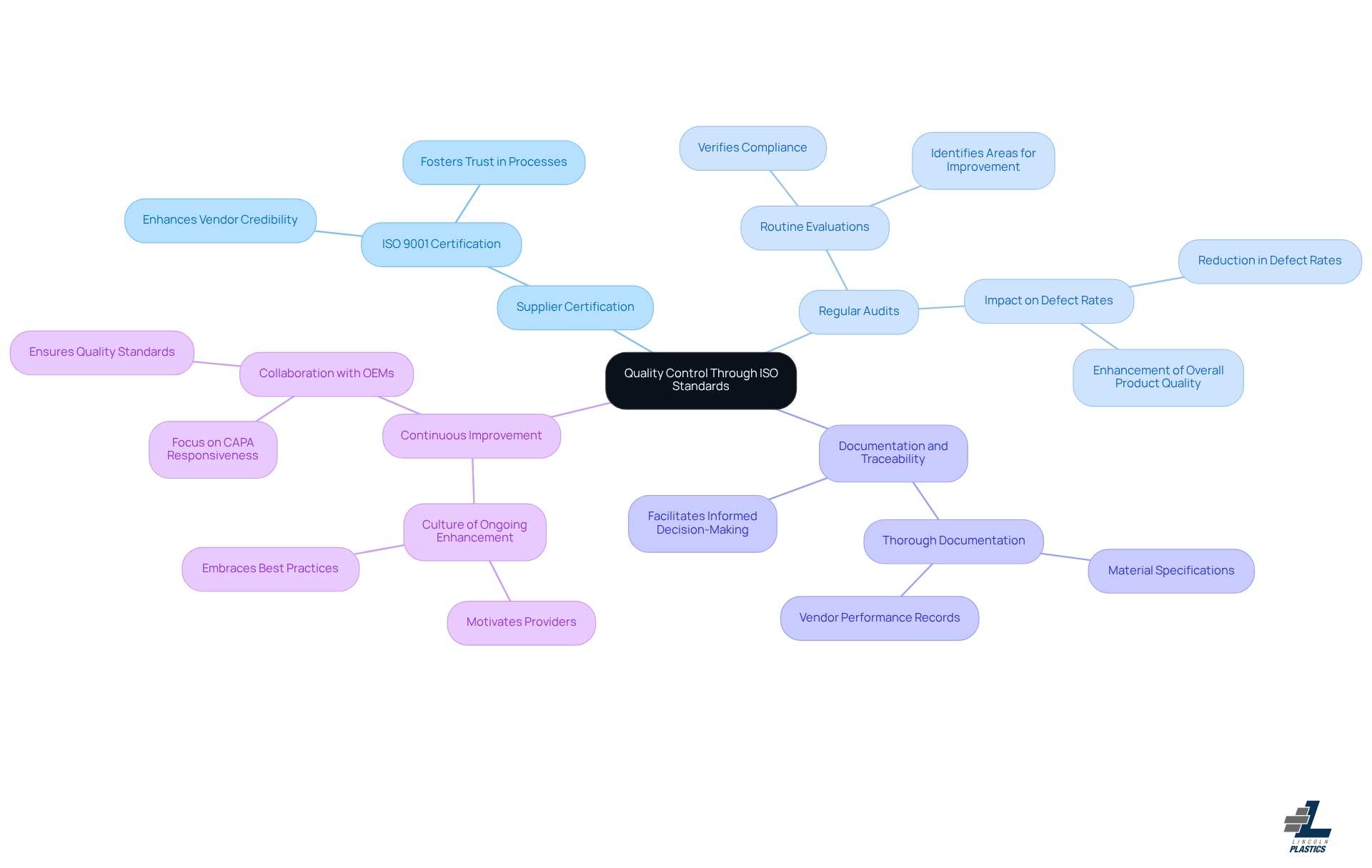
Implementing ISO standards in plastic sourcing is not just beneficial; it's essential for achieving high-quality products and effective vendor management. Key practices include:
- Supplier Certification: Opt for suppliers who hold ISO 9001 certification, which guarantees adherence to stringent quality management systems. This certification not only enhances vendor credibility but also fosters trust in their processes.
- Regular Audits: Conducting routine evaluations of vendors is essential for verifying compliance with ISO standards. These audits assess the effectiveness of quality control processes and help identify areas for improvement. Did you know that companies with robust audit practices experience a significant reduction in defect rates? This enhancement leads to overall product quality.
- Documentation and Traceability: Keeping thorough documentation of material specifications and vendor performance is crucial. It ensures traceability and accountability. How can organizations effectively track quality metrics over time? By maintaining comprehensive records, they can facilitate informed decision-making and manage risks better. At Lincoln Plastics, we ensure that our rigid profiles meet specified critical dimensions through a dedicated quality book that includes drawings, critical in-process checks, and run documentation. We also utilize multiple types of check gauges to ensure a proper end-use fit.
- Continuous Improvement: Fostering a culture of ongoing enhancement motivates providers to embrace best practices and innovate their processes. Insights from industry leaders highlight that organizations focusing on continuous improvement not only strengthen vendor relationships but also achieve better manufacturing results. We collaborate closely with OEMs to guarantee their products fulfill all quality standards, including specific assessments for fit and function, emphasizing the significance of Corrective Action and Preventive Action (CAPA) responsiveness in assessing how vendors tackle quality concerns.
By implementing ISO standards, organizations not only improve product quality but also build stronger, more reliable partnerships with suppliers. Ultimately, embracing ISO standards is a strategic move that can redefine your organization's approach to quality and supplier collaboration.
Conclusion
Navigating the complexities of plastic procurement requires a deep understanding of material properties. Recognizing how characteristics like tensile strength, flexibility, thermal resistance, and chemical resistance influence plastic performance allows procurement specialists to make informed choices tailored to specific application demands. This understanding helps you choose the right materials and plays a crucial role in the success of your manufacturing projects.
The article highlights the distinctions between thermoplastics and thermosetting plastics, emphasizing their unique attributes and applications. It underscores the importance of assessing application requirements, selecting appropriate materials based on their properties, and collaborating with knowledgeable vendors. Additionally, implementing ISO standards in sourcing practices is a critical step toward achieving quality control and fostering reliable supplier relationships, ultimately enhancing product performance and operational efficiency.
However, many procurement specialists struggle to navigate the complexities of material selection. Leveraging insights from understanding plastic properties can lead to smarter procurement strategies. By prioritizing quality and aligning material selection with project specifications, organizations can improve their product outcomes and build resilience against future uncertainties. Without this knowledge, organizations risk costly mistakes and inefficiencies in their projects. By embracing these insights, procurement professionals can not only enhance their project outcomes but also secure a competitive edge in an unpredictable market.
Frequently Asked Questions
What are the key physical properties of plastic important for manufacturing decisions?
The key physical properties of plastic include tensile strength, flexibility, thermal resistance, and chemical resistance.
What is tensile strength and why is it important?
Tensile strength measures the maximum pulling force a material can endure before failure. It is crucial for applications requiring durability, such as agricultural irrigation pipes, where high tensile strength ensures reliability under stress.
How does flexibility impact the use of plastic in products?
Flexibility refers to the ability of plastic to bend without breaking, which is essential for products like cord covers that must adapt to various shapes and conditions. Different polymers, such as POM and Nylon, exhibit varying levels of flexibility.
What is thermal resistance in plastics?
Thermal resistance indicates a material's ability to withstand heat without deforming. This property is critical in applications such as electrical conduits, where materials like polyamide-imide (PAI) are used for their outstanding thermal stability.
Why is chemical resistance important in plastics?
Chemical resistance is essential for ensuring the longevity of plastics in harsh environments, such as agricultural settings. Plastics like polypropylene are preferred for their durability against corrosive substances.
How can procurement specialists use knowledge of these properties?
By understanding the physical properties of plastic, procurement specialists can make informed selections that meet the rigorous demands of their specific applications.
List of Sources
- Clarify the Fundamental Physical Properties of Plastic
- mholland.com (https://mholland.com/market-insights/plastics-industry-trends)
- Promising breakthrough creates plastics that self-deconstruct on cue: Study (https://news.mongabay.com/2026/03/promising-breakthrough-creates-plastics-that-self-deconstruct-on-cue-study)
- plasticsnews.com (https://plasticsnews.com/opinion/viewpoint/pn-safety-sustainability-top-2026-editorial-agenda)
- Scientists Invent New Type of Reformable Plastic Material (https://plasticsindustry.org/articles/university-chicago-scientists-invent-new-type-reformable-plastic-material)
- tuofa-cncmachining.com (https://tuofa-cncmachining.com/tuofa-blog/strength-of-plastic-2026.html)
- Differentiate Between Thermoplastics and Thermosetting Plastics
- lincoln-plastics.com (https://lincoln-plastics.com/news-post/10-high-temperature-thermoplastics-for-reliable-oem-solutions)
- qtmi.com (https://qtmi.com/news)
- Thermosetting Plastics Market Size & Share, Forecast Report 2035 (https://researchnester.com/reports/thermosetting-plastics-market/5892)
- strongwell.com (https://strongwell.com/news/thermoset-vs-thermoplastics-in-the-world-today)
- finance.yahoo.com (https://finance.yahoo.com/news/trends-north-america-automotive-thermoformed-160000545.html)
- Apply Knowledge of Plastic Properties to Enhance Procurement Strategies
- tandfonline.com (https://tandfonline.com/doi/abs/10.1080/15376494.2023.2195416)
- mholland.com (https://mholland.com/market-insights/tips-for-building-a-smarter-resin-purchasing-strategy-in-2026)
- linkedin.com (https://linkedin.com/posts/oliver-giles_icis-activity-7415451221445984257-S4nU)
- 2026 Forecast for U.S. Plastics Procurement - Sterling Plastics (https://sterlingplasticsinc.com/insights/2026-forecast-for-plastics-procurement)
- Plastics Industry Faces Cost and Policy Pressures (https://plasticstoday.com/industry-trends/plastics-industry-faces-mounting-challenges-in-2026)
- Ensure Quality Control Through ISO Standards in Plastic Sourcing
- qi-a.com (https://qi-a.com/learning-center/10-key-metrics-to-track-in-supplier-quality-management)
- mdpi.com (https://mdpi.com/2071-1050/16/16/7021)
- asq.org (https://asq.org/quality-resources/more-on-quality-quotes?srsltid=AfmBOoo6hYA4pPDtVz_S0uyTjzvIUqVk1QAobgLlwqdtlPL397TLopfQ)
- smithers.com (https://smithers.com/resources/2026/january/iso-9001-news-preparing-for-the-2026-revision)
Related posts

Discover the key benefits of plastic PVC extrusion profiles for OEMs, enhancing efficiency and cost savings.


Discover top PVC extrusion manufacturers providing custom solutions for diverse industrial needs.
Discover how to select the best extruded plastics manufacturers for your project needs.
