
Master the Extrusion Machine Process: Optimize Your Production Steps
Introduction
The extrusion machine process stands as a cornerstone in manufacturing, converting raw plastic into high-quality profiles crucial for various industries. By mastering the intricacies of this process, manufacturers can significantly enhance production efficiency and product quality.
Manufacturers often grapple with challenges like inconsistent dimensions and surface defects that can hinder production efficiency. How can you ensure optimal performance and reliability in your extrusion operations?
This guide will explore effective strategies that can help you optimize your extrusion process, empowering you to elevate your production capabilities and meet the rigorous standards set by industry leaders like Lincoln Plastics.
Understand the Basics of Extrusion Process
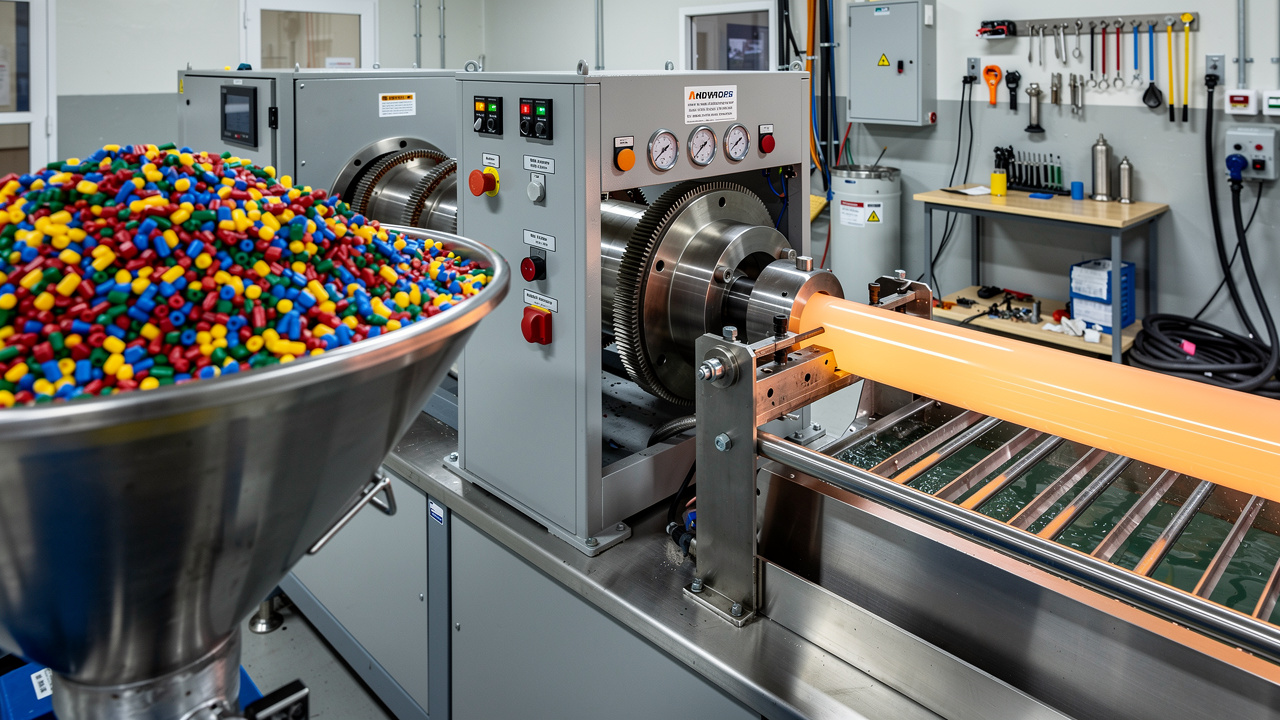
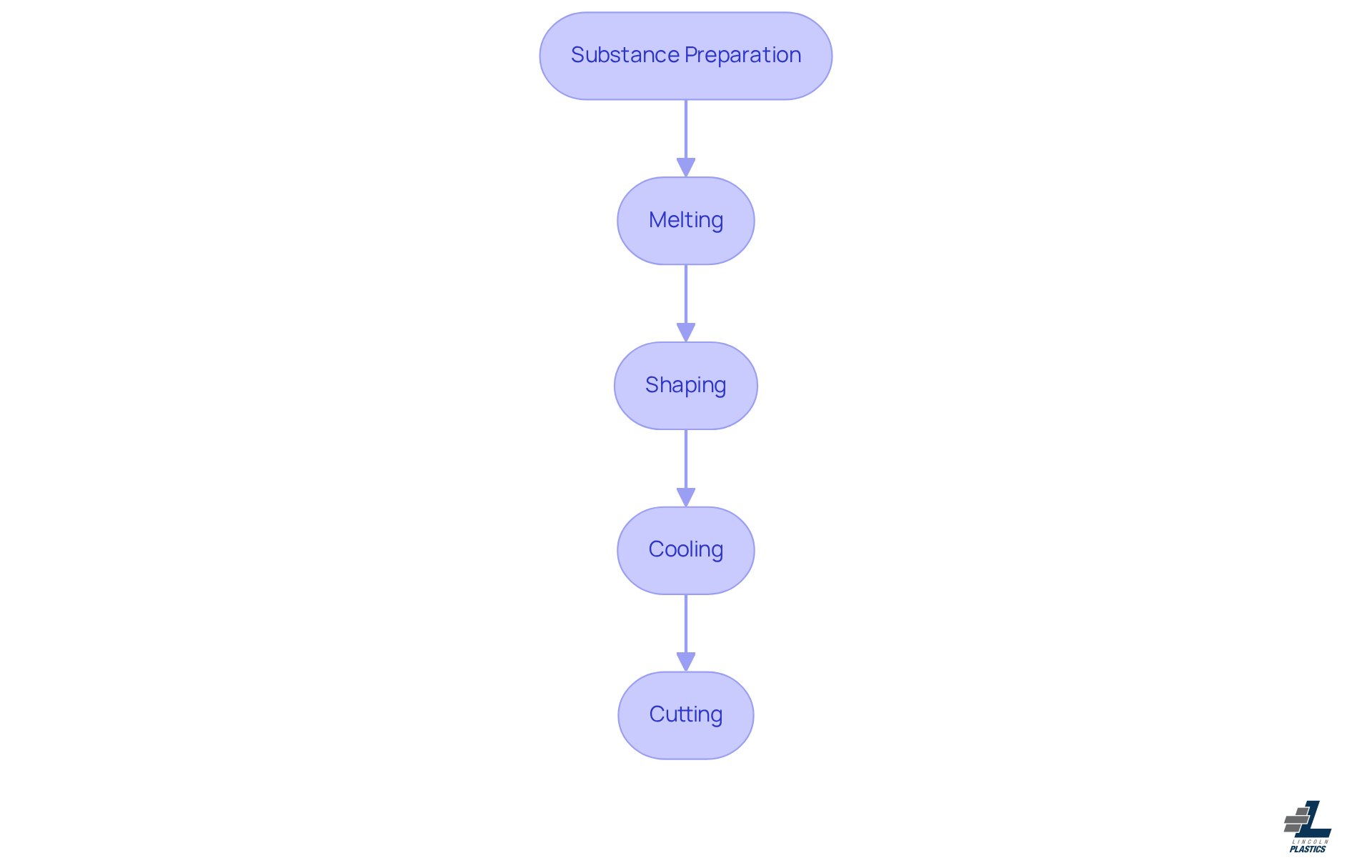
The extrusion machine process stands as a cornerstone of modern manufacturing, transforming raw plastic into high-quality, continuous profiles like pipes and custom shapes. Mastering the extrusion machine process is crucial for optimizing production and delivering exceptional quality. Understanding the key steps involved is essential:
- Substance Preparation: The process starts with the arrangement of raw substances, usually in pellet form. Moisture can lead to defects, compromising the quality of your products. Therefore, it’s vital to ensure these substances are dried and free from impurities.
- Melting: The prepared pellets are then fed into the extruder, where they are heated to their melting point. Without precise temperature control, you risk damaging the materials, which can undermine the final product's integrity.
- Shaping: Once melted, the substance is forced through a die that forms it into the desired profile. The die design is crucial, as it determines the final dimensions and surface finish of the extruded item.
- Cooling: After exiting the die, the extruded material undergoes cooling, often facilitated by water baths or air cooling, solidifying it into its final shape.
- Cutting: Finally, the extruded item is cut to specified lengths for further processing or shipping.
At Lincoln Plastics, we partner with you to understand your needs and maximize machine efficiency. We take pride in our ISO 9001:2015 certification, reflecting our unwavering commitment to quality and excellence. Recent advancements in plastic shaping technology have significantly improved our customization capabilities, allowing us to tailor material properties and forms to meet specific design requirements. For instance, we can stripe, cap stock, and run multiple layered pipe, ensuring that our products not only meet but exceed OEM specifications.
By mastering these steps and remaining updated on industry advancements, including sustainability practices and the challenges of feedstock price fluctuations, manufacturers can enhance their processing methods, particularly the extrusion machine process, ensuring consistent quality and efficiency in production. To ensure your production meets the highest standards, reach out to Lincoln Plastics for expert guidance and tailored solutions that elevate your manufacturing capabilities.
Identify Key Components of the Extrusion Machine
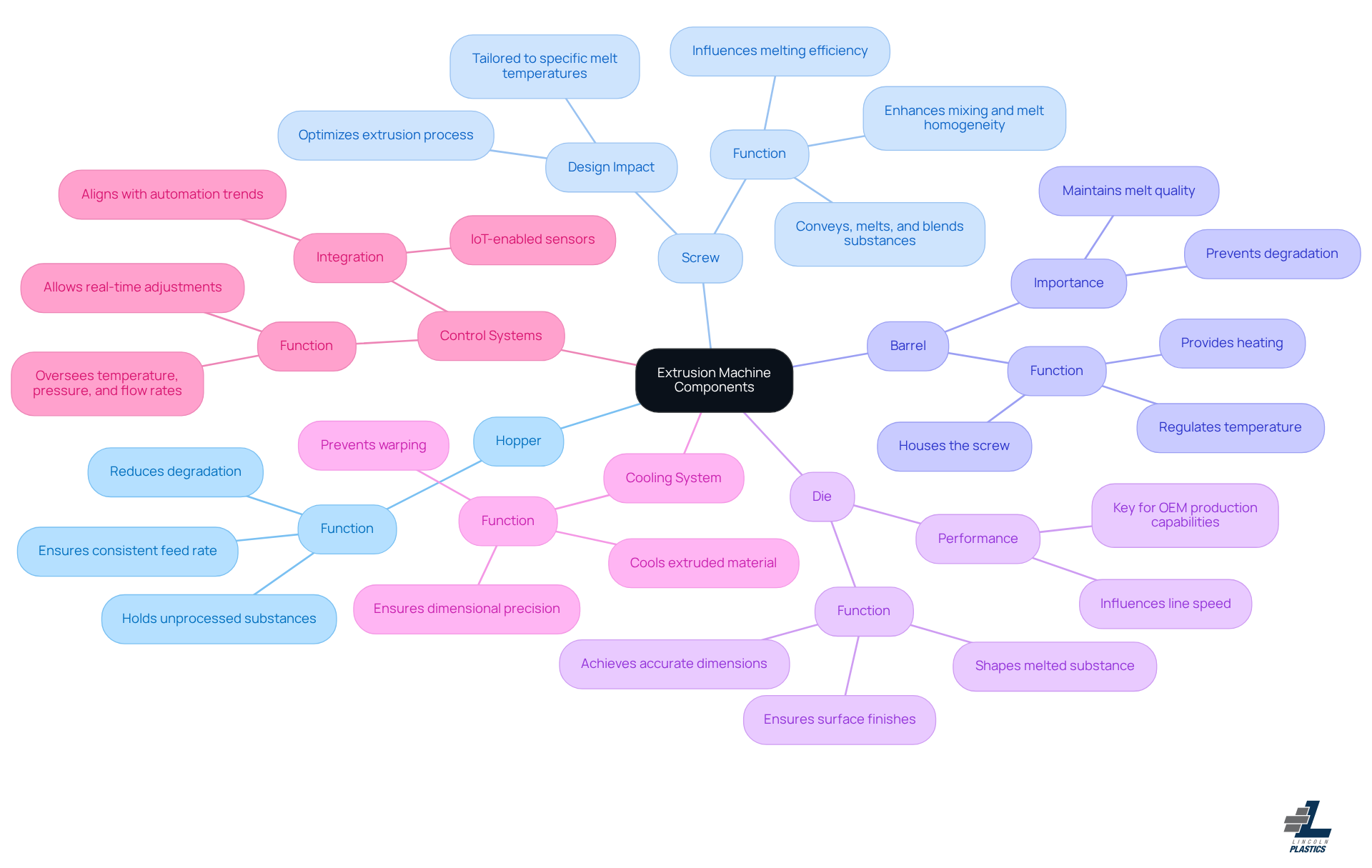
To truly excel in the extrusion process, one must grasp the critical components of the extrusion machine:
- Hopper: This component holds unprocessed substances before they enter the extruder. Its design reduces substance degradation and ensures a consistent feed rate, which is essential for maintaining product quality.
- Screw: The screw conveys, melts, and blends the substance. Its geometry and length significantly influence melting efficiency and substance flow. Advanced screw designs can enhance mixing and improve melt homogeneity, which is vital for producing high-quality extrudates. How can the right screw design impact your production? The technology is sophisticated and tailored to specific melt temperatures and outputs, aligning with best practices for optimizing the extrusion machine process and plastic profiles.
- Barrel: Housing the screw, the barrel provides necessary heating. Proper temperature regulation within the barrel is essential; maintaining the correct temperature ensures optimal melting and prevents degradation, directly affecting the standard of the final product. As highlighted in the case study on 'Melting and Plasticizing in Extrusion,' effective temperature management is vital for maintaining melt quality during the extrusion machine process.
- Die: The die is crucial for shaping the melted substance into the desired profile. Its design and upkeep are vital for achieving accurate dimensions and surface finishes, which are necessary for performance. The die's effectiveness can be seen in the line speed for extruding a 6.35 mm thick 3-layer coextruded ABS sheet, which is about 1 meter per minute. Mastering die design is a key practice for OEMs looking to enhance their production capabilities, especially when considering Lincoln Plastics' extrusion machine process for co-extrusion of multi-color or multi-material profiles.
- Cooling System: After exiting the die, the extruded material must be cooled to solidify its shape. Efficient cooling systems prevent warping and ensure dimensional precision, which is essential for maintaining integrity.
- Control Systems: Contemporary molding machines frequently include automated control systems that oversee temperature, pressure, and flow rates. These systems allow for real-time adjustments, optimizing performance and enhancing production efficiency. The integration of IoT-enabled sensors will monitor these parameters in real time, aligning with current trends in automation and smart technologies.
When operators understand these components, they can make smarter choices about maintenance and adjustments. This leads to better production efficiency and higher product standards. For example, effective management of pressure dynamics during the shaping process ensures uniform flow and prevents defects, such as gels caused by trapped air. As highlighted by industry specialists, grasping the interaction between these elements is essential to mastering the shaping process, which is a commitment evident in Lincoln Plastics' stringent quality management strategies, including ISO 9001:2015 certification. For tailored solutions or quotes, we invite you to contact Lincoln Plastics experts.
Implement Strategies for Process Optimization
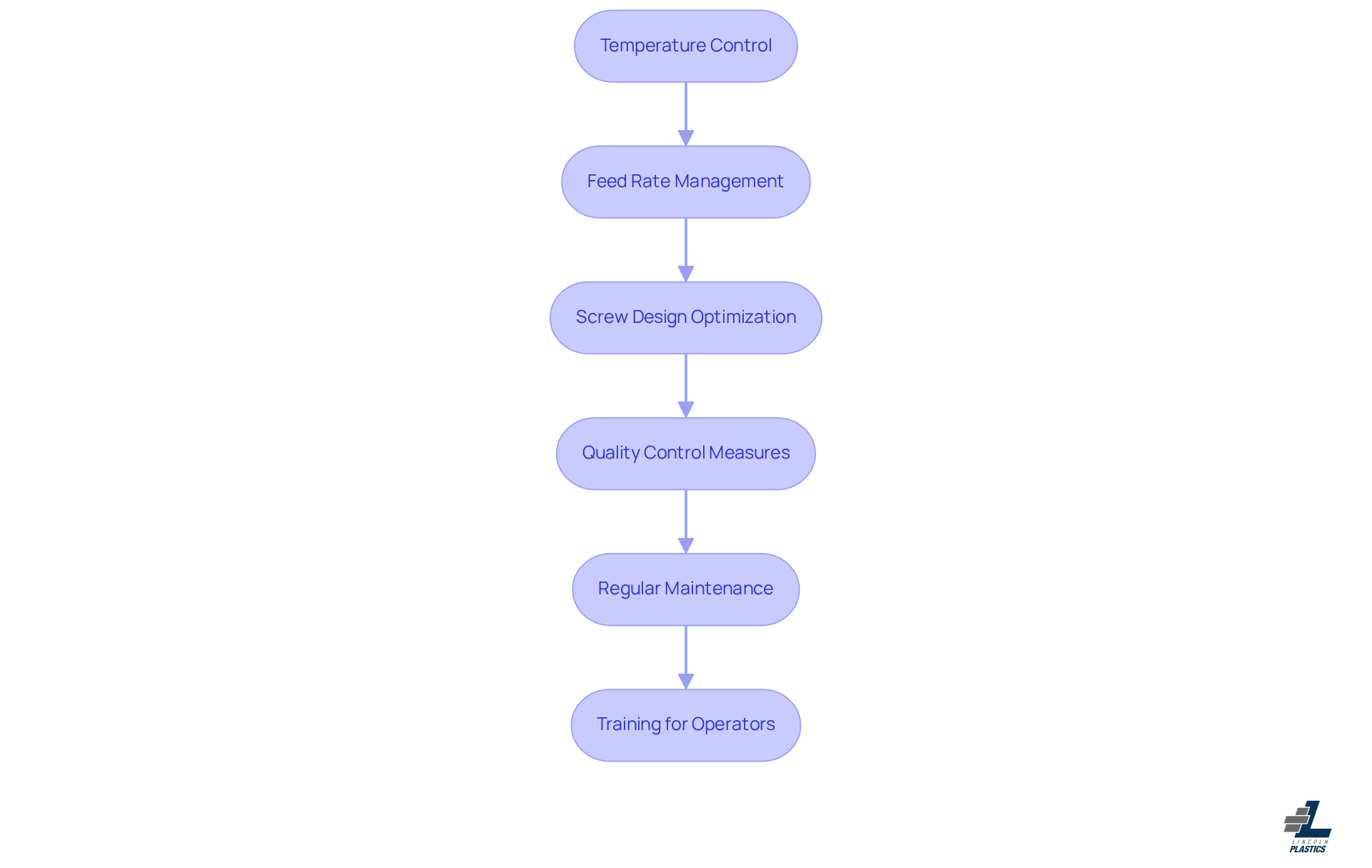
To elevate your extrusion process, consider these proven strategies that ensure quality and efficiency:
- Temperature Control: Calibrate barrel and die heaters regularly to maintain consistent temperatures and prevent defects. Cold spots can lead to uneven melting, compromising product integrity. Maintaining a Melt Temperature Stability (MTS) within a ΔT of less than 1°C is crucial for achieving high-quality outputs.
- Feed Rate Management: Ensure a consistent feed rate of raw materials into the extruder to maintain output quality. Variations can cause fluctuations in quality. Employing gravimetric feeders enables accurate control, guaranteeing a uniform substance flow that enhances consistency.
- Screw Design Optimization: Optimize screw design based on your specific materials and product requirements. Modifications to screw geometry can greatly improve mixing and melting efficiency, essential for preserving product standards.
- Quality Control Measures: Utilize in-line monitoring systems to continuously track critical parameters like temperature, pressure, and material flow. By monitoring in real-time, you can make immediate adjustments, reducing scrap rates that can exceed 65% from thermal inconsistencies. At Lincoln Plastics, our robust management program, certified to ISO 9001:2015, includes dedicated assurance manuals and in-process checks, ensuring that every item meets stringent specifications. We also utilize multiple types of check gauges to ensure a proper end-use fit.
- Regular Maintenance: Create a routine maintenance schedule for your shaping equipment to ensure optimal performance. Regular maintenance helps prevent unexpected breakdowns and maintains production efficiency.
- Training for Operators: Provide comprehensive training for machine operators to enhance their understanding of equipment and issue identification. Well-trained staff can significantly reduce downtime and improve overall efficiency, contributing to a more stable production environment.
By adopting these strategies, you not only enhance production quality in the extrusion machine process but also significantly reduce costs, positioning your operations for success. Lincoln Plastics is dedicated to collaborating with OEMs to guarantee that all items satisfy standards, including specific assessments for fit and function.
Troubleshoot Common Extrusion Challenges
Common challenges in the extrusion machine process can lead to costly delays and inferior products. Here are essential troubleshooting tips to address these issues:
- Inconsistent Product Dimensions: Inspect the die for any blockages or signs of wear, as these can lead to uneven material flow. Additionally, ensure that the cooling system functions effectively to maintain the desired shape of the extruded item. Upgrading cooling devices has been shown to stabilize dimensions, reducing defects related to thermal contraction. A case study on upgrading cooling devices demonstrated improved stability in product dimensions, minimizing defects associated with thermal contraction.
- Surface Defects: Surface imperfections often arise from temperature variations or contamination of substances. Keep a close eye on temperature settings. Excessive barrel or die temperatures can cause thermal degradation. Ensure that raw substances are clean and adequately dried to prevent moisture-related defects. Notably, surface defects like sharkskin can arise from high shear rates at the die exit, emphasizing the need for careful temperature management.
- Material Flow Issues: Surging or uneven flow can indicate problems with the feed throat. Check for obstructions and confirm that the screw design is appropriate for the substance being processed. Implementing effective degassing devices can minimize air build-up, which is a common cause of flow inconsistencies. Variations in substance flow can result in inconsistent weights of items, emphasizing the significance of steady feed rates.
- Color Variations: For co-extruded products, ensure thorough mixing of colorants and balance the feed rates for different materials. Color inconsistencies often arise from uneven dispersion of pigments, which can be mitigated by optimizing mixing parameters and maintaining consistent processing conditions. A case study on streaking and color shade variations revealed that implementing a pre-mixing system can enhance color consistency.
- Equipment Malfunctions: It's essential to regularly inspect and maintain all components of your molding machines. Look for signs of wear or damage, particularly in the screw and barrel, as these can lead to significant production issues. Preventive maintenance routines can help avoid unforeseen breakdowns and ensure smooth operation. A case study on the extrusion machine process highlighted the importance of regular maintenance to keep the extruder running smoothly.
- Operator Errors: Ensure that operators are well-trained and familiar with the equipment. Misunderstandings regarding machine settings can lead to substantial production challenges. Training programs that concentrate on resolving typical production issues can enable operators to sustain high production efficiency. As Tom Hanvey, Associate Director of Marketing & Sustainability at Asahi Kasei Plastics North America, stated, "Comprehending and tackling common challenges in twin-screw processing is crucial for sustaining high production efficiency and item excellence."
By addressing these challenges head-on, you can not only improve product quality but also enhance your bottom line.

Conclusion
Mastering the extrusion machine process is not just beneficial; it's essential for manufacturers striving for excellence. Understanding each step-from substance preparation to cutting-allows operators to enhance efficiency and product integrity significantly. The commitment to excellence, as exemplified by Lincoln Plastics' ISO 9001:2015 certification, underscores the importance of rigorous quality management and continuous improvement in the extrusion process.
Key strategies for optimizing production include:
- Effective temperature control
- Consistent feed rate management
- Regular maintenance of equipment
Additionally, understanding the critical components of the extrusion machine, such as the hopper, screw, and die, allows for informed decision-making that can lead to improved product quality. However, many manufacturers struggle with inconsistent dimensions and surface defects, which can hinder their ability to maintain high standards and reduce costs.
This partnership not only enhances product quality but also drives innovation. By collaborating with experts at Lincoln Plastics, manufacturers can access tailored solutions that meet their specific needs, ensuring that they remain competitive in the ever-evolving landscape of plastic manufacturing. Taking the step to collaborate with Lincoln Plastics could redefine your production capabilities and set you apart in the industry.
Frequently Asked Questions
What is the extrusion process in manufacturing?
The extrusion process is a manufacturing technique that transforms raw plastic into high-quality, continuous profiles such as pipes and custom shapes.
What are the key steps involved in the extrusion process?
The key steps in the extrusion process include substance preparation, melting, shaping, cooling, and cutting.
Why is substance preparation important in the extrusion process?
Substance preparation is crucial because raw materials, usually in pellet form, must be dried and free from impurities to prevent defects in the final product.
How are the pellets processed during the melting stage?
The prepared pellets are fed into the extruder and heated to their melting point, where precise temperature control is essential to avoid damaging the materials.
What role does the die play in the extrusion process?
The die shapes the melted substance into the desired profile, determining the final dimensions and surface finish of the extruded item.
How is the extruded material cooled after shaping?
After exiting the die, the extruded material is cooled using water baths or air cooling to solidify it into its final shape.
What happens to the extruded item after cooling?
The extruded item is cut to specified lengths for further processing or shipping.
What quality management practices does Lincoln Plastics implement?
Lincoln Plastics follows a rigorous quality management program, including ISO 9001:2015 certification, dedicated quality plans, and in-process checks to ensure high standards.
How does Lincoln Plastics enhance customization capabilities in extrusion?
Lincoln Plastics has advanced plastic shaping technology that allows for tailored material properties and forms, including striping, cap stock, and multi-layered pipes.
What should manufacturers do to ensure consistent quality in the extrusion process?
Manufacturers should master the key steps of the extrusion process and stay updated on industry advancements, including sustainability practices and feedstock price fluctuations.
How can I get expert guidance from Lincoln Plastics?
You can reach out to Lincoln Plastics for expert guidance and tailored solutions to elevate your manufacturing capabilities.
List of Sources
- Understand the Basics of Extrusion Process
- Extrusion 2026 Registration Opens (https://ptonline.com/news/extrusion-2026-registration-opens)
- Shaping the Future: Innovations in Plastic Extrusion Techniques - SeaGate Plastics Company (https://seagateplastics.com/shaping-the-future-innovations-in-plastic-extrusion-techniques)
- Plastics Extrusion: 4 Critical Statistics to Track for Increased Quality & Plant Profit (https://gaugeadvisor.com/plastics-extrusion-4-critical-statistics-to-track-for-increased-quality-plant-profit)
- The Extrusion Industry in 2026-2027: Innovations, Trends, and Opportunities (https://plextrusions.com/extrusion-blog/the-extrusion-industry-in-2026-2027-innovations-trends-and-opportunities)
- Identify Key Components of the Extrusion Machine
- Extrusion - Screw design, operating principle, process types, and optimization (https://specialchem.com/plastics/guide/an-in-depth-look-at-extrusion)
- How does an extruder machine work? (2026 Industry Guide) - Suzhou Jwell Machinery Co., Ltd (https://jwellmachine.com/how-does-an-extruder-machine-work-2026-industry-guide)
- Interplas Insights | Latest Plastics Extrusion Machinery News (https://interplasinsights.com/plastics-machinery/plastics-extrusion-machinery-news)
- 10 new extrusion technologies reshaping plastics processing in 2026 (https://plasticsmachinerymanufacturing.com/extrusion/article/55395844/10-new-extrusion-technologies-reshaping-plastics-processing-in-2026)
- Implement Strategies for Process Optimization
- Technology Notebook: Optimizing the extrusion process and melt stream (https://plasticstoday.com/plastics-processing/technology-notebook-optimizing-the-extrusion-process-and-melt-stream)
- What Is the Importance of Temperature Control in the Extrusion Process? – Professional Plastic Extrusion Machine Manufacturer in China (https://nlyextruder.com/what-is-the-importance-of-temperature-control-in-the-extrusion-process)
- Mastering Plastic Extrusion Temperature for Optimal Production (https://lincoln-plastics.com/news-post/mastering-plastic-extrusion-temperature-for-optimal-production)
- How Does Temperature Control Affect Plastic Extrusion Quality - JURRY (https://jurryextrusion.com/news/how-does-temperature-control-affect-plastic-extrusion-quality)
- Troubleshoot Common Extrusion Challenges
- 12 Extrusion Defects and Troubleshooting - Elastron (https://elastron.com/blog/12-extrusion-defects-and-troubleshooting)
- Common problems in the plastic extrusion process - SHARC (https://sharcpm.com/news/common-problems-in-the-plastic-extrusion-process)
- Extrusion Troubleshooting: Root Causes & Expert Engineering Solutions (https://jwellanhui.com/extrusion-troubleshooting-root-causes-expert-engineering-solutions)
- Common problems in the plastic extrusion process | Bausano (https://bausano.com/en/press-and-news/common-problems-in-the-plastic-extrusion-process)
- Twin-Screw Extrusion Problems & Solutions for Better Output (https://asaclean.com/blog/addressing-common-issues-in-twin-screw-extrusion-troubleshooting-guide)
Related posts

Custom Colors & Branding in Extrusion
Lincoln Plastics delivers Pantone-matched colors, striping, and finishes in extrusion for OEMs — combining performance with branding.


How We Solve Problems When Standard Parts Don’t Work
Lincoln Plastics solves challenges OEMs face when standard parts don’t work — delivering custom extrusions that improve fit, cost, and reliability.
Cable & Cord Protection in High-Traffic Environments
Lincoln Plastics manufactures durable cord covers and management solutions to keep high-traffic environments safe, organized, and compliant.
