
Master Strain Relief Clamps for Range Cords: Installation & Benefits
Introduction
Strain relief clamps are key players when it comes to keeping electrical systems safe and running smoothly, especially for range cords. These handy tools not only help prevent damage from tension and bending but also ensure that you’re following safety regulations, which can significantly lower the chances of electrical failures. You might be asking yourself: how can the right strain relief clamp boost both performance and compliance in different settings? In this article, we’ll dive into the installation process, explore the various types, and highlight the many benefits of strain relief clamps. By the end, you’ll have the insights you need to make smart choices for your electrical setups.
Define Strain Relief Clamps and Their Role in Electrical Safety
for range cords are super important mechanical tools that help keep wires and hoses safe from damage caused by too much tension, bending, or twisting. Their main job is to secure connection points, which can lead to pesky issues like short circuits, arcing, or even electrical fires. By soaking up stress, these devices help maintain the integrity of electrical connections, which significantly cuts down the risk of failures while systems are running.
But the importance of stress alleviation devices goes beyond just keeping things safe; they’re key to compliance in electrical setups. The National Electrical Code actually requires their use, highlighting how necessary they are in professional environments. Did you know that proper installation of these support devices can boost safety rates? This means less potential liability for both producers and homeowners.
Let’s look at some real-world examples that show how effective support devices can be in industrial settings. In high-vibration environments, like factories or machinery operations, these fasteners ensure that wires stay put, reducing the chances of disconnection or damage. By spreading physical and mechanical pressure evenly across wires, support devices not only protect them from mechanical forces but also enhance the overall safety of installations. Their role in keeping wires intact is crucial, especially in situations where wires face tough conditions or constant movement. So, incorporating a strain relief clamp for range cords into your setup isn’t just a good idea; it’s a vital part of ensuring safety and reliability.
With Lincoln Plastics' innovative products, which come in 6’ pre-split lengths for easy installation, you can take safety and productivity to the next level. By effectively managing cords and wires, you’ll minimize hazards and create a smoother, safer environment.
Explore Different Types of Strain Relief Clamps for Range Cords
When it comes to devices, there are quite a few options out there, each tailored for specific applications and environments. Let’s break down some of the most common types you might encounter:
- Cable clamps: These handy devices secure wires to surfaces, minimizing movement and reducing stress on the line. This is super important for keeping everything intact in various installations.
- Sealing clamps: Ever seen those clamps that create a tight seal around the wire? They’re designed to prevent pullout and protect against environmental factors, making sure everything runs smoothly even in tough conditions.
- Bushings: Usually made from rubber or plastic, bushings fit snugly into holes. They absorb stress right at the entry point, which helps extend the lifespan of your connections.
- Strain relief connectors: This design is pretty neat! It distributes stress evenly across the wire, boosting flexibility and durability—perfect for applications where movement is frequent.
- Heavy-duty clamps: Known for their strength, these tools are ideal for securing cables, offering high durability and protection against damage from pulling or stretching.
So, why does choosing the right support device matter? Enhancing performance and ensuring the longevity of your range cords can be achieved by using a strain relief clamp. Each type has its own perks, so it’s essential to think about what your needs are. What do you think would work best for your situation?

Install Strain Relief Clamps: A Step-by-Step Guide
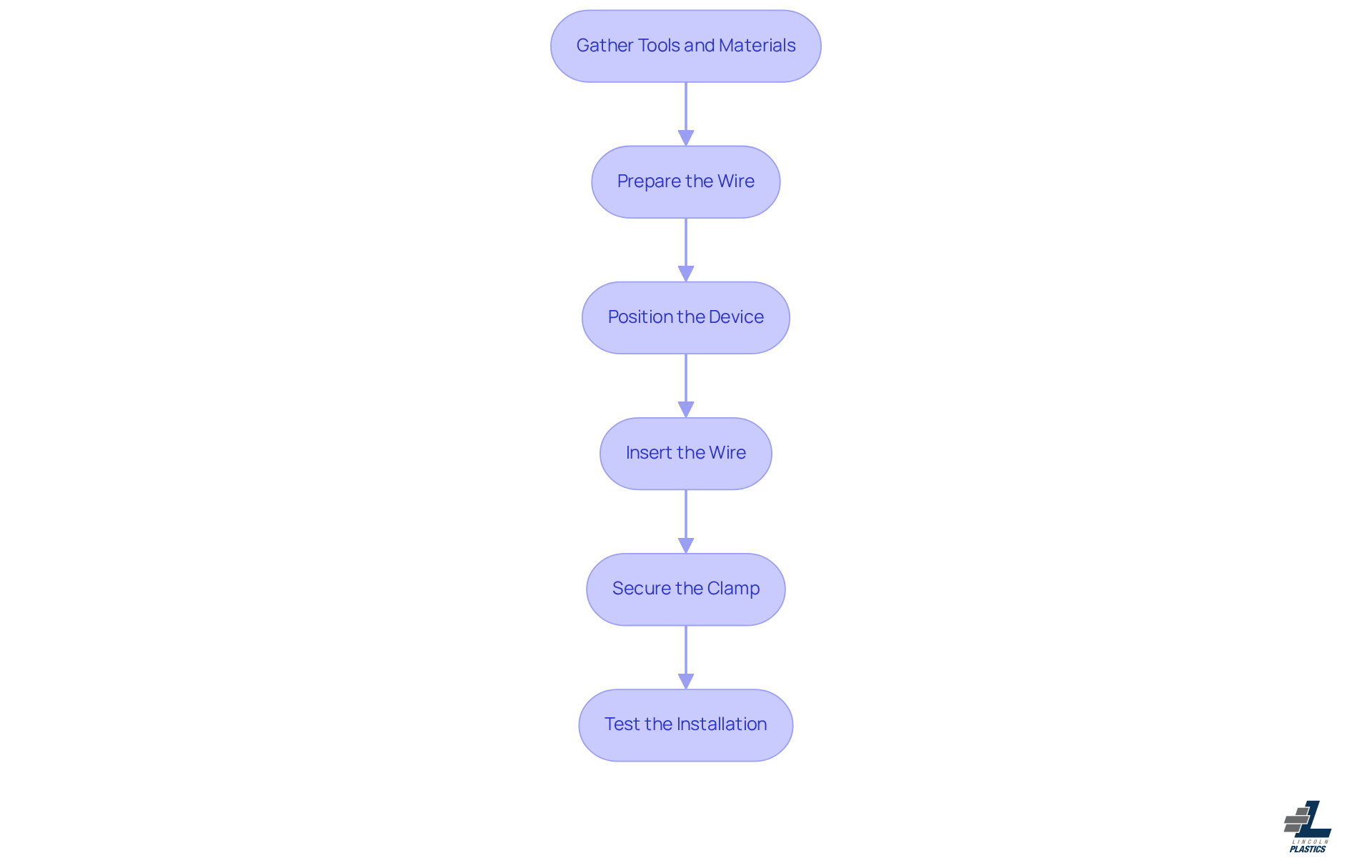
Installing strain relief clamps is a pretty straightforward task, and you can easily do it with just a few basic tools. By sticking to some guidelines, you can make sure everything is secure and effective. So, let’s dive into the steps for a successful installation!
First off, gather your tools and materials. You’ll need a support device, screws, a screwdriver, and maybe a drill. Having everything on hand can really cut down on your installation time.
Next, prepare the wire. Cut it to the length you need and strip back the insulation to expose the conductors. Proper prep is key to avoiding mistakes that could slow you down later.
Now, let’s talk about positioning the device. Place the support fixture at the entry point of the electrical apparatus or junction box, making sure it aligns well with the wire. Getting this right is crucial for the effective use of a strain relief clamp.
Then, insert the wire. Guide it through the holder, ensuring it fits snugly without too much force. Remember, don’t overtighten! This can damage the cable insulation. As electrical engineer Kevin Norris puts it, 'Do not overtighten for range cord, as this can fray the cord insulation and possibly expose a wire.'
After that, secure the clamp. Use screws to attach it to the mounting surface. Make sure it’s tight enough to hold the wire but not so tight that it risks causing damage.
Finally, test the installation. Give the wire a gentle tug to confirm it’s securely in place and that there’s no excessive movement. This step is super important for ensuring the longevity and safety of your setup.
By following these steps, you’ll have your strain relief clamps installed properly, providing the protection your range cords need. Remember, as electrical engineers emphasize, strain relief clamps are vital to prevent mechanical stress that can lead to failures. Tools like screwdrivers can really help with installation, making the whole process smoother. And don’t forget to watch out for common mistakes, like ignoring stress relief or overtightening, which can lead to early failures. If you’re working outdoors, keep environmental factors in mind, like harsh weather that might affect your installation and safety.
Understand the Benefits of Using Strain Relief Clamps in Range Cords
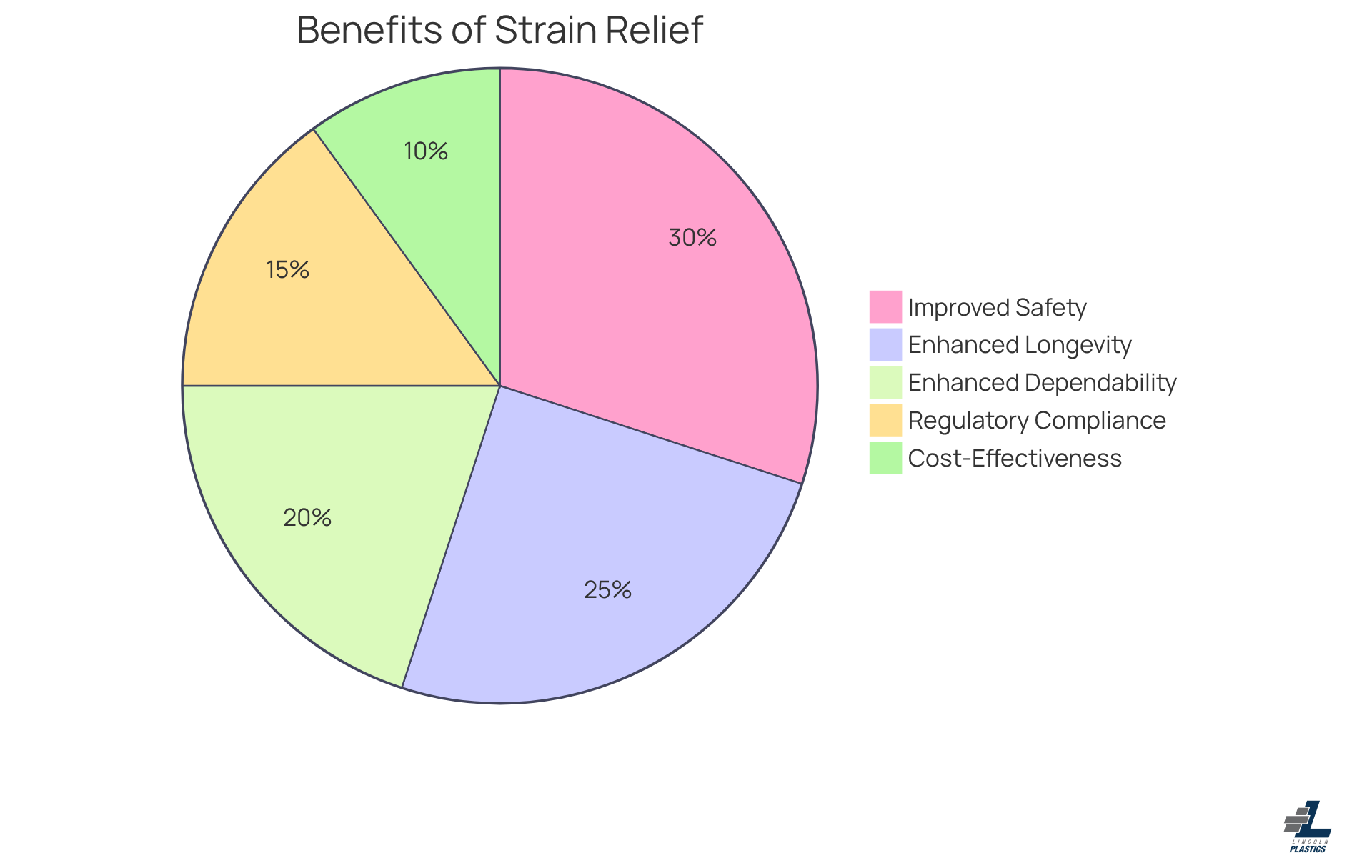
Using strain relief clamps in range cords comes with a bunch of benefits that you might find interesting:
- Improved Safety: These clamps really help cut down the chances of electrical shorts, and even fires by taking the pressure off cables. Keeping things safe is super important, right?
- Extended Lifespan: By minimizing wear and tear, these devices can actually extend the life of your cables. This means they’ll keep working well for longer, which is especially handy in places where things are always moving around.
- Enhanced Dependability: When you relieve the right amount of pressure, it makes equipment less likely to fail. This means your appliances and equipment run smoothly, helping you stay productive and avoid downtime.
- Compliance with Regulations: Did you know that many electrical codes require strain relief clamps? Installing them isn’t just a good idea; it’s often a legal must. Following these rules keeps you safe and helps avoid any potential fines.
- Cost Savings: By preventing damage and cutting back on repairs or replacements, these clamps can save you a good chunk of change over time. This is especially important for businesses looking to make the most of their budgets.
So, integrating support clamps into your electrical setups is a smart move that enhances safety, reliability, and overall effectiveness. Plus, strain relief clamps come in different types—like pulling, supporting, and sealing—each serving a unique purpose that enhances their effectiveness. For instance, Medlon’s methods for relieving pressure have shown to improve durability and lower maintenance costs in many cases. This really highlights the tangible benefits of these components. And remember, industry experts agree that an effective strain relief clamp for range cord is crucial for keeping equipment intact, especially in tough environments.
Now, what do you think? Are you ready to consider adding a strain relief clamp for range cord to your setup?
Conclusion
Strain relief clamps for range cords are super important for keeping electrical systems safe and lasting longer. These handy devices not only protect against damage from mechanical stress but also help you stay compliant with safety regulations. By absorbing tension and reducing wear at connection points, they play a vital role in preventing electrical hazards. This makes them a must-have in both homes and industrial settings.
Throughout this article, we’ve looked at different types of strain relief clamps, each crafted for specific functions and environments. From mechanical fasteners to cord grips and bushings, every type boosts the performance and durability of electrical installations. Plus, the step-by-step installation guide provided some practical insights on how to secure these clamps properly, ensuring your electrical connections are well protected.
Incorporating strain relief clamps into your electrical setups isn’t just a precaution; it’s a necessity! It enhances safety, reliability, and even cost-effectiveness. By investing in these devices, you can significantly lower the risk of electrical failures, comply with regulations, and extend the lifespan of your equipment. So, embracing strain relief clamps is truly a proactive step toward safeguarding your electrical systems and creating a smoother, safer operational environment. Why wait? Let’s get started on making your setups safer today!
Frequently Asked Questions
What are strain relief clamps and what is their primary function?
Strain relief clamps are mechanical tools that protect electrical cables, wires, and hoses from damage caused by tension, bending, or twisting. Their primary function is to prevent wear and tear at connection points, reducing the risk of issues like short circuits, arcing, or electrical fires.
Why are strain relief clamps important for electrical safety?
Strain relief clamps are crucial for maintaining the integrity of electrical connections, which significantly reduces the risk of failures during operation. They also help ensure compliance with safety regulations, as their use is required by the National Electrical Code in professional environments.
How do strain relief clamps contribute to safety compliance?
Proper installation of strain relief clamps can enhance electrical safety compliance rates, thereby reducing potential liability for producers and homeowners.
In what environments are strain relief clamps particularly effective?
Strain relief clamps are especially effective in high-vibration environments, such as factories or machinery operations, where they help ensure that wires remain secure and reduce the chances of disconnection or damage.
How do strain relief clamps manage mechanical stress on wires?
Strain relief clamps spread physical and mechanical pressure evenly across wires, protecting them from mechanical forces and enhancing the overall safety of electrical systems.
What products does Lincoln Plastics offer related to strain relief clamps?
Lincoln Plastics offers innovative Flexiduct solutions, which come in 6’ pre-split lengths for easy installation, helping to manage cords and wires effectively and create a safer workplace environment.
List of Sources
- Define Strain Relief Clamps and Their Role in Electrical Safety
- maxdao.com (https://maxdao.com/news-event/maxdao-launches-colored-strain-relief-grip-to-protect-equipment-connections-and-enhance-aesthetic-environments)
- electricalsupplycenter.com (https://electricalsupplycenter.com/blogs/news/cable-clamps-electrical-safety?srsltid=AfmBOopXk9VSzfpjXCDqznOmiq1wqS--Z60CX0suQEK-TD8hzciW8wsn)
- cenrf.net (https://cenrf.net/news/what-is-the-function-of-cable-clamp-76412023.html)
- aerosusa.com (https://aerosusa.com/blog)
- Explore Different Types of Strain Relief Clamps for Range Cords
- maxdao.com (https://maxdao.com/news-event/maxdao-launches-colored-strain-relief-grip-to-protect-equipment-connections-and-enhance-aesthetic-environments)
- etco.com (https://etco.com/cable-strain-relief-clamp-protects-cords-in-critical-applications)
- press.igus.com (https://press.igus.com/2022/02/01/strain-relief-clamps)
- linkedin.com (https://linkedin.com/pulse/us-strain-relief-cord-grip-market-type-iqjsf)
- futuremarketinsights.com (https://futuremarketinsights.com/reports/metal-cord-grips-market)
- Install Strain Relief Clamps: A Step-by-Step Guide
- thespruce.com (https://thespruce.com/how-to-connect-a-range-cord-1152254)
- essentracomponents.com (https://essentracomponents.com/en-us/news/solutions/wire-cable/guide-to-cable-strain-relief-and-protection?srsltid=AfmBOopBat0eIoMr8qOe9XKVNPs-oJI8nC99siuct-n-kfTdDq_TMHgx)
- cloomtech.com (https://cloomtech.com/wire-strain-relief-methods)
- victoryele.com (https://victoryele.com/blog/what-is-the-installation-time-for-a-cable-clamp-986829.html)
- vital-parts.co.uk (https://vital-parts.co.uk/how-to-install-strain-relief-bushings-258-w.asp)
- Understand the Benefits of Using Strain Relief Clamps in Range Cords
- cloomtech.com (https://cloomtech.com/wire-strain-relief-methods)
- medlonchina.com (https://medlonchina.com/Power-Connector-Strain-Relief-Techniques-for-Enhanced-Durability.html)
- weyer-electric.com (https://weyer-electric.com/news/revealing-the-importance-and-advantages-of-cable-gland)
- blog.ericson.com (https://blog.ericson.com/blog/the-importance-of-wire-mesh-strain-relief-for-portable-cords)
- stex24.com (https://stex24.com/guide/strain-relief?srsltid=AfmBOoo65SKC9Z4nNgU4YMsuP5iDeujbwQbbcIdt6QVqHWfkQjkQoKOk)


