
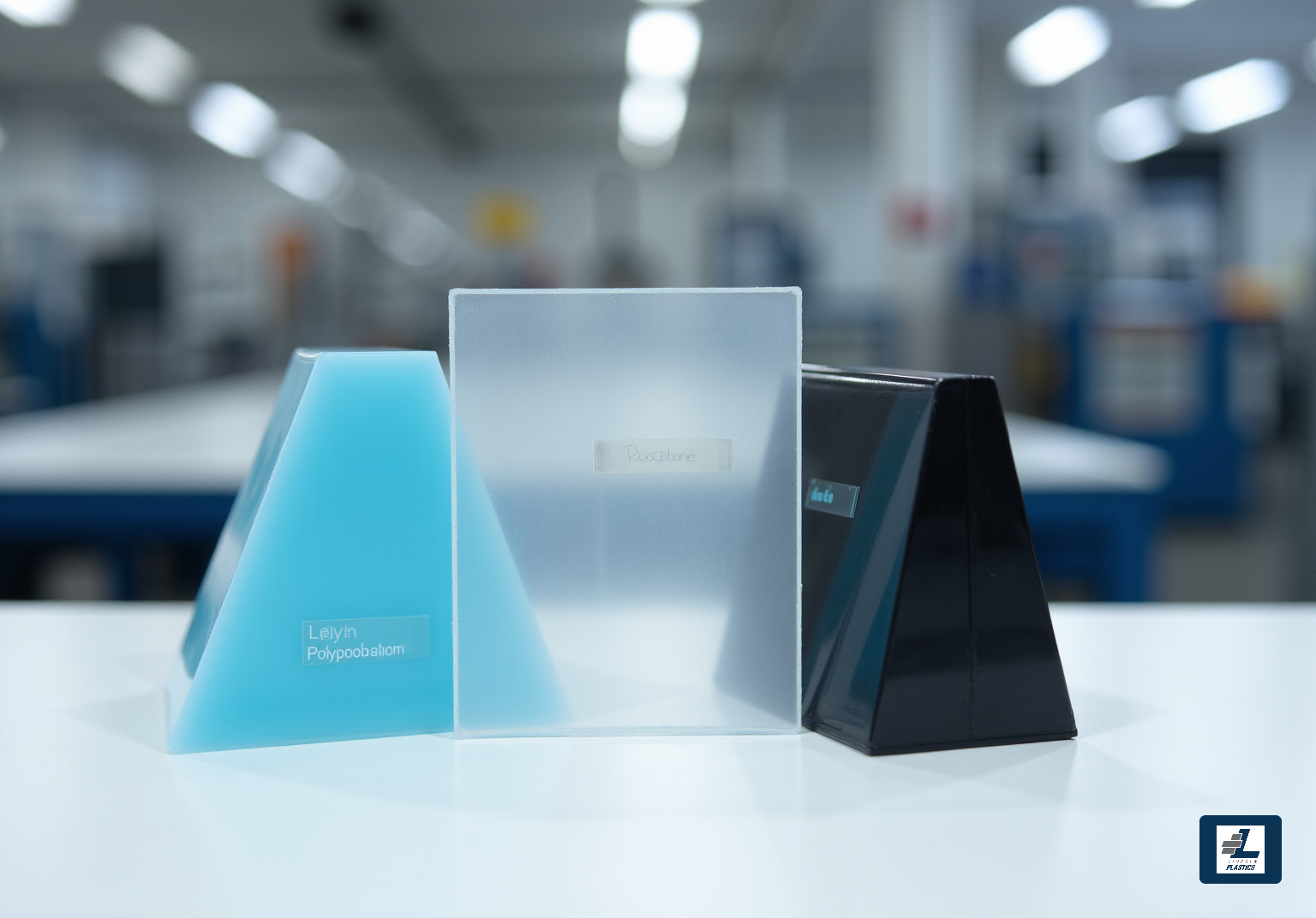
Master Sourcing Rigid Plastic Components for Manufacturing Success
Introduction
Have you noticed how rigid plastic materials are changing the game in manufacturing? They’re not just strong; they’re incredibly versatile, making them a go-to choice for all sorts of applications. As more industries lean on these materials, it’s super important to understand what makes them tick and how to source them effectively.
But here’s the kicker: with so many suppliers out there, market trends shifting like the wind, and negotiation tactics that can feel like a chess match, how do manufacturers make the best choices for their production needs? It’s a tough spot to be in, right? By diving into these challenges, you can boost your operational efficiency and set yourself up to thrive in a competitive market. So, let’s explore this together!
Understand Rigid Plastic Characteristics and Applications
Rigid materials are pretty amazing, right? Their strength, durability, and resistance to deformation make them extremely important in various applications. Let’s break down the main types you might come across:
Each one has its own unique traits that fit different needs.
Polypropylene is a lightweight champ! It’s highly resistant to chemicals, making it perfect for packaging and automotive parts. Plus, it can be both rigid and flexible, which is a big win for various industries.
Now, let’s talk about Polycarbonate. This material is famous for its toughness and crystal-clear optical clarity. You’ll often find it in safety glasses, electronic housings, and other places where you need both transparency and strength. It can handle extreme conditions, so it’s a go-to in industries that need reliability.
And then there’s ABS. This one’s known for its impact resistance, making it a favorite in consumer goods and automotive parts. Its adaptability means it can handle intricate designs while still performing like a champ, which is why it’s a staple in the production of toys.
By understanding these materials and their unique characteristics, producers can make informed decisions for their products. This ensures they get the best performance in terms of weight, strength, and environmental resistance. Lately, it seems like the market for these materials is shifting a bit. Polypropylene is gaining popularity due to its cost-effectiveness and versatility, while Polycarbonate and ABS are gaining ground in specialized areas like electronics and automotive manufacturing, particularly in the production of components.
So, what do you think? Are you ready to dive deeper into the world of materials?

Evaluate Supplier Reliability and Quality Standards
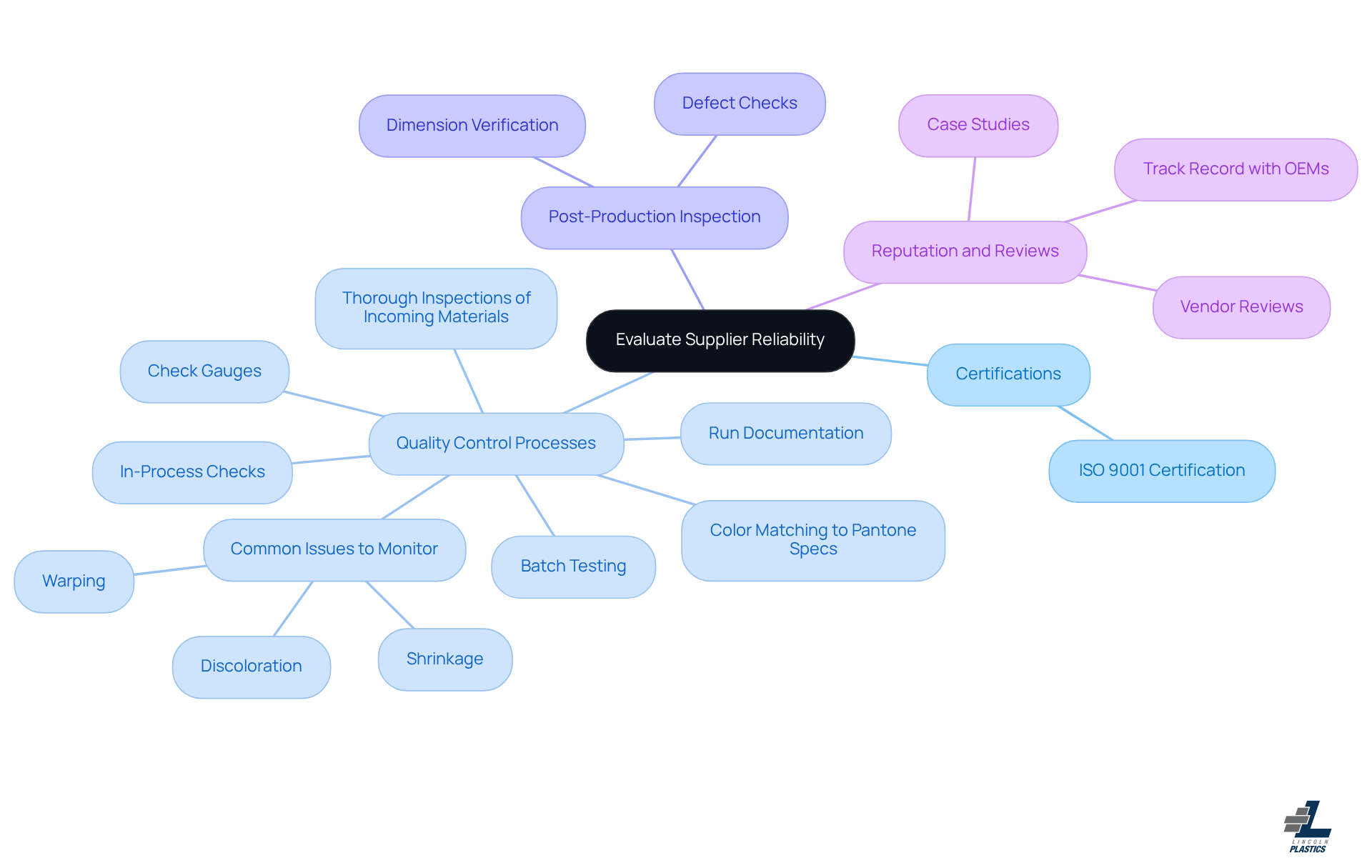
When you're on the hunt for rigid plastic components for manufacturing, it’s super important to check out potential vendors based on how reliable they are and whether they stick to quality standards. Here are some key things to keep in mind:
- Certifications: First off, look for suppliers with certifications. Take Lincoln Plastics, for example. This certification shows they’re committed to quality assurance and always looking to improve. It means they meet high-quality standards for their products.
- Quality Control: Next, think about the vendor’s quality control measures. This includes things like check gauges, inspection protocols, and batch testing. Lincoln Plastics has a solid quality system that features critical in-process checks and run documentation. Plus, they source colors that match your Pantone specs to keep everything up to par. Just a heads up, be mindful of common issues in plastic production, like shrinkage, warping, and discoloration, which can mess with product quality.
- Post-Production Inspection: Now, let’s talk about post-production inspection. It’s crucial that the provider checks for any defects or flaws before sending products out. This step helps avoid quality issues down the line. Lincoln Plastics really emphasizes this to ensure their components for manufacturing achieve all the right dimensions.
- Reputation and Reviews: Lastly, do a little digging into their reputation and reviews to get a feel for their reliability and performance history. Lincoln Plastics has a great track record of working with OEMs and delivering solutions that fit specific needs.
By keeping these factors in mind, you can dodge the risks that come with subpar resources and ensure your products perform consistently.
Implement Effective Negotiation Strategies for Cost Optimization
Negotiating with vendors for rigid synthetic components can feel a bit daunting, right? But don’t worry! With the right strategies, you can really boost your negotiation skills. Let’s dive into some effective tips that can help you get the best deals.
- Research Market Rates: First things first, keep an eye on the current market rates for rigid plastic components for manufacturing. Did you know that price differences for the same SKUs can be over 10%? That’s why it’s super important to have a solid baseline for your negotiations. Knowing this helps you spot fair pricing and steer clear of overpaying.
- Build Relationships: Next up, let’s talk about relationships. Strong relationships can create a more collaborative negotiation atmosphere. When there’s trust and open communication, you’re likely to get better terms and a willingness to meet your needs. As many procurement pros say, treating vendors like partners can lead to operational improvements and shared value.
- Leverage Volume: Now, here’s a powerful tip: use your purchasing power to your advantage. Suppliers often offer better pricing or terms for guaranteed orders, which can really help cut costs. And with the price fluctuations and sustainability expectations we’re seeing in 2026, this strategy is more important than ever.
- Explore Alternatives: Lastly, don’t hesitate to explore alternatives. Being open to alternatives can lead to better pricing options without sacrificing quality, especially in a market where the costs of materials for manufacturing can vary.
By putting these strategies into action, you can lower your expenses while ensuring you have access to top-notch resources. This not only reduces costs but also enhances your competitiveness in the industry. So, why not give these tips a try?

Monitor Market Trends and Material Cost Fluctuations
Staying updated on market trends and the ups and downs of component costs is super important for manufacturers working with rigid plastics for manufacturing. So, what can you do? Here are some key strategies:
- Regular Market Analysis: Keep an eye on pricing fluctuations. It’s all about understanding supply and pricing trends. For instance, in 2026, analysts are saying that 'muted consumer spending will significantly affect commodity costs.' So, it’s crucial to stay vigilant!
- Subscribe to Industry Reports: Tap into resources like market research reports and industry publications. They can give you a sneak peek into future trends. Did you know that the plastic sector has seen cost variations, with significant increases? As Katie Pyzyk points out, "against a backdrop of rising imports, an unprecedented number of domestic PET reclaimers closed last year," which definitely shakes up pricing strategies.
- Engage with Suppliers: Keep the lines of communication open with your suppliers. Getting timely updates on material availability and pricing changes can really help. This proactive approach can ease the impact of cost fluctuations. As David Platt mentions, "supply chain disruptions affecting operations."
By keeping tabs on these factors, you can make quick adjustments to your sourcing strategies. This way, you’ll be ready to tackle sudden price hikes or supply shortages head-on!

Conclusion
Understanding the ins and outs of sourcing rigid plastic components is key to manufacturing success. Let’s face it, picking the right materials, checking out supplier reliability, and honing those negotiation skills can make all the difference. Plus, keeping an eye on market trends? That’s just smart business. By getting a handle on these elements, manufacturers can really streamline their operations and ensure top-notch production.
Now, let’s talk about some key insights. Materials like Polypropylene, Polycarbonate, and ABS each have their own unique traits that fit various applications across industries. And don’t forget about supplier certifications and quality control processes - they’re crucial! These factors directly affect product quality, and we can’t overlook that. Effective negotiation tactics and staying on top of market changes are also vital for keeping costs down and staying competitive.
In conclusion, the path to successful sourcing of rigid plastic components is all about making informed decisions and taking strategic actions. Manufacturers should really embrace best practices in material selection, supplier evaluation, and negotiation while staying alert to market shifts. By doing this, they can boost their operational efficiency and set themselves up for future challenges and opportunities in the industry. So, what are you waiting for? Let’s get started!
Frequently Asked Questions
What are the main types of rigid plastics discussed in the article?
The main types of rigid plastics discussed are Polypropylene (PP), Polycarbonate (PC), and Acrylonitrile Butadiene Styrene (ABS).
What are the key characteristics of Polypropylene (PP)?
Polypropylene (PP) is lightweight, highly resistant to chemicals, and can be both rigid and flexible, making it suitable for packaging and automotive parts.
What applications is Polycarbonate (PC) commonly used for?
Polycarbonate (PC) is commonly used in safety glasses, electronic housings, and other applications where high impact resistance and optical clarity are required.
What are the advantages of using Acrylonitrile Butadiene Styrene (ABS)?
Acrylonitrile Butadiene Styrene (ABS) is known for its toughness, ease of processing, and adaptability, making it a popular choice for consumer goods and automotive parts.
How do these rigid plastics contribute to manufacturing?
Understanding the unique characteristics of these materials helps producers choose the right polymer for their products, ensuring optimal performance in terms of weight, strength, and environmental resistance.
What trends are currently observed in the market for these rigid plastics?
The market is seeing a shift where Polypropylene is leading due to its cost-effectiveness and versatility, while Polycarbonate and ABS are gaining popularity in specialized areas like electronics and automotive manufacturing.
List of Sources
- Understand Rigid Plastic Characteristics and Applications
- openpr.com (https://openpr.com/news/4371339/rigid-plastic-packaging-market-future-growth-hotspots)
- chemorbis.com (https://chemorbis.com/en/premium-plastics-news/Europe-ABS-outlook-for-2026-Producers-push-back-after-2025-slump-but-demand-limits-upside/2026/01/06/956675&isflashhaber=true)
- starplastics.com (https://starplastics.com/china-manufacturing-continues-decline-news-on-pc-abs-pa-pbt-and-more)
- globenewswire.com (https://globenewswire.com/news-release/2026/01/15/3219783/0/en/U-S-Black-Rigid-Plastic-Packaging-Market-Companies-Insights-2026.html)
- mordorintelligence.com (https://mordorintelligence.com/industry-reports/acrylonitrile-butadiene-styrene-abs-resin-market)
- Evaluate Supplier Reliability and Quality Standards
- clarionledger.com (https://clarionledger.com/press-release/story/103585/top-spice-plastic-bottle-salt-plastic-bottles-supplier-focuses-on-seasoning-packaging-reliability)
- Quality Control in Plastic Manufacturing: How to Improve Your QC Process for Optimum Results (https://pti.tech/2024/01/18/quality-control-in-plastic-manufacturing-how-to-improve-your-qc-process-for-optimum-results)
- thegleaner.com (https://thegleaner.com/press-release/story/12690/leading-pvc-film-manufacturer-linyang-achieve-iso9001-and-iso14001-excellence)
- einpresswire.com (https://einpresswire.com/article/887824878/moraine-plastics-future-proofs-quality-systems-with-steve-williams)
- Implement Effective Negotiation Strategies for Cost Optimization
- 5 negotiation tactics manufacturers need to win in 2026 (https://fastmarkets.com/insights/5-negotiation-tactics-manufacturers-need-to-win-in-2026)
- plasticstoday.com (https://plasticstoday.com/resin-pricing/the-2026-insider-s-guide-to-resin-pricing)
- Tips for Building a Smarter Resin Purchasing Strategy in 2026 (https://mholland.com/market-insights/tips-for-building-a-smarter-resin-purchasing-strategy-in-2026)
- 2026 Forecast for U.S. Plastics Procurement - Sterling Plastics (https://sterlingplasticsinc.com/insights/2026-forecast-for-plastics-procurement)
- ptonline.com (https://ptonline.com/articles/january-2026-prices-of-volume-resins-mostly-down-entering-2026)
- Monitor Market Trends and Material Cost Fluctuations
- packagingdive.com (https://packagingdive.com/news/packaging-trends-outlook-2026/810443)
- smithers.com (https://smithers.com/services/market-reports/packaging/impact-of-supply-chain-disruption-on-pack-industry)
- cornerstone-ms.com (https://cornerstone-ms.com/us-tariffs-affect-plastic-manufacturing)
- nefab.com (https://nefab.com/news-insights/2026/five-key-supply-chain-and-packaging-trends-to-watch-in-2026)
- openpr.com (https://openpr.com/news/4368977/plastic-rigid-ibc-market-shows-sustained-growth-momentum)


