
Master Plastics for Electronics: Key Types and Applications Explained
Introduction
In the fast-paced world of electronics, choosing the right materials is not just important - it's essential for success. Plastics have emerged as indispensable components, providing structural integrity, insulation, and enhancing device performance and longevity. Manufacturers face a real challenge: figuring out which plastics can truly meet the demands of today's electronics. What innovations and trends are shaping the future of plastics in this industry? Understanding these innovations is key to ensuring your products not only meet but exceed market expectations.
Explore the Fundamentals of Plastics in Electronics
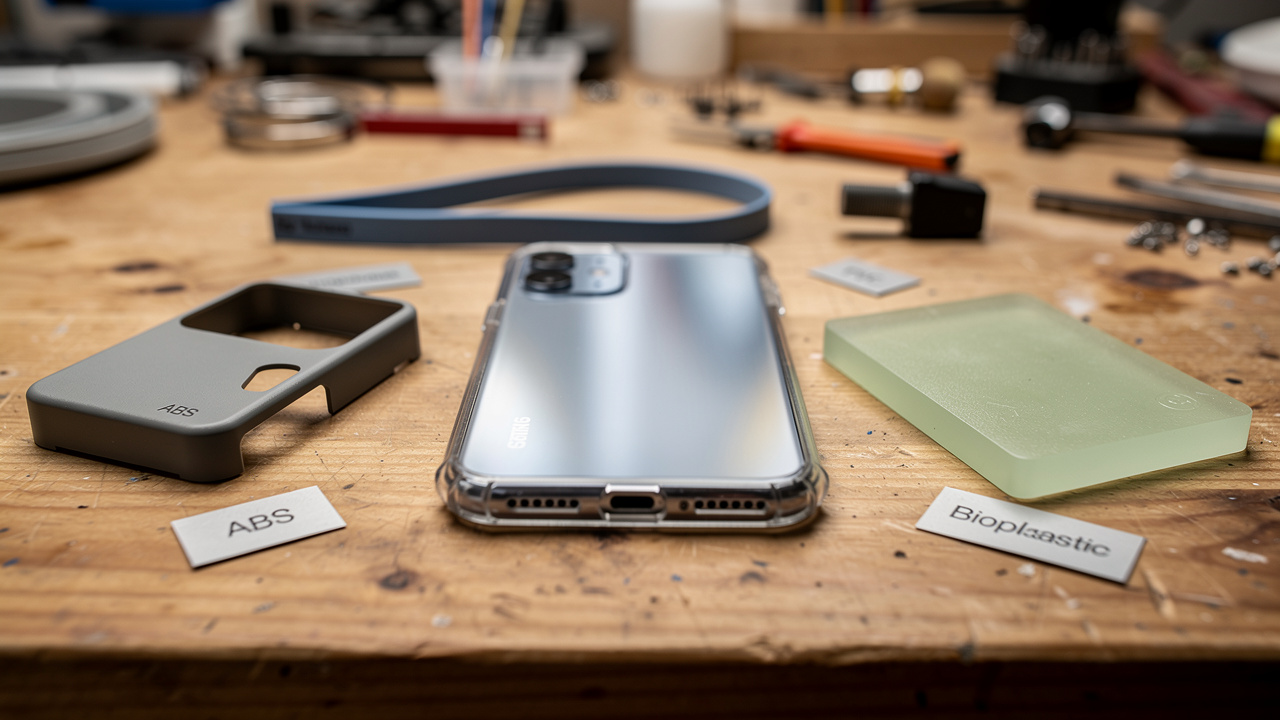
In the fast-evolving electronics industry, the choice of materials can make or break a product's success. Plastics for electronics play a pivotal role, serving as insulators, structural components, and protective casings. Their lightweight nature and resistance to corrosion make them ideal for various applications. Key properties like electrical insulation, thermal stability, and mechanical strength ensure the reliability and longevity of devices. For instance, polycarbonate is renowned for its high impact resistance and clarity, making it perfect for smartphone housings. Meanwhile, polyamide offers exceptional mechanical strength and heat resistance, commonly used in connectors and insulators. Additionally, Polyphenylene sulfide (PPS) is noted for its high temperature and chemical resistance, making it suitable for demanding electronic components.
Current trends highlight the critical role of plastics for electronics. The global market for plastics for electronics in consumer electronics is projected to grow at a CAGR of 5.9% from 2026 to 2033. This growth is driven by the rising complexity of devices and the demand for lightweight, sturdy materials such as plastics for electronics. Regulatory standards like RoHS and REACH significantly influence material selection, emphasizing compliance and sustainability in production practices.
Sustainability and recycling are becoming increasingly important in the use of synthetic materials. Advancements in recycling technologies are encouraging the use of recyclates. Case studies illustrate the evolving landscape of plastics for electronics in the manufacturing of devices. For instance, AI-enhanced polymer formulation is simplifying the creation of new substances, enabling manufacturers to optimize blends for performance and reliability. As Simone Ernst observes, "The growing complexity of contemporary devices, the incorporation of new functions, and the expansion of technology in fields like e-mobility and medical technology are fueling growth." Grasping these dynamics helps manufacturers select the right materials for specific applications, boosting both performance and safety in their products.

Identify Key Types of Plastics Used in Electronics
Understanding the diverse properties of plastics for electronics is crucial for optimizing electronic applications and ensuring product reliability. Several types of plastics are commonly utilized in electronics, each offering unique properties that cater to specific applications:
- Acrylonitrile Butadiene Styrene (ABS): Renowned for its impact resistance and toughness, ABS is extensively used for housings and structural components in electronic devices. Its mechanical properties include high rigidity, good weldability, and notable hardness, making it a preferred choice for protective gear and automotive parts. Additionally, the volume resistivity of ABS ranges from 14 to 16 x 10 Ohm.cm, which is crucial for electrical applications. While ABS offers many advantages, its limitations can pose challenges in certain environments. Have you considered how these factors might affect your product's longevity? Reinforcement with additives can enhance its properties, including fire safety and UV stability.
- Polycarbonate (PC): This plastic is favored for its exceptional impact resistance and optical clarity, making it ideal for protective covers and lenses in technological applications. The ABS/PC blend is particularly noted for its improved processability and mechanical characteristics, enhancing its utility in various sectors.
- Polyvinyl Chloride (PVC): PVC is often employed for insulation and cable sheathing, making it a key material in the category of plastics for electronics due to its excellent electrical properties and durability. Its resistance to environmental factors makes it suitable for long-lasting applications in electronics.
- Polyethylene (PE): Lightweight and flexible, PE is commonly used in applications requiring moisture resistance and insulation. Its versatility enables it to be used in a variety of devices, contributing to overall product performance.
- Polypropylene (PP): Known for its chemical resistance and low density, PP is used in various components, including connectors and housings. Its properties make it suitable for applications where durability and lightweight design are essential.
By selecting the right polymer, manufacturers can significantly enhance the performance and safety of their electronic products using plastics for electronics.

Understand Applications of Plastics in Electronic Components
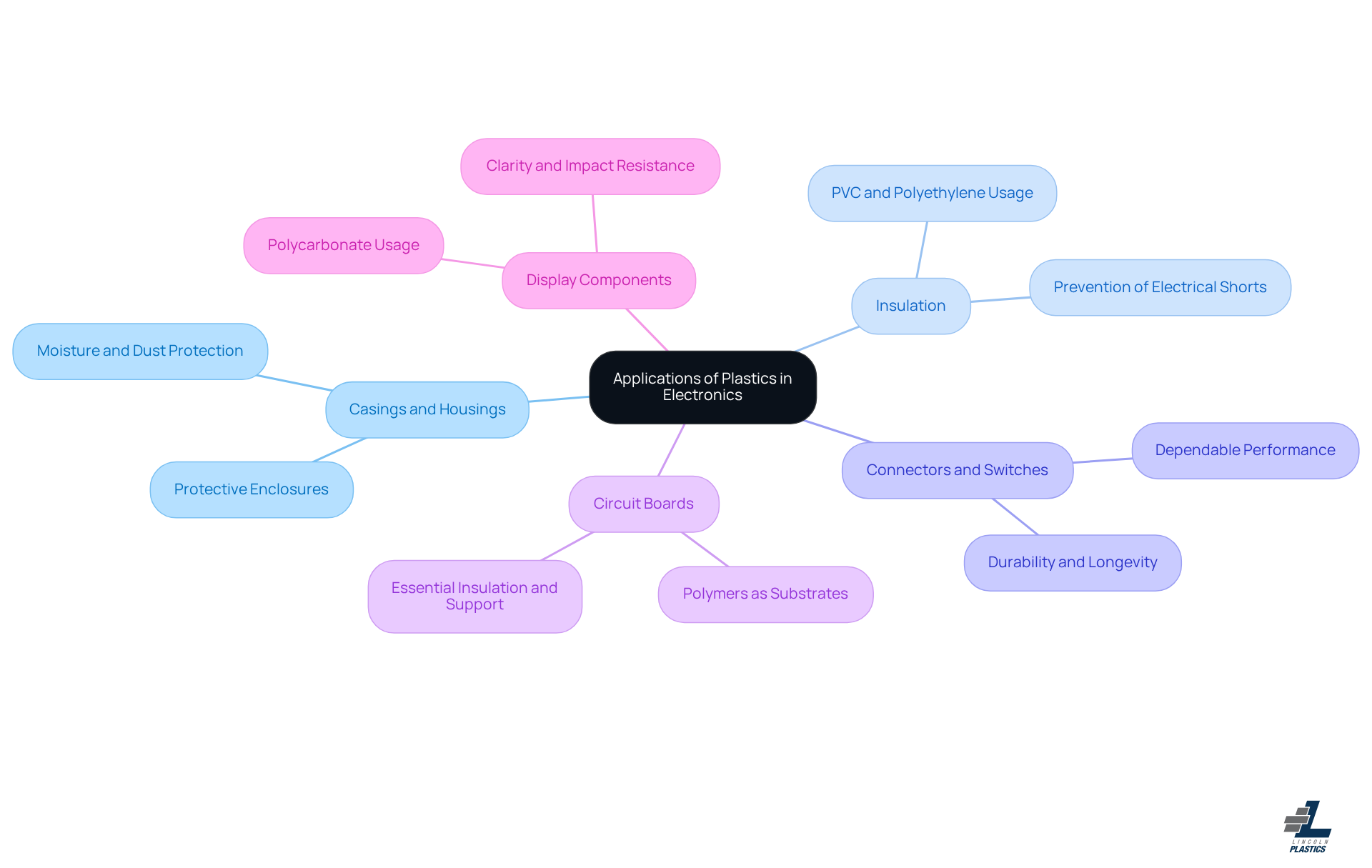
In the fast-evolving world of electronics, the role of plastics is not just significant; it's indispensable for ensuring device reliability and performance. Plastics fulfill multiple critical functions in electronic components:
- Casings and Housings: Plastics serve as protective enclosures for devices, shielding internal components from environmental hazards such as moisture and dust.
- Insulation: Materials like PVC and polyethylene are commonly used to insulate wires and cables, effectively preventing electrical shorts and enhancing overall safety.
- Connectors and Switches: Sturdy materials are essential to the construction of connectors and switches, ensuring dependable performance and longevity in various applications.
- Circuit Boards: Certain polymers serve as substrates for circuit boards, offering essential insulation and structural support, which is crucial for device functionality.
- Display Components: Plastics like polycarbonate are used in screens and lenses, providing both clarity and impact resistance, essential for contemporary devices.
These applications clearly show how versatile synthetic materials are in today's tech landscape, greatly enhancing device performance and safety. With the polymer market expected to soar from $16.4 billion in 2025 to $23.6 billion by 2031, companies that fail to adapt may find themselves left behind in a competitive landscape. Notably, the Asia-Pacific region is expected to dominate this market due to rapid urbanization and a booming electronics manufacturing sector. Furthermore, sustainability initiatives are gaining traction, with a shift towards biodegradable materials becoming increasingly relevant.
At Lincoln Plastics in Lincoln, Nebraska, we understand the challenges manufacturers face in maintaining quality, which is why we implement rigorous quality management plans, including our ISO 9001:2015 certification. Our dedicated quality books contain detailed drawings, critical in-process checks, and run documentation, ensuring that the rigid profiles we produce meet the specified critical dimensions. We utilize multiple types of check gauges to ensure a proper end-use fit, further enhancing our quality assurance processes. Case studies emphasize the effectiveness of materials like Acrylonitrile Butadiene Styrene (ABS) in delivering dependable performance for casings in devices such as computer monitors and printers, showcasing the essential role of synthetic materials in improving product durability and safety. Our commitment to excellence and customer partnership drives us to work closely with OEMs, ensuring that we deliver tailored solutions that meet their specific needs. As technology advances, the choice of materials will determine not just product performance but also the future of innovation in the electronics industry.
Examine Innovations and Trends in Plastics for Electronics
The plastics industry is at the forefront of groundbreaking innovations that are reshaping the future of electronics:
- Flexible Electronics: Recent advancements in flexible plastics are paving the way for bendable displays and wearable devices, greatly expanding design possibilities. This flexibility allows for innovative applications in consumer electronics, such as smartphones that can be worn on the wrist and adaptable displays that enhance user experience.
- Biodegradable Plastics: The growing emphasis on sustainability is driving the integration of biodegradable plastics into electronic products. These materials not only reduce environmental impact but also meet the growing consumer demand for transparency and responsible sourcing, making them increasingly appealing for manufacturers. Significantly, these substances are being employed in regions where recovery infrastructure is restricted or contamination risk remains elevated, further emphasizing their importance in electronics.
- Smart Polymers: Innovations in smart polymers, which can change their properties in response to external stimuli, are introducing new functionalities in devices. For instance, researchers at The University of Texas at Austin have developed a new plastic-like substance that can change from soft and stretchy to hard and rigid using light exposure, showcasing the potential of smart polymers in enhancing interactivity and efficiency in electronic products.
- Recycling Initiatives: An increased emphasis on recycling is promoting the creation of closed-loop systems for synthetic substances. This method fosters sustainability in electronics production by reducing waste and promoting the reuse of resources, which is crucial for fulfilling regulatory standards and consumer expectations. Regulatory frameworks are increasingly impacting material selection and recycling practices, further highlighting the significance of sustainability in the polymer industry.
These trends underscore the dynamic nature of the plastics for electronics industry and its critical role in driving innovation within electronic applications, positioning companies to better meet the evolving needs of the market. As these trends continue to evolve, companies that embrace these innovations will not only lead the market but also redefine consumer expectations.

Conclusion
In today's fast-paced electronics market, the role of plastics is not just important; it's transformative for device performance and reliability. Understanding the types of plastics and their applications empowers manufacturers to make choices that enhance product outcomes. Innovations like flexible and biodegradable plastics showcase the industry's commitment to sustainability and technological progress.
Let’s look at how different plastics like ABS, polycarbonate, and PVC meet specific needs in electronics. From protective casings to insulation and circuit boards, these materials are vital for ensuring the reliability of electronic devices. Furthermore, the emphasis on quality management, as demonstrated by Lincoln Plastics' ISO 9001:2015 certification and rigorous quality plans, highlights the importance of maintaining high standards in production processes.
Manufacturers must embrace these innovations to remain competitive in the evolving electronics landscape. The integration of advanced materials and sustainable practices not only meets regulatory demands but also aligns with consumer expectations for responsible sourcing. Engaging with experts at Lincoln Plastics can provide tailored solutions that enhance product performance while ensuring compliance with industry standards. Choosing the right materials today will determine the success of tomorrow's electronic innovations.
Frequently Asked Questions
What role do plastics play in the electronics industry?
Plastics serve as insulators, structural components, and protective casings in the electronics industry. Their lightweight nature and resistance to corrosion make them ideal for various applications.
What are some key properties of plastics used in electronics?
Key properties include electrical insulation, thermal stability, and mechanical strength, which ensure the reliability and longevity of electronic devices.
Can you provide examples of specific plastics used in electronics?
Yes, polycarbonate is known for its high impact resistance and clarity, making it suitable for smartphone housings. Polyamide offers exceptional mechanical strength and heat resistance, commonly used in connectors and insulators. Polyphenylene sulfide (PPS) is recognized for its high temperature and chemical resistance, ideal for demanding electronic components.
What are the current market trends for plastics in electronics?
The global market for plastics in consumer electronics is projected to grow at a CAGR of 5.9% from 2026 to 2033, driven by the increasing complexity of devices and the demand for lightweight, sturdy materials.
How do regulatory standards affect the selection of materials for electronics?
Regulatory standards like RoHS and REACH significantly influence material selection by emphasizing compliance and sustainability in production practices.
What is the importance of sustainability and recycling in the use of plastics for electronics?
Sustainability and recycling are becoming increasingly important, with advancements in recycling technologies encouraging the use of recyclates in manufacturing processes.
How is technology influencing the development of plastics for electronics?
AI-enhanced polymer formulation is simplifying the creation of new substances, allowing manufacturers to optimize blends for performance and reliability, which is crucial for the growing complexity of contemporary devices.
What industries are driving the growth of plastics in electronics?
Industries such as e-mobility and medical technology are fueling growth due to the incorporation of new functions and the expansion of technology in these fields.
List of Sources
- Explore the Fundamentals of Plastics in Electronics
- Plastics in the Electrical Industry: High-tech Materials for Smart Devices (https://k-online.com/en/media_news/k-mag/plastics-in-practice/plastics-in-daily-life/user-plastics-electronics-part-1)
- An overview of the Plastics in Consumer Electronics market's expected compound annual growth rate (5.9%) in a specific region from 2026 to 2033 (https://linkedin.com/pulse/overview-plastics-consumer-electronics-markets-expected-compoundannual-alude)
- The growing importance of plastics in the electrical industry | Journal of the Institution of Electrical Engineers - Part II: Power Engineering (https://digital-library.theiet.org/doi/pdf/10.1049/ji-2.1947.0093?download=true)
- Plastics in Consumer Electronics Market Size 2026-2032 (https://360iresearch.com/library/intelligence/plastics-in-consumer-electronics)
- Identify Key Types of Plastics Used in Electronics
- What Is the Acrylonitrile Butadiene Styrene - Batong Group (https://batongchemical.com/news/industry-news/whats-the-abs.html)
- Plastics in Consumer Electronics Market Size 2026-2032 (https://360iresearch.com/library/intelligence/plastics-in-consumer-electronics)
- An overview of the Plastics in Consumer Electronics market's expected compound annual growth rate (5.9%) in a specific region from 2026 to 2033 (https://linkedin.com/pulse/overview-plastics-consumer-electronics-markets-expected-compoundannual-alude)
- ABS Plastic (Acrylonitrile Butadiene Styrene): Uses, Properties & Structure (https://specialchem.com/plastics/guide/acrylonitrile-butadiene-styrene-abs-plastic)
- What Products Use ABS Plastic (Acrylonitrile Butadiene Styrene)? Common Applications | Plextrusions (https://plextrusions.com/extrusion-blog/what-type-of-products-use-acrylonitrile-butadiene-styrene-abs)
- Understand Applications of Plastics in Electronic Components
- Future of Plastics in Electrical and Electronic Products (https://nemko.com/blog/plastics-in-electrical-and-electronic-products)
- An overview of the Plastics in Consumer Electronics market's expected compound annual growth rate (5.9%) in a specific region from 2026 to 2033 (https://linkedin.com/pulse/overview-plastics-consumer-electronics-markets-expected-compoundannual-alude)
- Plastics in the Electrical Industry: High-tech Materials for Smart Devices (https://k-online.com/en/media_news/k-mag/plastics-in-practice/plastics-in-daily-life/user-plastics-electronics-part-1)
- Plastics in Electronics Components Market to Reach $23.6 Billion by 2031, Driven by AI Hardware and Data Center Expansion (https://finance.yahoo.com/technology/articles/plastics-electronics-components-market-reach-150300058.html)
- The Role of Plastic in Electronics - Westec Plastics | Premier Medical Injection Molding and Custom Plastic Manufacturers in California (https://westecplastics.com/blogs-news/the-role-of-plastic-in-electronics)
- Examine Innovations and Trends in Plastics for Electronics
- The Future of Flexible Electronics - Global Electronic Services (https://gesrepair.com/future-of-flexible-electronic)
- ‘Smart Plastic’ Material is Step Forward Toward Soft, Flexible Robotics and Electronics - UT Austin News (https://news.utexas.edu/2022/10/13/smart-plastic-material-is-step-forward-toward-soft-flexible-robotics-and-electronics)
- Five Sustainability Trends Reshaping Plastic in 2026 (https://plasticsindustry.org/articles/five-sustainability-trends-reshaping-plastic-in-2026)
- Brookhaven National Laboratory — a passion for discovery (https://bnl.gov/newsroom/news.php?a=222551)
- Flexible Electronics Market Trends & Forecast, 2026-2033 (https://coherentmarketinsights.com/market-insight/flexible-electronics-market-5904)
Related posts

Why Custom Pipe Extrusion Matters More Than Ever
Standard pipe sizes don’t always work. Learn how Lincoln Plastics delivers custom diameters, wall thicknesses, and finishes in right-sized runs.


Reducing Trip Hazards with Custom Cord Management
Loose cords are more than messy — they’re a safety hazard. Lincoln Plastics’ custom cord covers and Flexiduct solutions improve safety and efficiency.
The Power of Custom Plastic Profiles for OEMs
Off-the-shelf profiles force compromises. Learn how Lincoln Plastics designs custom extruded profiles for OEMs with exact specs and right-sized runs.
