
Master Engineering Plastics Prices: Strategies for OEM Purchasing Managers
Introduction
The surge in demand for engineering plastics like ABS, Polycarbonate, and Nylon is transforming manufacturing across sectors such as automotive and aerospace. As these materials gain importance in high-performance applications, OEM purchasing managers must navigate the challenges of fluctuating prices and supply chain dynamics.
What strategies can they employ to balance quality and cost effectively? This article delves into effective strategies for mastering engineering plastics prices, empowering managers to optimize their sourcing decisions and maintain competitive advantage in a rapidly evolving market.
By mastering these strategies, managers can not only control costs but also enhance product quality and secure their market position.
Define Engineering Plastics and Their Applications
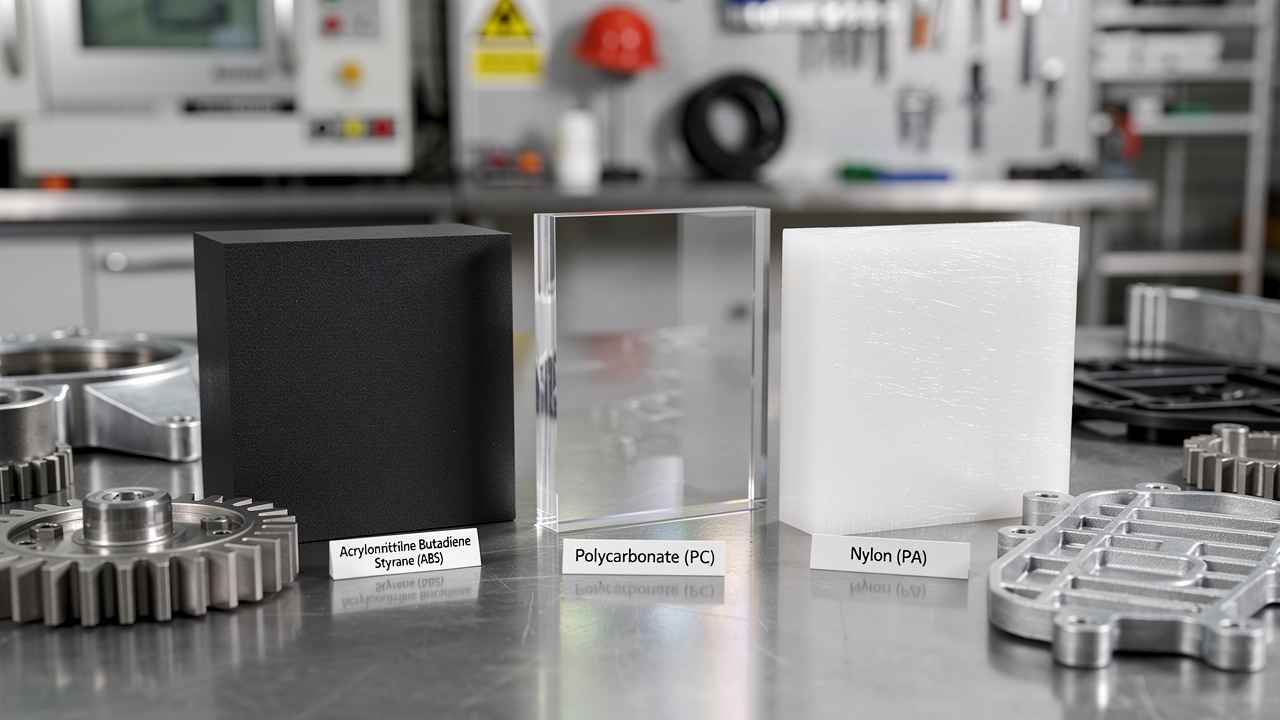
Are you aware that engineering polymers offer superior mechanical and thermal properties that outshine standard commodity polymers? Key types include:
- Acrylonitrile Butadiene Styrene (ABS)
- Polycarbonate (PC)
- Nylon (PA)
Each is tailored for high-stress applications across various industries such as automotive, aerospace, and manufacturing.
For OEMs, identifying the specific uses of these engineering materials is crucial. ABS is widely used in automotive components due to its exceptional impact resistance and durability, making it ideal for parts that require both strength and lightweight characteristics. Polycarbonate, known for its transparency and high strength, is often utilized in safety equipment and electronic housings, where visibility and protection are paramount. Meanwhile, Nylon is favored in mechanical applications for its excellent wear resistance, making it suitable for gears, bearings, and other moving parts.
We understand the challenges OEMs face, and at Lincoln Plastics, we partner with you to ensure your products meet all quality requirements, including special checks for ‘fit and function’. Our robust quality management program includes dedicated quality books for each synthetic profile, documenting critical dimensions, in-process checks, and run documentation. We utilize multiple types of check gauges to ensure a proper end-use fit and can easily source colors that meet your Pantone specifications for consistency across manufacturers. This dedication to quality assurance, backed by our ISO 9001:2015 certification, guarantees that our engineering materials not only meet but surpass industry standards.
Did you know that the demand for ABS, Polycarbonate, and Nylon is skyrocketing, contributing to the increase in engineering plastics prices due to the rising need for lightweight and durable materials? The engineering polymer market is anticipated to expand considerably, and as a result, engineering plastics prices are expected to increase, featuring a compound annual growth rate of 6.27% from 2025 to 2035, indicating the rising dependence on these materials in high-performance applications. By understanding these applications and trends, purchasing managers can align their sourcing strategies effectively with the operational requirements of their products, ensuring they select the most suitable materials for their manufacturing needs. Choosing the right materials can redefine your product's performance-are you ready to elevate your manufacturing with Lincoln Plastics?

Identify Key Factors Affecting Engineering Plastics Prices
Understanding the key factors that drive engineering plastics prices is essential for procurement managers. Several elements come into play:
- Raw Material Expenses: The price of crude oil and natural gas significantly impacts the cost of resins used in engineering polymers. As these raw materials fluctuate, so do the engineering plastics prices of the final products.
- Supply Chain Dynamics: Disruptions in the supply chain, such as transportation delays or geopolitical tensions, can lead to increased costs. Recent global events have caused volatility in resin availability, which is affecting engineering plastics prices.
- Market Demand: The demand for engineering plastics across various sectors, including automotive and industrial manufacturing, can drive prices up or down. An increase in demand often results in elevated engineering plastics prices, while a decline in demand can lead to reduced expenses.
- Regulatory Changes: Compliance with environmental regulations can also influence pricing. Manufacturers may face additional costs to meet new standards, which can be passed on to OEMs.
Navigating the complexities of engineering plastics prices can be daunting for procurement managers. By grasping these dynamics, procurement managers can proactively adjust their strategies to mitigate costs.

Implement Strategies for Effective Price Management
Are you struggling to keep engineering plastics prices down while ensuring quality in your procurement? To effectively manage prices for engineering plastics, OEM purchasing managers can adopt several strategies:
- Long-Term Contracts: Establishing long-term agreements with providers can lock in prices and offer stability against market fluctuations. This approach fosters stronger vendor relationships and can lead to more advantageous terms over time. As Varun Juyal observes, "Manufacturers are actively promoting engineering materials through product innovation, strategic partnerships, and sustainability initiatives," emphasizing the significance of collaboration in obtaining favorable contracts.
- Bulk Purchasing: When procurement managers accurately predict demand, they can negotiate better rates with suppliers. This leverage helps reduce costs, as buying in larger quantities often results in lower engineering plastics prices. For instance, the engineering plastics prices in the market are projected to grow at a CAGR of 6.90% from 2026 to 2033, making bulk buying a strategic move to capitalize on this growth.
- Regularly conducting market research to stay informed about engineering plastics prices and competitor pricing provides leverage during negotiations. Have you considered the overall expense of ownership rather than just the purchase price? Comprehending the market landscape facilitates more strategic buying decisions, enabling managers to act proactively.
- Flexible Sourcing: Diversifying vendors and materials mitigates risks associated with price volatility. By keeping various sources for engineering plastics, purchasing managers can change vendors if engineering plastics prices increase unexpectedly, ensuring continuity in supply and financial management. A relevant case study is the "Specification Gating in RFPs," which illustrates how incorporating sustainability requirements can enhance supplier relationships and procurement outcomes.
- Expense Evaluation: Implementing a thorough expense evaluation process helps identify areas for potential savings. This involves assessing the overall expense of ownership instead of concentrating only on the purchase price, enabling a more thorough comprehension of expenditures. Frequent mistakes involve failing to consider lifecycle expenses, which can result in excessive spending in the long term.
Implementing these strategies not only safeguards your budget but also strengthens your supply chain resilience, ensuring you stay ahead in a competitive market.

Cultivate Supplier Relationships and Negotiate Effectively
For OEM purchasing managers, establishing strong connections with vendors is not just beneficial; it's essential for successful procurement. Here are some best practices for cultivating these relationships and negotiating effectively:
- Open Communication: Maintain transparent and consistent communication with providers. This builds trust and helps resolve issues faster. Research shows that strong communication improves vendor relationships. This leads to better negotiation outcomes.
- Understand Vendor Needs: Take the time to comprehend the challenges and goals of your vendors. Without understanding vendor needs, negotiations can become one-sided and ineffective. Involving providers early in the procurement process encourages transparency and accountability, which is essential for enduring partnerships.
- Leverage Data: Use data-driven insights to support negotiation strategies. Presenting market data and historical pricing can strengthen your position during discussions. Negotiating based on solid data is becoming a game-changer for achieving success. Notably, top negotiators secure three times more value for their organizations compared to their peers, underscoring the importance of effective negotiation strategies.
- Be Flexible: Be open to alternative solutions suggested by vendors. Flexibility can lead to innovative solutions that benefit both parties and strengthen the partnership. This shift towards collaboration not only enhances outcomes but also fosters long-term partnerships.
- Regular Assessments: Conduct regular performance evaluations with vendors to assess their service and quality. This not only helps in maintaining standards but also opens up opportunities for feedback and improvement. Frequent evaluations can result in prioritized deliveries and collaborative innovation opportunities, strengthening trust between buyers and vendors.
- Adapt to Market Changes: Stay informed about the evolving landscape of procurement negotiations, especially in light of the 2026 Vantage Negotiation Study, which highlights the need for companies to adapt to market disruptions through effective negotiations. Incorporating insights from this study can enhance your negotiation strategies.
By implementing these best practices, purchasing managers can transform their supplier relationships into strategic advantages that drive success.

Conclusion
Mastering the procurement of engineering plastics is not just beneficial; it's essential for OEM purchasing managers striving for operational excellence. By understanding the unique properties and applications of materials like ABS, Polycarbonate, and Nylon, managers can make informed decisions that align with industry demands and performance criteria.
The article highlights critical factors influencing engineering plastics prices, such as:
- Raw material costs
- Supply chain dynamics
- Market demand
- Regulatory changes
Furthermore, it outlines effective strategies for price management, including:
- Long-term contracts
- Bulk purchasing
- Flexible sourcing
Cultivating strong supplier relationships through open communication and data-driven negotiations emerges as a vital practice for achieving favorable outcomes in procurement.
However, many managers struggle to keep up with the rapid changes in material costs and supply chain issues. Failing to adapt could lead to increased costs and compromised product quality. Ultimately, the landscape of engineering plastics is changing rapidly due to rising demand and fluctuating markets. OEM purchasing managers are encouraged to leverage the insights and strategies discussed to navigate these challenges successfully. Partnering with experts like Lincoln Plastics can significantly boost your procurement efforts, ensuring access to high-quality materials backed by rigorous quality management practices. By implementing these strategies, you position your organization not just to survive but to thrive in a competitive landscape.
Frequently Asked Questions
What are engineering plastics and how do they differ from standard commodity polymers?
Engineering plastics are high-performance polymers that offer superior mechanical and thermal properties compared to standard commodity polymers, making them suitable for high-stress applications across various industries.
What are some key types of engineering plastics?
Key types of engineering plastics include Acrylonitrile Butadiene Styrene (ABS), Polycarbonate (PC), and Nylon (PA).
What are the applications of ABS in the industry?
ABS is widely used in automotive components due to its exceptional impact resistance and durability, making it ideal for parts that require both strength and lightweight characteristics.
How is Polycarbonate utilized in various applications?
Polycarbonate is known for its transparency and high strength, often used in safety equipment and electronic housings where visibility and protection are crucial.
What are the mechanical advantages of Nylon in manufacturing?
Nylon is favored in mechanical applications for its excellent wear resistance, making it suitable for gears, bearings, and other moving parts.
How does Lincoln Plastics ensure the quality of its engineering materials?
Lincoln Plastics implements a robust quality management program that includes dedicated quality books for each synthetic profile, documenting critical dimensions, in-process checks, and run documentation, all backed by ISO 9001:2015 certification.
What is the projected market trend for engineering plastics like ABS, Polycarbonate, and Nylon?
The demand for these engineering plastics is increasing, leading to a projected compound annual growth rate of 6.27% from 2025 to 2035, indicating a rising dependence on these materials in high-performance applications.
How does Lincoln Plastics support OEMs in their sourcing strategies?
By understanding the applications and trends of engineering plastics, Lincoln Plastics helps purchasing managers align their sourcing strategies with the operational requirements of their products, ensuring they select the most suitable materials.
What logistics advantages does Lincoln Plastics offer due to its Midwest location?
Lincoln Plastics' strategic location in Lincoln, Nebraska, enables quick order turnaround and efficient logistics, including less-than-truckload shipping and international delivery.
How can potential customers request tailored solutions from Lincoln Plastics?
Customers are invited to contact Lincoln Plastics experts for quotes or tailor-made solutions to elevate their manufacturing processes.
List of Sources
- Define Engineering Plastics and Their Applications
- Engineering Plastics Market Size, Growth & Trends by 2034 (https://theinsightpartners.com/reports/engineering-plastics-market)
- Engineering Plastic Market Size, Share & Forecast Report 2035 (https://marketresearchfuture.com/reports/engineering-plastic-market-2161)
- Engineering Plastics Market Share & Opportunities 2026-2033 (https://coherentmarketinsights.com/market-insight/engineering-plastics-market-2162)
- Identify Key Factors Affecting Engineering Plastics Prices
- From Crude to Cost: The Oil-Plastic Price Connection (https://plasticsengineering.org/2025/08/from-crude-to-cost-the-oil-plastic-price-connection-008268)
- fortunebusinessinsights.com (https://fortunebusinessinsights.com/engineering-plastics-market-111438)
- Resin prices surge as Iran conflict disrupts supply chains (https://plasticsnews.com/video-livestreams/polymer-points/pn-iran-conflict-plastic-resin-prices-surging-polymer-points)
- Resin prices to remain elevated through 2026 due to Middle East disruptions | Plastics News posted on the topic | LinkedIn (https://linkedin.com/posts/plastics-news_resin-prices-could-remain-elevated-into-2026-activity-7442564034434064384-oRJa)
- BASF to increase prices for Engineering Plastics in North America (https://basf.com/us/en/media/market-news-/2026/BASF-to-increase-prices-for-Engineering-Plastics-in-North-America-)
- Implement Strategies for Effective Price Management
- Price Pressure Persists Across Polymers - Star Plastics (https://starplastics.com/price-pressure-persists-across-polymers)
- 2026 Forecast for U.S. Plastics Procurement - Sterling Plastics (https://sterlingplasticsinc.com/insights/2026-forecast-for-plastics-procurement)
- 2026 Resin Pricing Trends: Discipline Key to Success | Michael Workman posted on the topic | LinkedIn (https://linkedin.com/posts/michael-workman-04085923_mdmwest2026-resinmarketmoves-resinsmart-activity-7426311453697130496-kRn5)
- Engineering Plastics Market Size & Share | Industry Growth 2033 (https://databridgemarketresearch.com/reports/global-engineering-plastics-market?srsltid=AfmBOor8_34ShK9DSEtId8rroWr3fsWh1Q1Zds4pDFCpeeLcaWwklvlW)
- BASF to increase prices for Engineering Plastics in North America (https://basf.com/us/en/media/market-news-/2026/BASF-to-increase-prices-for-Engineering-Plastics-in-North-America-)
- Cultivate Supplier Relationships and Negotiate Effectively
- 2026 Vantage Negotiation Study Shows How Companies Can Capture More Value (https://vantagepartners.com/insights/negotiation-study-2026)
- Tips for Successful Supplier Negotiations in Strategic Sourcing (https://artofprocurement.com/blog/supplier-negotiations-in-strategic-sourcing)
- 5 negotiation tactics manufacturers need to win in 2026 (https://fastmarkets.com/insights/5-negotiation-tactics-manufacturers-need-to-win-in-2026)
- The Key Procurement Negotiation Strategies for 2026 | GEP Blog (https://gep.com/blog/strategy/key-procurement-negotiation-strategies)
- How to Successfully Negotiate as a Buyer in 2026 | Xentys (https://xentys.nl/en/procurement-knowledge/how-to-successfully-negotiate-as-a-buyer-in-2026)
Related posts

Why Custom Pipe Extrusion Matters More Than Ever
Standard pipe sizes don’t always work. Learn how Lincoln Plastics delivers custom diameters, wall thicknesses, and finishes in right-sized runs.


Reducing Trip Hazards with Custom Cord Management
Loose cords are more than messy — they’re a safety hazard. Lincoln Plastics’ custom cord covers and Flexiduct solutions improve safety and efficiency.
The Power of Custom Plastic Profiles for OEMs
Off-the-shelf profiles force compromises. Learn how Lincoln Plastics designs custom extruded profiles for OEMs with exact specs and right-sized runs.
