
Master Best Practices for Choosing Plastic Extruders Effectively
Introduction
Choosing the right plastic extruder? That’s a big deal in manufacturing! It can really affect everything from how efficiently you produce to the quality of your products. With so many options out there, it’s easy to feel overwhelmed. But don’t worry! Understanding the basics of plastic extrusion, what to look for when selecting one, and the different processes can really help you make the right choice for your needs.
Now, you might be wondering, how do you navigate all these choices? It can seem complex, but with a little guidance, you can find the perfect extruder for your application. Let’s dive in and explore this together!
Understand Plastic Extrusion Fundamentals
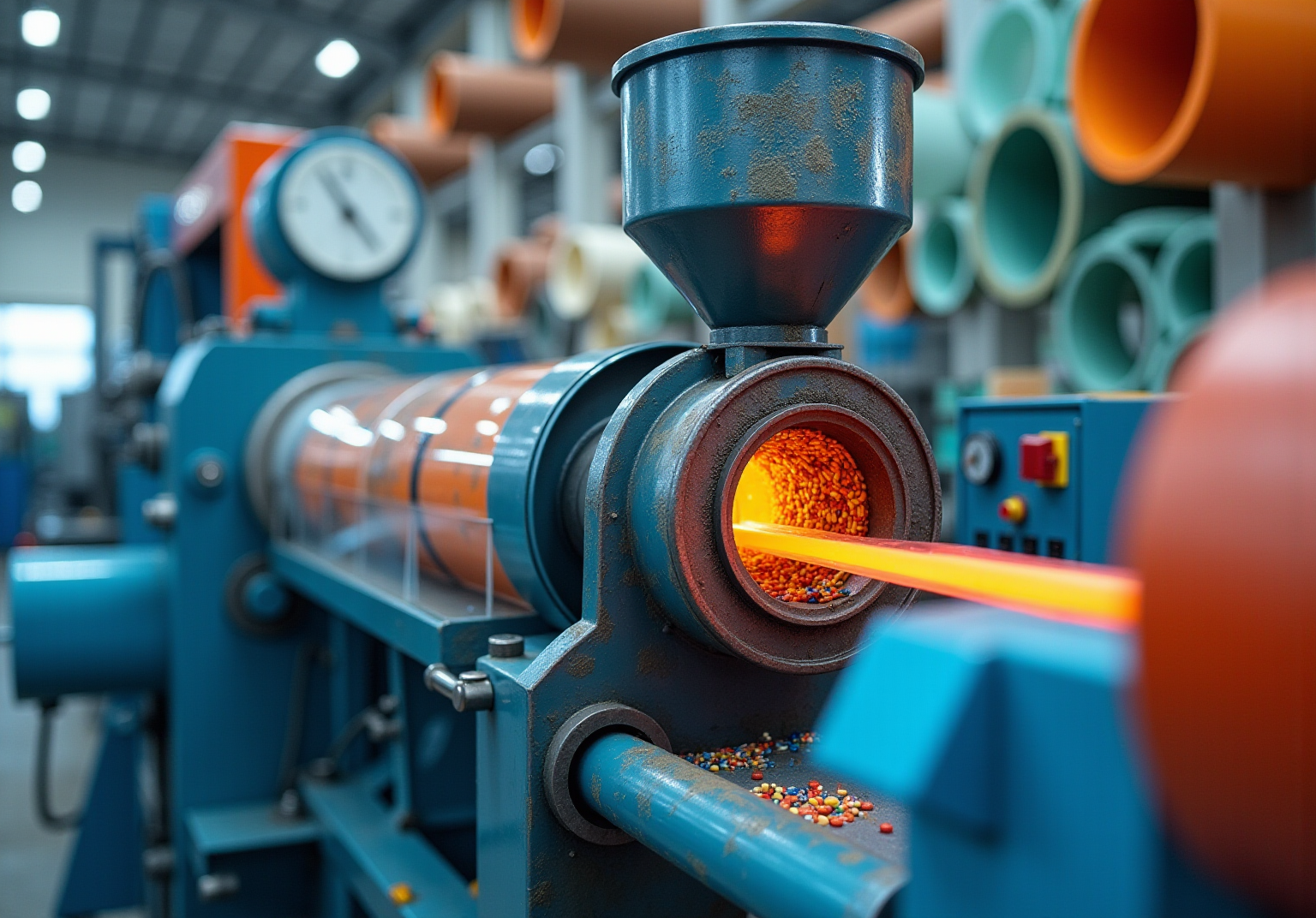
Plastic shaping is a crucial manufacturing process that involves transforming raw plastic into continuous profiles by melting and pushing it through a die. But what really makes this process tick? It all comes down to a few key components: the hopper, screw, and die.
- Hopper: Think of this as the gateway for raw plastic into the extruder. The type of plastic you choose can really change the game, since different materials have unique melting points and flow characteristics. For example, using additives can boost the durability of products, which is super important in agriculture. Companies like Lincoln Plastics offer a variety of sizes and materials for extruders, so you can find just the right fit for your needs.
- Screw: Now, let’s talk about the screw. It spins inside the barrel, melting the plastic and pushing it toward the die. The design of the screw is key; a well-crafted screw can make the melting process smoother and improve the efficiency of extrusion. For instance, a screw with a specific shape can reduce shear stress, leading to better material flow and a more uniform final product.
- Die: Finally, we have the die, which shapes the molten plastic into whatever profile you need. The designs can vary widely, from cord covers for cable management to specialized irrigation components. The precision of the die is crucial - it directly affects the quality of the final product. Plus, companies are committed to timely delivery, ensuring you get your products when you need them.
Understanding these components helps manufacturers better assess their processes and choose the right extruder for their specific applications. For instance, Lincoln Plastics leverages its expertise in shaping to provide tailored solutions that meet the unique demands of OEMs in sectors like industrial machinery and agricultural irrigation. By focusing on the details of the extrusion process, manufacturers can boost their operational efficiency and enhance the quality of what they offer.

Evaluate Key Selection Criteria for Plastic Extruders
When you're searching for plastic extruders, there are a few key considerations you really need to think about. These factors can make a big difference in how efficiently you produce components and the quality of your products.
- First off, let’s chat about extruder type. Are you leaning towards a single-screw or a twin-screw extruder? Single-screw models are often more budget-friendly, but if you require good mixing, twin-screw extruders are the way to go. They’re fantastic for handling complex materials.
- Next up is extruder size. You’ll want to check the extruder’s capacity to make sure it fits your production needs. Think about how much material you need to process and whether the machine can handle different types of substances. For instance, Lincoln Plastics can manage production runs from 10,000 to over a million feet annually, giving you the flexibility you need.
- Now, let’s talk about material compatibility. It’s super important to ensure that the extruder can work with the materials you need, like PVC, polyethylene, or polypropylene. Each of these might require different processing conditions to get the best results. And don’t worry - Lincoln Plastics offers expertise to help you pick the right materials for your projects. As industry experts say, 'The rising demand for lightweight, durable, and cost-effective materials in construction and automotive industries is driving growth in plastic extrusion in the market.'
- Energy efficiency is another biggie. Choosing machines that are designed to save energy can really cut down on your operational costs over time, boosting your overall profits.
- Lastly, don’t forget to look into the supplier’s support. A manufacturer’s reputation for customer service, spare parts availability, and technical assistance can make a huge difference. Lincoln Plastics is committed to providing top-notch support, including vendor-managed inventory solutions, to help you keep your inventory levels and production schedules in check. A reliable partner can really impact the long-term success of your production.
By taking the time to evaluate these criteria and considering what Lincoln Plastics has to offer, you can find extruders that not only meet your production needs but also enhance the quality and efficiency of your plastic components.

Explore Different Plastic Extrusion Processes and Their Applications
When it comes to plastic extrusion, there’s a lot going on! Let’s break it down into some key processes that are tailored for different needs in manufacturing.
- Extrusion is probably the most common method you’ll come across. It’s great for making simple profiles like pipes and sheets. Why is it so popular? Well, it’s efficient and works well with a wide range of thermoplastics, making it a favorite among manufacturers.
- Now, if you’re looking for something a bit more complex, twin-screw extrusion might be your best bet. This method shines when it comes to mixing and compounding materials. It gives you better control over the properties of the substances, which is super important for applications that need specific characteristics - think industrial OEM machinery.
- Then there’s co-extrusion. This process allows you to extrude two or more materials at the same time, creating multi-layered products that take advantage of each material’s unique properties. It’s particularly useful for applications that need enhanced barrier properties, like food packaging.
- And let’s not forget about blown film extrusion. This one’s a go-to for making films and bags. The process involves extruding plastic into a tube and then inflating it to create a thin film. It’s mainly used in packaging, showcasing just how versatile this technology can be.
- Now, modern extrusion lines, like those used by some plastics companies, come equipped with quality control systems to ensure consistent quality. This is crucial for maintaining high manufacturing standards. These companies work closely with OEMs to make sure their products meet all specifications, including special checks for fit and function. They use various check gauges and keep a dedicated quality book for each plastic profile, which includes drawings and critical in-process checks. Plus, sourcing colors that match Pantone specifications is a breeze for them, ensuring consistency across the board.
Understanding these processes helps manufacturers choose the right method for their needs, such as using co-extrusion, leading to optimal product performance and production efficiency. For example, a plastics company might leverage these techniques to offer tailored solutions that meet the diverse demands of their OEM clients, especially in applications like automotive parts, which must stick to strict dimensional standards within tolerances of +/- 0.03mm.
So, what do you think? With all these options, there’s definitely a method out there that can meet your specific needs!

Select Appropriate Materials for Optimal Extrusion Results
Choosing the right materials is super important for getting the best results when using plastic processing. Let’s break down some key factors you should think about:
- Material Properties: First off, consider the properties you need for your application - things like strength, flexibility, and chemical resistance. For example, PVC offers durability and chemical resistance, making it perfect for industrial machinery parts. On the flip side, polyethylene provides flexibility and impact resistance, which is a big plus in cable protection systems. At Lincoln Plastics, we’ve got a variety of materials, including PVC, polyethylene, and polypropylene, available in different colors, diameters, and lengths to meet your specific needs.
- Processing Conditions: Now, every material has its own processing requirements that you need to hit for successful extrusion. Take PVC, for instance; it usually needs higher processing temperatures compared to polyethylene. So, it’s crucial to make sure your equipment can handle these conditions to avoid any production hiccups or defects.
- Environmental Considerations: With sustainability becoming a hot topic, opting for recyclable or biodegradable materials can help you stay in line with environmental regulations and what customers expect. The shift towards sustainable practices is gaining traction in the industry, and it’s all about meeting that demand for greener options.
- Supplier Recommendations: Suppliers can provide you with valuable insights into materials that fit your needs. They can suggest materials that not only meet performance criteria but also improve manufacturability and tolerances. For instance, a supplier might recommend polypropylene for applications requiring strength, which can significantly impact the effectiveness of your final product. At Lincoln Plastics, we’re here to offer our manufacturing expertise and guidance on these choices, including our unique co-extrusion capability that employs technology to integrate different colors into your profiles.
By taking the time to assess these factors, you can boost quality, ensure compliance with industry standards, and ultimately enhance operational efficiency in your manufacturing processes. So, what are you waiting for? Let’s get started on making those informed choices!
Implement Quality Control Measures in Extrusion Processes
is super important in the plastic shaping process. It helps ensure that products meet those strict specifications and standards we all care about. At Lincoln Plastics, we focus on a few key measures:
- Process Monitoring: Keeping an eye on extrusion parameters like temperature, pressure, and screw speed is essential. This proactive approach, using tools like sensors, helps us spot any deviations from the ideal conditions. That way, we can make quick adjustments and keep defect rates low.
- Material Testing: Regularly testing raw materials for purity and compatibility is a must. By using only high-quality materials in production, Lincoln Plastics significantly cuts down on defects and boosts the overall quality of our products made with these materials.
- Product Inspection: We implement strict inspection protocols for finished products. This includes checking dimensions and performance to ensure everything meets customer specs and industry standards. Plus, we inspect the extrusion die and screw to maintain a consistent material flow. Our quality manual, complete with drawings and essential in-process checks, ensures that products are produced to exact critical dimensions. We also use various gauges to guarantee a proper fit for end use.
- Feedback Mechanisms: Setting up feedback mechanisms to gather data on performance and customer satisfaction is key. This info helps us refine our processes and continuously improve product quality. And let’s not forget about root cause analysis - it’s crucial for investigating any irregularities and preventing recurring issues.
Real-world examples really show how effective these measures can be. For instance, companies that invest in advanced monitoring technologies, like in-line thickness or basis weight gauges, often see significant reductions in waste and improved production efficiency. Plus, thorough quality assessments during the shaping process, including post-shaping evaluations for color uniformity and structural soundness, ensure that the material meets all necessary specifications, including Pantone color alignment for consistency.
By putting these measures into action, Lincoln Plastics not only enhances product reliability but also reduces waste and builds lasting trust with our customers. This ultimately positions us as leaders in the competitive world of plastic manufacturing.
Conclusion
Choosing the right plastic extruders is a big deal for manufacturers looking to boost their production and product quality. By getting a grip on the basics of plastic extrusion - like how the hopper, screw, and die work - manufacturers can make smart choices that fit their specific needs. This foundational knowledge really helps when it comes to checking out different extruder options and picking the right gear for various applications.
Now, let’s talk about some key considerations. Things like:
- Screw design
- Production capacity
- Material compatibility
- Energy efficiency
- Supplier support
are crucial in the selection process. Each of these factors can directly impact how efficiently you produce and the quality of your final products. For example, knowing the differences between single-screw and twin-screw extruders can help you figure out what works best for your material processing needs. Plus, focusing on energy-efficient machines can save you a lot of money in the long run.
Ultimately, these best practices aren’t just about meeting immediate production needs; they also play a role in long-term sustainability and staying competitive in the market. By making informed choices about plastic extruders and putting solid quality control measures in place, manufacturers can not only meet industry standards but also go above and beyond to satisfy customer expectations. Embracing these practices will set the stage for innovation and growth in the ever-changing world of plastic manufacturing.
Frequently Asked Questions
What is plastic extrusion?
Plastic extrusion is a manufacturing process that involves using plastic extruders to turn raw plastic into continuous profiles by melting and pushing it through a die.
What are the key components of the plastic extrusion process?
The key components of plastic extrusion are the hopper, screw, and die. The hopper feeds raw plastic into the extruder, the screw melts and pushes the plastic toward the die, and the die shapes the molten plastic into the desired profile.
How does the type of plastic affect the extrusion process?
Different types of plastic have unique melting points and flow characteristics, which can impact the efficiency and quality of the extrusion process. For example, high-density polyethylene (HDPE) is known for its durability in applications like irrigation pipes.
What role does the screw play in plastic extrusion?
The screw spins inside the barrel of the extruder, melting the plastic and pushing it towards the die. Its design is crucial for ensuring a smooth melting process and improving extrusion efficiency.
What is the importance of the die in plastic extrusion?
The die shapes the molten plastic into specific profiles, and its precision directly affects the quality and functionality of the final product.
What factors should be considered when selecting plastic extruders?
Key factors include screw design (single-screw vs. twin-screw), production capacity, substance compatibility, energy efficiency, and supplier support.
What is the difference between single-screw and twin-screw extruders?
Single-screw extruders are typically more budget-friendly, while twin-screw extruders are better for mixing and handling complex materials.
Why is production capacity important in selecting an extruder?
Production capacity determines the extruder's output rate and its ability to meet specific production needs, including the volume of material processed.
How does substance compatibility affect the choice of extruder?
It's essential to ensure that the extruder can work with the specific materials needed for production, as different plastics may require different processing conditions.
What benefits can energy-efficient extruders provide?
Energy-efficient extruders can reduce operational costs over time, leading to increased overall profits.
Why is supplier support important when choosing a plastic extruder?
A supplier's reputation for customer service, availability of spare parts, and technical assistance can significantly impact production efficiency and long-term success.
List of Sources
- Understand Plastic Extrusion Fundamentals
- plasticstoday.com (https://plasticstoday.com/plastics-processing/words-of-wisdom-the-10-11-key-principles-of-extrusion)
- extrusion-info.com (https://extrusion-info.com/case-studies)
- New 3D printing extrusion system redefines limits | ORNL (https://ornl.gov/news/new-3d-printing-extrusion-system-redefines-limits)
- Plastics Extrusion: 4 Critical Statistics to Track for Increased Quality & Plant Profit (https://gaugeadvisor.com/2025/05/26/plastics-extrusion-4-critical-statistics-to-track-for-increased-quality-plant-profit)
- How Plastic Extrusion Is Powering Modern Manufacturing Across Industries | The Ritz Herald (https://ritzherald.com/how-plastic-extrusion-is-powering-modern-manufacturing-across-industries)
- Evaluate Key Selection Criteria for Plastic Extruders
- fortunebusinessinsights.com (https://fortunebusinessinsights.com/extrusion-machinery-market-109569)
- linkedin.com (https://linkedin.com/pulse/overview-plastic-extrusion-machinery-market-2026-2033-growth-h9wxf)
- Emerging Trends Shaping Plastic Extruders in 2026 (https://audop.com/c/emerging-trends-shaping-plastic-extruders-in-2026.htm)
- gitnux.org (https://gitnux.org/extrusion-industry-statistics)
- globenewswire.com (https://globenewswire.com/news-release/2025/10/08/3163506/0/en/Plastics-Extruded-Market-Size-to-Worth-USD-259-21-Billion-by-2034.html)
- Explore Different Plastic Extrusion Processes and Their Applications
- prm-taiwan.com (https://prm-taiwan.com/blog/Medical-Tube-Extrusion-Line-Key-Insights-and-Case-Studies_531)
- extruder.dekuma.com (https://extruder.dekuma.com/single-screw-vs-twin-screw-extruder-which-is-better-for-your-production)
- Select Appropriate Materials for Optimal Extrusion Results
- Emerging Trends Shaping Plastic Extruders in 2026 (https://audop.com/c/emerging-trends-shaping-plastic-extruders-in-2026.htm)
- linkedin.com (https://linkedin.com/posts/raghu-arya-b446b1189_ii-industrial-materials-science-quotes-activity-7413611040866766848-hfrU)
- condaleplastics.com (https://condaleplastics.com/case-studies/case-study-1)
- auburnplastics.com (https://auburnplastics.com/insights/case-study-the-importance-of-material-selection)
- paulmurphyplastics.com (https://paulmurphyplastics.com/extruded-plastic-case-studies)
- Implement Quality Control Measures in Extrusion Processes
- 5 Proven Practices to Increase Product Quality in Extrusion (https://lincoln-plastics.com/news-post/5-proven-practices-to-increase-product-quality-in-extrusion)
- The Importance of Quality Control in Plastic Extrusion Manufacturing - Craftedplastics (https://craftedplastics.com/blog/the-importance-of-quality-control-in-plastic-extrusion-manufacturing)
- Quality Control in Plastic Extrusion for Consistent Results | Rocal (https://rocalextrusions.co.uk/news/quality-control-in-plastic-extrusion-to-ensure-consistent-results)
- Quality Control and Testing Procedures - Plastic Extrusion Technologies (https://plasticextrusiontech.net/quality-control-and-testing-procedures-in-plastic-extrusions)
- Plastics Extrusion: 4 Critical Statistics to Track for Increased Quality & Plant Profit (https://gaugeadvisor.com/2025/05/26/plastics-extrusion-4-critical-statistics-to-track-for-increased-quality-plant-profit)
Related posts

Designing Custom Extrusions: How We Work with OEM Engineers
Lincoln Plastics partners with OEM engineers to design custom extrusion profiles — reducing modifications, improving performance, and lowering costs


Precision Matters: Tolerances and Quality Control in Extrusion
Lincoln Plastics ensures precision in every extrusion with tight tolerances, in-line checks, and strict quality control for OEM applications
Plastic Extrusion for Agricultural Equipment: Beyond Irrigation
Lincoln Plastics supports agriculture with custom plastic extrusions that go beyond irrigation, delivering durability and reliability in the field
