
Is PVC a Thermoplastic? Understanding Its Properties and Uses
Introduction
Polyvinyl Chloride, or PVC for short, is one of those materials you might not think about often, but it’s everywhere! From construction sites to hospitals, this lightweight and durable thermoplastic is a go-to choice for many industries. But here’s the kicker: as we chat more about safety and the environment, it’s natural to wonder-how safe is PVC for everyday use? And what about its production-what does that mean for our health and the planet?
Let’s dive into these questions together. PVC is super adaptable, but it also comes with its own set of challenges. So, what’s the real story behind this versatile material? Stick around as we explore the ins and outs of PVC, its benefits, and the concerns that come with it. You might just find yourself looking at PVC in a whole new light!
Define PVC: The Basics of Polyvinyl Chloride as a Thermoplastic
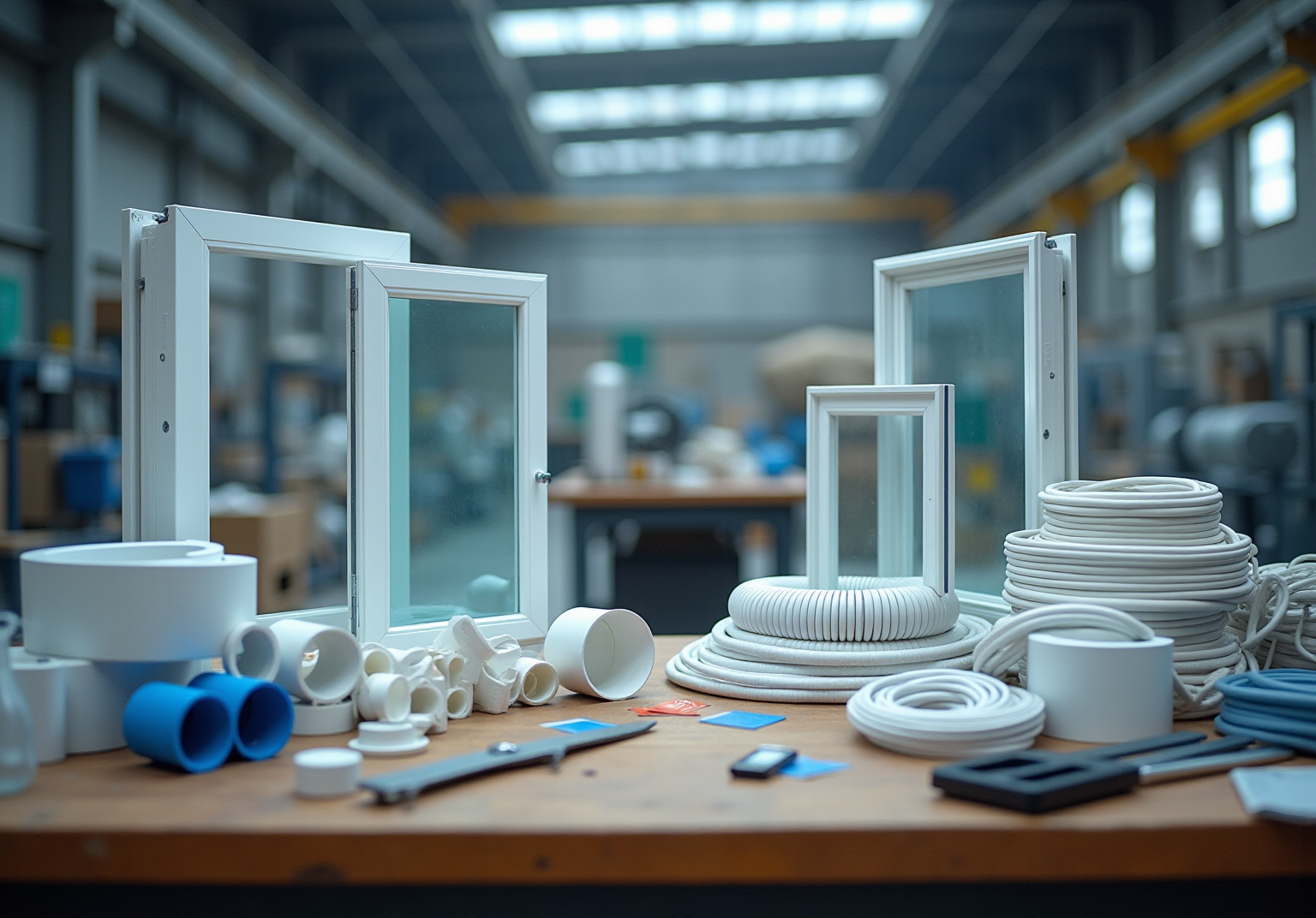
Polyvinyl Chloride (PVC) is a synthetic polymer that is a type of thermoplastic. This means it can be heated up, reshaped, and cooled down without changing its chemical structure. Pretty neat, right? Its versatility and durability have made PVC one of the most popular plastics out there, used in all sorts of industries. There are two main types: rigid and flexible. Rigid PVC is mainly used in construction for pipes and profiles, while flexible PVC shows up in products like electrical cable insulation, flooring, and even medical devices.
At Lincoln Plastics, we team up with OEMs to make sure our products hit all the quality marks. We even have special checks for ‘fit and function’ using various types of check gauges. Our quality assurance process is pretty robust, featuring a dedicated quality book for each plastic profile. This includes:
- Drawings
- Critical in-process checks
- Run documentation
This careful approach guarantees that your products are made to the specifications for those critical dimensions.
So, what makes PVC stand out? For starters, it’s lightweight, resistant to chemicals, and can be molded into all sorts of shapes. These qualities are key for its widespread use in everything from construction to electrical applications. Plus, recent advancements in technology have made it even better. For example, new resins are now commonly used in electric wire insulation, offering excellent protection against environmental factors while staying flexible.
Experts in polymer science often highlight that PVC is highly versatile. It can handle high temperatures and works well with different additives that boost performance. But here’s something to think about: the EPA has recently evaluated the safety of PVC and its carcinogenic ingredients, which might affect your purchasing decisions. Environmental advocacy groups have raised alarms about the safety of PVC, especially in community drinking water pipes. This really underscores the importance of supplier reliability and material safety.
As the industry evolves, PVC is adapting too. It’s still a key player in modern applications while addressing environmental concerns related to its production and use. The link between PVC production and environmental sustainability is also worth noting, sparking ongoing discussions about safety and environmental impact.
Now, let’s keep the conversation going! What are your thoughts on PVC and its role in your industry?

Trace the Origins: The Development and History of PVC
Did you know that PVC has been around since 1872? That’s when German chemist Eugen Baumann first stumbled upon it. At first, though, it was pretty fragile, which meant it didn’t get much attention. But then came the 1920s, and everything changed! American chemist Waldo Semon saw the potential in PVC for various applications. By adding plasticizers, he created a more flexible material, which opened up a whole new world of possibilities.
This breakthrough really kicked off the commercialization of PVC, and soon enough, it found its way into various industries like construction, healthcare, and consumer goods. Fun fact: back in 1913, Friedrich Heinrich August Klatte patented a method for polymerizing vinyl chloride, which laid the groundwork for PVC production. Fast forward to the 1930s, and we started seeing PVC products pop up in the market. Since then, innovations have made PVC one of the most widely produced synthetic polymers in the world.
As we moved into the late 20th century, more innovations in PVC production came along, making it even more efficient and versatile. Today, PVC is widely used and is celebrated for its adaptability, showing up in everything from piping systems to medical devices. It’s amazing to see how it has evolved into such a crucial part of modern manufacturing! Plus, there’s ongoing research focused on recycling methods and sustainable practices, which really highlights the industry's commitment to sustainability. Isn’t it great to see such progress?

Examine Characteristics: Properties and Classifications of PVC
PVC, which is polyvinyl chloride, is a pretty versatile material that comes in two main types: rigid PVC (uPVC) and flexible PVC (fPVC). Rigid PVC is known for its strength and durability, making it a go-to choice for construction projects like pipes, window frames, and doors. On the flip side, flexible PVC is softer and more pliable thanks to plasticizers that boost its flexibility. This makes it perfect for things like electrical insulation, flooring, and various consumer products.
But wait, there’s more! PVC isn’t just about its mechanical properties. It also boasts excellent chemical resistance, which really helps it last in different environments. This durability is a big plus in plumbing, drainage, and irrigation systems, where materials won’t rust or break down when they come into contact with water or harsh chemicals.
Now, let’s talk about how Lincoln Plastics makes this happen. They use a process called extrusion, which involves melting plastic and shaping it into specific forms. This technique allows them to produce high-quality products tailored for electrical and cable management. Plus, it helps Lincoln Plastics stick to strict quality control standards and Pantone color matching requirements.
Looking at the market, there’s a growing demand for PVC, and it’s easy to see why. It’s cost-effective and adaptable! For instance, the building and construction segment held the largest market share in 2024, showing just how essential PVC is for infrastructure development. The market is projected to grow from USD 8.95 billion in 2025 to USD 12.36 billion by 2034, with a compound annual growth rate (CAGR) of 3.7% during that time.
Recent studies have shed light on the unique traits of both rigid and flexible PVC. Rigid PVC, which held a market share of 46.7% in 2024, is favored for its strength and resistance to environmental degradation. Meanwhile, flexible PVC is gaining traction in automotive applications and electrical wiring due to its flame resistance and adaptability. As industries look for sustainable options, the recyclability of rigid PVC fits right in with global sustainability trends, making it even more appealing.
In conclusion, PVC is a thermoplastic that splits into rigid and flexible types, and its wide range of uses and characteristics really underscores its importance in today’s manufacturing and construction world. Especially when you consider Lincoln Plastics’ innovative extrusion solutions!

Explore Applications: How PVC is Utilized Across Industries
A key player in many industries, PVC is a versatile material, which is used in various applications. Did you know that in construction, it makes up over 60% of the market for plastic building materials? It’s a go-to for pipes, siding, and window frames because it’s tough and resistant to corrosion.
In healthcare, PVC is super important for things like IV bags, tubing, and surgical gloves. Its ability to be sterilized and its biocompatibility are crucial here. In fact, PVC accounts for about 25% of all medical plastic compounds, showing just how vital it is in medical settings.
Now, let’s talk about the electrical industry. The material used for insulation and wiring is PVC, which provides safety and protection from environmental factors. But that’s not all! This adaptable material also finds its way into consumer goods, automotive parts, and packaging, proving its worth in modern manufacturing.
As we all become more conscious of sustainability, there’s exciting research happening on bio-based PVC made from renewable resources and materials. This means PVC can keep up with both performance and environmental standards. Plus, initiatives like VinylPlus® Med and VinylPlus® PharmPack are working hard to boost recycling efforts, contributing to sustainability.
Ole Grøndahl Hansen points out that it’s crucial to provide a fact-based alternative to the negative narratives about PVC, especially in healthcare, where its benefits are significant. And don’t forget, the REACH sunset date for DEHP in medical devices is coming up on July 1, 2030. This will definitely impact regulations in this sector.

Conclusion
When you think about materials that really make a difference, Polyvinyl Chloride (PVC) definitely comes to mind. It’s a versatile thermoplastic that’s not just durable but also adaptable, fitting into all sorts of industries. Whether it’s used in construction or medical devices, PVC plays a vital role in modern manufacturing.
Now, let’s dive into what makes PVC so special. It’s lightweight, resistant to environmental wear and tear, and can be molded into just about any shape you can imagine. Looking back, PVC has come a long way from its fragile beginnings to becoming a go-to synthetic polymer. This journey highlights how far production techniques have come and why PVC remains relevant today. Plus, we can’t ignore the safety concerns and environmental impacts that come with it, which remind us of the need for responsible sourcing and innovation in how we use PVC.
As we reflect on PVC’s importance, it’s clear that industries are pushing for sustainability. Ongoing research into bio-based PVC and better recycling methods is essential. Engaging with these developments not only boosts performance but also aligns with our global sustainability goals. So, what does the future hold for PVC, especially in healthcare and construction? It’s all about finding that sweet spot between efficiency and environmental responsibility. Let’s stay informed and proactive in our choices, because every little bit helps!
Frequently Asked Questions
What is PVC?
PVC, or Polyvinyl Chloride, is a synthetic polymer that is classified as a thermoplastic, meaning it can be heated, reshaped, and cooled without altering its chemical structure.
What are the two main types of PVC?
The two main types of PVC are rigid PVC, which is primarily used in construction for pipes and profiles, and flexible PVC, which is used in products like electrical cable insulation, flooring, and medical devices.
How does Lincoln Plastics ensure the quality of its PVC products?
Lincoln Plastics collaborates with OEMs to ensure their PVC products meet quality standards, utilizing special checks for 'fit and function' with various types of check gauges and maintaining a robust quality system with a dedicated quality book for each plastic profile.
What are some key properties of PVC?
PVC is lightweight, resistant to environmental degradation, and can be molded into various shapes, making it suitable for a wide range of applications.
What advancements have been made in PVC technology?
Recent advancements include the development of flexible PVC resins that are commonly used for electric wire insulation, providing excellent protection against environmental factors while maintaining flexibility.
What concerns have been raised about PVC?
The EPA has evaluated the safety of PVC and its carcinogenic ingredients, raising concerns from environmental advocacy groups about health risks, particularly regarding community drinking water pipes.
How is the PVC industry addressing environmental concerns?
The PVC industry is evolving to address environmental concerns related to its production and use, including the transportation of harmful chemicals like vinyl chloride, which has sparked discussions about safety and environmental impact.
List of Sources
- Define PVC: The Basics of Polyvinyl Chloride as a Thermoplastic
- Westlake sees rebounding PVC demand in 2026 | Latest Market News (https://argusmedia.com/es/news-and-insights/latest-market-news/2748322-westlake-sees-rebounding-pvc-demand-in-2026)
- PVC — News Stories About Plastic Pollution — Beyond Plastics - Working To End Single-Use Plastic Pollution (https://beyondplastics.org/news-stories/tag/PVC)
- industryarc.com (https://industryarc.com/Report/18795/polyvinyl-chloride-market)
- indexbox.io (https://indexbox.io/blog/pvc-pipes-market-forecast-points-higher-toward-2035-on-infrastructure-investment)
- Trace the Origins: The Development and History of PVC
- What is the history of Flexible Polyvinyl Chloride? (https://plextrusions.com/materials/polyvinyl-chloride/flexible-polyvinyl-chloride/what-is-the-history-of-flexible-polyvinyl-chloride)
- carlisleplastics.com (https://carlisleplastics.com/history-of-plastisol-pvc-plastics)
- argusmedia.com (https://argusmedia.com/en/news-and-insights/latest-market-news/2783637-european-pvc-sector-warns-of-closures-rationalisation)
- The Evolution of PVC: From Discovery to Modern Applications - Vinyl (https://vinylinfo.org/news/the-evolution-of-pvc-from-discovery-to-modern-applications)
- Breakthrough U.S. Demo Plant Advances Scalable PVC Recycling - Vinyl (https://vinylinfo.org/pressroom/breakthrough-u-s-demo-plant-advances-scalable-pvc-recycling)
- Examine Characteristics: Properties and Classifications of PVC
- uk.finance.yahoo.com (https://uk.finance.yahoo.com/news/120-billion-polyvinyl-chloride-pvc-155300758.html)
- argusmedia.com (https://argusmedia.com/en/news-and-insights/latest-market-news/2748322-westlake-sees-rebounding-pvc-demand-in-2026)
- Polyvinyl Chloride Market Size, Growth 2026-2034 (https://polarismarketresearch.com/industry-analysis/polyvinyl-chloride-pvc-market)
- News - PVC Industry’s Expansion Cycle Ends, 2026 Supply-Demand to Improve Marginally (https://chemdo.com/news/pvc-industrys-expansion-cycle-ends-2026-supply-demand-to-improve-marginally)
- Applications of PVC: Versatile Utility Across Modern Industries (https://chemanalyst.com/NewsAndDeals/NewsDetails/applications-of-pvc-versatile-utility-across-modern-industries-37716)
- Explore Applications: How PVC is Utilized Across Industries
- Applications of PVC: Versatile Utility Across Modern Industries (https://chemanalyst.com/NewsAndDeals/NewsDetails/applications-of-pvc-versatile-utility-across-modern-industries-37716)
- plasticstoday.com (https://plasticstoday.com/medical/does-pvc-have-a-future-in-healthcare-)
- pvc.org (https://pvc.org/applications/healthcare)
- Polyvinyl Chloride (PVC) And Its Advantages (https://recyclingtoday.org/blogs/news/polyvinyl-chloride-pvc-and-its-advantages)
Related posts

Right-Sized Production Runs: Flexibility Without the Waste
Lincoln Plastics offers right-sized production runs with a 10-hour minimum — balancing efficiency with flexibility so OEMs avoid oversized orders.


Co-Extrusion: Combining Two Materials for Better Performance
Lincoln Plastics offers co-extrusion, combining two plastics into a single profile for greater design freedom, performance, and cost savings.
Beyond Extrusion: Value-Added Services That Simplify Production
Beyond Extrusion: Value-Added Services That Simplify Production
