
Is Polyethylene a Thermoplastic? Comparing Its Properties and Uses
Introduction
Polyethylene's classification as a thermoplastic reveals its essential role in modern manufacturing, but what does this mean for sustainability? With remarkable versatility, polyethylene is utilized in everything from packaging to piping, making it a staple material that shapes everyday products. As industries face mounting pressure to adopt sustainable practices, the environmental impact of materials like polyethylene becomes a critical concern. Understanding these comparisons is essential for making informed decisions that align with both performance and sustainability goals.
Understand Polyethylene: Properties and Classification
The question of whether polyethylene is a thermoplastic highlights its role as a cornerstone of modern manufacturing, offering unmatched versatility and durability. Created from the polymerization of ethylene monomers, PE is characterized by its resistance to moisture and chemicals, making it a preferred choice across various industries.
Polyethylene can be classified into several types based on its density and branching structure, including:
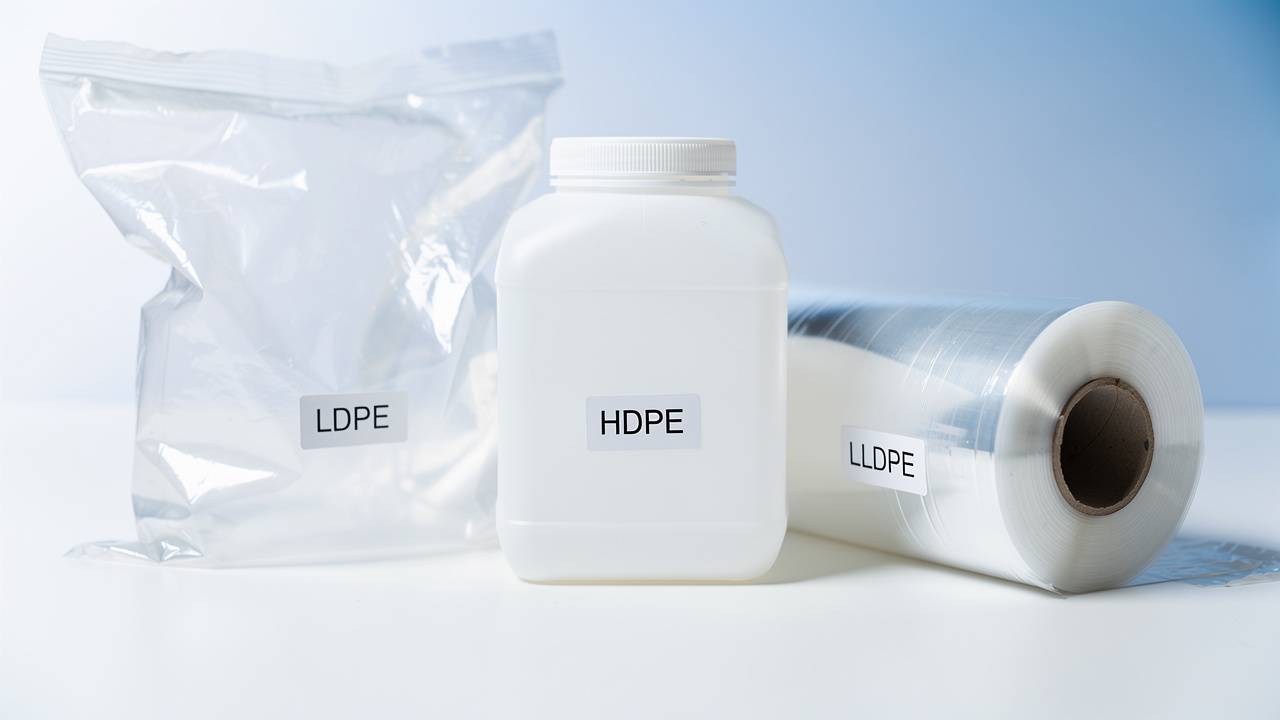
- Low-Density Polyethylene (LDPE): Known for its flexibility and low-density structure, LDPE is commonly used in applications such as plastic bags and films.
- High-Density Polyethylene (HDPE): This type demonstrates enhanced strength and rigidity, making it appropriate for items such as containers and pipes.
- Linear Low-Density Polyethylene (LLDPE): A copolymer of ethylene and other alpha-olefins, LLDPE offers enhanced tensile strength and is often used in stretch films.
Furthermore, this material boasts a melting point range of approximately 115-135 °C, excellent chemical stability, and good electrical insulation. The ability to be repeatedly melted and reformed under heat leads to the question, is polyethylene a thermoplastic, which distinguishes it from thermosetting plastics that permanently lose their shape once set. Understanding this distinction is crucial for making informed material choices.

Compare Polyethylene with Other Common Thermoplastics
When it comes to thermoplastics, it is crucial to understand if polyethylene is a thermoplastic and the differences between it and its counterparts for making informed decisions.
- Polypropylene (PP): Both are polyolefins, but polypropylene boasts a higher melting point and superior chemical resistance compared to polyethylene. However, this material is typically more flexible and shows improved moisture durability, making it perfect for uses that require bending or stretching. Have you considered how these properties might affect your specific applications?
- Polyvinyl Chloride (PVC): PVC is recognized for its rigidity and outstanding chemical durability, making it suitable for construction applications. In contrast, many people wonder if polyethylene is a thermoplastic, as it is lighter and more versatile, often utilized in packaging and consumer goods due to its flexibility and impact resistance. Which material aligns better with your project needs?
- Polystyrene (PS): Polystyrene is generally more fragile than other plastics and is frequently utilized in single-use utensils and packaging. The material's toughness and flexibility make it a superior option for applications that require durability and resilience.
So, when you consider its lightweight nature and moisture resistance, it’s clear why this material is a go-to for so many applications. Ultimately, the right choice in thermoplastic can significantly impact the success of your project, ensuring durability and efficiency in your applications.

Evaluate Applications: Polyethylene vs. Other Plastics
In the realm of custom plastic extrusion, a key consideration is polyethylene, a thermoplastic, as it stands out as a leading material, redefining industry standards across multiple applications. Its versatility is unmatched, making it a preferred choice in various sectors:
- Packaging: As the most prevalent plastic in packaging, polyethylene is favored for its lightweight and moisture-resistant properties. It is commonly found in bags, films, and containers, where it often outperforms alternatives like PVC and polystyrene (PS) in flexibility and cost-effectiveness. Did you know that in 2026, the food and beverage sector represented around 55% of the plastic packaging market revenue? This statistic emphasizes the importance of understanding if polyethylene is a thermoplastic, as it plays an essential role in this industry.
- Piping: In construction and agriculture, plastic pipes are preferred for their durability and corrosion resistance. High-density HDPE pipes, in particular, are extensively used for water and gas distribution. While PVC pipes are more rigid, they lack the flexibility that HDPE provides. Notably, HDPE pipes have a lifespan of around 100 years, as stated by WL Plastics. Isn't it reassuring to know that such a long-lasting solution exists for our infrastructure needs?
- Consumer Goods: Polyethylene is also prevalent in consumer products such as toys, containers, and household items due to its safety and versatility. In applications requiring softer, more flexible materials, the question often arises: is polyethylene a thermoplastic compared to polypropylene?
This versatility not only underscores polyethylene's significance but also invites consideration of how other plastics, with their unique traits, fit into the evolving landscape of material choices. For instance, the growing ecological consciousness is prompting a shift towards sustainable packaging solutions, with 72% of global shoppers willing to pay more for sustainable products. This trend is influencing the development of bio-based and recyclable plastic options, further solidifying polyethylene's position in the market. As industries evolve, the demand for innovative and sustainable plastic solutions will only intensify, making polyethylene an indispensable choice for the future.

Assess Environmental Impact: Polyethylene and Its Alternatives
Understanding the environmental impact of polyethylene is crucial for shaping sustainable manufacturing practices.
- Recyclability: While this type of plastic is technically recyclable and accepted by many facilities, its recycling rates are notably low compared to other materials. Are our recycling systems truly effective, or are they failing us? This discrepancy raises significant concerns regarding waste management and the effectiveness of current recycling systems. In the Midwest, case studies reveal that despite the availability of recycling programs, a substantial portion of polyethylene still ends up in landfills, contributing to environmental degradation. Furthermore, only 9% of materials are recycled in Canada, highlighting the broader challenges faced in recycling efforts.
- Biodegradability: Polyethylene is not biodegradable, persisting in the environment for hundreds of years. This long-lasting plastic poses serious risks to our environment, particularly in our oceans where it can harm wildlife and disrupt ecosystems. The buildup of plastic waste in waterways has been documented, emphasizing the urgent need for improved waste management strategies. If we don't act now, the health of future generations could be at risk, with anticipated increases in diseases such as cancer and reproductive issues rising by 75% by 2040.
- Alternatives: Although biodegradable materials and paper products are frequently advertised as more sustainable choices, they may not always equal the performance of synthetic polymers in durability and moisture resistance. Recent discussions emphasize the importance of balancing environmental benefits with functional requirements in material selection. Experts have observed that changing the material system presents not only challenges but also economic and social opportunities, creating millions of jobs and supporting local economies.
In conclusion, while polyethylene provides significant advantages in terms of cost and performance, addressing these challenges is not just an option; it's a necessity for the health of our planet and future generations.

Conclusion
Polyethylene is not just a thermoplastic; it is a cornerstone of modern manufacturing, offering unmatched versatility and durability. Its classification into various types, such as LDPE, HDPE, and LLDPE, highlights its adaptability across numerous applications, from packaging to piping. Understanding polyethylene's properties affirms its status as a thermoplastic. It also highlights its significance in modern industry.
The article delves into the comparative analysis of polyethylene with other thermoplastics like polypropylene, PVC, and polystyrene, showcasing its unique advantages. Polyethylene's lightweight nature, moisture resistance, and cost-effectiveness make it a preferred choice in packaging. Its durability in piping applications further solidifies its role in construction and agriculture. However, the environmental implications of polyethylene raise concerns that cannot be ignored, including its recyclability and biodegradability challenges, prompting a critical examination of sustainable practices in manufacturing.
As industries increasingly prioritize sustainability, the demand for innovative solutions will continue to rise. This shift towards sustainability necessitates collaboration with experts who can guide effective practices. Working with experts at Lincoln Plastics can help you find tailored insights and solutions that meet your performance and environmental goals. By prioritizing sustainable practices, industries can harness the full potential of polyethylene while safeguarding our environment for future generations.
Frequently Asked Questions
What is polyethylene and why is it important in manufacturing?
Polyethylene (PE) is a thermoplastic created from the polymerization of ethylene monomers. It is important in manufacturing due to its unmatched versatility and durability, making it a cornerstone material across various industries.
What are the main types of polyethylene?
The main types of polyethylene include: - Low-Density Polyethylene (LDPE): Known for its flexibility and low-density structure, commonly used in plastic bags and films. - High-Density Polyethylene (HDPE): Demonstrates enhanced strength and rigidity, suitable for containers and pipes. - Linear Low-Density Polyethylene (LLDPE): A copolymer of ethylene and other alpha-olefins, offering enhanced tensile strength, often used in stretch films.
What are the key properties of polyethylene?
Polyethylene has a melting point range of approximately 115-135 °C, excellent chemical stability, and good electrical insulation. It can be repeatedly melted and reformed under heat, distinguishing it as a thermoplastic.
How does polyethylene differ from thermosetting plastics?
Unlike thermosetting plastics, which permanently lose their shape once set, polyethylene can be melted and reformed multiple times, allowing for greater flexibility in manufacturing and recycling processes.
Why is understanding polyethylene's classification important?
Understanding polyethylene's classification is crucial for making informed material choices in manufacturing, as different types of polyethylene offer varying properties and applications suited to specific needs.
List of Sources
- Understand Polyethylene: Properties and Classification
- Plastics News - Plastic Industry News, Resin Pricing & Analysis (https://plasticsnews.com)
- Performance and use of polyethylene, and classification|News|POLYPVC (https://polypvc.com/news/Performance-and-use-of-polyethylene-and-classification.html)
- Thermoplastic Polymers Market Research Report 2034 (https://dataintelo.com/report/global-thermoplastic-polymers-market)
- Recent developments in bio-based polyethylene: Degradation studies, waste management and recycling - PMC (https://pmc.ncbi.nlm.nih.gov/articles/PMC10598529)
- Breaking Down Barriers: The Future of Polyethylene Recycling Through Green Chemistry | Green Chemistry for sustainability (https://chemistryforsustainability.org/community-news/breaking-down-barriers-future-polyethylene-recycling-through-green-chemistry)
- Compare Polyethylene with Other Common Thermoplastics
- HDPE vs. PVC Pipes: Key Differences & Benefits (https://wlplastics.com/news/hdpe-vs-pvc-pipes)
- PVC Vs PE: A Comprehensive Comparison Of Properties, Applications, And Environmental Impact (https://tldvietnam.com/pvc-vs-pe-a-comprehensive-comparision)
- The Differences Between Polyethylene and Polypropylene (https://polymermolding.com/the-differences-between-polyethylene-and-polypropylene)
- Polyvinyl Chloride (PVC) Plastic: Uses, Properties, Benefits & Toxicity (https://specialchem.com/plastics/guide/polyvinyl-chloride-pvc-plastic)
- What's The Difference Between Polypropylene And Polyethylene ? - News (https://polychemer.com/news/what-s-the-difference-between-polypropylene-an-79187075.html)
- Evaluate Applications: Polyethylene vs. Other Plastics
- Applications for an HDPE Pipe in Agriculture | NyPipe (https://nypipe.com/applications-for-an-hdpe-pipe-in-agriculture)
- PE Blow Molded Products Market Set to Boom Rapidly, Witnessing Strong Growth Through 2033 as Packaging, Automotive, and Industrial Applications Expand | Berry Global Inc, Amcor plc (https://openpr.com/news/4585629/pe-blow-molded-products-market-set-to-boom-rapidly-witnessing)
- Polyethylene Packaging Market Size, Share To 2035 (https://sphericalinsights.com/reports/polyethylene-packaging-market)
- Polyethylene Packaging Market Trends & Size 2026-2035 (https://towardspackaging.com/insights/polyethylene-packaging-market-sizing)
- HDPE Pipe for Irrigation Systems | WL Plastics PE4710 Solutions (https://wlplastics.com/exploring-the-role-of-hdpe-pipes-in-irrigation-and-agriculture)
- Assess Environmental Impact: Polyethylene and Its Alternatives
- Plastic Pollution Growing at Troubling Rate With Significant Environmental, Human Health Consequences (https://pew.org/en/about/news-room/press-releases-and-statements/2025/12/03/pew-and-partners-plastic-pollution-growing-at-troubling-rate)
- The environmental toll of plastics (https://ehn.org/plastic-environmental-impact)
- » Our Plastic Problem: Impacts of Single-Use Plastics on the Environment (https://ontarionature.org/plastic-problem-impacts-of-single-use-plastics-on-environment-blog)
- The impact of plastic on climate change (https://colorado.edu/ecenter/2023/12/15/impact-plastic-climate-change)
- Impacts of Plastic Pollution | US EPA (https://epa.gov/plastics/impacts-plastic-pollution)
Related posts

Why Custom Pipe Extrusion Matters More Than Ever
Standard pipe sizes don’t always work. Learn how Lincoln Plastics delivers custom diameters, wall thicknesses, and finishes in right-sized runs.


Reducing Trip Hazards with Custom Cord Management
Loose cords are more than messy — they’re a safety hazard. Lincoln Plastics’ custom cord covers and Flexiduct solutions improve safety and efficiency.
The Power of Custom Plastic Profiles for OEMs
Off-the-shelf profiles force compromises. Learn how Lincoln Plastics designs custom extruded profiles for OEMs with exact specs and right-sized runs.
