
How Polycarbonate Plastic is Made: A Step-by-Step Guide
Introduction
Polycarbonate plastic stands as a cornerstone material across diverse industries, celebrated for its exceptional strength, clarity, and versatility. As manufacturers increasingly strive to leverage its unique properties, grasping the intricate process of polycarbonate production becomes essential. This article embarks on a step-by-step exploration of how polycarbonate is made, unveiling the complexities behind its creation and the critical factors that influence both quality and application.
What challenges might arise in sourcing this invaluable material? How can manufacturers effectively navigate these hurdles to ensure optimal performance in their products?
Define Polycarbonate: Composition and Importance
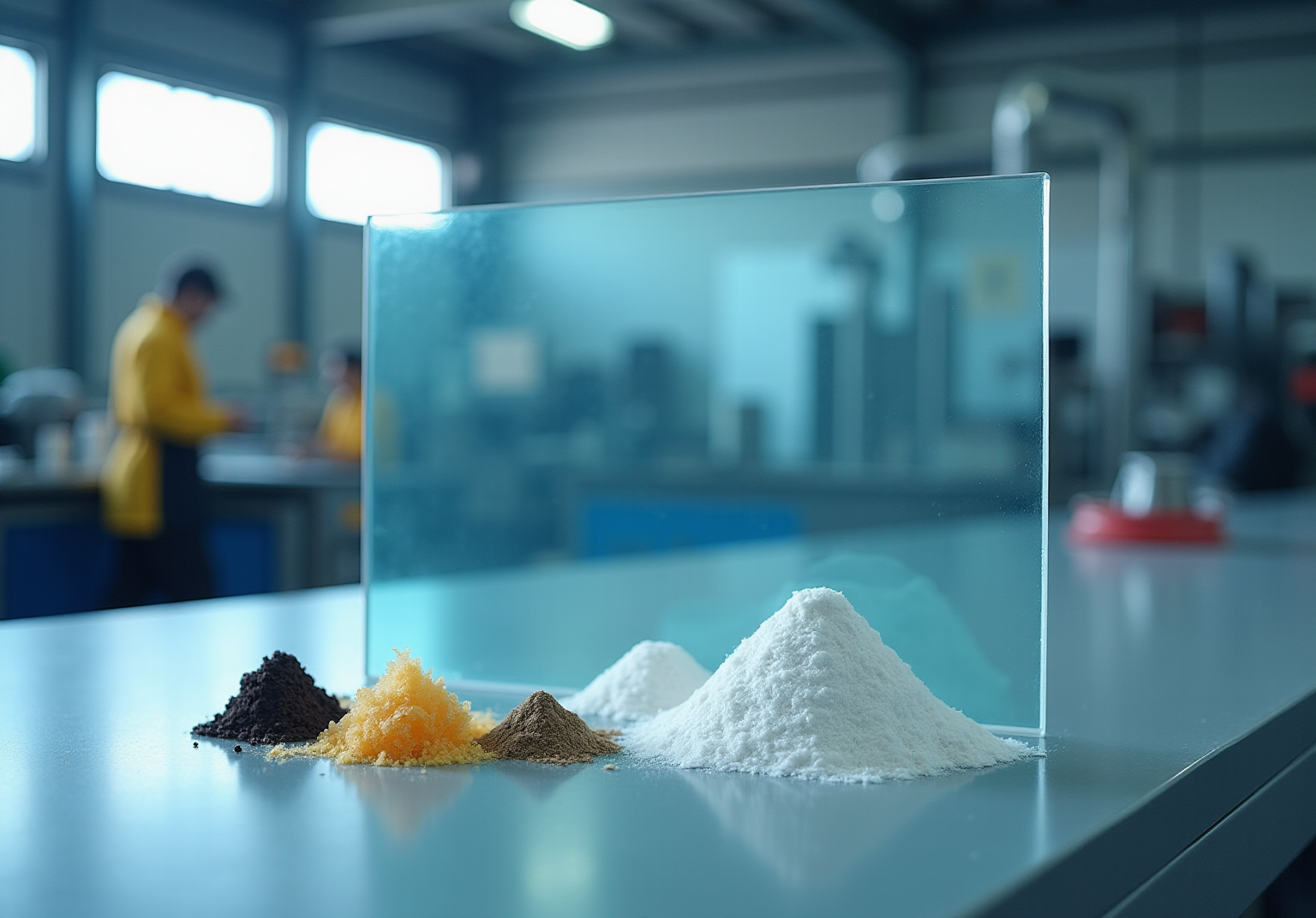
Polycarbonate (PC) stands out as a high-performance thermoplastic polymer, celebrated for its exceptional strength, clarity, and impact resistance. This material, composed primarily of bisphenol A (BPA) and phosgene, undergoes a polymerization process that leads to the question of how polycarbonate plastic is made, forming long chains of carbonate groups. This unique structure not only imparts remarkable toughness but also ensures optical clarity, making polycarbonate the ideal choice for applications that demand both durability and transparency.
The versatility of polycarbonate has led to its widespread adoption across various industries, including automotive, construction, and electronics. Its ability to withstand extreme temperatures and resist UV radiation significantly enhances its appeal. For example, in the automotive sector, polycarbonate is extensively utilized for lighting systems and headlamp lenses, where its lightweight and impact-resistant qualities greatly improve vehicle performance and safety. In the construction industry, transparent polycarbonate is favored for roofing and glazing applications, leveraging its durability and thermal insulation properties.
Looking ahead, the global market for polycarbonate is projected to reach USD 29.46 billion by 2026, with a compound annual growth rate (CAGR) of 7.0% from 2026 to 2033. This growth is fueled by increasing demand in sectors like consumer electronics, where the material's optical clarity and electrical insulation properties are crucial. Innovations that combine polycarbonate with other substances are expanding its application range, enhancing its chemical resistance and UV/weather resistance, making it suitable for outdoor uses.
Understanding the composition and significance of polycarbonate is essential for manufacturers and designers aiming to leverage its characteristics effectively in their products. Continuous advancements in material science and a focus on sustainability further underscore the importance of this transparent thermoplastic in modern manufacturing. Are you ready to explore how polycarbonate can elevate your projects?

Outline the Manufacturing Process of Polycarbonate
The manufacturing process of polycarbonate is a sophisticated journey that guarantees the production of high-quality materials, especially when leveraging reliable rigid plastic extrusion solutions like those from Lincoln Plastics.
- Raw Material Preparation: It all begins with the meticulous synthesis of bisphenol A (BPA) and phosgene. These raw materials are precisely measured and prepared for the polymerization phase. Notably, non-phosgene methods, such as the transesterification of diphenyl carbonate with BPA, are gaining traction due to their reduced environmental impact. Why settle for less when innovation is at your fingertips?
- Polymerization: Next, the prepared BPA and phosgene engage in a polymerization reaction, primarily through interfacial or melt polymerization. This crucial step produces a resin that appears as a viscous liquid. Careful monitoring during polymerization ensures the final product possesses the desired properties.
- Extrusion: The polycarbonate resin is then introduced into an extruder, where it is heated and melted. The molten resin is forced through a die, resulting in sheets, tubes, or custom profiles tailored to specific applications. This step is vital for molding the substance into its final form. At Lincoln Plastics, we optimize our extrusion processes for high production capacity and in-line quality assurance, meeting the specific needs of OEMs while ensuring on-time delivery.
- Cooling and Solidification: After extrusion, the thermoplastic is cooled to solidify it into the desired shape. This step is essential for preserving the material's integrity and ensuring it meets performance standards.
- Quality Control: Throughout the manufacturing process, stringent quality control measures are enforced to guarantee that the material adheres to industry standards and specifications. Lincoln Plastics collaborates closely with OEMs to ensure their products meet all quality requirements, including special checks for ‘fit and function’. Comprehensive testing for clarity, strength, and dimensional accuracy is conducted, utilizing multiple types of check gauges to ensure a proper end-use fit. Regular testing guarantees that the final product meets the high standards expected across various applications. Plus, we can easily source colors that align with your Pantone specifications for consistency across manufacturers, backed by our engineering expertise.
Understanding how polycarbonate plastic is made allows manufacturers to appreciate the complexities of plastic production and the critical role each phase plays in delivering high-quality products. With the global polycarbonate sector projected to grow at a compound annual growth rate (CAGR) of 5.4% from 2024 to 2032, mastering these processes is vital for maintaining a competitive edge. Leading firms in the industry, such as Covestro AG and SABIC, are continuously innovating to enhance production efficiency and sustainability. Are you ready to elevate your manufacturing capabilities?

Explore Applications of Polycarbonate in Various Industries
Polycarbonate stands out as a remarkably versatile material, making its mark across various industries due to its unique properties. Let’s explore some of its notable applications:
- Automotive Industry: In the automotive sector, polycarbonate is increasingly recognized for its lightweight and impact-resistant components, such as headlamp lenses, interior panels, and safety glazing. Its clarity and strength not only enhance vehicle safety but also elevate aesthetics, aligning with the rising demand for fuel-efficient vehicles and premium passenger cars. The automotive plastic glazing market is poised for significant growth, driven by innovations and regulatory pressures.
- Construction Sector: In construction, polycarbonate sheets are utilized for roofing, skylights, and greenhouse panels. Their UV resistance and thermal insulation properties play a crucial role in boosting energy efficiency and durability in building designs. As the construction industry shifts towards eco-friendly materials, the advantages of this transparent plastic are gaining recognition, particularly in light of regulatory pressures aimed at reducing environmental impact. Notably, the global polycarbonate market is projected to reach USD 36.06 billion by 2033, growing at a CAGR of 4.9% from 2026 to 2033.
- Electronics: Within the electronics realm, polycarbonate is a go-to material for producing enclosures, connectors, and housings. Its exceptional electrical insulation characteristics and heat resistance make it ideal for protecting sensitive components, aligning with the increasing demand for high-performance materials in the electronics sector. Emina Kristina Petrović, a senior lecturer in Sustainability in Design, emphasizes the need for more avenues to share knowledge about these materials and their applications.
- Medical Devices: In healthcare, polycarbonate is employed in the manufacturing of surgical instruments, IV bags, and diagnostic equipment. Its biocompatibility and ease of sterilization are vital for ensuring patient safety, making it a preferred choice in medical applications where reliability is essential.
- Safety Equipment: Polycarbonate is widely used in safety goggles, face shields, and protective barriers due to its high impact resistance and optical clarity. These properties provide crucial protection across various environments, reinforcing its significance in safety equipment across industries.
These applications illustrate the adaptability of polycarbonate, showcasing its ability to meet the stringent demands of diverse sectors, making it an invaluable resource for manufacturers. However, it’s crucial to consider the environmental concerns associated with this material, particularly regarding BPA, as these factors influence its adoption in various applications. As the market for polycarbonate continues to expand, driven by innovations and sustainability initiatives, its role in these industries is set to grow even further.

Identify Challenges in Sourcing Polycarbonate Products
Sourcing polycarbonate products presents several challenges that can significantly impact production and costs. At Lincoln Plastics, we understand these hurdles and are equipped to navigate them effectively.
- Raw Material Availability: The availability of essential raw materials, particularly bisphenol A, is subject to fluctuations that can disrupt production schedules and affect pricing. Producers must create strong supply networks to mitigate these risks, especially as the market for this plastic type is sensitive to crude oil price fluctuations, which have surged due to geopolitical tensions.
- Quality Control: Consistent quality in plastic products is paramount. Variability in raw components or manufacturing processes can lead to defects, necessitating stringent quality control measures. Reports indicate that quality control failure rates in plastic manufacturing can impede growth. At Lincoln Plastics, we adhere to ISO 9001 standards, ensuring our manufacturing processes meet exacting quality requirements. Our robust quality system includes dedicated documentation for each plastic profile, with critical in-process checks and run documentation to guarantee precision and compliance for OEMs.
- Cost Variations: The price of these materials is influenced by consumer demand and raw material costs, which can change considerably. With the average production expense of the domestic plastic industry rising by 12% to 16%, manufacturers should remain vigilant about industry trends and consider long-term agreements to stabilize costs and ensure supply continuity.
- Regulatory Compliance: Adhering to industry regulations and standards is critical, particularly in sectors such as healthcare and automotive. Lincoln Plastics collaborates closely with clients to ensure our transparent thermoplastic products meet all essential certifications and safety standards, helping to avoid costly penalties and maintain access to the industry. Environmental concerns related to certain plastics are hindering market expansion, adding another layer of complexity to compliance initiatives.
- Customization Needs: Many applications require tailored plastic solutions, complicating the sourcing process. At Lincoln Plastics, we work closely with OEMs to develop customized solutions that meet specific project requirements, ensuring we deliver high-quality products that align with client expectations. Our expertise in plastic extrusion allows us to provide customization options that enhance the functionality and appeal of your products.
- Global Shipping Services: Lincoln Plastics is prepared to manage international shipping, ensuring our clients can obtain their plastic products regardless of location. This capability is crucial for OEMs looking to streamline their supply chains and maintain operational efficiency across borders.
By understanding and addressing these challenges, manufacturers can effectively navigate the sourcing process, securing high-quality polycarbonate products that fulfill their operational needs.

Conclusion
Polycarbonate plastic stands out with its remarkable strength, clarity, and versatility, playing a pivotal role across various industries, from automotive to healthcare. Understanding the meticulous process of how polycarbonate is crafted-from the careful selection of raw materials to rigorous quality control-underscores its significance in modern manufacturing. This thermoplastic not only meets the demands of high-performance applications but also evolves alongside the growing emphasis on sustainability and innovation.
The article explores the step-by-step manufacturing process, illustrating how polycarbonate is:
- Synthesized
- Polymerized
- Extruded
- Cooled
- Thoroughly tested for quality
Each stage is crucial in producing a material that excels in performance while adhering to industry standards. Furthermore, the diverse applications of polycarbonate across sectors reinforce its importance, showcasing its role in enhancing safety, energy efficiency, and overall product performance.
As demand for polycarbonate continues to surge, propelled by technological advancements and a heightened focus on sustainability, it becomes increasingly essential for manufacturers to navigate the challenges of sourcing and production. Embracing innovation and prioritizing quality assurance will empower businesses to harness the full potential of polycarbonate, ensuring competitiveness in a rapidly evolving market. The future of polycarbonate is promising, with its applications poised to expand, making it an invaluable asset for industries striving for excellence and sustainability.
Frequently Asked Questions
What is polycarbonate?
Polycarbonate (PC) is a high-performance thermoplastic polymer known for its exceptional strength, clarity, and impact resistance.
What is the composition of polycarbonate?
Polycarbonate is primarily composed of bisphenol A (BPA) and phosgene, which undergo a polymerization process to form long chains of carbonate groups.
What are the key properties of polycarbonate?
Polycarbonate is characterized by remarkable toughness, optical clarity, the ability to withstand extreme temperatures, and resistance to UV radiation.
In which industries is polycarbonate commonly used?
Polycarbonate is widely adopted in various industries, including automotive, construction, and electronics.
How is polycarbonate utilized in the automotive sector?
In the automotive industry, polycarbonate is extensively used for lighting systems and headlamp lenses due to its lightweight and impact-resistant qualities.
What applications does polycarbonate have in construction?
Transparent polycarbonate is favored in the construction industry for roofing and glazing applications, leveraging its durability and thermal insulation properties.
What is the projected market growth for polycarbonate?
The global market for polycarbonate is projected to reach USD 29.46 billion by 2026, with a compound annual growth rate (CAGR) of 7.0% from 2026 to 2033.
What factors are driving the demand for polycarbonate?
Increasing demand in sectors like consumer electronics, where polycarbonate's optical clarity and electrical insulation properties are crucial, is driving its market growth.
How are innovations affecting polycarbonate applications?
Innovations that combine polycarbonate with other substances are expanding its application range and enhancing its chemical resistance and UV/weather resistance, making it suitable for outdoor uses.
Why is understanding polycarbonate important for manufacturers and designers?
Understanding the composition and significance of polycarbonate is essential for manufacturers and designers to effectively leverage its characteristics in their products.
List of Sources
- Define Polycarbonate: Composition and Importance
- openpr.com (https://openpr.com/news/4420732/polycarbonate-sheets-market-size-to-exceed-7-06-billion-by-2035)
- US Polycarbonate Manufacturing Gets Major Boost (https://plasticstoday.com/extrusion-film-sheet/us-polycarbonate-manufacturing-gets-major-boost)
- The Evolving Landscape of Polycarbonate Usage in 2024 - Sterling Plastics (https://sterlingplasticsinc.com/insights/polycarbonate-usage-in-2024)
- Polycarbonate Market Size, Share and Analysis, 2026-2033 (https://coherentmarketinsights.com/market-insight/polycarbonate-market-4505)
- fortunebusinessinsights.com (https://fortunebusinessinsights.com/polycarbonate-market-108509)
- Outline the Manufacturing Process of Polycarbonate
- scribd.com (https://scribd.com/presentation/621365585/3-PC-slide)
- fortunebusinessinsights.com (https://fortunebusinessinsights.com/polycarbonate-market-108509)
- gonplastics.com (https://gonplastics.com/a-the-process-behind-polycarbonate-inside-a-polycarbonate-factory.html)
- valcogroup-valves.com (https://valcogroup-valves.com/faq-2/manufacturing-process-of-polycarbonate)
- Explore Applications of Polycarbonate in Various Industries
- openpr.com (https://openpr.com/news/4461949/polycarbonate-pc-manufacturing-plant-dpr-unit-setup-2026)
- fortunebusinessinsights.com (https://fortunebusinessinsights.com/automotive-polycarbonate-glazing-market-105905)
- wgtn.ac.nz (https://wgtn.ac.nz/news/2025/07/should-the-building-industry-keep-using-this-controversial-material)
- Polycarbonate Market Size And Share Report, 2026-2033 (https://grandviewresearch.com/industry-analysis/polycarbonate-market)
- US Polycarbonate Manufacturing Gets Major Boost (https://plasticstoday.com/extrusion-film-sheet/us-polycarbonate-manufacturing-gets-major-boost)
- Identify Challenges in Sourcing Polycarbonate Products
- linkedin.com (https://linkedin.com/pulse/machining-plastics-case-study-polycarbonate-pedro-henriques)
- curbellplastics.com (https://curbellplastics.com/resource-library/case-studies?srsltid=AfmBOoq2aKFzMx8TB7IDsSKRQPBfDEss2vo8wUSZ8DKxHpCdErONxUXl)
- Polycarbonate Market Size, Share and Analysis, 2026-2033 (https://coherentmarketinsights.com/market-insight/polycarbonate-market-4505)
- 7 Famous Quotes in Logistics and Supply Chain Management | Abdulwahab Ismail posted on the topic | LinkedIn (https://linkedin.com/posts/abdulwahab-ismail-88775b48_best-7-famous-quotes-in-logistics-and-supply-activity-7354632418495971329-laQc)
- gwxpcsheet.com (https://gwxpcsheet.com/news/middle-east-tensions-lead-to-pc-sheet-price-adjustments-guoweixing-responds)
Related posts

Right-Sized Production Runs: Flexibility Without the Waste
Lincoln Plastics offers right-sized production runs with a 10-hour minimum — balancing efficiency with flexibility so OEMs avoid oversized orders.


Co-Extrusion: Combining Two Materials for Better Performance
Lincoln Plastics offers co-extrusion, combining two plastics into a single profile for greater design freedom, performance, and cost savings.
Beyond Extrusion: Value-Added Services That Simplify Production
Beyond Extrusion: Value-Added Services That Simplify Production
