
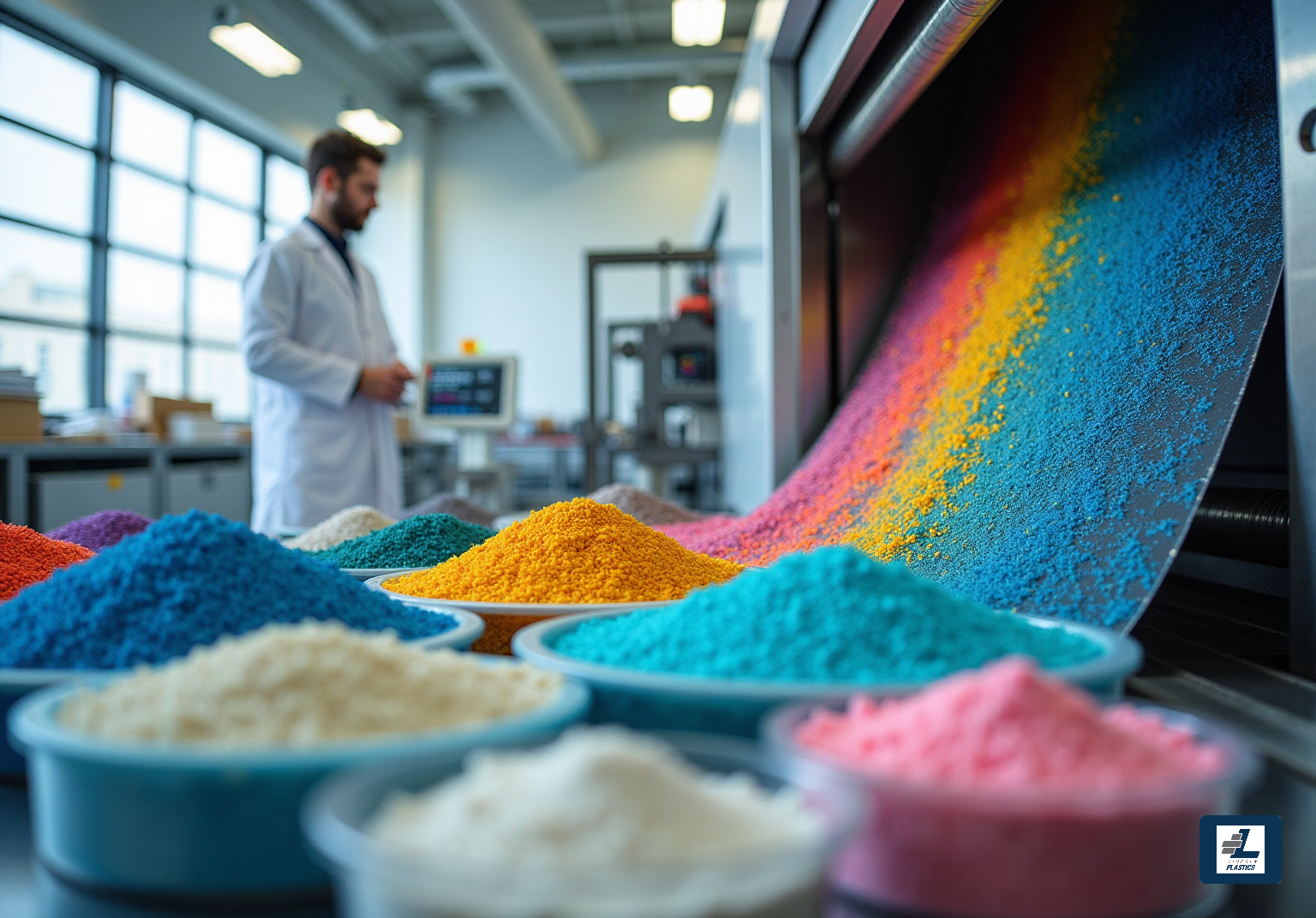
Explore Available Plastics: Essential Insights for OEMs
Introduction
Plastics have really changed the game in manufacturing, right? They offer a wide variety of materials that meet all sorts of industrial needs. For original equipment manufacturers (OEMs), understanding the different types of plastics - from thermoplastics to thermosetting resins - can bring some serious benefits in product design and sustainability.
But here’s the thing: with all the pressure to go green and the tricky world of recyclability, how can OEMs tackle these challenges while still ensuring top-notch performance and staying compliant? You might be wondering about that! This article dives into the key insights on the plastics available, their applications, and the important factors that OEMs need to keep in mind as the market evolves. Let’s explore together!
Explore the Basics of Plastic Materials
Plastics are pretty fascinating! They’re synthetic substances made from polymers, which are long chains of molecules. For OEMs, it’s super important to understand the basic types of polymers - thermoplastics, thermosetting resins, and elastomers - so they can pick the right materials for manufacturing.
Let’s start with thermoplastics. These materials can be melted and reshaped over and over again, which makes them really versatile. You’ve probably come across Polyethylene (PE) and Polypropylene (PP) in packaging and automotive parts. They’re lightweight and durable, making them a go-to choice for many applications.
Now, let’s talk about thermosetting materials. Once they’re cured, you can’t remold them, which is why they’re perfect for situations where durability and heat resistance are key. Think of Epoxy and Phenolic resins - they’re widely used in the automotive and aerospace industries because of their strength and thermal stability. In fact, the global thermoset plastic market is expected to grow a lot, with demand rising in construction and electronics. It’s projected to jump from USD 102 billion in 2023 to USD 156 billion by 2032!
And then we have elastomers. These rubber-like materials can stretch and bounce back to their original shape, offering flexibility and resilience. You’ll find Silicone and Natural Rubber in seals, gaskets, and all sorts of consumer products.
By getting to know these categories, OEMs can make smarter choices based on key factors like flexibility, strength, and thermal resistance. This way, they can select the best materials for their specific needs. Plus, there’s a growing trend towards thermosetting materials in electric vehicles and renewable energy applications, which really shows their importance in today’s manufacturing landscape.

Assess Plastics Recyclability and Environmental Impact
As we all know, the push for sustainable practices is getting stronger every day. So, understanding what materials can be recycled is super important. Let’s break it down:
-
Recyclability: Not every material can be recycled. It’s good to get familiar with those recycling codes (1-7) to know what can actually be processed again. For instance, back in 2018, the U.S. recycled 980,000 tons of PET and 560,000 tons of HDPE. That really shows how crucial it is to know which materials can be reused.
-
Environmental Impact: Plastics are a big part of the pollution problem. Did you know that global waste generation is expected to jump from 2.01 billion tonnes in 2016 to a staggering 3.40 billion tonnes by 2050? Taking a closer look at the lifecycle of synthetic products - from how they’re made to how they’re disposed of - can really shed light on their environmental impact. It also highlights the urgent need for better waste management strategies. As Annie Leonard wisely said, "There is no such thing as ‘away’. When we throw anything away it must go somewhere."
-
Sustainable Options: Bioplastics and recycled materials are great alternatives to traditional plastics. Not only do they help reduce environmental harm, but they also appeal to eco-conscious consumers. The global recycling market for polymers is projected to hit USD 101.6 billion by 2034, showing that we’re moving towards more sustainable materials. Plus, the waste recycling services market is expected to grow at a CAGR of 6.1% from 2025 to 2033. That’s a clear sign that sustainability is becoming a priority in manufacturing. And let’s not forget, the combined direct and hidden costs of waste are estimated to reach USD 640.3 billion by 2050. That really puts the economic impact of waste management into perspective.
By focusing on recyclability and sustainability, OEMs can boost their brand reputation, meet regulatory standards, and play a part in creating a more sustainable future. So, what do you think? Are you ready to make a change?

Identify Key Plastic Types and Their Applications
Different available plastics play unique roles across various sectors, each bringing its own set of benefits. Let’s dive into some key types and their applications:
-
Polyethylene Terephthalate (PET): You’ve probably seen this plastic in beverage bottles and food containers. It’s loved for its strength and recyclability. Plus, its barrier properties help keep products fresh.
-
High-Density Polyethylene (HDPE): Known for its toughness and impact resistance, HDPE is often found in milk jugs, detergent bottles, and piping systems. It’s lightweight and doesn’t leach harmful substances, making it a safe choice for many products. In fact, by 2026, HDPE is still expected to lead the market, especially in applications that require sturdy materials.
-
Polyvinyl Chloride (PVC): PVC is a go-to in construction for pipes and fittings, thanks to its rigidity and resistance to the elements. It’s flame-retardant, which boosts safety in various applications. However, recycling can be tricky due to substances like vinyl chloride.
-
Acrylonitrile Butadiene Styrene (ABS): If you’re looking for impact resistance, ABS is your friend. It’s commonly used in automotive parts and consumer electronics. Its versatility makes it a staple in industries that need strong components.
-
Polycarbonate (PC): This material is known for its high impact resistance and clarity. You’ll find it in eyewear lenses and safety gear. Its strength and transparency are perfect for applications where visibility and durability are key.
At Lincoln Plastics, we work closely with OEMs to ensure their products meet all quality standards, including checks for 'fit and function.' Our quality system is robust, featuring a dedicated quality book for your plastic profile, complete with drawings, critical in-process checks, and run documentation. We use various check gauges to ensure everything fits just right for end use.
Understanding these applications is crucial for OEMs when selecting the right available plastics to meet their needs. It’s all about ensuring performance and sustainability in their products. For example, the University of Chicago’s use of HDPE pipes for its chilled water supply lines showcases how effective this material can be in solving industry challenges. And let’s not forget the growing interest in biodegradable and bio-based materials, which offer exciting alternatives to traditional synthetics, paving the way for a more sustainable future.

Understand the Extrusion Process for Custom Plastic Solutions
Let’s dive into the extrusion process, a key manufacturing technique for making plastic products. It’s got a few essential steps that are pretty interesting:
- Material Preparation: First off, we start with raw polymer materials, usually in pellet form, which get fed into the extruder.
- Melting: Next, those pellets are heated up until they melt, turning into a pliable substance that’s ready to be shaped.
- Extrusion: Then comes the fun part! The molten material is pushed through a die, giving it the desired shape. This can be customized for all sorts of applications.
- Cooling: After that, the extruded material cools down - often with air or water - to solidify its shape and make sure it’s dimensionally accurate.
- Trimming and Finalizing: Finally, once it’s solid, the plastic gets trimmed to the right length and might go through some finishing touches, like surface treatment or coating, to meet specific requirements.
Now, you might be curious about how technology plays a role in this. Recent advancements, like continuous loss-in-weight gravimetric blenders and in-line thickness gauges, really boost precision and cut down on variability in production. These innovations help manufacturers deliver high-quality, customized solutions quickly.
By getting a handle on the extrusion process, OEMs can team up effectively with manufacturers like Lincoln Plastics. This collaboration ensures they hit their product specifications, leading to timely delivery and top-notch quality. So, are you ready to explore how this process can work for you?

Conclusion
Understanding the diverse world of plastics is super important for OEMs who want to make smart material choices. By diving into the different types of plastics - like thermoplastics, thermosetting resins, and elastomers - manufacturers can better match their production needs with the unique properties of each material. This knowledge helps OEMs pick the right plastics for their applications, ensuring their products are both functional and efficient.
Now, let’s talk about some key plastic types like PET, HDPE, PVC, ABS, and polycarbonate. Each of these has its own perks, from being recyclable and durable to having great impact resistance and flexibility. Plus, when we discuss the extrusion process, it’s clear that technological advancements can really boost production precision. This means manufacturers can whip up customized solutions that meet specific needs.
As the industry shifts towards more sustainable practices, understanding recyclability and the environmental impact of plastic materials is crucial. OEMs should definitely prioritize sustainable options, like bioplastics and recycled materials. Not only does this improve brand reputation, but it also contributes to a greener future. Embracing these insights will help manufacturers stay competitive while fostering a responsible approach to plastic use in a fast-changing market.
Frequently Asked Questions
What are plastics made from?
Plastics are synthetic substances made from polymers, which are long chains of molecules.
What are the main types of polymers important for OEMs?
The main types of polymers are thermoplastics, thermosetting resins, and elastomers.
What are thermoplastics and their characteristics?
Thermoplastics are materials that can be melted and reshaped multiple times, making them versatile. Examples include Polyethylene (PE) and Polypropylene (PP), which are lightweight and durable.
What are thermosetting materials and where are they used?
Thermosetting materials cannot be remolded once cured, making them ideal for applications requiring durability and heat resistance. Examples include Epoxy and Phenolic resins, commonly used in the automotive and aerospace industries.
What is the projected growth of the thermoset plastic market?
The global thermoset plastic market is expected to grow from USD 102 billion in 2023 to USD 156 billion by 2032, driven by demand in construction and electronics.
What are elastomers and their applications?
Elastomers are rubber-like materials that can stretch and return to their original shape, providing flexibility and resilience. They are found in products like seals and gaskets, as well as various consumer goods.
How can understanding these polymer categories benefit OEMs?
By understanding the categories of polymers, OEMs can make informed choices based on factors like flexibility, strength, and thermal resistance, ensuring they select the best materials for their specific manufacturing needs.
What is the trend regarding thermosetting materials in modern manufacturing?
There is a growing trend towards using thermosetting materials in electric vehicles and renewable energy applications, highlighting their increasing importance in today's manufacturing landscape.
List of Sources
- Explore the Basics of Plastic Materials
- Thermoset Plastic Market Report | Global Forecast From 2025 To 2033 (https://dataintelo.com/report/global-thermoset-plastic-market)
- Plastics Quotes (16 quotes) (https://goodreads.com/quotes/tag/plastics)
- Thermosetting Plastics Market Size | Mordor Intelligence (https://mordorintelligence.com/industry-reports/thermosetting-plastics-market)
- Thermoplastic Market - Size, Share & Industry Analysis (https://mordorintelligence.com/industry-reports/thermoplastics-market)
- Assess Plastics Recyclability and Environmental Impact
- The 2026 outlook for the waste and recycling industry (https://wastedive.com/news/waste-recycling-trends-outlook-2026/810952)
- Recycling Industry Report 2026: Key Insights | StartUs Insights (https://startus-insights.com/innovators-guide/recycling-industry-report)
- U.S. plastic waste recycled by type| Statista (https://statista.com/statistics/1228851/us-plastic-waste-recycled-by-resin?srsltid=AfmBOoqdZ4jHaVfjO-FLupoECmpvCG74OQunblRgI0DKcwrpQ2mdJ3tg)
- 12 Recycling and Sustainability Quotes to Inspire Kindness to our Earth (https://harmony1.com/recycling-sustainability-quotes)
- Plastic Waste Factsheet (https://css.umich.edu/publications/factsheets/material-resources/plastic-waste-factsheet)
- Identify Key Plastic Types and Their Applications
- Understanding the Key Categories of Plastics: A Comprehensive Guide (https://beaverstateplastics.com/understanding-the-key-categories-of-plastics-a-comprehensive-guide)
- Case Studies | ISCO Industries | Total Piping Solutions (https://isco-ahmcelroy.com/case-studies)
- Understand the Extrusion Process for Custom Plastic Solutions
- Plastics Industry Faces Construction Headwinds (https://plasticstoday.com/industry-trends/plastics-industry-braces-for-2026-construction-market-challenges)
- Plastics Extrusion: 4 Critical Statistics to Track for Increased Quality & Plant Profit (https://gaugeadvisor.com/2025/05/26/plastics-extrusion-4-critical-statistics-to-track-for-increased-quality-plant-profit)
- Emerging Trends Shaping Plastic Extruders in 2026 (https://audop.com/c/emerging-trends-shaping-plastic-extruders-in-2026.htm)
- Plastic Extrusion Machine Market Size & Share Report, 2030 (https://grandviewresearch.com/industry-analysis/plastic-extrusion-machine-market-report)
Related posts

Why Custom Pipe Extrusion Matters More Than Ever
Standard pipe sizes don’t always work. Learn how Lincoln Plastics delivers custom diameters, wall thicknesses, and finishes in right-sized runs.


Reducing Trip Hazards with Custom Cord Management
Loose cords are more than messy — they’re a safety hazard. Lincoln Plastics’ custom cord covers and Flexiduct solutions improve safety and efficiency.
The Power of Custom Plastic Profiles for OEMs
Off-the-shelf profiles force compromises. Learn how Lincoln Plastics designs custom extruded profiles for OEMs with exact specs and right-sized runs.
