

Create Your Essential Plastic Products List for OEM Success
Introduction
In a landscape where plastic products are crucial for OEM success, understanding their role is more important than ever. This guide explores the intricacies of creating a comprehensive plastic products list, highlighting the benefits of various materials and their applications across industries such as agriculture, office management, and tradeshows.
OEMs face increasing pressure to adapt to market changes and manage costs effectively. How can they ensure they are sourcing the right products from reliable suppliers? This article will explore effective strategies to compile and manage an essential plastic products list that not only meets operational needs but also positions businesses for future growth.
Navigating these challenges effectively can set the stage for sustained growth and competitive advantage.
Identify Different Types of Plastic Products
To achieve OEM success, understanding the diverse materials available in the market is crucial. Here are some common categories:
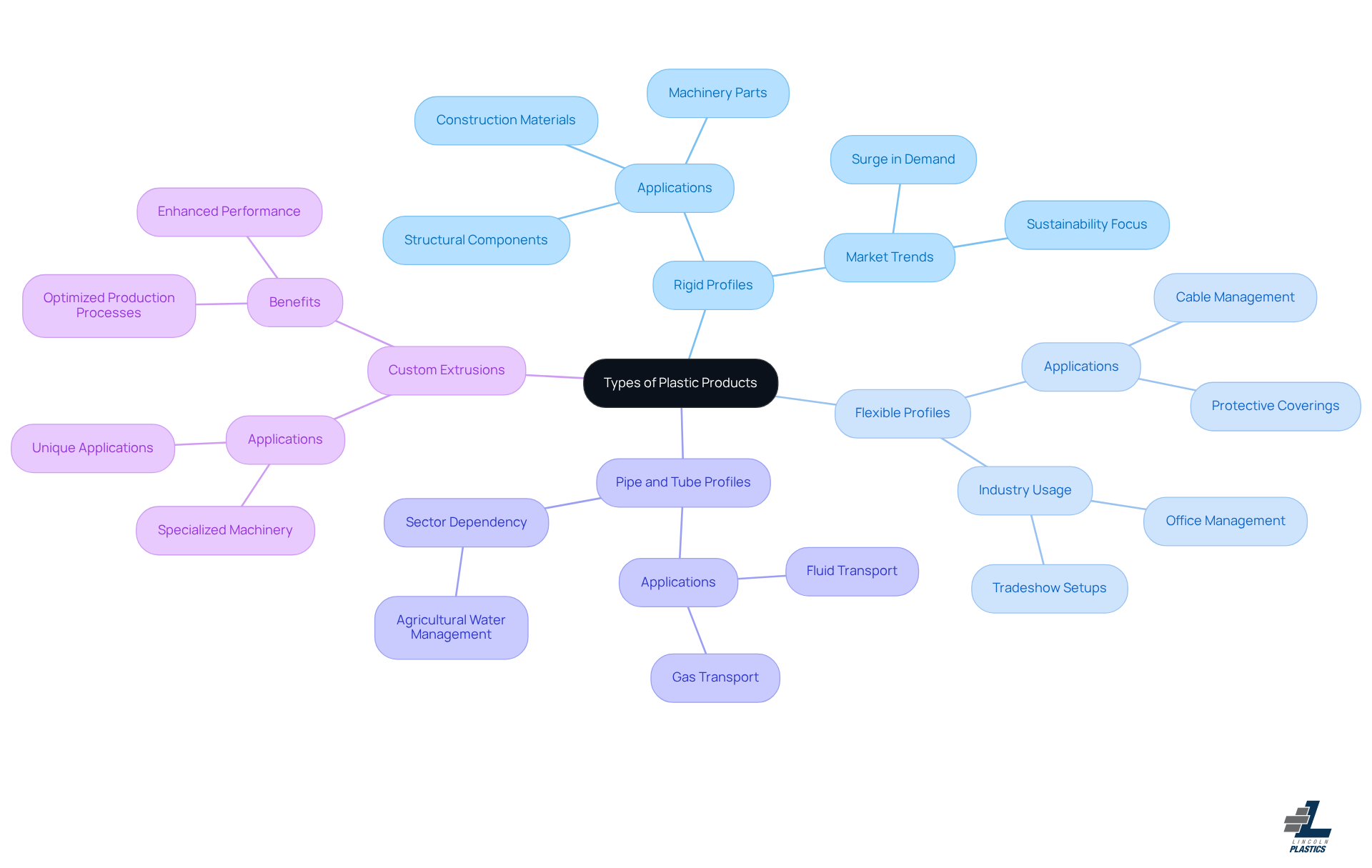
- Rigid Profiles: These solid synthetic shapes are utilized in applications requiring strength and durability, such as structural components in machinery and construction. Are you aware that the demand for rigid plastic packaging is set to surge, fueled by emerging economies and a push for sustainability?
- Flexible Profiles: Crafted to bend and flex without breaking, these items are ideal for applications like cable management and protective coverings. Their versatility makes them a popular choice in various industries, including office management and tradeshow setups.
- Pipe and Tube Profiles: Essential for transporting fluids and gases, these profiles are commonly used in plumbing and irrigation systems. The agricultural sector, specifically, depends significantly on these items for effective water management.
- Custom Extrusions: Tailored solutions designed to meet specific operational requirements, custom extrusions are often employed in specialized machinery or unique applications. This adaptability enables OEMs to optimize their production processes and improve performance.
By classifying these materials, you can streamline your procurement process and enhance operational efficiency. This strategic classification not only aligns with operational needs but also positions you for future growth in a competitive landscape.
Assess Applications of Plastic Products in Your Industry
Understanding the categories of synthetic products is just the beginning; knowing how they apply to your industry is what truly drives success. Here are some key considerations:
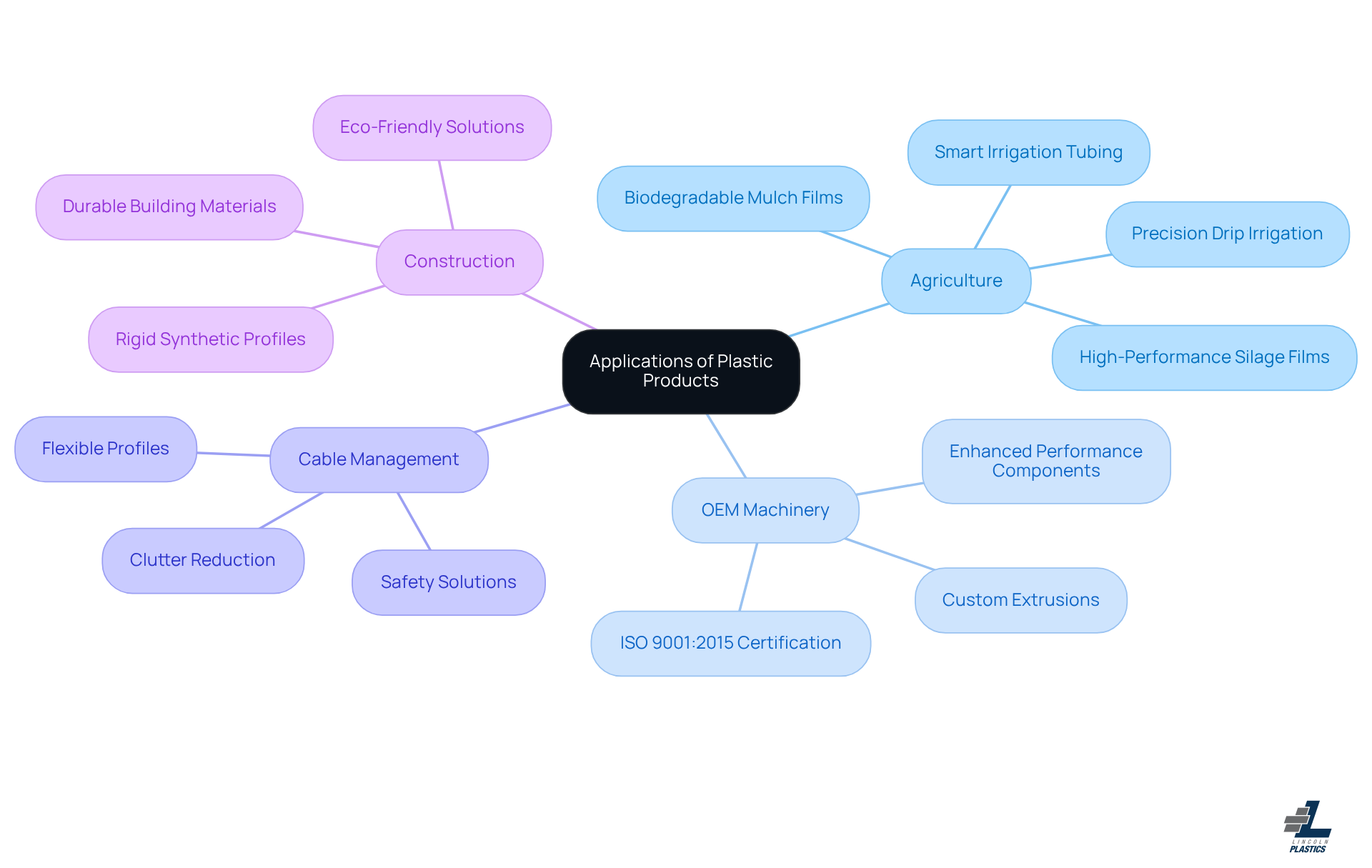
- Agriculture: Rigid and flexible synthetic profiles play a vital role in irrigation systems, particularly in center pivot systems, which are essential for efficient water distribution. Innovations in 2026, such as smart irrigation tubing, are expected to optimize resource use and improve water efficiency, addressing global water scarcity.
- OEM Machinery: Custom extrusions are critical for producing components tailored to specific machinery requirements. This customization enhances performance and reliability, ensuring that machinery operates at peak efficiency. Lincoln Plastics is ISO 9001:2015 certified, reinforcing our commitment to quality through rigorous management plans and dedicated quality books.
- Cable Management: Flexible profiles are indispensable for protecting and organizing cables across various settings, from industrial machinery to office environments. These solutions not only improve safety but also streamline operations by reducing clutter.
- Construction: Rigid synthetic profiles are commonly utilized in building materials, offering durability and weather resistance for outdoor applications. As the construction sector progressively embraces sustainable methods, the demand for eco-friendly material solutions is growing.
Are you struggling to align your products with the evolving market demands? This understanding not only enhances your product relevance but also drives your success in the OEM landscape. Reach out to Lincoln Plastics experts today to ensure your products meet the demands of a competitive market.
Evaluate Supplier Reliability and Material Costs
Navigating the complexities of vendor selection is essential for ensuring the success of your product line. To guarantee the success of your plastic products list, it is crucial to assess possible vendors and their cost of resources. Here are key steps to follow:
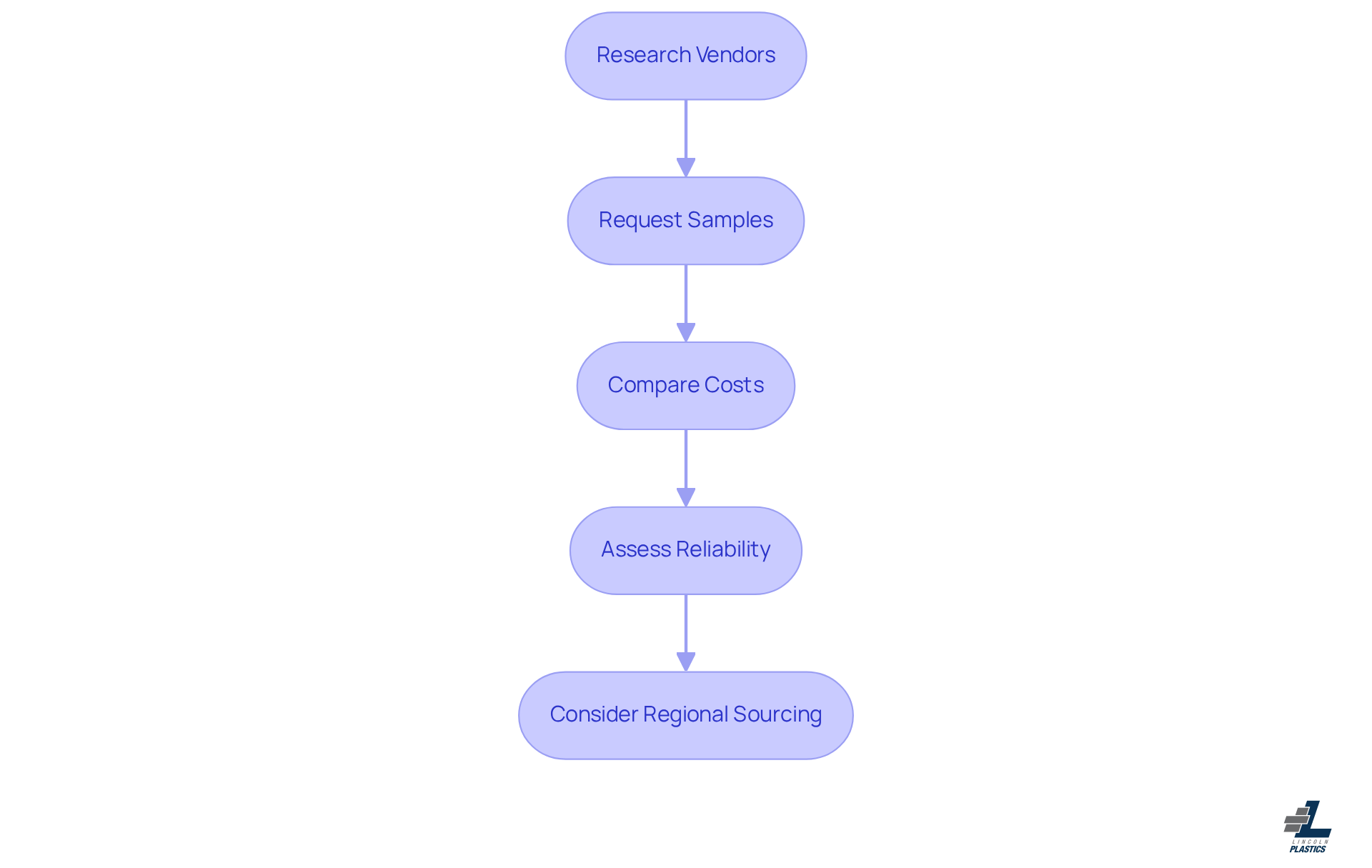
- Research Vendors: Identify vendors with a strong reputation in the plastic extrusion industry. Verify their certifications, such as ISO 9001:2015, which indicate adherence to rigorous quality standards. Lincoln Plastics, for instance, is certified to this standard and has a robust quality management program that includes dedicated quality books and in-process checks. In Q2 2026, 83.1% of manufacturers indicated increasing raw resource expenses as a major obstacle. Are you struggling with rising costs and unreliable suppliers? This highlights the necessity of obtaining dependable providers.
- Request Samples: Before concluding a vendor, ask for product samples to assess their quality and appropriateness for your particular applications. This step is crucial, especially when considering the unique properties required for various projects, such as chemical resistance or FDA compliance.
- Compare Costs: Analyze the pricing structures of different suppliers. Look beyond the base expenses to include shipping, handling, tariffs, and potential downtime. Understanding the total cost of resources is vital. A cheaper option that arrives late can end up costing you more than a slightly pricier local choice. Lincoln Plastics offers international shipping solutions, ensuring timely delivery to meet your needs.
- Assess Reliability: As supply chain challenges grow, have you considered how quickly your vendor can adapt to your needs? Evaluate vendors based on their delivery performance, customer service, and responsiveness to inquiries related to the plastic products list. A responsive provider like Lincoln Plastics can significantly reduce friction across purchasing, engineering, and operations.
- Consider Regional Sourcing: As producers encounter longer lead times and increasing costs of resources, investigating regional sourcing strategies can improve supply chain resilience. Suppliers with local inventory, such as Lincoln Plastics in Lincoln, Nebraska, can respond more quickly to demand changes, ensuring timely delivery and reducing the risk of disruptions.
By making informed vendor choices, you not only secure quality resources but also fortify your production process against future uncertainties. For tailored solutions and quotes, contact Lincoln Plastics experts today.
Compile and Organize Your Plastic Products List
Once you've explored the different types of plastic items and their applications, how do you effectively organize your findings? Let’s break down a structured approach to make this process easier:
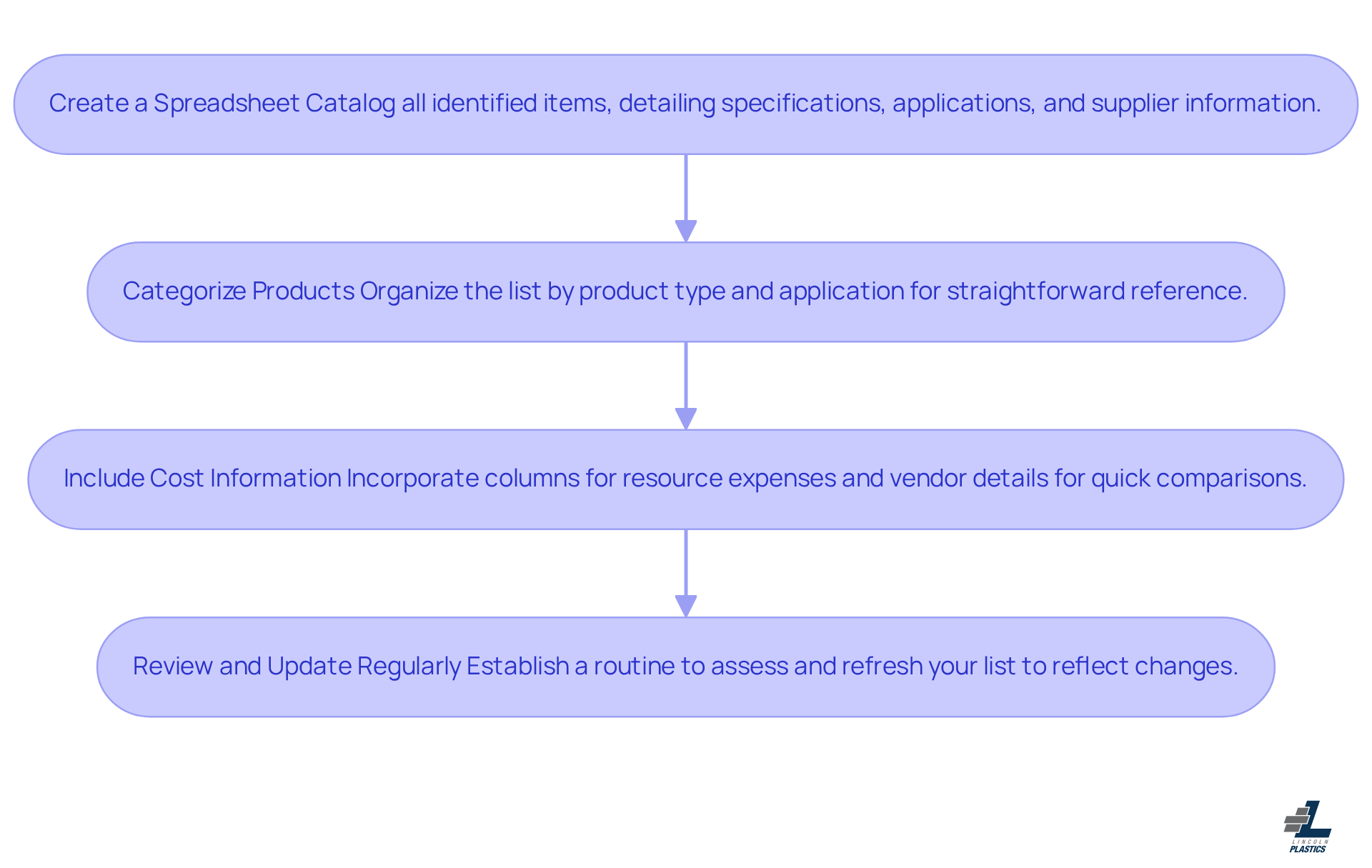
- Create a Spreadsheet: Utilize a spreadsheet to catalog all identified items, detailing their specifications, applications, and supplier information. This will assist you in monitoring crucial information for each item.
- Categorize Products: Organize the list by product type (e.g., rigid profiles, flexible profiles) and application (e.g., agriculture, OEM machinery) for straightforward reference. This classification is essential for enhancing your plastic extrusion profiles, guaranteeing you choose the finest substances for your requirements.
- Include Cost Information: Incorporate columns for resource expenses and vendor details to enable quick comparisons and informed decision-making. Understanding the cost implications can help you choose the right manufacturer, enhancing your overall production efficiency.
- Review and Update Regularly: Establish a routine to assess and refresh your list to reflect changes in vendor relationships, material costs, and offerings. Failing to keep your list updated can lead to costly mistakes and inefficiencies in production.
By maintaining a well-organized plastic products list, you can streamline your operations, improve communication with suppliers, and ensure that your OEM products effectively meet market demands. By partnering with Lincoln Plastics, you not only streamline your operations but also ensure your products stand out in a competitive market. For tailored solutions and quotes, reach out to Lincoln Plastics experts today.
Conclusion
Are you struggling to keep up with the demands of the OEM landscape? Creating a comprehensive plastic products list is essential for success. By understanding the various types of plastic materials and their applications, businesses can streamline their procurement processes and enhance operational efficiency. This strategy not only meets your current needs but also sets you up for future growth in a competitive market.
Throughout the article, we shared key insights on the importance of:
- Categorizing plastic products
- Assessing their applications across industries such as agriculture and OEM machinery
- Evaluating supplier reliability
The emphasis on Lincoln Plastics' commitment to quality, backed by ISO 9001:2015 certification and robust quality management plans, reinforces the significance of selecting dependable vendors. Additionally, we highlighted the advantages of regional sourcing, particularly from Lincoln Plastics in Nebraska, which enables quick order turnaround and efficient logistics.
In conclusion, by partnering with Lincoln Plastics, you can navigate the complexities of sourcing and manufacturing, ensuring your business thrives in a competitive market. For tailored solutions and quotes, reaching out to Lincoln Plastics experts can provide the necessary support to navigate the complexities of plastic product sourcing and manufacturing.
Frequently Asked Questions
What are the different types of plastic products mentioned in the article?
The article identifies four main categories of plastic products: Rigid Profiles, Flexible Profiles, Pipe and Tube Profiles, and Custom Extrusions.
What are Rigid Profiles used for?
Rigid Profiles are solid synthetic shapes used in applications that require strength and durability, such as structural components in machinery and construction.
How is the demand for Rigid Profiles expected to change?
The demand for rigid plastic packaging is projected to surge due to emerging economies and a growing emphasis on sustainability.
What are Flexible Profiles and where are they commonly used?
Flexible Profiles are designed to bend and flex without breaking, making them ideal for applications like cable management and protective coverings. They are widely used in various industries, including office management and tradeshow setups.
What is the purpose of Pipe and Tube Profiles?
Pipe and Tube Profiles are essential for transporting fluids and gases and are commonly used in plumbing and irrigation systems, particularly in the agricultural sector for effective water management.
What are Custom Extrusions and why are they important?
Custom Extrusions are tailored solutions designed to meet specific operational requirements. They are important because they allow OEMs to optimize their production processes and improve performance in specialized machinery or unique applications.
How can classifying these plastic materials benefit OEMs?
Classifying these materials can streamline the procurement process and enhance operational efficiency, aligning with operational needs and positioning OEMs for future growth in a competitive landscape.
List of Sources
- Identify Different Types of Plastic Products
- The Future of Rigid Plastic Packaging to 2030 (https://smithers.com/services/market-reports/packaging/the-future-of-rigid-plastic-packaging-to-2030)
- Five Major Trends Driving Change in Plastic Packaging - Packaging Technology Today (https://packagingtechtoday.com/materials/rigid-containers/five-major-trends-driving-change-in-plastic-packaging)
- Plastiblends India Limited (https://plastiblends.com/blog/5-trends-transforming-the-rigid-plastic-packaging-industry-in-the-long-term)
- What are the Plastic Manufacturing Trends for 2026? (https://linkedin.com/pulse/what-plastic-manufacturing-trends-2026-key-plastics-ltd-d4ekf)
- Plastics Used for Injection Molding in 2026: Trends, Innovations, and Sustainable Alternatives (https://welchplastics.com/injection-molding-plastics-in-2026-trends-innovations-and-sustainable-alternatives-in-las-vegas)
- Assess Applications of Plastic Products in Your Industry
- Plastic Mulch Market Size Growing at a CAGR of 5% from 2026 to 2033: A Guide for Stakeholders to Make Informed Decisions (https://linkedin.com/pulse/plastic-mulch-market-size-growing-cagr-5-from-2026-opuxe)
- Agricultural Plastics Market Size, Share, Report 2026-2033 (https://datamintelligence.com/research-report/agricultural-plastics-market)
- Top 10 Plastic Extrusion Companies to Watch in 2026 - Plastic Extruder Supplier & Plastic Pelletizer OEM Factory | Plastic For Pellet Pelletizer Wholesales Custom Twin Screw Extruder Manufacturer China (https://exintellmach.com/top-10-plastic-extrusion-companies-to-watch-in-2026)
- Agricultural Plastic Solutions: 7 Key Innovations (https://farmonaut.com/blogs/agricultural-plastic-solutions-7-key-innovations-2026)
- At Plastindia 2026, BASF showcases how light stabilizers extend the durability of plastics across industries (https://basf.com/global/en/media/news-releases/2026/02/p-26-017)
- Evaluate Supplier Reliability and Material Costs
- Why Manufacturers Are Regionalizing Plastic Supply Chains in 2026 - Sterling Plastics (https://sterlingplasticsinc.com/insights/why-manufacturers-are-regionalizing-plastic-supply-chains-in-2026)
- Plastics Extrusion: 4 Critical Statistics to Track for Increased Quality & Plant Profit (https://gaugeadvisor.com/plastics-extrusion-4-critical-statistics-to-track-for-increased-quality-plant-profit)
- Midland Plastics Names Brian Torres as President, Signaling Next Chapter of Growth for Midwest Manufacturing Leader (https://knoxnews.com/press-release/story/193318/midland-plastics-names-brian-torres-as-president-signaling-next-chapter-of-growth-for-midwest-manufacturing-leader)
- Midwest Molding, Inc. Expands in the Columbus Region, Creating 55 New Jobs (https://columbusregion.com/press-release/midwest-molding-inc-expands-in-the-columbus-region-creating-55-new-jobs)
- 2026 Trend Breakdown: Plastics Supply Chain Regionalization (https://mholland.com/market-insights/2026-trend-breakdown-plastics-supply-chain-regionalization)
- Compile and Organize Your Plastic Products List
- US Plastics Pact releases anticipated 'problematic' materials list (https://wastedive.com/news/us-plastics-pact-problematic-materials-list/617652)
- 10 Innovative Extrusion Plastic Products for OEM Needs (https://lincoln-plastics.com/news-post/10-innovative-extrusion-plastic-products-for-oem-needs)
- Plasnomic Leads Industry Initiative To Reduce Automotive Plastic Waste (https://autorecyclingworld.com/plasnomic-leads-industry-initiative-to-reduce-automotive-plastic-waste)
- 8 Supplier Management Best Practices and Strategies (https://apexanalytix.com/resources/blog/supplier-management-best-practices)
- Building Resilient Supply Chains: Strategies and Successes for Manufacturers (https://nist.gov/blogs/manufacturing-innovation-blog/building-resilient-supply-chains-strategies-and-successes)
Related posts

Right-Sized Production Runs: Flexibility Without the Waste
Lincoln Plastics offers right-sized production runs with a 10-hour minimum — balancing efficiency with flexibility so OEMs avoid oversized orders.


Co-Extrusion: Combining Two Materials for Better Performance
Lincoln Plastics offers co-extrusion, combining two plastics into a single profile for greater design freedom, performance, and cost savings.
Beyond Extrusion: Value-Added Services That Simplify Production
Beyond Extrusion: Value-Added Services That Simplify Production
