
Best Practices for Sourcing UV Stable Plastic for OEMs
Introduction
Manufacturers face a critical challenge in ensuring the UV stability of plastics for outdoor products. As UV exposure can lead to significant degradation, selecting the right materials is not just a matter of preference but a necessity for ensuring longevity and performance.
How can OEMs navigate the complexities of supplier evaluation and cost management to source UV stable plastics effectively? This article explores best practices for sourcing UV resistant plastics, providing insights that empower manufacturers to make informed decisions and enhance their product offerings.
Understand UV Stability in Plastics
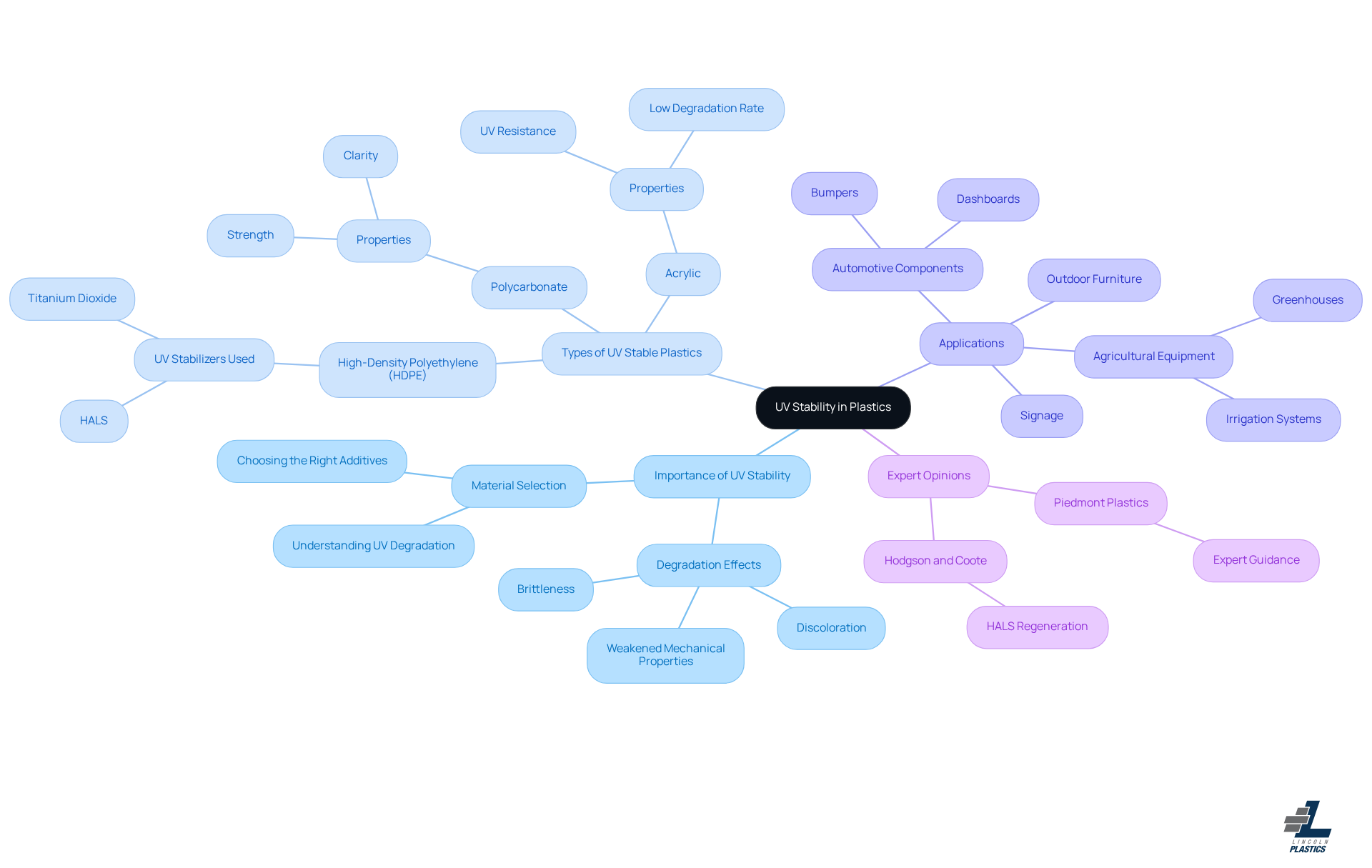
Understanding uv stable plastic is essential for manufacturers aiming to produce reliable outdoor plastics that can withstand the test of time. UV stability is an important characteristic of uv stable plastic, as it refers to a material's ability to resist degradation from ultraviolet (UV) light, which is critical for plastics used outdoors. Prolonged UV exposure can cause serious problems like discoloration, brittleness, and weakened mechanical properties. It's vital for manufacturers to understand how UV degradation works to choose the right materials. UV light can break down polymer chains, leading to photo-oxidation, which results in surface cracking and fading. Therefore, selecting materials such as uv stable plastic or those treated with UV stabilizers is crucial for ensuring product durability.
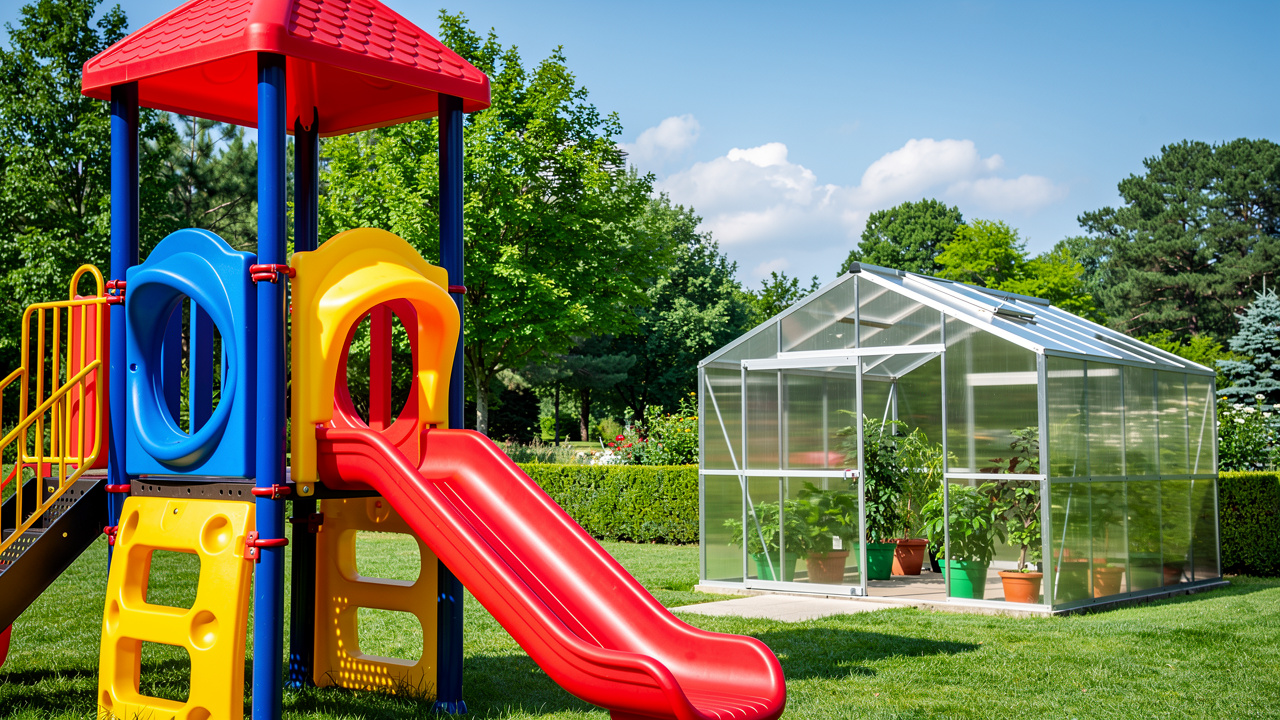
While no plastic is entirely UV resistant, many can be fortified with additives to create uv stable plastic that boosts their UV stability. Manufacturers often assess plastics for UV durability over years, indicating minimal degradation when exposed to UV radiation for that duration. For example, UV stable plastic like UV-stabilized High-Density Polyethylene (HDPE) is commonly used in outdoor furniture and playground equipment, demonstrating durability when properly formulated with UV stabilizers like HALS and titanium dioxide. Case studies, such as "Importance of UV Resistance in Outdoor Plastics," highlight the critical role of UV-resistant materials in various applications, including automotive components, where parts like bumpers and dashboards are designed to withstand UV exposure, thermal cycling, and mechanical stress.
Expert opinions emphasize that selecting the right uv stable plastic is crucial for ensuring part performance and longevity. For instance, Polycarbonate and acrylic are preferred for signage due to their clarity and UV durability, while Polyamide-Imide (PAI) is recognized for its strength and chemical durability in outdoor piping and fittings. Ultimately, the right choice in uv stable plastic materials can mean the difference between product success and failure in outdoor applications.
Identify Effective UV-Resistant Plastics
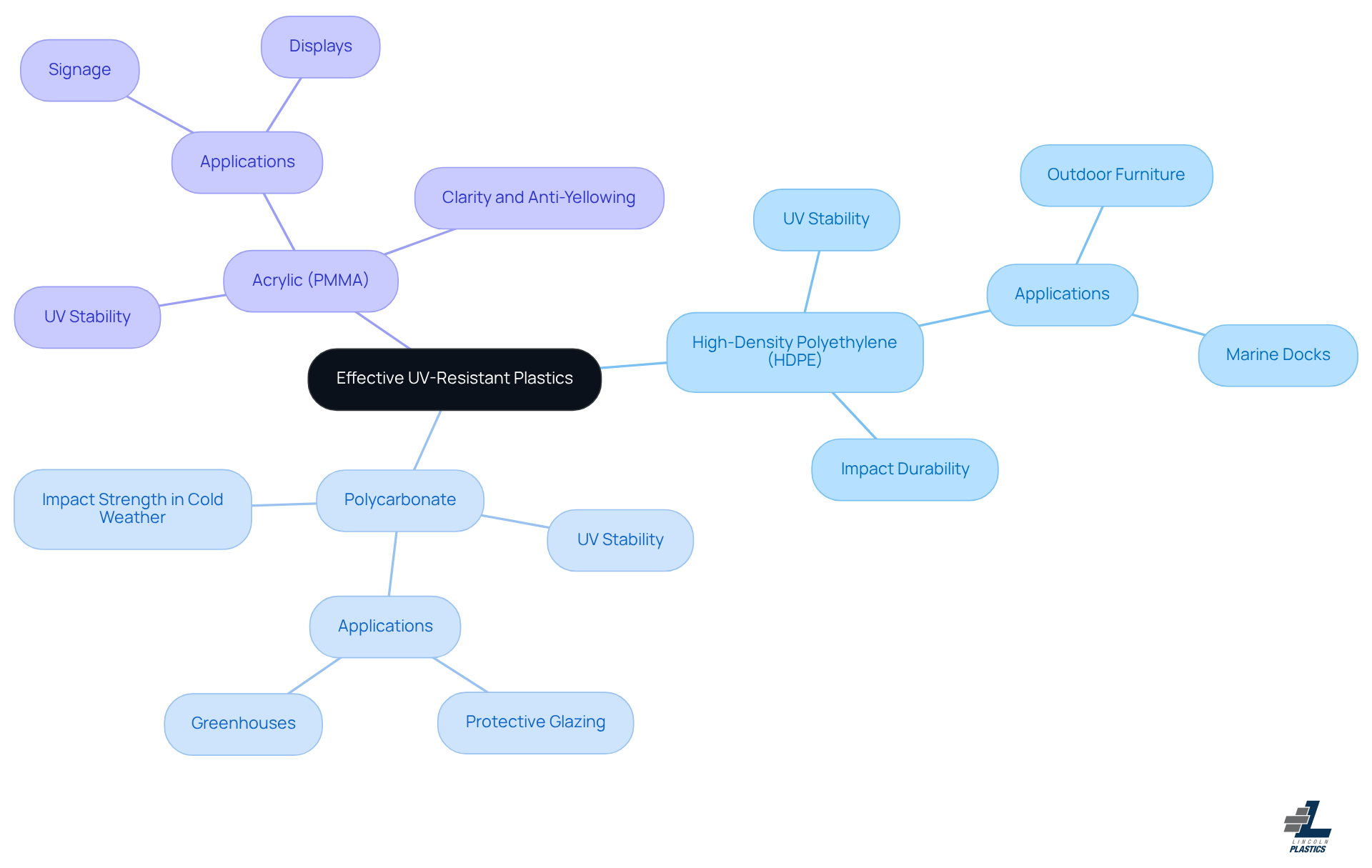
When it comes to outdoor applications, the choice of plastic can make all the difference in performance and longevity. Several types of UV stable plastic are recognized for their outstanding UV durability, making them ideal for outdoor uses.
- High-Density Polyethylene (HDPE) is a top choice for outdoor furniture and marine docks because it is a remarkable UV stable plastic with excellent impact durability.
- Polycarbonate is another strong contender, known for its high impact durability and clarity, essential for applications requiring transparency, such as protective glazing and greenhouses.
- Acrylic (PMMA) is considered a UV stable plastic as it provides good UV protection and is often used in signage and displays, maintaining clarity and resisting yellowing over time.
Furthermore, incorporating UV stabilizers, such as hindered amine light stabilizers (HALS) and benzotriazoles, can enhance the UV resistance of UV stable plastic materials, ensuring longevity in harsh environments. For instance, carbon black blocks UV rays at a rate of approximately 2%, which can be advantageous when considering substance formulations.
It's crucial for manufacturers to weigh these options carefully, considering the specific needs of their applications and the environments they'll face. Polycarbonate, for example, maintains impact strength in freezing conditions, making it preferred for high-impact needs in cold-weather applications. Understanding the distinct characteristics of these materials, along with the anticipated lifespan of products when assessing UV exposure, will assist in making informed choices that correspond with operational requirements. Choosing the right material not only enhances product durability but also ensures that your investment stands the test of time in challenging environments.
Evaluate Suppliers and Manage Costs
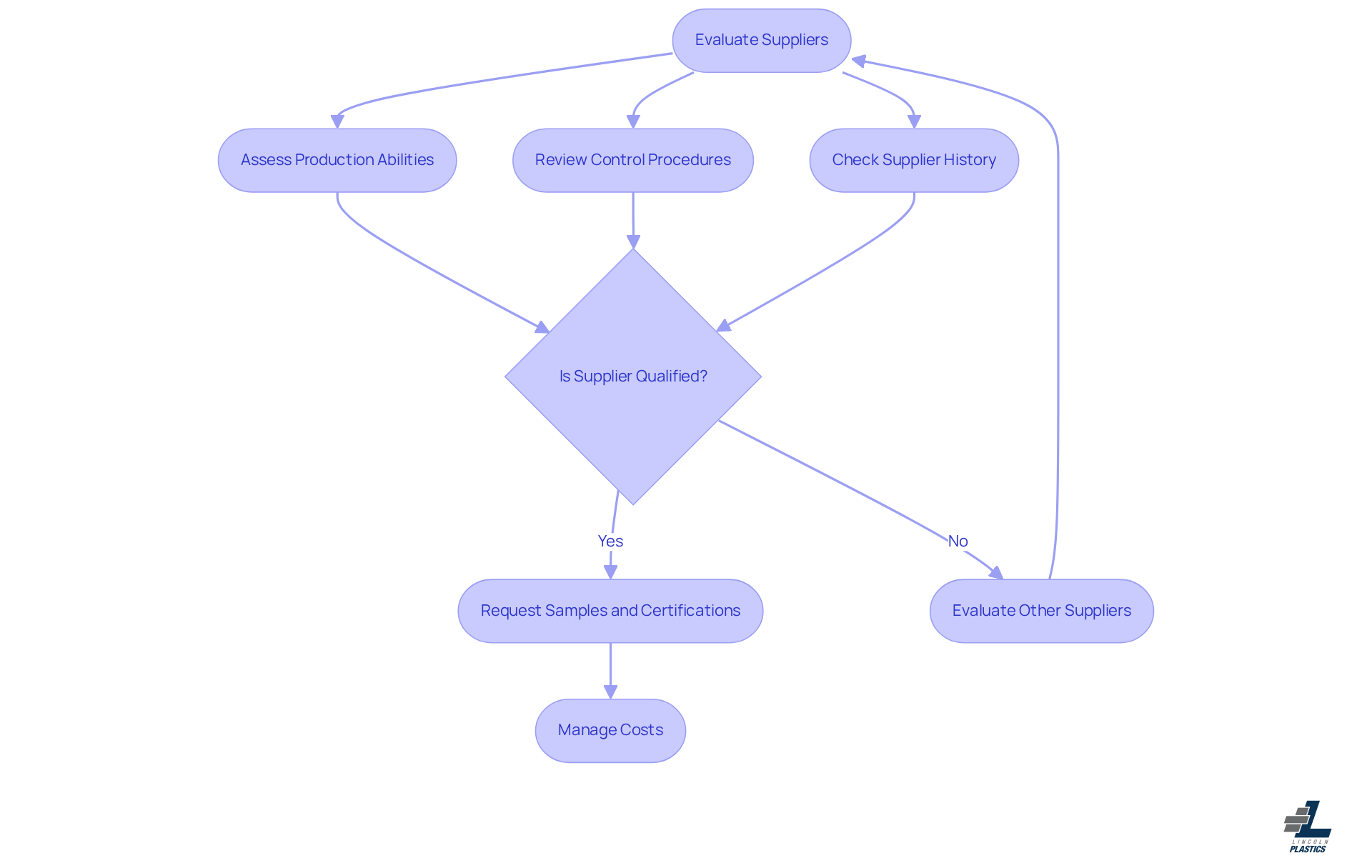
When it comes to sourcing UV-resistant plastics, the right supplier can make all the difference. Original equipment manufacturers should conduct thorough evaluations of potential suppliers. Important aspects to evaluate encompass the supplier's production abilities, control procedures, and history in providing UV stable plastic.
At Lincoln Plastics, we work hand-in-hand with OEMs. We ensure their products meet all standards, including specific checks for fit and function. Our management program is robust. With ISO 9001:2015 certification and dedicated reference books, we ensure the highest standards in our supplies.
Have you requested samples and certifications to assess the quality of your materials? Furthermore, managing expenses entails balancing the initial cost of resources with their long-term performance advantages. Investing in higher-quality UV stable plastic not only enhances product longevity but also reduces replacement costs, providing better value over time.
With our strategic position in Lincoln, Nebraska, we provide rapid order processing and effective logistics, simplifying the sourcing of necessary supplies. Choosing the right materials today can save you significant costs tomorrow.
Implement Best Practices for Sourcing
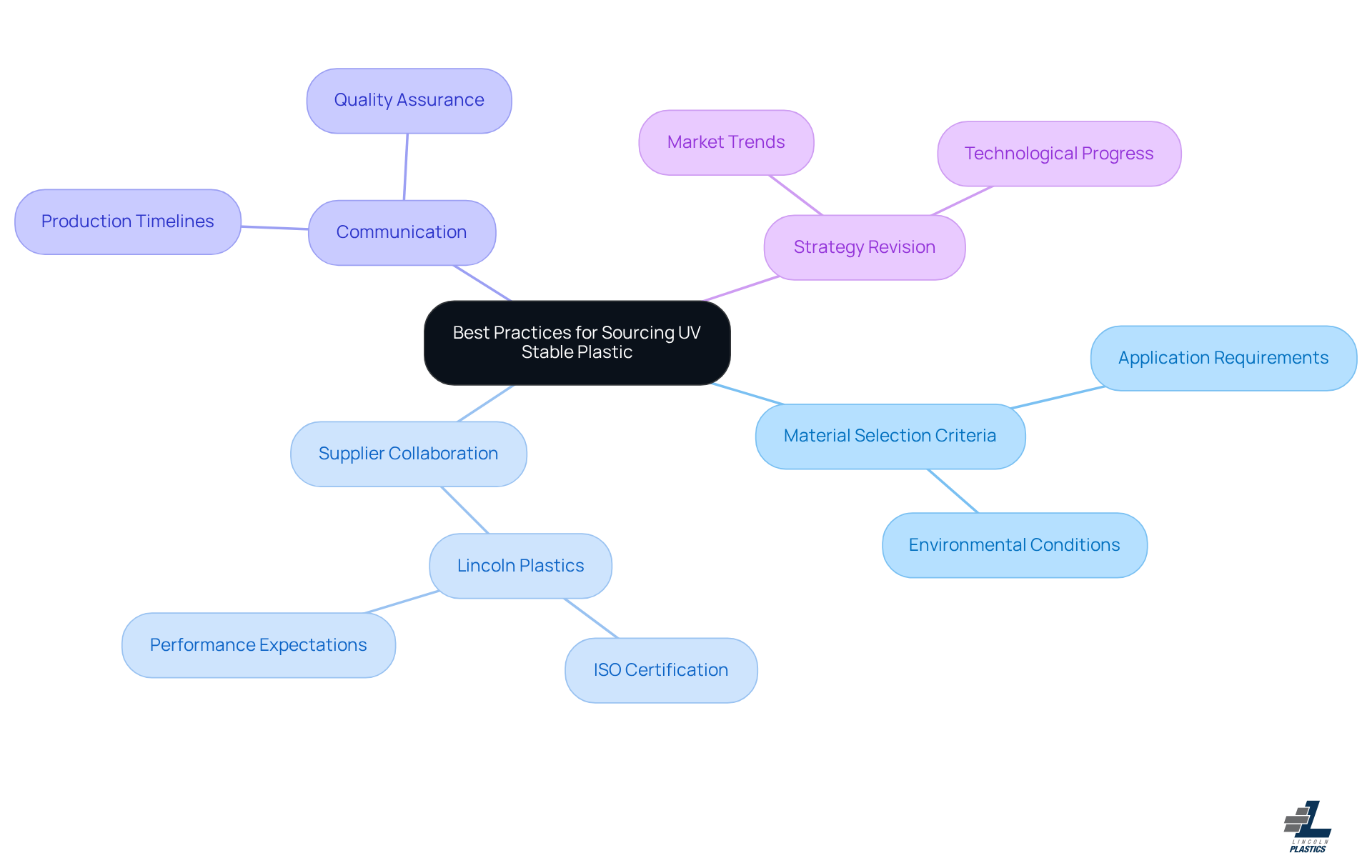
Sourcing UV stable plastic can be a complex challenge, but establishing clear criteria for material selection can simplify the process. Manufacturers should base their criteria on application requirements and environmental conditions. Collaborating with suppliers like Lincoln Plastics, which is ISO 9001:2015 certified, provides valuable insights into the specific UV stabilizers used in their products, ensuring performance expectations are met. Lincoln Plastics works closely with OEMs to meet all standards, including special checks for ‘fit and function.’ Their robust management program includes dedicated manuals and in-process checks, reinforcing their commitment to excellence.
Keeping the lines of communication open with Lincoln Plastics about production timelines and quality assurance can significantly reduce potential risks. Additionally, Lincoln Plastics' strategic location in Lincoln, Nebraska, enables efficient logistics and quick order turnaround. Consistently assessing and revising sourcing strategies according to market trends and technological progress in UV stable plastic will guarantee that original equipment manufacturers stay competitive and can satisfy changing customer needs. By reaching out to Lincoln Plastics, OEMs can secure the tailored solutions they need to thrive in a competitive market.
Conclusion
Navigating the complexities of sourcing UV stable plastic is essential for OEMs committed to producing durable outdoor products. The right materials not only enhance product longevity but also ensure that manufacturers can meet the demands of various applications, from outdoor furniture to automotive components. Choosing UV resistant plastics helps manufacturers reduce the risks of UV degradation. This ensures their products last longer.
Key insights from the article highlight the various types of UV stable plastics, such as:
- High-Density Polyethylene (HDPE)
- Polycarbonate
- Acrylic
Each offering unique benefits for outdoor applications. Additionally, the importance of evaluating suppliers and managing costs cannot be overstated. Are you ready to enhance your product's durability? Collaborating with a reputable supplier like Lincoln Plastics, which adheres to ISO 9001:2015 standards and employs rigorous quality management practices, ensures that OEMs receive high-quality materials tailored to their specific needs.
In conclusion, failing to prioritize UV stability can lead to costly product failures and dissatisfied customers. By partnering with Lincoln Plastics, OEMs can leverage the advantages of a strategically located supplier in Lincoln, Nebraska, ensuring efficient logistics and rapid order turnaround. Taking the first step with Lincoln Plastics could redefine your approach to UV stable plastic sourcing, setting you apart in a competitive landscape. For tailored solutions and expert guidance, reaching out to Lincoln Plastics can be the first step toward achieving excellence in UV stable plastic sourcing.
Frequently Asked Questions
What is UV stability in plastics?
UV stability refers to a plastic material's ability to resist degradation from ultraviolet (UV) light, which is essential for outdoor applications where prolonged UV exposure can lead to issues like discoloration, brittleness, and weakened mechanical properties.
Why is UV stability important for outdoor plastics?
UV stability is crucial for outdoor plastics because prolonged exposure to UV light can cause serious degradation, affecting the material's appearance and structural integrity. Understanding UV degradation helps manufacturers select the right materials for durability.
How does UV light affect plastic materials?
UV light can break down polymer chains in plastics, leading to a process called photo-oxidation. This results in surface cracking, fading, and overall degradation of the material's properties.
Can plastics be made UV stable?
While no plastic is entirely UV resistant, many can be fortified with additives to enhance their UV stability. This includes using UV stabilizers that help protect the material from degradation.
What are some examples of UV stable plastics?
Examples of UV stable plastics include UV-stabilized High-Density Polyethylene (HDPE), which is commonly used in outdoor furniture and playground equipment, as well as Polycarbonate and acrylic, which are preferred for signage due to their clarity and UV durability.
What role do UV stabilizers play in enhancing UV stability?
UV stabilizers, such as HALS (Hindered Amine Light Stabilizers) and titanium dioxide, are additives that can be incorporated into plastics to improve their resistance to UV degradation, thereby extending their lifespan in outdoor applications.
What are some applications of UV resistant materials?
UV resistant materials are critical in various applications, including automotive components like bumpers and dashboards, which must withstand UV exposure, thermal cycling, and mechanical stress.
How can manufacturers assess the UV durability of plastics?
Manufacturers often assess the UV durability of plastics over extended periods, indicating minimal degradation when exposed to UV radiation for years, ensuring the material's reliability in outdoor settings.
Why is selecting the right UV stable plastic crucial for manufacturers?
Choosing the right UV stable plastic is vital for ensuring part performance and longevity in outdoor applications, as the wrong material can lead to product failure and increased costs.
List of Sources
- Understand UV Stability in Plastics
- Which Plastics Are Most UV Resistant? | Piedmont Plastics (https://piedmontplastics.com/blog/a-guide-to-uv-resistant-plastics?srsltid=AfmBOooDM3fVrIqmjV8Gg9EDwRWPrYJgNSJyeXUFvVQPQbLbX8Me_3xM)
- How to Improve UV Stability in Outdoor Plastics (https://safic-alcan.com/en-us/industry-articles/uv-stabilizers-plastics)
- The Importance of UV-Resistant Materials for Outdoor Applications (https://linkedin.com/pulse/importance-uv-resistant-materials-outdoor-applications-1cvkc)
- Master Plastic UV Resistance: Key Insights for OEMs' Material Choices (https://lincoln-plastics.com/news-post/master-plastic-uv-resistance-key-insights-for-oe-ms-material-choices)
- These are the Five Best UV-Resistant Plastics on the Market Today - SyBridge Technologies (https://sybridge.com/top-uv-resistant-plastics)
- Identify Effective UV-Resistant Plastics
- These are the Five Best UV-Resistant Plastics on the Market Today - SyBridge Technologies (https://sybridge.com/top-uv-resistant-plastics)
- Weather Resistant Plastics: Which Plastics Are Best for Outdoor Use? (https://farcoplastics.com/resources/weather-resistant-plastics)
- Evaluating UV-Resistant Plastic Options (https://protolabs.com/resources/design-tips/uv-resistant-plastics)
- Master the Plastic UV Resistance Chart for Effective Material Selection (https://lincoln-plastics.com/news-post/master-the-plastic-uv-resistance-chart-for-effective-material-selection)
- Evaluate Suppliers and Manage Costs
- 10 Key Benefits of UV Resistant Plastic for OEMs (https://lincoln-plastics.com/news-post/10-key-benefits-of-uv-resistant-plastic-for-oems)
- The UV stabilizers market is projected to reach 1.6 billion by 2026, at a CAGR of 5.6% from USD 1.3 billion in 2021 (https://uk.finance.yahoo.com/news/uv-stabilizers-market-projected-reach-093300584.html)
- Explore the Global UV-Resistant Masterbatches Market — analysis of key trends, regional growth, top players, and a 10-year forecast from 2026 to 2036. (https://futuremarketinsights.com/reports/uv-resistant-masterbatches-market)
- 2026 Forecast for U.S. Plastics Procurement - Sterling Plastics (https://sterlingplasticsinc.com/insights/2026-forecast-for-plastics-procurement)
- Implement Best Practices for Sourcing
- UV Stabilizers Market Size & Share | Global Report [2034] (https://fortunebusinessinsights.com/uv-stabilizers-market-108582)
- UV Stabilizers Market Size, Share | Trends Report [2033] (https://skyquestt.com/report/uv-stabilizers-market)
- Ultraviolet Stabilizers Market Size, Share & Growth Report 2035 | MRFR (https://marketresearchfuture.com/reports/ultraviolet-stabilizers-market-23809)
Related posts

Designing Custom Extrusions: How We Work with OEM Engineers
Lincoln Plastics partners with OEM engineers to design custom extrusion profiles — reducing modifications, improving performance, and lowering costs


Precision Matters: Tolerances and Quality Control in Extrusion
Lincoln Plastics ensures precision in every extrusion with tight tolerances, in-line checks, and strict quality control for OEM applications
Plastic Extrusion for Agricultural Equipment: Beyond Irrigation
Lincoln Plastics supports agriculture with custom plastic extrusions that go beyond irrigation, delivering durability and reliability in the field
