
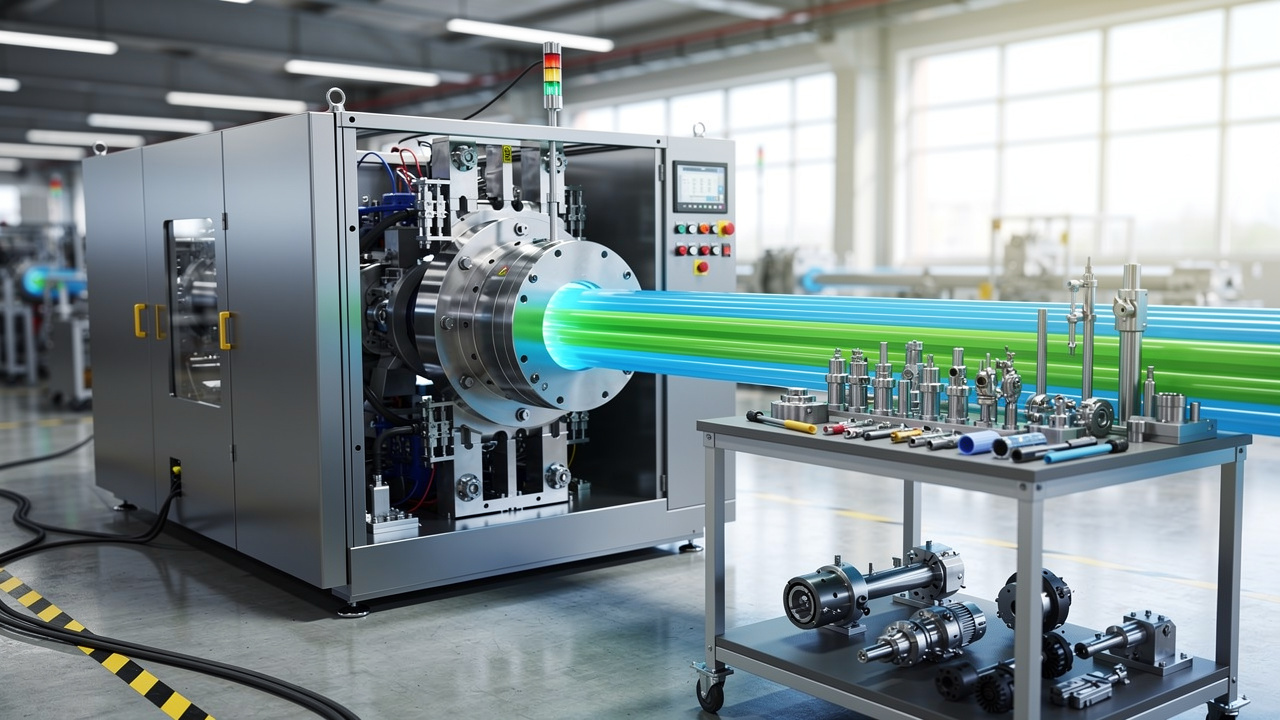
Best Practices for Selecting and Maintaining Plastic Extrusion Tools
Introduction
Achieving manufacturing excellence hinges on selecting and maintaining the right plastic extrusion tools. As the industry evolves, understanding the nuances of tool selection and maintenance can significantly impact production efficiency and product quality. Let’s explore best practices that enhance operational performance and emphasize the value of strategic supplier partnerships.
Manufacturers often struggle with inefficiencies that hinder production. How can effective tool management redefine these challenges?
Identify Key Factors for Tool Selection
Selecting the right plastic extrusion tool is crucial for optimizing manufacturing processes and ensuring product excellence. Manufacturers should consider several key factors to achieve this goal:
- Material Compatibility: Have you considered how critical material compatibility is? Ensuring that the manufacturing materials align with the specific type of plastic being extruded is essential. Various plastics, including PVC, polyethylene, and polypropylene, display differing thermal and mechanical characteristics, which directly affect equipment selection.
- Item Specifications: Clearly defining the dimensions, tolerances, and surface finish required for the final item is essential. This information directs the choice of dies and other manufacturing components, ensuring that the final item meets standards of excellence. Lincoln Plastics excels in designing custom and standard round plastic profiles, providing flexible manufacturing solutions tailored to meet specific OEM requirements.
- Production Volume: Have you thought about how your expected production volume affects your tooling choices? Evaluating the expected production volume is vital. High-volume production may require more resilient components to endure wear and tear, while lower volumes might permit more economical choices without sacrificing standards. Lincoln Plastics can accommodate production runs ranging from 10,000 to over 1,000,000 feet annually, ensuring that they can meet diverse manufacturing needs.
- Tooling Design: The design of the plastic extrusion tool, including die shape and cooling systems, plays a significant role in enhancing material flow and minimizing flaws in the extruded item. For example, Lincoln Plastics' custom fabrication designs, including co-extrusion capabilities for multi-color or multi-material profiles, can result in enhanced efficiency and product standards, tackling specific operational challenges without the constraints of conventional options.
- Cost Considerations: Balancing the initial investment in equipment with long-term operational expenses is essential. While high-quality tools may require a higher upfront cost, they often lead to savings through reduced downtime and waste, ultimately enhancing profitability. Investing in quality equipment, as emphasized by Lincoln Plastics' rigorous quality management program and ISO 9001:2015 certification, can yield significant long-term savings, as highlighted by industry trends emphasizing efficiency improvements.
- Sustainability Practices: With the growing demand for sustainable practices in extrusion, manufacturers should consider tooling options that support recycling and eco-friendly materials. This aligns with current industry trends and can enhance the attractiveness of items in the market.
By making informed decisions about tooling, manufacturers can significantly enhance their operational efficiency and product quality. Furthermore, being conscious of typical traps in tool selection, such as neglecting compatibility of substances or not evaluating production volume precisely, can further improve decision-making and operational success. For expert advice on custom pipe and tube design, substance selection, and vendor-managed inventory solutions, OEM Purchasing Managers are encouraged to reach out to Lincoln Plastics in Lincoln, Nebraska, for personalized solutions.

Implement Effective Maintenance Strategies
To ensure optimal performance of extrusion tools, manufacturers must adopt effective maintenance strategies:
- Regular Cleaning: Establish a routine cleaning schedule to prevent accumulation that can compromise the quality of the extruded product. Use manufacturer-recommended cleaning agents compatible with the materials being processed, and ensure that cleaning is performed while equipment is still hot for easier residue removal.
- Inspection and Monitoring: Conduct regular inspections of tooling components to identify signs of wear or damage. Look for issues such as cracks, corrosion, or misalignment. Without regular evaluations, minor issues can escalate into costly downtime. Regular evaluations can assist in maintaining consistent production standards.
- Lubrication: You can't overlook proper lubrication of moving parts. Follow manufacturer specifications to reduce friction and wear, prolonging the lifespan of the equipment. For high-speed extruders, lubricate critical joints every 8-12 hours to maintain optimal performance.
- Temperature Control: Monitor and control the temperature during the extrusion process. Excessive heat can deteriorate tooling substances and adversely affect quality. A 5°C variation in temperature can disrupt the extrusion process, leading to inconsistencies in the final outcome.
- Documentation: Maintain detailed records of all maintenance activities, including cleaning schedules, inspections, and repairs. This documentation can help identify patterns and inform future maintenance strategies, ensuring that the extrusion process remains efficient and reliable.
Implementing these maintenance strategies enhances the reliability and efficiency of the plastic extrusion tool processes. This not only saves money but also boosts overall productivity. Structured periodic maintenance schedules have been shown to eliminate reactive repairs and maintain extruders in peak condition, ultimately leading to improved operational efficiency and reduced costs. Regular cleaning and inspection not only preserve machine performance but also protect profitability by minimizing material waste and downtime. This dedication to excellence is a component of Lincoln Plastics' stringent quality management program, which encompasses ISO 9001:2015 certification, focused quality plans, and process check sheets, guaranteeing that all items meet the highest standards. Embracing these practices not only safeguards your equipment but also enhances your bottom line.

Explore Different Types of Extrusion Tools
Choosing the right plastic extrusion tool is crucial for achieving optimal production efficiency and product quality. There are several types of extrusion tools, each designed for specific applications:
- Dies: The most critical component in the extrusion process, dies shape the molten plastic into the desired profile. Various die designs, including flat, round, or custom shapes, cater to different item requirements. At Lincoln Plastics, we also offer the capability to co-extrude another color into your profile, allowing for innovative designs like a ‘yellow stripe’ on a rigid profile.
- Crossheads: Used primarily in co-extrusion processes, crossheads enable the simultaneous extrusion of various substances. This is particularly useful for creating products with different surface properties or colors, showcasing Lincoln Plastics' commitment to customization and flexibility in meeting client needs.
- Breaker Plates: These components help to filter out contaminants and ensure a consistent flow of material through the die. Regularly checking and maintaining breaker plates is essential to prevent blockages. At Lincoln Plastics, we prioritize this to ensure smooth operations.
- Calibration Tools: Calibration tools are used to shape and cool the extruded item to the desired dimensions. Proper calibration is essential for maintaining quality and consistency, which is a core value at Lincoln Plastics, supported by our ISO 9001:2015 certification.
- Cooling Systems: Effective cooling systems are necessary to solidify the extruded material quickly and maintain dimensional accuracy. Various cooling techniques, such as water baths or air cooling, can be utilized according to the item specifications.
Manufacturers must understand the various types of plastic extrusion tools and their functions. This knowledge enables them to select the most suitable options for their specific applications. As a result, overall production efficiency is enhanced. By partnering with Lincoln Plastics, manufacturers can ensure they have the right tools to meet their production goals effectively.

Cultivate Strong Supplier Relationships
Are you maximizing your extrusion process? Strong connections with equipment suppliers are key to unlocking efficiency and quality. Let’s explore effective strategies that can elevate your supplier relationships:
- Open Communication: Foster open lines of communication with suppliers to discuss needs, expectations, and feedback. Regular meetings can help address any issues promptly and collaboratively.
- Collaborative Development: Engage suppliers in the product development process. Their expertise can offer valuable insights into equipment design and material selection, resulting in improved outcomes.
- Performance Reviews: Conduct regular performance reviews with suppliers to assess their capabilities and service levels. This can help identify areas for improvement and ensure that suppliers meet your quality standards.
- Long-term Partnerships: Consider establishing long-term partnerships with key suppliers. This can result in improved pricing, priority service, and access to the latest equipment innovations.
- Feedback Loop: Create a feedback loop where both parties can share insights and suggestions for improvement. This collaborative approach can lead to enhanced tooling solutions and more efficient production processes.
Statistics have indicated that organizations with strong supplier relationships experience improved operational agility and reduced costs, underscoring the value of these partnerships in today's competitive landscape. For instance, the case study of Exum Instruments illustrates how implementing a centralized communication platform significantly improved their supplier relationships, leading to better work outcomes. Without these vital partnerships, manufacturers risk stagnation in quality and efficiency, ultimately impacting their bottom line.

Conclusion
Selecting the right plastic extrusion tools is crucial for maximizing manufacturing efficiency and ensuring product quality. The right tools not only enhance operational performance but also contribute to the overall success of production processes. Understanding material compatibility, item specifications, production volume, tooling design, cost considerations, and sustainability practices helps manufacturers make informed decisions that align with their specific needs.
Key insights from this discussion highlight the necessity of effective maintenance strategies, such as:
- Regular cleaning
- Inspection
- Lubrication
- Temperature control
- Thorough documentation
These practices not only prolong the lifespan of extrusion tools but also safeguard against costly downtime and material waste. Additionally, recognizing the various types of extrusion tools available, including:
- Dies
- Crossheads
- Breaker plates
- Calibration tools
- Cooling systems
empowers manufacturers to select the most suitable options for their applications.
Without the right tools, manufacturers risk inefficiencies and increased costs. Building strong relationships with suppliers is key to optimizing your extrusion process. Open communication, collaborative development, performance reviews, and long-term partnerships can significantly enhance operational agility and reduce costs. This collaboration can lead to significant cost reductions and improved production efficiency. Reach out to Lincoln Plastics for tailored solutions and expert guidance to elevate your manufacturing capabilities.
Frequently Asked Questions
Why is material compatibility important in tool selection for plastic extrusion?
Material compatibility is crucial because different plastics, such as PVC, polyethylene, and polypropylene, have varying thermal and mechanical characteristics that directly affect the choice of equipment used in the extrusion process.
What specifications should be defined when selecting tools for plastic extrusion?
It is essential to clearly define the dimensions, tolerances, and surface finish required for the final item. This information guides the selection of dies and other manufacturing components to ensure the final product meets quality standards.
How does production volume influence tooling choices?
The expected production volume affects tooling decisions; high-volume production may necessitate more durable components to withstand wear, while lower volumes might allow for more economical options without compromising quality.
What role does tooling design play in the extrusion process?
The design of the plastic extrusion tool, including die shape and cooling systems, is vital for enhancing material flow and minimizing defects in the extruded item. Lincoln Plastics offers custom fabrication designs, including co-extrusion capabilities for multi-color or multi-material profiles, to improve efficiency and product quality.
What cost considerations should manufacturers keep in mind when selecting tools?
Manufacturers should balance the initial investment in equipment with long-term operational costs. While high-quality tools may have a higher upfront cost, they can lead to savings through reduced downtime and waste, ultimately improving profitability.
How can sustainability practices influence tooling options in plastic extrusion?
With the increasing demand for sustainable practices, manufacturers should consider tooling options that support recycling and eco-friendly materials, aligning with industry trends and enhancing the market appeal of their products.
What common pitfalls should manufacturers avoid in tool selection?
Manufacturers should be aware of typical traps such as neglecting material compatibility and failing to accurately evaluate production volume, as these can negatively impact decision-making and operational success.
Where can OEM Purchasing Managers find expert advice on custom pipe and tube design?
OEM Purchasing Managers are encouraged to contact Lincoln Plastics in Lincoln, Nebraska, for personalized solutions regarding custom pipe and tube design, material selection, and vendor-managed inventory solutions.
List of Sources
- Identify Key Factors for Tool Selection
- 4 Best Practices for Effective Plastic Extrusion Tooling Selection (https://lincoln-plastics.com/news-post/4-best-practices-for-effective-plastic-extrusion-tooling-selection)
- Current State of the Plastic Extrusion Equipment Market: Size, Trends, and a Projected CAGR of 11.6% from 2026 to 2033 (https://linkedin.com/pulse/current-state-plastic-extrusion-equipment-market-size-trends-6kdtc)
- The Extrusion Industry in 2026-2027: Innovations, Trends, and Opportunities (https://plextrusions.com/extrusion-blog/the-extrusion-industry-in-2026-2027-innovations-trends-and-opportunities)
- Plastics Extrusion: 4 Critical Statistics to Track for Increased Quality & Plant Profit (https://gaugeadvisor.com/plastics-extrusion-4-critical-statistics-to-track-for-increased-quality-plant-profit)
- Implement Effective Maintenance Strategies
- Extrusion Tool Maintenance: Cut Scrap and Downtime (https://etmm-online.com/extrusion-tool-maintenance-reduce-scrap-downtime-a-b4d10e17ad38514cb2e38d0a8de153a1)
- Getting the most from your extrusion tooling (https://todaysmedicaldevelopments.com/news/getting-most-from-your-extrusion-tooling)
- Extrusion Tooling Maintenance Yields Financial Benefits – Guill Tool & Engineering Co. Inc. (https://guill.com/news/extrusion-tooling-maintenance-yields-financial-benefits)
- Plastic Sheet Extruder Maintenance Tips to Extend Lifespan (https://wylong.com/plastic-sheet-extruder-maintenance-tips-to-extend-equipment-lifespan)
- Optimizing extrusion tooling (https://paulmurphyplastics.com/industry-news-blog/optimizing-extrusion-tooling)
- Explore Different Types of Extrusion Tools
- The Extrusion Industry in 2026-2027: Innovations, Trends, and Opportunities (https://plextrusions.com/extrusion-blog/the-extrusion-industry-in-2026-2027-innovations-trends-and-opportunities)
- Plastics Extrusion: 4 Critical Statistics to Track for Increased Quality & Plant Profit (https://gaugeadvisor.com/plastics-extrusion-4-critical-statistics-to-track-for-increased-quality-plant-profit)
- Shaping the Future: Innovations in Plastic Extrusion Techniques - SeaGate Plastics Company (https://seagateplastics.com/shaping-the-future-innovations-in-plastic-extrusion-techniques)
- 10 new extrusion technologies reshaping plastics processing in 2026 (https://plasticsmachinerymanufacturing.com/extrusion/article/55395844/10-new-extrusion-technologies-reshaping-plastics-processing-in-2026)
- Plastic Extrusion News and Press Releases | Bausano (https://bausano.com/en/press-and-news?q=NEWS)
- Cultivate Strong Supplier Relationships
- Supplier Relationships: Tips for Success in Manufacturing (https://sustainment.com/post/strengthening-supplier-relationships-tips-and-tools-for-manufacturers)
- Supply Chain Management 2026: Strategies for Success | Ivalua (https://ivalua.com/blog/supply-chain-management-strategies-best-practices-for-2025)
- Simple Ways to Build Stronger Supplier Partnerships (https://ascm.org/ascm-insights/simple-ways-to-build-stronger-supplier-partnerships)
- All OEMs raise their scores: First time in Working Relations Index® history | Get to Know Us | Plante Moran (https://plantemoran.com/get-to-know/news/2026/05/2026-working-relations-index)
- Supplier Collaboration: Elevating Manufacturing Performance (https://jaggaer.com/blog/supplier-collaboration-elevating-manufacturing)


