
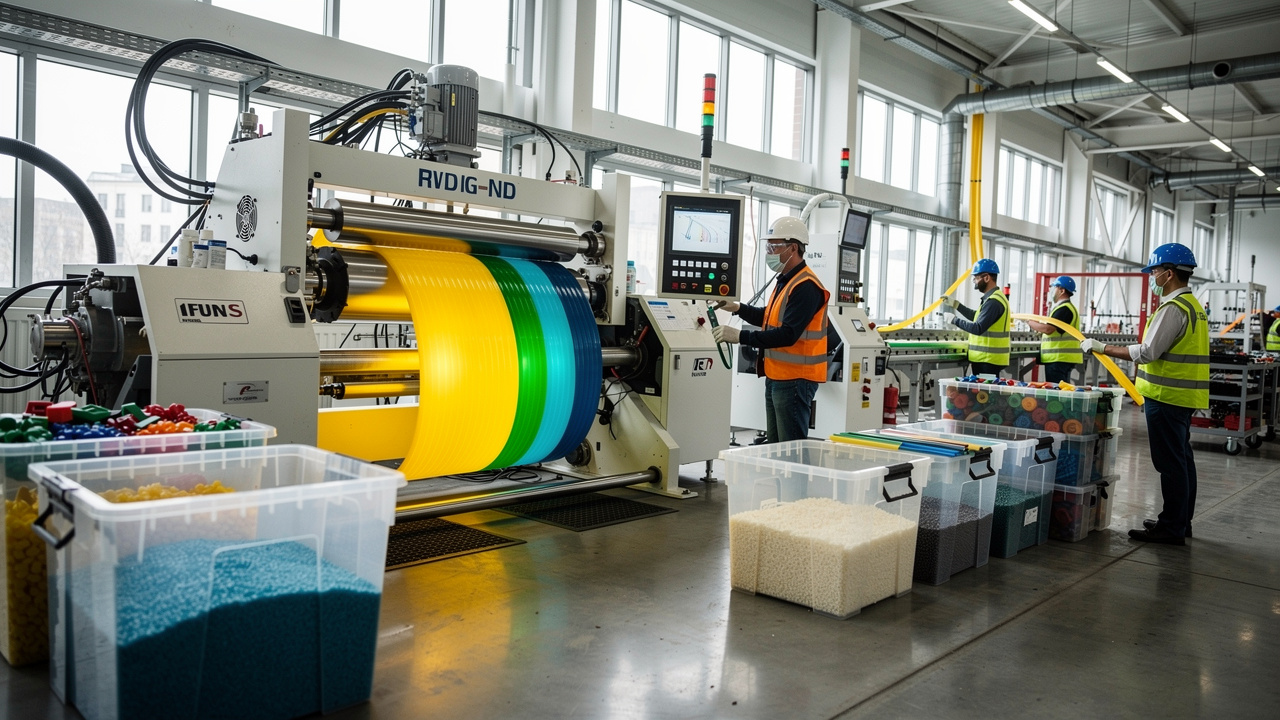
Best Practices for Optimizing Plastic Extrusions in Manufacturing
Introduction
Plastic extrusion stands as a pivotal process in modern manufacturing, driving efficiency and quality across diverse industries. As manufacturers strive for excellence, navigating the complexities of this process is crucial. This article explores best practices for optimizing plastic extrusions, emphasizing critical steps, material selection, and quality control measures that can elevate production standards.
Manufacturers often struggle to navigate the complexities of plastic extrusion, which can hinder efficiency and quality. Without a proactive approach, they may find themselves lagging in innovation and quality, unable to meet market demands. To thrive in this competitive landscape, manufacturers must not only adapt but also lead in innovation and quality assurance.
Understand Plastic Extrusion: Definition and Importance
Plastic shaping is not just a manufacturing method; it’s a pivotal process that can define a company’s success in the competitive landscape of production. This method directly influences production efficiency and product quality. Understanding its significance is essential for manufacturers aiming to thrive in the industry. Mastering the shaping process allows firms such as the plastics company in Nebraska to enhance operations and efficiently fulfill client requirements.
The company specializes in plastic extrusions, providing both flexible and rigid options in a variety of sizes and materials tailored to client specifications. Their ability to co-extrude multiple colors into profiles, such as a 'yellow stripe', showcases their commitment to customization and meeting diverse client needs. Lincoln Plastics not only meets but exceeds industry standards, with their ISO 9001:2015 certification ensuring that every product delivers reliability and quality to our clients. This encompasses dedicated standards plans, in-process checks, and comprehensive documentation, ensuring that every profile meets critical dimensions and application requirements.
Recent advancements in the field highlight the growing importance of plastic shaping. For instance, the introduction of Nordson's Autoflex™ VI-RE die has improved film uniformity, enhancing the quality of labels in packaging applications. Furthermore, the incorporation of in-line processes in advanced profile shaping has streamlined production, reducing time and enhancing consistency. Yet, many manufacturers overlook the critical role of mastering this process, risking inefficiencies and quality issues. As a result, embracing these innovations can transform production capabilities and enhance market competitiveness.
Case studies further demonstrate the advantages of effective plastic shaping practices. For example, a retrofit at Comptoir National du Plastique in Tunisia led to a 20% increase in production efficiency for their blown film line, showcasing how technological upgrades can yield substantial operational improvements. Furthermore, the use of high-speed mixers has been identified as crucial in modern manufacturing, ensuring fast and consistent performance across various sectors, including plastics and chemicals.
As the industry progresses, remaining knowledgeable about innovations and best practices in plastic processing is crucial for manufacturers seeking to improve their production capabilities and sustain competitive advantages. Moreover, understanding the financial implications of improper plastic extrusions, such as wasted resin costs due to deviations in average thickness, underscores the importance of precision in the extrusion process. By prioritizing precision and innovation in plastic extrusions, manufacturers can not only meet but exceed market demands, ensuring long-term success. For tailored solutions, contact Lincoln Plastics today.

Master Key Steps in the Plastic Extrusion Process
The process of plastic extrusions is a meticulous journey that demands precision at every stage to ensure top-notch production outcomes.
- Preparation: Raw materials, typically in pellet or granule form, must be adequately prepared and dried to ensure optimal flow during extrusion. This initial step is crucial for preventing significant production challenges.
- Melting: The prepared materials are introduced into the extruder, where they are subjected to heat until melted. Consistent temperature control is vital to avoid material degradation, which can compromise product integrity.
- Shaping: The molten plastic is then forced through a die, which shapes it into the desired profile. The die's design significantly affects the flow characteristics and overall standard of the extrudate, making precision in this step essential. By adopting best practices in die design for plastic extrusions, manufacturers can significantly enhance their production efficiency.
- Cooling: Once shaped, the extrudate undergoes cooling to solidify its form. Efficient cooling techniques, like air or water baths, are utilized to preserve dimensional accuracy and improve surface characteristics, ensuring the final result meets specifications.
- Cutting: The final step involves trimming the extruded item to the required lengths. Implementing automated cutting systems can significantly enhance efficiency and minimize waste, contributing to a more streamlined production process.
We prioritize these steps in our quality management program for plastic extrusions, featuring dedicated quality plans and process check sheets to guarantee that every product meets our high standards. Our ISO 9001:2015 certification shows our commitment to excellence and working closely with our customers, allowing us to provide high-quality custom plastic extrusions tailored to the needs of OEMs. Additionally, our co-extrusion capabilities allow for the creation of multi-color or multi-material profiles, further enhancing our offerings. By embracing these best practices, manufacturers not only elevate their production quality but also position themselves as leaders in a competitive market. For tailored solutions, we invite you to contact Lincoln Plastics experts for quotes and assistance.

Select Optimal Materials and Design for Extrusion
Selecting the right materials and designs is not just important; it’s essential for maximizing product performance and manufacturability. Common materials used in industrial shaping include PVC, polyethylene, and polypropylene, each with distinct properties tailored for specific applications.
- Material Selection: When choosing materials, consider critical factors such as chemical resistance, flexibility, and mechanical strength. Collaborating with resin suppliers can yield valuable insights into the most suitable materials for particular applications. For instance, the use of glass-filled thermoplastics has proven beneficial in medical tubing, enhancing reliability and performance. Furthermore, Flexiduct from Plastics, created for adaptable cord management, demonstrates how customized profiles can improve workplace safety by removing cord hazards. Choosing the wrong materials can lead to costly production delays and compromised product quality. A tolerance of +/- 3mm is achievable on a profile of 1,000mm length, which underscores the importance of precision in design. Additionally, Lincoln Plastics follows a stringent quality management program and is ISO 9001:2015 certified, ensuring that all items meet high standards of quality and reliability.
- Design Considerations: When it comes to extrusion, effective design is absolutely crucial. Key factors such as wall thickness, corner radii, and profile complexity must be meticulously evaluated. Maintaining consistent wall thickness and avoiding sharp corners can significantly improve material flow and minimize defects. A case study on 'Maximizing Value Through Custom Plastic Extrusions' illustrates how PBS Plastics has successfully leveraged its expertise in plastic extrusions to enhance offerings in agriculture and office management sectors, demonstrating the impact of thoughtful design on product performance. Likewise, the commitment of Plastics to innovative designs, such as those seen in the Flexiduct, demonstrates a dedication to enhancing workplace productivity. The strategic location of Lincoln Plastics in Lincoln, Nebraska, also facilitates efficient logistics and quick order turnaround, enhancing service delivery.
- Co-extrusion Options: For applications that demand multiple material properties, co-extrusion offers a solution by combining different materials within a single profile. This technique not only improves functionality but also adds aesthetic appeal, enabling innovative development across various industries.
By prioritizing optimal material selection and thoughtful design, you can elevate the quality and performance of your plastic extrusions-let’s make it happen together. Moreover, comprehending statistical process control (SPC) metrics such as Cpk and Ppk is crucial for optimizing shaping processes, ensuring that production lines function effectively and within specifications. For tailored solutions, we invite you to contact Lincoln Plastics experts for quotes and assistance.

Implement Effective Quality Control Measures
At Lincoln Plastics, we understand that quality control is not just a step in the process; it's the foundation of our commitment to excellence. Effective quality control is built on several key strategies that we implement rigorously:
- Process Monitoring: We continuously monitor critical parameters such as temperature, pressure, and screw speed during the shaping process. Automated monitoring systems detect deviations in real-time, enabling immediate corrective actions to maintain product integrity. Advanced tooling and control systems in our plastic extrusions machines further enhance this monitoring capability.
- Material Testing: We rigorously test our raw materials before shaping to ensure the highest quality. This includes verifying purity, moisture content, and compatibility with extrusion parameters, which are essential for achieving optimal results. Initial quality control begins with examining the purity and integrity of raw plastic materials.
- In-Process Inspections: Regular inspections of the extrudate during production are crucial for early defect identification. This includes visual assessments and dimensional checks to ensure compliance with design specifications, thereby minimizing the risk of defects. The use of vacuum calibration is essential for cooling and sizing plastic extrusions right after they leave the die, which helps preserve the integrity of the item. Lincoln Plastics employs multiple types of check gauges to ensure a proper end-use fit, reinforcing our commitment to precision.
- Final Output Testing: We implement rigorous testing protocols for completed items, encompassing mechanical testing and performance evaluations. This guarantees that the final items not only satisfy standards but are also appropriate for their intended uses. Our strong assurance system includes a dedicated manual for each plastic profile, complete with drawings, essential in-process checks, and run documentation. Our ISO 9001:2015 certification underscores our commitment to maintaining high-quality standards throughout our processes.
Yet, maintaining consistent quality in plastic shaping presents its own set of challenges. By creating a thorough assurance framework, we enhance reliability and reduce defect risks, ultimately leading to increased customer satisfaction. Our strategic location in Lincoln, Nebraska, allows for efficient logistics and quick order turnaround, further benefiting our OEM partners. For example, firms that emphasize quality assurance in their shaping processes report greater levels of operational efficiency and performance, reinforcing the significance of these measures in the competitive environment of plastic manufacturing. Consequently, our unwavering commitment to quality not only meets but consistently exceeds customer expectations.

Leverage Customization for Competitive Advantage
In a competitive market, customization in plastic shaping is not just an option; it's a necessity for manufacturers aiming to stand out and meet specific client demands. Here are several strategies to leverage customization effectively:
- Tailored Solutions: At our company, we collaborate closely with clients to understand their unique challenges and develop customized plastic extrusions solutions. This may involve creating specific profiles, selecting colors, and combining materials to meet precise needs, including our capabilities in plastic extrusions for multi-color or multi-material profiles.
- Rapid Prototyping: Implementing rapid prototyping techniques enables the company to swiftly develop and test custom designs. This approach allows for iterative design modifications based on client feedback, ensuring the final outcome aligns with expectations and quality standards.
- Flexible Production Capabilities: Our investment in adaptable production systems allows us to handle a variety of custom orders with minimal downtime. This flexibility enhances our responsiveness to market demands and client requests, positioning the company as an agile player in the industry.
- Showcase Success Stories: Promoting successful custom projects in our marketing materials demonstrates our expertise and attracts new clients. For instance, we recently completed a project for an OEM in the agricultural sector, where our tailored solutions significantly improved their product performance and market competitiveness.
By prioritizing customization, manufacturers can not only meet client needs but also secure their position as industry leaders, ensuring long-term success and innovation.

Conclusion
Optimizing plastic extrusions is crucial for manufacturers aiming to deliver high-quality products and stay ahead of the competition. Understanding the intricacies of the plastic extrusion process allows manufacturers to boost efficiency and improve product performance. Lincoln Plastics demonstrates its commitment to quality through its ISO 9001:2015 certification and rigorous quality management plans, ensuring that every product meets the highest standards. This reinforces the importance of precision and innovation in this field.
Key insights from the article highlight the significance of mastering each step of the extrusion process, from material selection to effective quality control measures. The ability to co-extrude multiple colors and materials not only enhances product functionality but also caters to diverse client needs. Furthermore, Lincoln Plastics' strategic location in Lincoln, Nebraska, facilitates efficient logistics and quick order turnaround, benefiting manufacturers and their clients.
In conclusion, taking action now can lead to significant improvements in product quality and operational efficiency. Manufacturers are encouraged to prioritize quality control, customization, and continuous improvement to thrive in a competitive landscape. For tailored solutions and expert guidance, reaching out to Lincoln Plastics can pave the way for enhanced operational efficiency and product success.
Frequently Asked Questions
What is plastic extrusion and why is it important?
Plastic extrusion is a manufacturing method that shapes plastic materials into specific profiles. It is crucial for production efficiency and product quality, directly influencing a company's success in the competitive manufacturing landscape.
What types of plastic extrusions does Lincoln Plastics specialize in?
Lincoln Plastics specializes in both flexible and rigid plastic extrusions, offering a variety of sizes and materials tailored to client specifications. They also have co-extrusion capabilities for creating multi-color or multi-material profiles.
How does Lincoln Plastics ensure product quality?
Lincoln Plastics is ISO 9001:2015 certified, which ensures that every product meets rigorous quality standards. They implement dedicated quality plans, in-process checks, and comprehensive documentation to guarantee reliability and adherence to critical dimensions.
What are the key steps in the plastic extrusion process?
The key steps in the plastic extrusion process include: 1. Preparation: Drying and preparing raw materials. 2. Melting: Heating materials in the extruder until melted. 3. Shaping: Forcing molten plastic through a die to create the desired profile. 4. Cooling: Solidifying the extrudate using efficient cooling techniques. 5. Cutting: Trimming the extruded item to required lengths.
How does Lincoln Plastics incorporate quality management in their extrusion process?
Lincoln Plastics prioritizes quality management through dedicated quality plans and process check sheets, ensuring that every product meets high standards. Their ISO 9001:2015 certification reflects their commitment to excellence and customer partnership.
What advancements in plastic shaping are mentioned in the article?
Recent advancements include the introduction of Nordson's Autoflex™ VI-RE die, which improves film uniformity for packaging applications, and the incorporation of in-line processes that streamline production and enhance consistency.
What are the financial implications of improper plastic extrusions?
Improper plastic extrusions can lead to wasted resin costs due to deviations in average thickness, highlighting the importance of precision in the extrusion process to avoid inefficiencies and ensure cost-effectiveness.
How can manufacturers improve their production capabilities in plastic extrusion?
Manufacturers can improve their production capabilities by embracing innovations, adhering to best practices in the extrusion process, and prioritizing precision to meet and exceed market demands.
How can I get tailored solutions from Lincoln Plastics?
For tailored solutions, you can contact Lincoln Plastics experts for quotes and assistance in custom plastic extrusions that meet your specific needs.
List of Sources
- Understand Plastic Extrusion: Definition and Importance
- EXTRUSION: The Online Magazine for Plastics Processing Industry Professionals (https://extrusion-info.com)
- Plastics Extrusion: 4 Critical Statistics to Track for Increased Quality & Plant Profit (https://gaugeadvisor.com/plastics-extrusion-4-critical-statistics-to-track-for-increased-quality-plant-profit)
- Shaping the Future: Innovations in Plastic Extrusion Techniques - SeaGate Plastics Company (https://seagateplastics.com/shaping-the-future-innovations-in-plastic-extrusion-techniques)
- Emerging Trends Shaping Plastic Extruders in 2026 (https://audop.com/c/emerging-trends-shaping-plastic-extruders-in-2026.htm)
- Master Key Steps in the Plastic Extrusion Process
- Shaping the Future: Innovations in Plastic Extrusion Techniques - SeaGate Plastics Company (https://seagateplastics.com/shaping-the-future-innovations-in-plastic-extrusion-techniques)
- Plastics Extrusion: 4 Critical Statistics to Track for Increased Quality & Plant Profit (https://gaugeadvisor.com/plastics-extrusion-4-critical-statistics-to-track-for-increased-quality-plant-profit)
- Industry News (https://paulmurphyplastics.com/industry-news-blog)
- Plastic Extrusion News and Press Releases | Bausano (https://bausano.com/en/press-and-news?q=NEWS)
- Select Optimal Materials and Design for Extrusion
- Plastic Extrusion Design: 10 Key Considerations (https://condaleplastics.com/extrusion-advice/10-considerations-for-good-quality-extrusion-design)
- Plastics Extrusion: 4 Critical Statistics to Track for Increased Quality & Plant Profit (https://gaugeadvisor.com/plastics-extrusion-4-critical-statistics-to-track-for-increased-quality-plant-profit)
- Plastic Profile Extrusion & Co-Extrusion Specialists (https://geminigroup.net/engineered-plastics/profile-extrusion-co-extrusion)
- Custom Plastic Extrusion Blog | Plastics News | PBS Plastics (https://pbsplastics.com/news)
- Implement Effective Quality Control Measures
- Quality Control and Testing Procedures - Plastic Extrusion Technologies (https://plasticextrusiontech.net/quality-control-and-testing-procedures-in-plastic-extrusions)
- 4 Best Practices for Quality Extrusion in Your Supply Chain (https://lincoln-plastics.com/news-post/4-best-practices-for-quality-extrusion-in-your-supply-chain)
- Interplas Insights | Latest Plastics Extrusion Machinery News (https://interplasinsights.com/plastics-machinery/plastics-extrusion-machinery-news)
- New extrusion monitoring system is epic (https://plasticstoday.com/plastics-processing/new-extrusion-monitoring-system-is-epic)
- Leverage Customization for Competitive Advantage
- Plastic Molding Manufacturing Co. Sees Strong Momentum in 2026 | Plastics News posted on the topic | LinkedIn (https://linkedin.com/posts/plastics-news_while-many-manufacturers-spent-2025-navigating-activity-7470150655500828672-8Nsr)
- Emerging Trends Shaping Plastic Extruders in 2026 (https://audop.com/c/emerging-trends-shaping-plastic-extruders-in-2026.htm)
- News & Blog | Plastic Manufacturing Insights - Pexco (https://pexco.com/news-and-events)
- Industry News (https://paulmurphyplastics.com/industry-news-blog)
- Maximizing Efficiency: The Benefits of Custom Plastic Extrusions for Industrial Applications (https://re-thinkingthefuture.com/technologies/gp2780-maximizing-efficiency-the-benefits-of-custom-plastic-extrusions-for-industrial-applications)


