
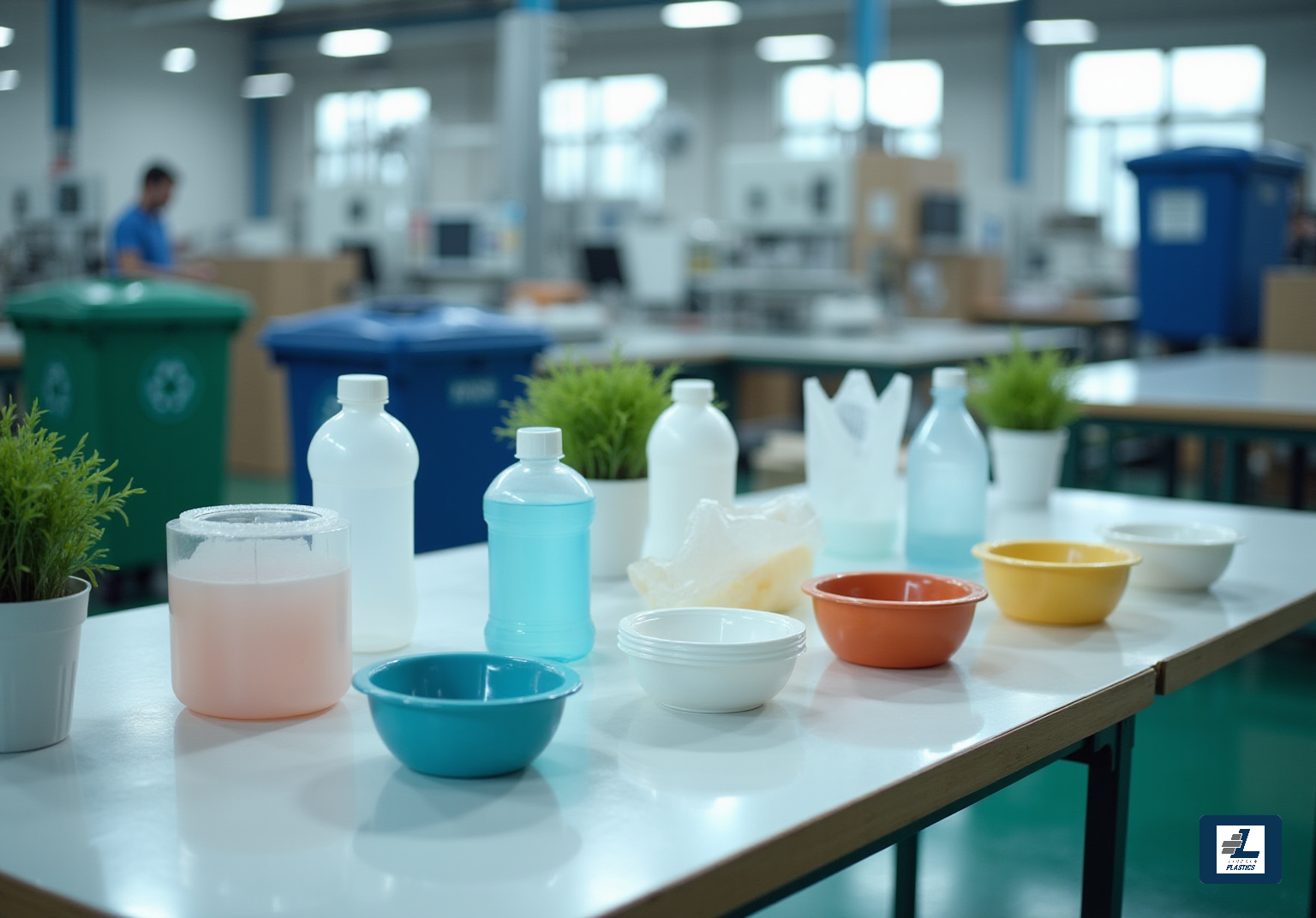
9 FDA Compliant Plastics for Safe Food Packaging Solutions
Introduction
Have you noticed how much attention food safety is getting these days? It’s a big deal, and that’s why FDA compliant plastics are becoming essential in the packaging world. With consumers increasingly asking for transparency and sustainability, manufacturers have a fantastic chance to dive into innovative materials. These materials not only meet the necessary regulations but also boost product integrity.
But here’s the kicker: with so many options out there, how can businesses make sense of compliance while ensuring their packaging is effective and eco-friendly? It’s a challenge, right? Let’s explore how to tackle this together!
Lincoln Plastics: Custom FDA Compliant Extrusion Solutions
At Lincoln Plastics, we know how important it is to find that solution that incorporates and meets your specific needs. With over 15 years in the industry, we understand the challenges that come with ensuring safety.
Imagine needing tailored solutions just for you—well, we’ve got you covered! Our diverse product offerings mean you can access exactly what you need, making your life a little easier. This not only boosts product security but also helps us stand out as a leader.
As the demand for FDA compliant plastics continues to increase, we’re here to help. You might be wondering how we do it—by staying adaptable and maintaining quality. So, why not reach out and see how we can help you today?
High-Density Polyethylene (HDPE): Versatile and Durable Food Packaging
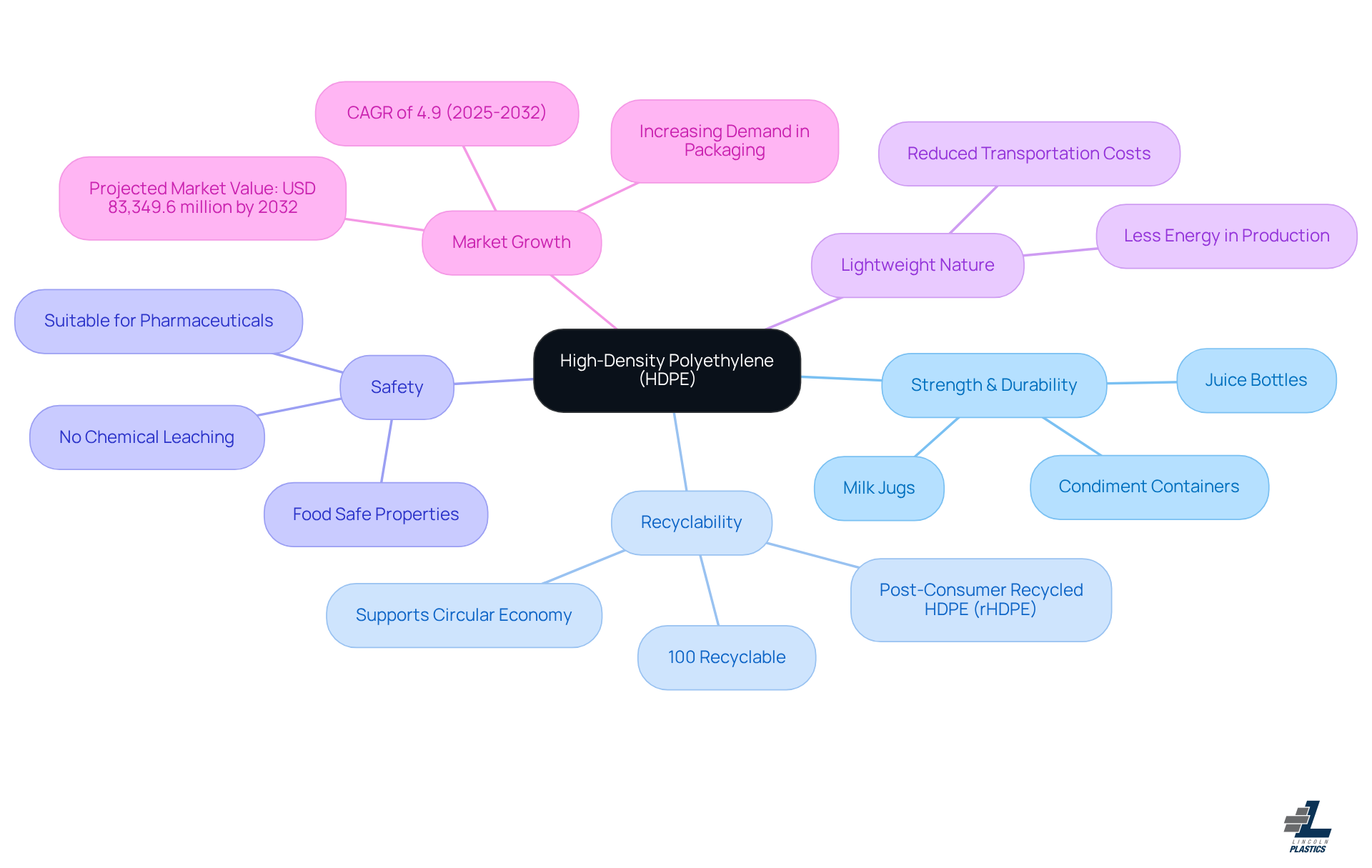
High-Density Polyethylene (HDPE) really shines in the packaging world, thanks to its strength. You know how important it is for materials to resist impacts and handle different temperatures, right? That’s what keeps our products safe! You’ll find HDPE in everyday items like bottles—its tough properties help keep everything intact.
But wait, there’s more! HDPE is also super recyclable, with container recycling rates hitting impressive levels. This supports those sustainability efforts we all care about. Plus, experts in food packaging highlight that HDPE is safe for food contact. So, you can rest assured that what you’re consuming is safe and uncontaminated.
And let’s not forget about the cost-effectiveness—it helps reduce packaging expenses, making it a smart choice for manufacturers. Did you know that making HDPE bottles uses less energy than producing glass or metal alternatives? That’s another win for the economy!
HDPE’s properties show just how versatile it is. It can adapt to different shapes and sizes, meeting the unique needs of various products. As we all look for more eco-friendly materials, HDPE’s role is crucial in promoting a circular economy.
Looking ahead, the HDPE market is expected to grow at a compound annual growth rate (CAGR) of 4.9% from 2025 to 2032. That’s pretty exciting, right? It just goes to show how important HDPE is becoming in the food packaging industry!
Low-Density Polyethylene (LDPE): Flexible Options for Food Storage
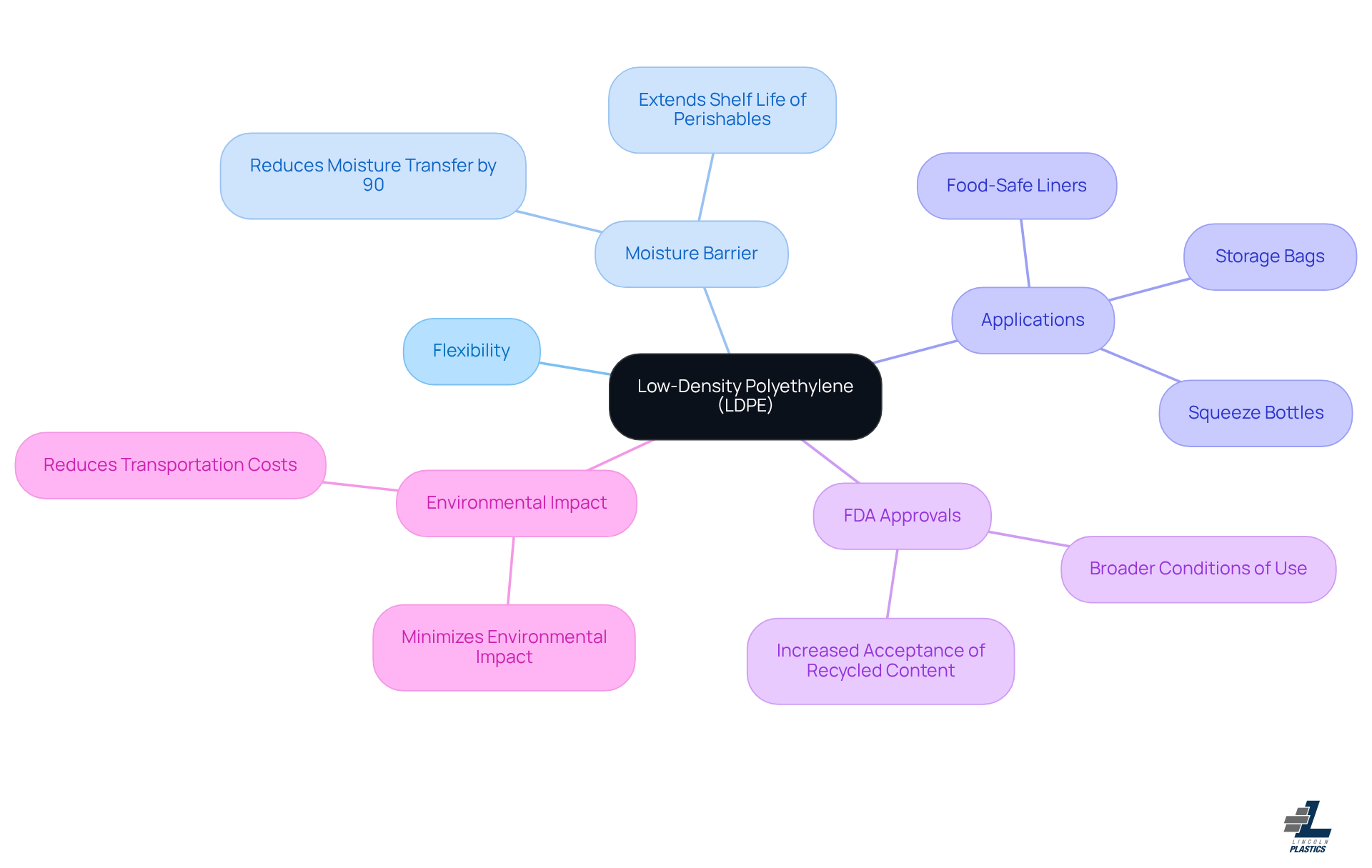
Low-Density Polyethylene (LDPE) is pretty amazing, right? Its flexibility and durability make it just perfect for storage bags and wraps. Plus, it offers a barrier that's crucial for keeping things fresh. Did you know that studies show LDPE can cut down moisture transfer by as much as 90%? That’s a game-changer for extending the shelf life of perishable goods!
You might have noticed LDPE in squeeze bottles and food-safe liners. It’s all about convenience and safety for us consumers. And here’s some exciting news: recent advancements have led to more applications, which means we can use more innovative solutions. Think hot-fill pouches and bags for frozen items—how cool is that?
Industry leaders are really emphasizing LDPE's benefits. Not only does it help reduce waste, but it also cuts down on fuel consumption. This is definitely something that we can appreciate! With its blend of functionality, sustainability, and regulatory support, LDPE is really stepping up as a material of choice that utilize eco-friendly practices. So, next time you reach for that storage bag, remember the impact it has!
Polypropylene (PP): Ideal for Hot Food Applications
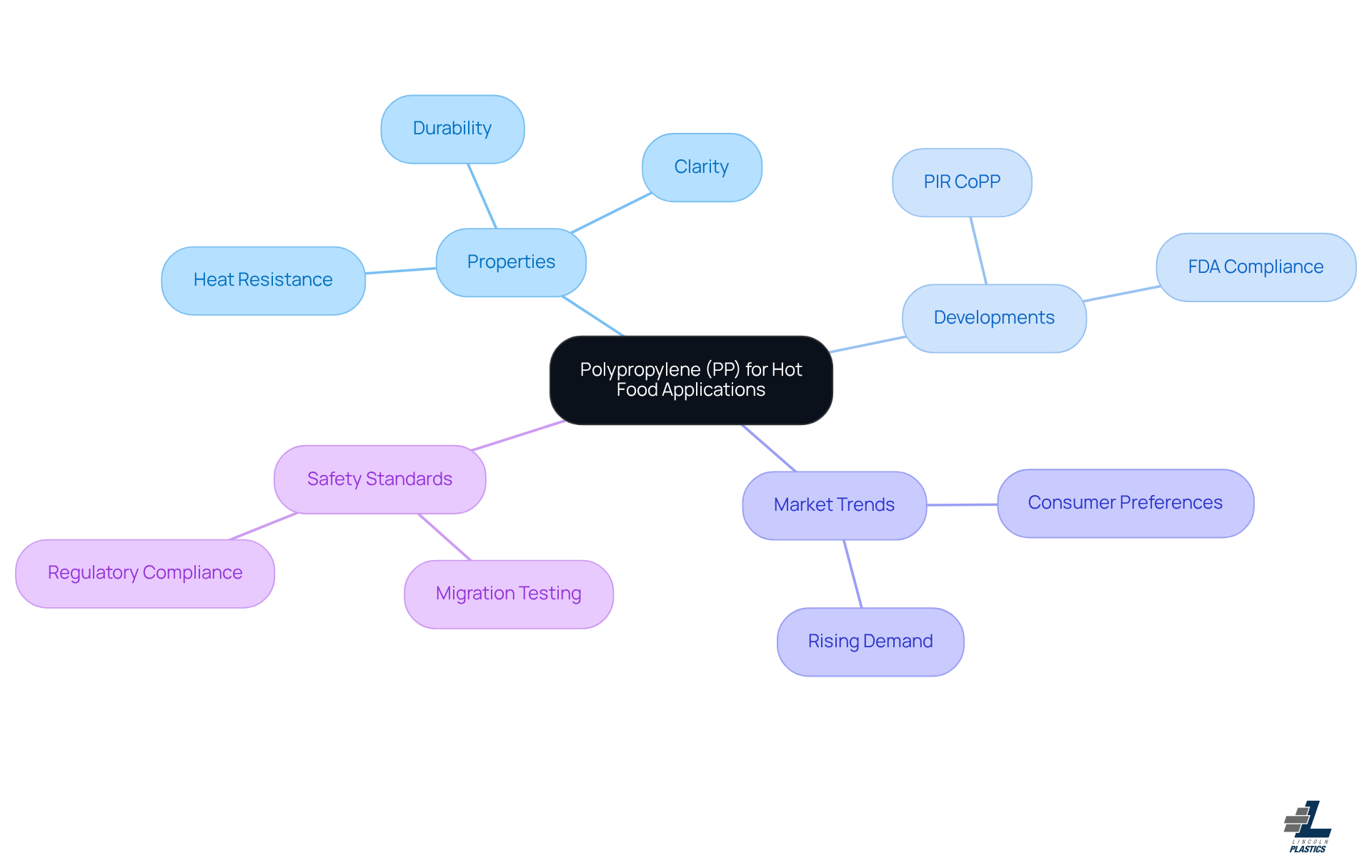
Polypropylene is a fantastic choice for wrapping hot items. Why? Well, it boasts impressive heat resistance and a melting point that usually falls between 160°C to 170°C. This makes it ideal for things like takeout containers, microwaveable packaging, and meal trays. Plus, its clarity not only enhances product visibility but also helps with branding, making sure items look great while staying safe during heating.
Now, let’s talk about some exciting developments in polypropylene containers, especially for microwave use. For example, the new PIR CoPP has shown promising results, positioning itself as a safe alternative to traditional virgin polypropylene. This material is made from recycled plastics that have even received FDA approval for food-contact applications, meaning it can be used in containers designed for repeated heating without losing quality. However, it’s worth noting that there are still concerns about safety after several reuses, something manufacturers should definitely keep in mind.
Looking at market trends, there’s a rising demand for eco-friendly packaging, with projections showing significant growth by 2025. Did you know that nearly 70% of consumers are willing to pay more for eco-friendly options? This is pushing producers to create solutions like polypropylene that offer both functionality and sustainability. As the industry shifts towards recyclable and PVC-free choices, polypropylene’s versatility and durability make it a top contender for food packaging.
Experts in food safety emphasize the importance of using materials that meet strict regulations. Polypropylene is known for its reliability, and it can withstand high temperatures without losing its structural integrity. This makes it a go-to option for manufacturers aiming to provide safe products to consumers. Additionally, migration testing is crucial for ensuring safety and preventing harmful chemical exposure, helping to meet regulations around consumables.
Polyethylene Terephthalate (PET): Clear and Strong Food Containers
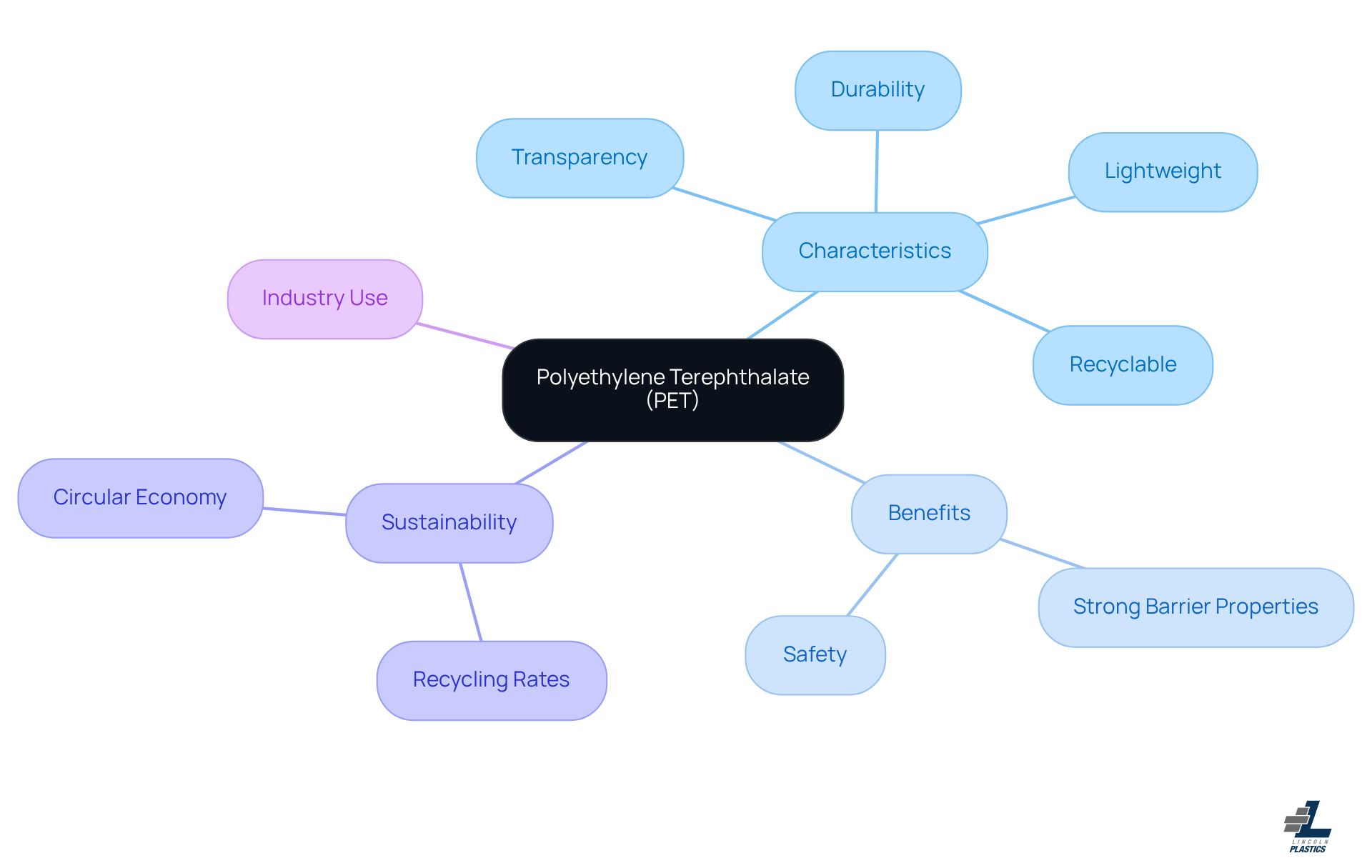
Polyethylene Terephthalate (PET) is quite the star in the food packaging industry. Its amazing transparency and durability make it a go-to choice for bottled drinks and ready-to-eat meals. Plus, it’s lightweight and strong, which just adds to its appeal. You might be wondering about its benefits—well, they’re pretty strong, keeping moisture and gases at bay, ensuring safety and extending shelf life.
Now, let’s talk about versatility. Industry leaders are all about how PET not only boosts efficiency but also supports sustainability. It can be recycled into new containers, which really helps reduce waste. And guess what? Innovations in culinary containers are on the rise! This material is getting recognized more and more for its role in fostering a circular economy. So, as we look for safer and more sustainable options, we find that materials such as PET are definitely key players in the game.
Polycarbonate (PC): Durable and Reusable Food Containers
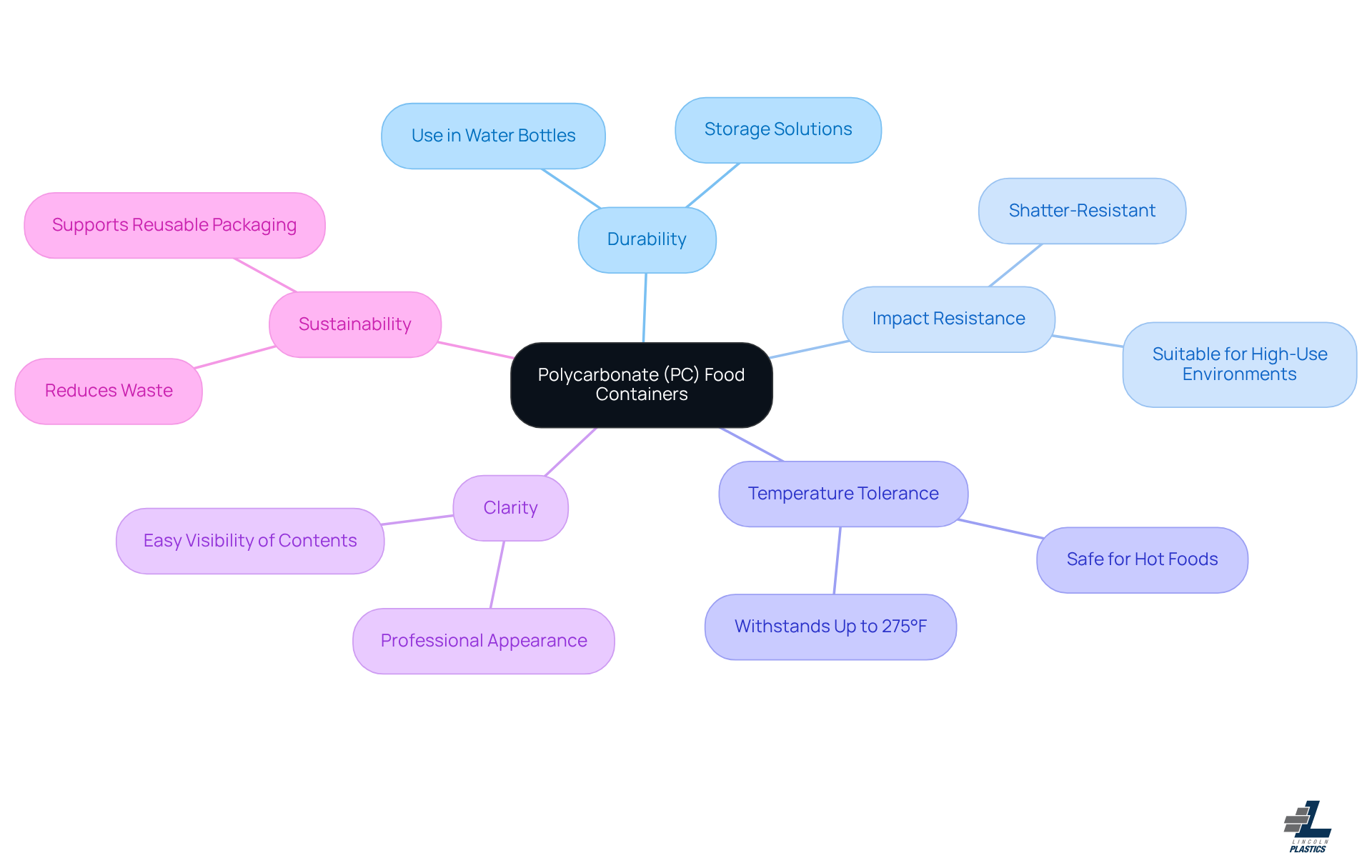
Polycarbonate (PC) really stands out because of its durability and versatility. This makes it a fantastic choice for food packaging! You’ve probably seen it in action in various food service applications. It’s a reliable and safe option for anyone looking for high-quality containers. Plus, it can handle temperatures—up to 275 degrees Fahrenheit—so it’s perfect for a variety of storage needs without losing its integrity. And let’s not forget about its ability to protect what’s inside while keeping a professional appearance in service environments.
Now, as we’re all becoming more aware of sustainability, the demand for eco-friendly materials is on the rise. Experts in the field point out that polycarbonate’s toughness not only extends the life of containers but also reduces waste. Doesn’t that align perfectly with what consumers want these days? Many of us are prioritizing containers that are both functional and eco-friendly. With all these great features, polycarbonate stands out as a top choice in the changing world of packaging that utilizes safe materials, where safety and sustainability are key.
Polystyrene (PS): Lightweight and Disposable Food Service Solutions
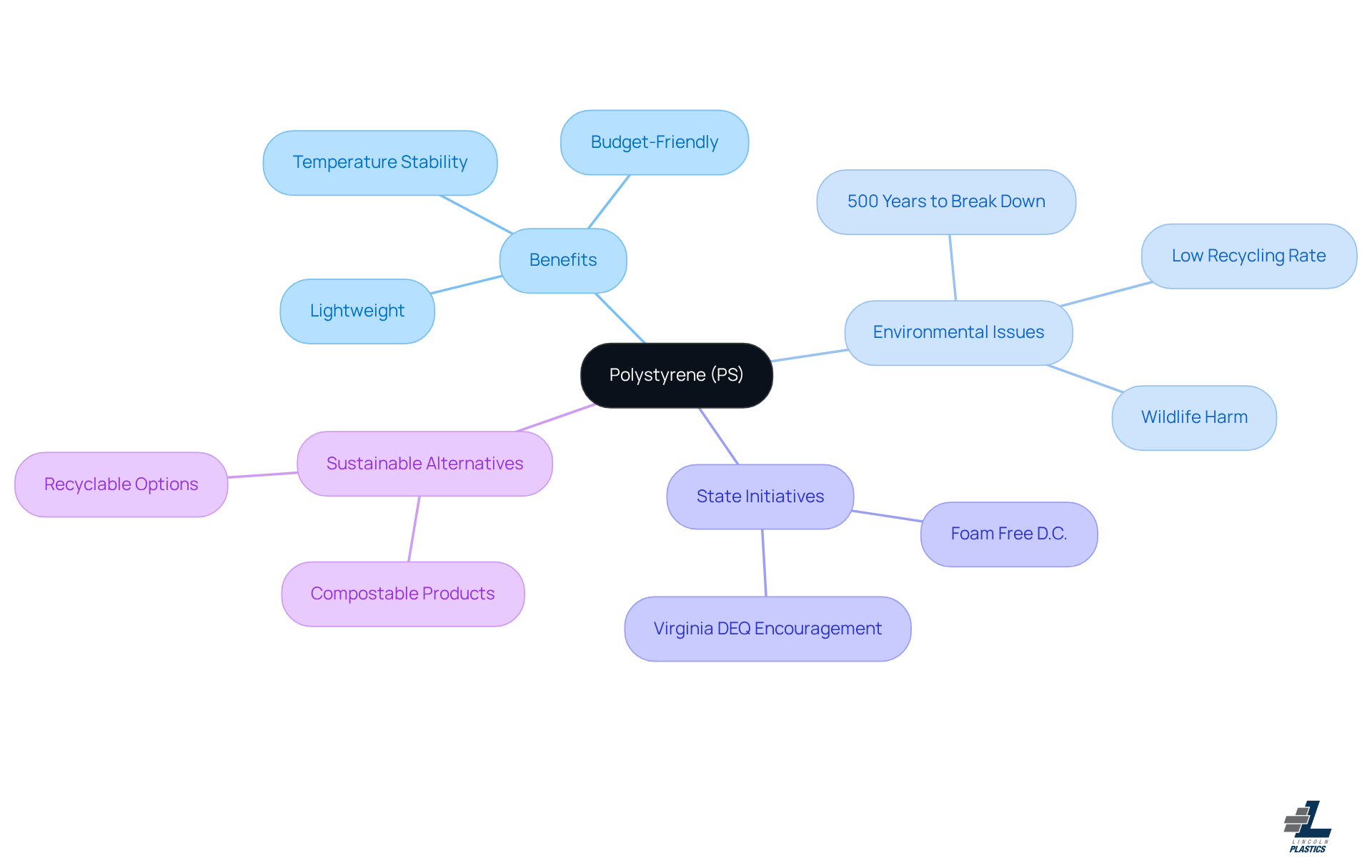
Polystyrene (PS) is a lightweight and budget-friendly material that we often see in disposable items like cups, plates, and takeout containers. It’s great at keeping temperatures stable, which is why it works well for both hot and cold foods. But let’s not ignore the drawbacks that come with PS. Did you know that plastics can take over 500 years to break down? Plus, it’s not commonly recycled, which means it adds a lot to landfill waste and can harm wildlife that might accidentally ingest it.
As worries about pollution grow, many states are stepping up to tackle waste issues, including PS. For example, the ban has made a real impact, cutting polystyrene waste in local trash from 15% to just 7% in just one year! That’s pretty impressive, right? And in Virginia, the initiative is encouraging businesses to switch to more sustainable options, like compostable and recyclable products, to lessen the impact of PS.
While PS is convenient and functional, it’s super important for businesses to think about these environmental concerns and alternatives. After all, addressing environmental challenges is something we can all be a part of. So, what do you think? Are you ready to explore some greener alternatives?
Understanding FDA Compliance: Ensuring Safety in Food Packaging
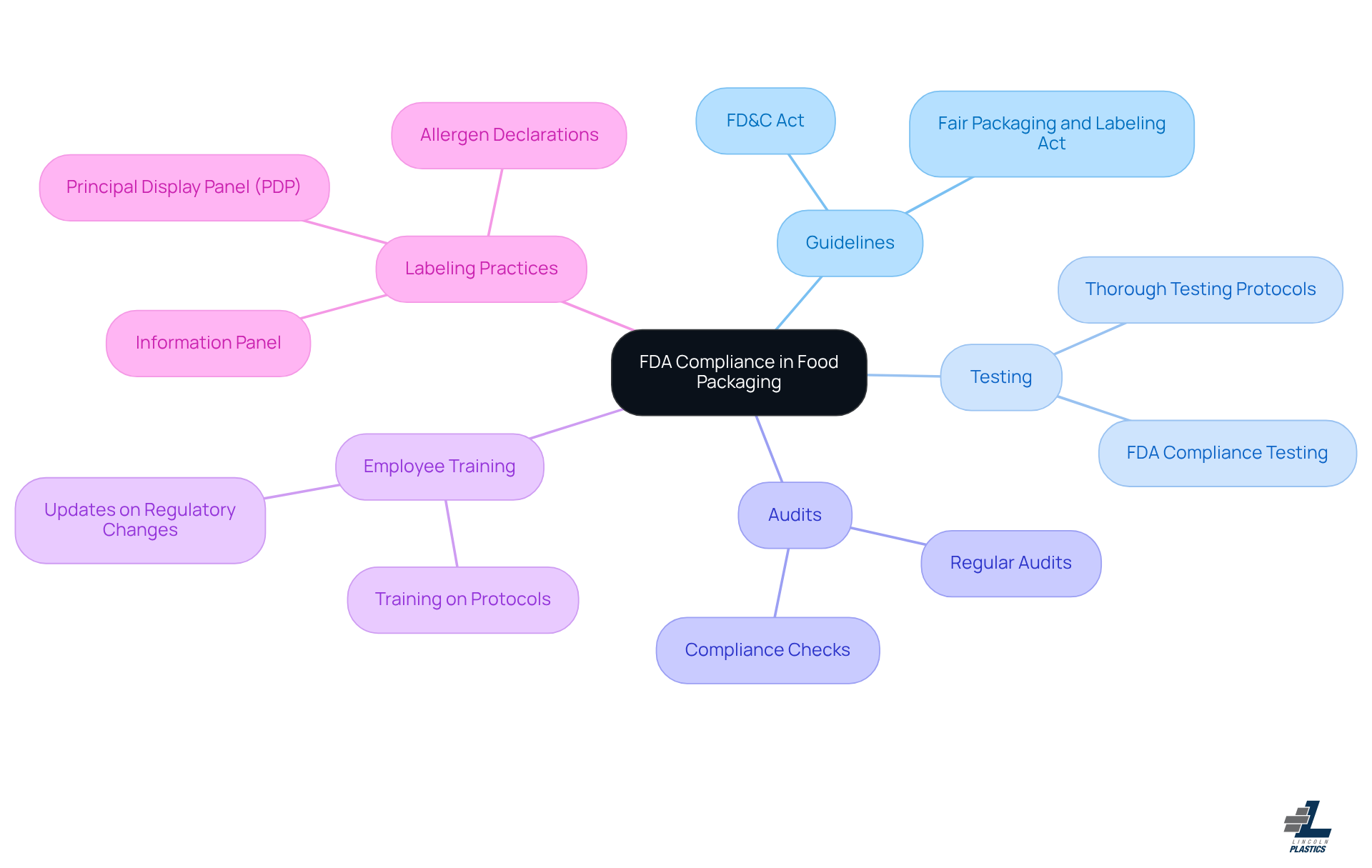
Understanding FDA compliance is super important for ensuring that packaging materials, particularly plastics, remain safe. The FDA regulates food additives and other substances that come into contact with food under the FD&C Act and the Fair Packaging and Labeling Act. This helps prevent contamination and ensures safety. Manufacturers really need to stick to strict guidelines and perform thorough testing to ensure their products are made from materials that meet these standards. Not only does this compliance protect consumers, but it also boosts brand reputation in a competitive market.
As the food industry continues to be a dynamic environment, knowing and applying FDA guidelines regarding packaging is crucial for producers who want to build trust and maintain the integrity of their products. So, how can companies ensure they’re compliant? Regular audits and staying updated on the latest regulatory changes are effective strategies.
Looking ahead to 2025, new regulations are expected. This includes specific requirements for the Principal Display Panel (PDP) and the information panel, as well as allergen declarations—especially now that sesame has been added as a major allergen. The FDA is committed to ensuring that labeling is honest and not misleading, which really emphasizes the importance of adherence in maintaining consumer trust.
By focusing on these aspects, companies can navigate the complexities of FDA compliance more easily and improve their operational efficiency. So, what are you waiting for? Let’s make sure we’re all on the same page when it comes to FDA compliance!
The Importance of FDA Approved Materials in the Food Industry
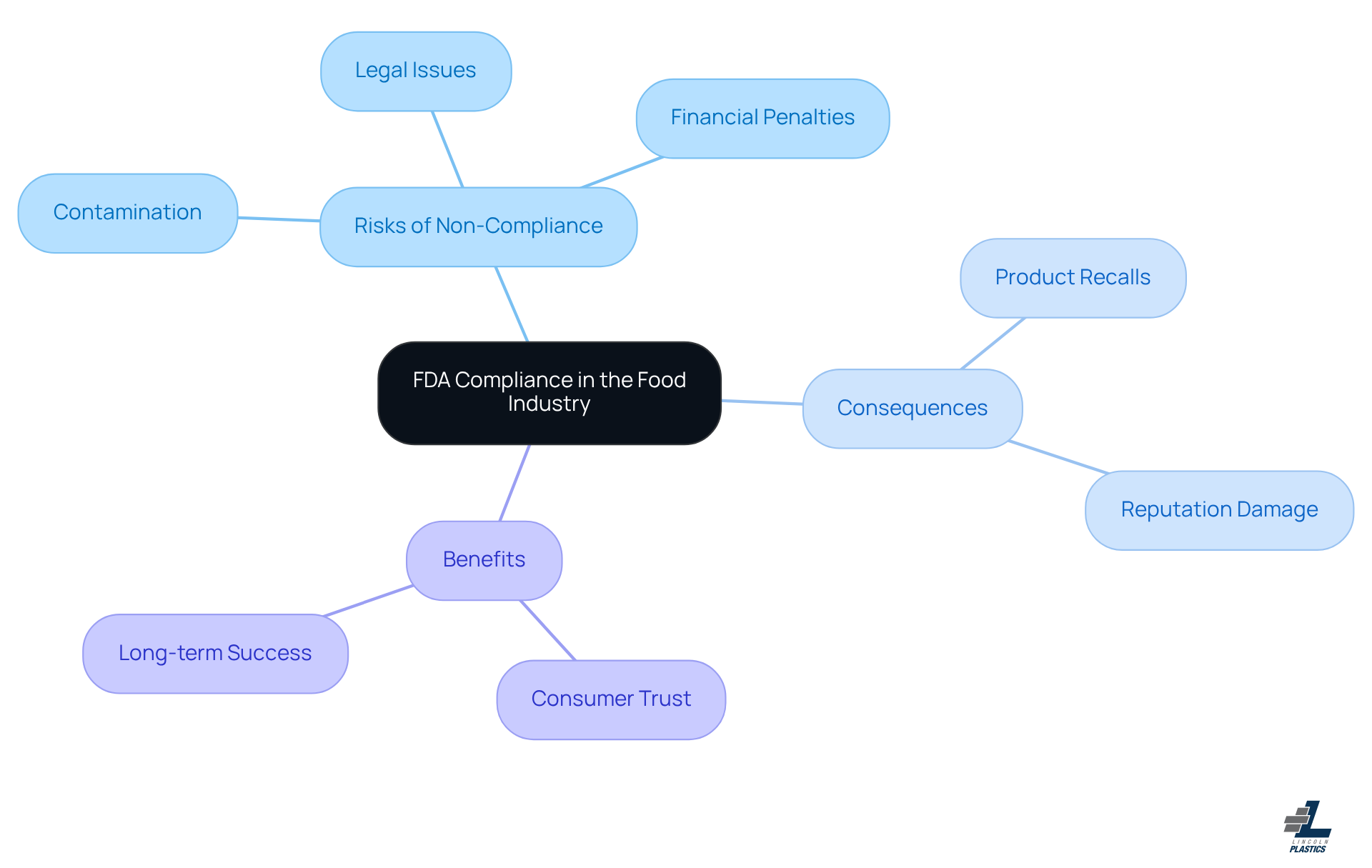
In the culinary world, using FDA approved materials is crucial for maintaining consumer trust and ensuring product safety. When companies use non-compliant materials, they open themselves up to risks, like contamination and health issues. This can lead to hefty legal troubles. Just think about it: recent cases of non-compliance really highlight why sticking to FDA regulations is crucial. Companies are under more scrutiny than ever, facing increased penalties.
Did you know that companies not following FDA standards could face significant penalties? For example, the FDA has set action levels for lead in processed foods for infants and young children, which can hit up to 20 ppb for certain products. And that’s not all—companies might also have to deal with product recalls. These recalls can hurt their reputation and hit their wallets hard.
Industry leaders are clear: keeping up with FDA compliance is key to success. One leader put it this way: 'Trust is the cornerstone of our relationship with consumers, and compliance is non-negotiable.' Another noted, 'In today's regulatory landscape, the stakes are higher than ever, and the consequences of non-compliance can be severe.' So, by adhering to regulations, companies aren’t just protecting their customers—they’re also positioning themselves for long-term success in a competitive market.
Now, isn’t that something worth considering?
Future Trends in FDA Compliant Plastics: Sustainability and Innovation
The future of food packaging is centered on sustainability and innovation in materials. As more consumers become aware of environmental issues, manufacturers are on the lookout for solutions that meet FDA standards. Exciting advancements in material science have led to new options but also improved performance.
For example, plant-based bioplastics like polylactic acid (PLA), which comes from corn starch, are making waves in compostability. This aligns perfectly with the rising demand for eco-friendly packaging. Did you know that a 2023 survey found that 50% of U.S. consumers are willing to pay more for products made with eco-friendly materials? This really shows how the market is shifting towards greener options.
Industry leaders are excited about the potential of recycled materials. This is a game changer for food packaging, bringing the industry closer to circularity. As Juliana Montoya puts it, "This new regulatory landscape offers a clear message: the infrastructure, technology, and approval pathways for food-safe PCR are in place."
Plus, 75% of U.S. consumers now expect brands to use more recycled materials in their containers. This highlights the increasing demand for sustainable practices. So, as companies adapt to these trends, staying ahead of innovations in packaging will be key to thriving in the competitive food packaging landscape. What do you think about this shift towards sustainability?

Conclusion
You know, the importance of FDA compliant plastics in food packaging is huge. They really help ensure consumer safety and build trust in the food industry. With all the buzz around food safety these days, manufacturers need to focus on using materials that meet FDA standards. It’s all about protecting customers and boosting brand reputation.
Throughout this article, we’ve looked at different FDA compliant plastics, each with its own unique properties and uses. For instance:
- High-Density Polyethylene (HDPE) and Low-Density Polyethylene (LDPE) are known for their durability and flexibility.
- Polypropylene (PP), which shines in hot food applications.
- Polyethylene Terephthalate (PET) and Polycarbonate (PC), which stand out for their transparency and reusability, respectively.
We also touched on the environmental concerns surrounding materials like Polystyrene (PS) and the urgent need for sustainable options in food packaging.
As we move forward, embracing innovation and sustainability in FDA compliant plastics is going to be crucial for meeting consumer demands and following regulations. Companies should stay updated on changing guidelines and invest in eco-friendly materials that not only meet safety standards but also help create a healthier planet. By focusing on FDA compliance and sustainability, businesses can secure their place in the competitive food packaging world while promoting a safer, more responsible industry for everyone.
Frequently Asked Questions
What services does Lincoln Plastics provide?
Lincoln Plastics offers custom extrusion solutions that incorporate FDA compliant plastics tailored to meet specific customer needs, particularly in the culinary container sector.
How long has Lincoln Plastics been in the industry?
Lincoln Plastics has over 15 years of experience in the industry.
Why is FDA compliance important for extrusion solutions?
FDA compliance is crucial because it ensures that the materials used in food contact applications are safe and meet regulatory standards for food safety.
What types of products does Lincoln Plastics offer?
Lincoln Plastics provides a diverse range of products, including flexible and rigid containers designed for specific customer requirements.
What is High-Density Polyethylene (HDPE) and why is it used in food packaging?
HDPE is a strong and durable plastic commonly used in food packaging, such as milk jugs and juice bottles. Its properties help resist impacts and handle various temperatures, ensuring product safety.
Is HDPE recyclable, and why is that important?
Yes, HDPE is highly recyclable, which supports sustainability efforts and promotes a circular economy. Its recycling rates are impressive, contributing to reduced environmental impact.
Does HDPE leach harmful substances into food?
No, HDPE does not leach harmful substances into food, making it a safe choice for food packaging.
What are the benefits of Low-Density Polyethylene (LDPE)?
LDPE is flexible and provides a moisture barrier that can reduce moisture transfer by up to 90%, helping to extend the shelf life of perishable goods. It is commonly used in storage bags and wraps.
How does LDPE contribute to sustainability?
LDPE's lightweight nature reduces transportation costs and fuel consumption. Recent advancements have also led to more FDA approvals for using recycled content in LDPE containers.
What is the expected market growth for HDPE from 2025 to 2032?
The HDPE market is expected to grow at a compound annual growth rate (CAGR) of 4.9% during that period.
List of Sources
- Lincoln Plastics: Custom FDA Compliant Extrusion Solutions
- plasticsrecycling.org (https://plasticsrecycling.org/resources/ep-48-fda-insights-on-recycled-plastics-for-food-packaging-w-fda-regulatory-review-scientist-sean-fischer)
- knoxnews.com (https://knoxnews.com/press-release/story/120517/smx-to-deploy-fda-compliant-molecular-marking-in-food-grade-plastics-nasdaq-smx)
- newsfilecorp.com (https://newsfilecorp.com/release/261803/Custom-Packaging-Pro-Announces-Major-2025-Product-Line-Expansion-and-Sustainability-Initiative)
- fox59.com (https://fox59.com/business/press-releases/accesswire/1081287/smx-to-deploy-fda-compliant-molecular-marking-in-food-grade-plastics-nasdaq-smx)
- plasticsengineering.org (https://plasticsengineering.org/2025/06/fda-accepts-recycled-ldpe-for-food-002485)
- High-Density Polyethylene (HDPE): Versatile and Durable Food Packaging
- spiltag.com (https://spiltag.com/2024/03/25/ultimate-guide-hdpe-packaging)
- enkipack.com (https://enkipack.com/blogs/top-5-benefits-of-using-hdpe-plastic-bottles)
- packagingdigest.com (https://packagingdigest.com/food-packaging/new-hdpe-resin-offers-better-moisture-barrier-for-packaging-films)
- High Density Polyethylene (HDPE) Market Size & Trends, 2033 (https://coherentmarketinsights.com/industry-reports/high-density-polyethylene-hdpe-market)
- news.market.us (https://news.market.us/recycled-hdpe-market-news)
- Low-Density Polyethylene (LDPE): Flexible Options for Food Storage
- openpr.com (https://openpr.com/news/4181458/low-density-polyethylene-packaging-market-set-to-expand)
- plasticsengineering.org (https://plasticsengineering.org/2025/06/fda-accepts-recycled-ldpe-for-food-002485)
- goodfilmpacking.com (https://goodfilmpacking.com/news/importance-of-ldpe-bags-for-food-packaging)
- packagingeurope.com (https://packagingeurope.com/news/worlds-first-fossil-free-ldpe-plant-announced-by-vioneo-and-eci-group/13314.article)
- Polypropylene (PP): Ideal for Hot Food Applications
- spnews.com (https://spnews.com/world-first-food-safe)
- interplasinsights.com (https://interplasinsights.com/plastics-materials/latest-plastics-packaging-materials-news/can-post-industrial-recycled-polypropylene-be-used-in-reusab)
- profol.com (https://profol.com/07/08/2025/polypropylene-packaging-advantages)
- Is Polypropylene Eco-Friendly? Stats & Trends (https://greenmatch.co.uk/polypropylene-environmental-impact)
- teinnovations.com (https://teinnovations.com/food-packaging-trends-to-watch-in-2025)
- Polyethylene Terephthalate (PET): Clear and Strong Food Containers
- packagingdigest.com (https://packagingdigest.com/food-packaging/new-packaging-design-cuts-plastic-use-by-half)
- perstorp.com (https://perstorp.com/en/news_center/news/2025/may/recycled_pet_in_heat_resistant_food_packaging)
- ift.org (https://ift.org/news-and-publications/food-technology-magazine/issues/2025/february/columns/packaging-top-7-food-packaging-innovations)
- corporate.dow.com (https://corporate.dow.com/en-us/news/press-releases/dow-zernatt-natures-variety-launch-pet-food-pouch.html)
- finance.yahoo.com (https://finance.yahoo.com/news/recycled-pet-rpet-market-2025-140000444.html)
- Polycarbonate (PC): Durable and Reusable Food Containers
- codefine.com (https://codefine.com/blog/products-and-materials/polycarbonate-vs-polypropylene-which-is-better-for-food-storage)
- packagingdigest.com (https://packagingdigest.com/careers-education-training/words-of-wisdom-from-your-packaging-peers-gallery)
- isellpackaging.com (https://isellpackaging.com/inspirational-product-packaging-quotes-from-industry-experts)
- factsaboutbpa.org (https://factsaboutbpa.org/benefits-applications/packaging-storage)
- polychemer.com (https://polychemer.com/news/is-pc-plastic-safe-to-drink-from-84053902.html)
- Polystyrene (PS): Lightweight and Disposable Food Service Solutions
- statecapitallobbyist.com (https://statecapitallobbyist.com/manufacturing/polystyrene-ban-legislation-2025-state-efforts-face-mixed-results-across-the-u-s)
- foodpackagingforum.org (https://foodpackagingforum.org/news/2025-regulatory-and-waste-management-updates-from-us-states)
- richmonder.org (https://richmonder.org/polystyrene-ban-begins-tuesday-but-small-businesses-are-exempt-for-another-year)
- Understanding FDA Compliance: Ensuring Safety in Food Packaging
- fda.gov (https://fda.gov/news-events/press-announcements/fda-revoke-52-obsolete-standards-identity-food-products)
- foodsafetynews.com (https://foodsafetynews.com/2025/08/fda-wants-to-delay-key-rule-that-would-help-investigators-during-foodborne-outbreaks)
- foodready.ai (https://foodready.ai/blog/fda)
- food-safety.com (https://food-safety.com/articles/10471-fda-issues-updates-to-food-labeling-requirements-compliance-program)
- fda.gov (https://fda.gov/food/hfp-constituent-updates/fda-proposes-extend-compliance-date-food-traceability-rule-and-issues-new-faqs-and-other-resources)
- The Importance of FDA Approved Materials in the Food Industry
- fda.gov (https://fda.gov/news-events/press-announcements/fda-revoke-52-obsolete-standards-identity-food-products)
- fda.gov (https://fda.gov/food/hfp-constituent-updates/fda-releases-2025-human-foods-program-guidance-agenda)
- hklaw.com (https://hklaw.com/en/insights/publications/2025/05/fda-initiates-new-post-market-review-framework-for-food-chemicals)
- sidley.com (https://sidley.com/en/insights/newsupdates/2025/01/2025-food-and-supplements-outlook)
- Future Trends in FDA Compliant Plastics: Sustainability and Innovation
- plasticsengineering.org (https://plasticsengineering.org/2025/06/fda-accepts-recycled-ldpe-for-food-002485)
- morningstar.com (https://morningstar.com/news/accesswire/1081287msn/smx-to-deploy-fda-compliant-molecular-marking-in-food-grade-plastics-nasdaq-smx)
- meyers.com (https://meyers.com/meyers-blog/latest-biodegradable-packaging-industry-trends)
- callipm.com (https://callipm.com/blog/cutting-edge-innovations-shaping-food-packaging-in-2025)
- plasticsindustry.org (https://plasticsindustry.org/articles/recycled-plastics-future-food-packaging-regulations)
Related posts

Discover essential steps for selecting reliable custom plastic tubing solutions for various industries.


Discover best practices for procuring clear plastic flexible tubing to enhance performance and reliability.
Discover key insights and features of top flexible PVC manufacturers for your business needs.
