
6 Best Practices for Using Clear PVC Pipe Effectively
Introduction
Have you ever found yourself in need of a reliable solution for your aquaculture or hydroponics projects? Clear PVC pipe has become a go-to option for many, and it’s easy to see why. Its impressive transparency and chemical resistance make it incredibly versatile. By diving into its properties and best practices, you can really tap into what this material has to offer, helping you manage flow and monitor your systems effectively.
But wait—what are the key steps to using clear PVC pipe effectively while steering clear of common mistakes? In this article, we’ll explore essential practices that not only boost performance but also ensure longevity and reliability. So, let’s embark on this journey together and uncover the ins and outs of using clear PVC pipe with confidence!
Understand the Properties and Applications of Clear PVC Pipe
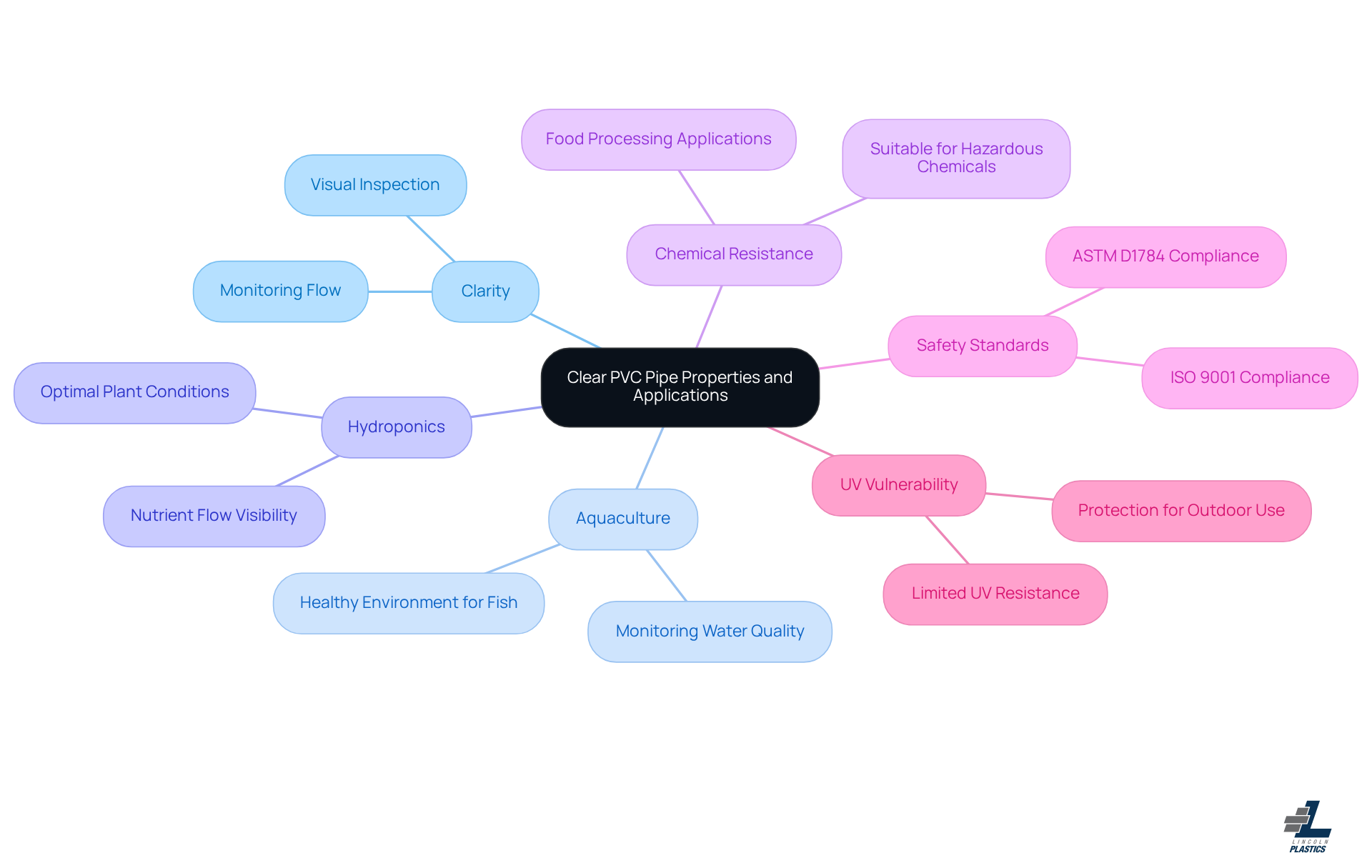
Have you ever wondered how using clear PVC pipe can make a difference in your projects? It’s known for its amazing clarity, particularly with fluids, which means you can easily see what’s going on inside. This is super important in areas like plumbing.
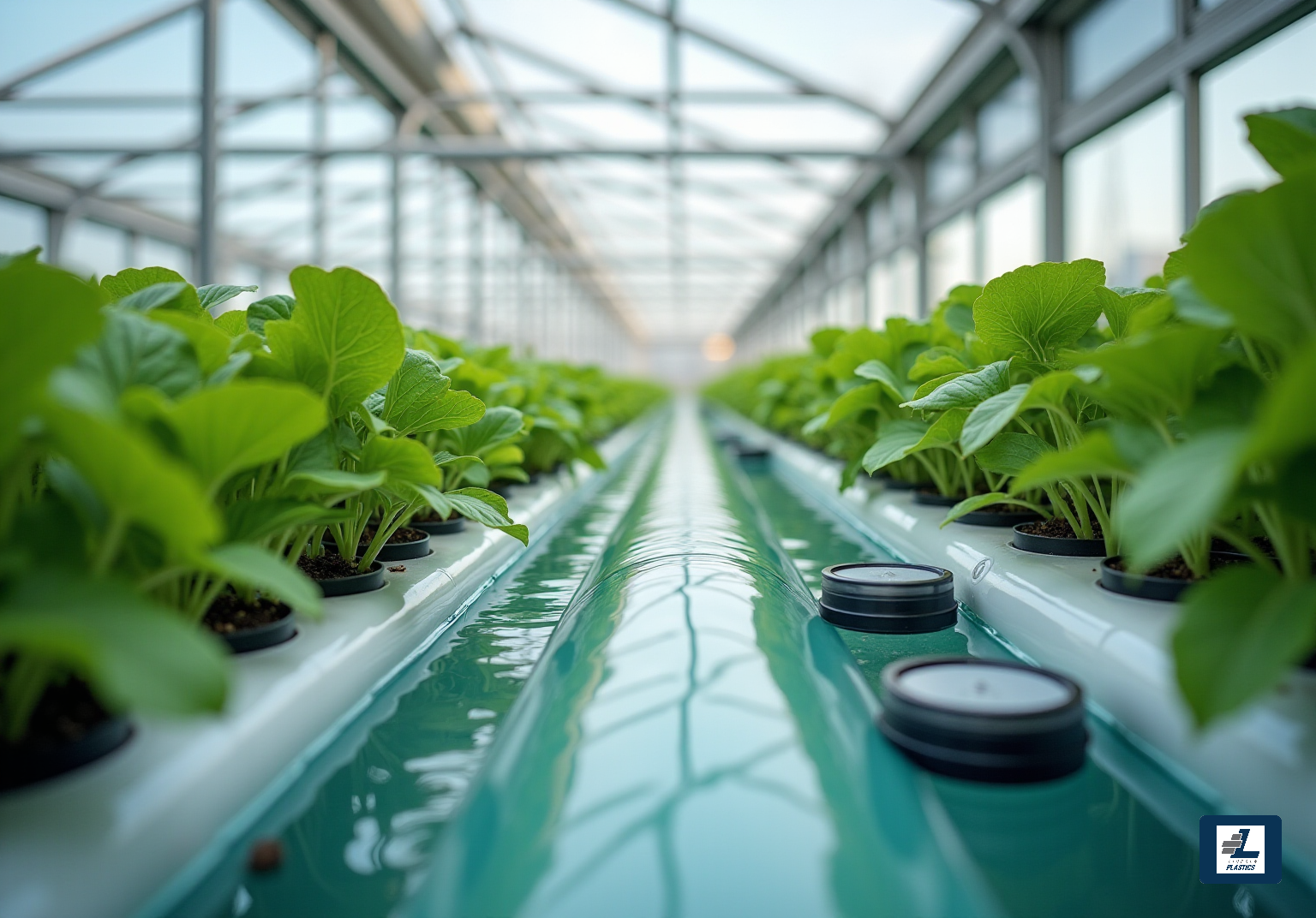
In aquaculture, these pipes help monitor water quality and movement, ensuring a healthy environment for fish and other aquatic life. Similarly, in hydroponics, the use of clear PVC pipe allows you to see nutrient flow, which is key to maintaining the best conditions for your plants.
One of the great things about clear PVC pipe is its versatility. It can handle a wide variety of fluids, making it perfect for various applications. Plus, it’s lightweight, which means it’s easy to handle and install, saving you both time and labor costs.
And let’s not forget about safety! The material meets various standards like NSF and ASTM D1784, so you know you’re getting quality. The smooth inner surface also ensures that flow remains unobstructed without sediment buildup, which is essential for efficiency.
However, a quick heads-up: these tubes can be vulnerable to UV damage if they’re exposed to direct sunlight. So, if you’re thinking about outdoor applications, make sure to protect them!
By considering these factors, you can confidently choose clear PVC pipe for your visibility and durability needs. It’s all about ensuring reliable performance and making maintenance a breeze in your specific applications.
Select Appropriate Diameter and Length for Optimal Performance
Choosing the right diameter and length of pipe is super important for boosting performance in applications like hydroponics. Let’s dive into some key points to consider:
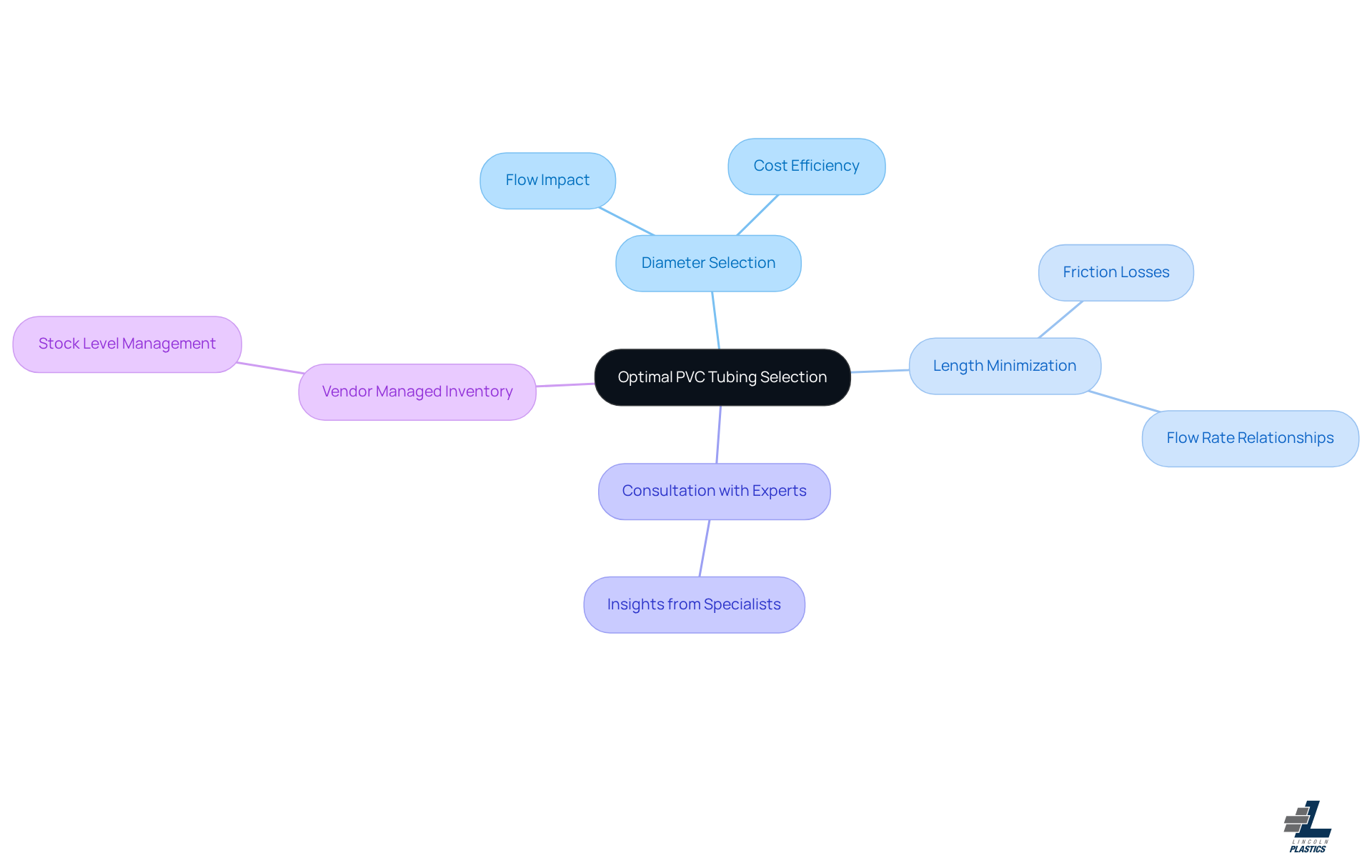
- Diameter Consideration: If your pipe is too narrow, it can really cramp the flow, making it tough for plants to get the nutrients they need. On the flip side, a pipe that’s too big can lead to inefficiencies and extra costs. Keeping the diameter just right means that water and nutrients flow smoothly, which is great for plant growth and yield.
- Length Minimization: Shortening the length of the pipe is crucial for cutting down on friction losses, which can hurt your system's performance. Here’s a fun fact: the flow rate is directly proportional. So, as you widen the diameter, the flow rate goes up too, allowing for better nutrient distribution.
- Professional Consultation: Thinking about talking to a professional? They can offer valuable insights into the installation process, helping ensure your system runs at its best.
- Inventory Management: Have you heard of VMI? It’s a great way to manage your inventory, keeping the right stock levels on hand to meet your needs without overdoing it.
By grasping the ins and outs of flow and pressure, you can make savvy choices that really amp up the effectiveness of your system.
Implement Effective Installation Techniques and Safety Protocols
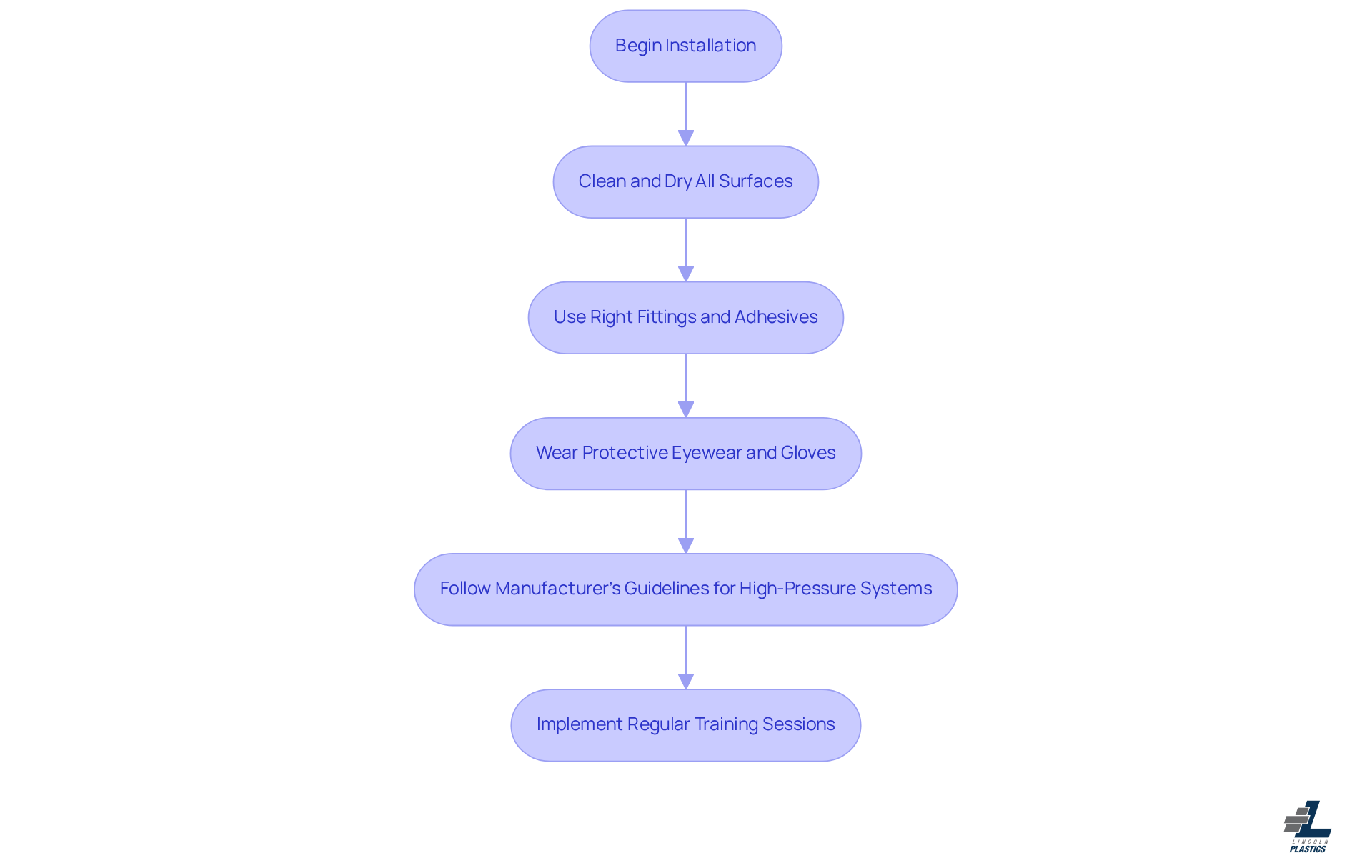
Installing transparent PVC pipe can feel a bit tricky, right? But don’t worry, we’ve got some tips to help you out! First off, make sure you’re using the right fittings and adhesives made just for PVC. Before you dive in, it’s super important to clean and dry all surfaces. This little step helps create a bond that’ll last.
Now, let’s talk safety. Wearing safety glasses and gloves is a must during installation. It’s all about minimizing those pesky risks of injury. If you’re working with pressurized systems, definitely stick to the manufacturer’s guidelines. This way, you can avoid leaks or any failures down the line.
Regular training sessions on installation techniques? Yes, please! Not only do they boost safety, but they also make the whole process more efficient. You might be surprised to learn that municipalities investing in training programs have seen some serious benefits from these practices. It’s all about building safer and more reliable infrastructure.
Industry pros really stress that sticking to these best practices can save you from costly mistakes. So, why not take a proactive approach to your installation? It’s all about working smarter, not harder!
Establish Maintenance Practices for Longevity and Reliability
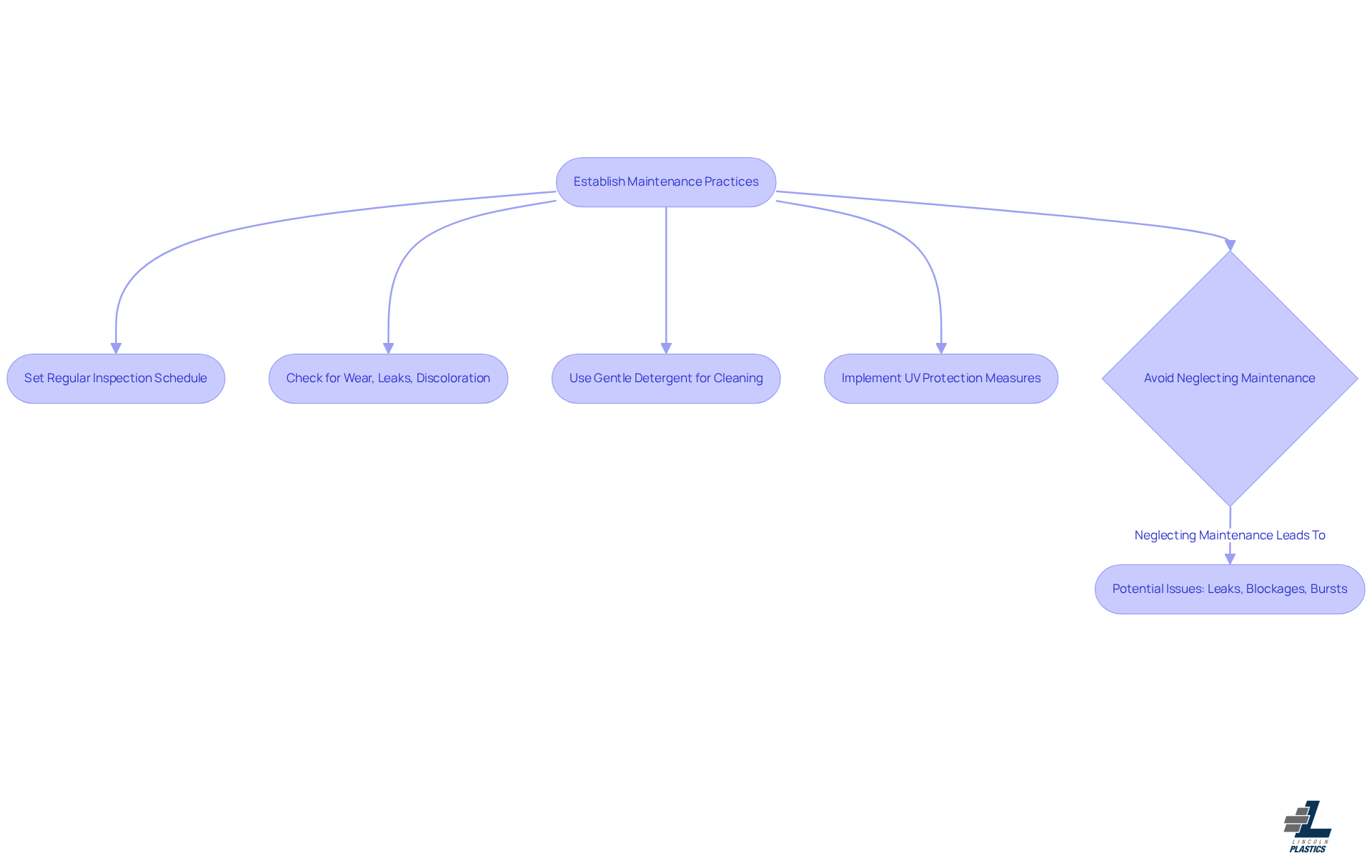
If you want your clear PVC tube systems to last and work reliably, setting up a maintenance schedule is a must. Think about it: checking for wear, leaks, or discoloration can help you address issues before they become major headaches. As Catherine Tims says, "For starters, tube inspections help to identify minor obstructions that can be resolved before they develop into major blockages in the future."
Now, let’s talk about cleaning. Using a cleaning solution can prevent buildup that hinders flow, which in turn affects the efficiency of your system. And don’t forget about the environment! UV rays can really take a toll on PVC over time. So, implementing protective measures like UV-resistant coatings or some shading is a smart move.
Neglecting maintenance? That can lead to leaks, blockages, and even bursts in your PVC fittings. Yikes! This really highlights why these practices are so important. By adopting these best practices, you can extend the lifespan of your 6 clear PVC systems, ensuring it performs dependably in various conditions.
but also keep you in line with local plumbing codes. This ultimately safeguards both employee safety and operational efficiency. So, are you ready to take action and keep your systems in top shape?
Conclusion
Using clear PVC pipe is all about knowing its unique properties and applying best practices that fit your specific needs. This material not only gives you great visibility for monitoring systems in aquaculture and hydroponics but also ensures durability and safety thanks to its chemical resistance and adherence to manufacturing standards. By using the right installation techniques and maintenance strategies, you can really boost the performance and lifespan of your clear PVC systems.
So, what should you keep in mind? First off, it’s crucial to select the right diameter and length for optimal flow rates. Plus, sticking to effective installation protocols can help minimize any risks. Regular maintenance, like inspections and cleaning, is key to preventing issues that might throw a wrench in your system’s efficiency. Each of these practices plays a part in keeping things running smoothly, ensuring that your clear PVC pipe does its job effectively.
Ultimately, embracing these best practices not only makes your clear PVC pipe more functional across various applications but also highlights the importance of proactive maintenance and informed decision-making. Whether you’re diving into aquaculture, hydroponics, or other projects, understanding how to effectively use clear PVC pipe can lead to impressive improvements in system performance and reliability. By taking these steps, you’ll be sure to reap all the benefits this versatile material has to offer!
Frequently Asked Questions
What is clear PVC pipe used for?
Clear PVC pipe is used in various applications, particularly in aquaculture and hydroponics, where visibility of water quality and nutrient flow is crucial.
How does clear PVC pipe benefit aquaculture?
In aquaculture, clear PVC pipe helps monitor water quality and movement, ensuring a healthy environment for fish and other aquatic life.
What advantages does clear PVC pipe offer in hydroponics?
Clear PVC pipe allows users to see nutrient flow, which is essential for maintaining optimal conditions for plant growth.
What are the chemical resistance properties of clear PVC pipe?
Clear PVC pipe is chemically resistant and can handle a wide variety of fluids, making it suitable for food processing and chemical applications.
Is clear PVC pipe easy to install?
Yes, clear PVC pipe is lightweight, making it easy to handle and install, which can save time and labor costs.
What safety standards does clear PVC pipe meet?
Clear PVC pipe meets various manufacturing standards, including ISO 9001 and ASTM D1784, ensuring quality and safety.
What is the significance of the smooth inner surface of clear PVC pipe?
The smooth inner surface of clear PVC pipe ensures that fluids flow freely without sediment buildup, which is essential for efficient movement.
Can clear PVC pipe be used outdoors?
Clear PVC pipe can be vulnerable to UV damage if exposed to direct sunlight, so it should be protected for outdoor use.
Why should I consider using clear PVC pipe?
Clear PVC pipe offers visibility, durability, and reliable performance, making maintenance easier in various applications.
List of Sources
- Understand the Properties and Applications of Clear PVC Pipe
- ecodexvalves.com (https://ecodexvalves.com/advantages-of-clear-pvc-piping-systems)
- ctube-gr.com (https://ctube-gr.com/news/what-is-clear-pvc-pipe.html)
- lidaplastic.com (https://lidaplastic.com/th/news/transparentpvcpipe-10432.html)
- Plastic pipe demand growing due to its ‘critical roles' (https://plasticsnews.com/news/us-plastic-pipe-market-hit-268b-2028-amid-infrastructure-surge)
- Select Appropriate Diameter and Length for Optimal Performance
- atlas-scientific.com (https://atlas-scientific.com/blog/relationship-between-flow-and-pressure?srsltid=AfmBOoqxrA3Lehar_Iycrja01OZ65nAiqTbm2YBWw9iC2ZuDvW7_FG9l)
- zeroinstrument.com (https://zeroinstrument.com/the-relationship-between-pipe-diameter-flow-rate-flow-velocity-and-pressure)
- Implement Effective Installation Techniques and Safety Protocols
- federalregister.gov (https://federalregister.gov/documents/2018/11/20/2018-24925/pipeline-safety-plastic-pipe-rule)
- futuredatastats.com (https://futuredatastats.com/pipe-installation-market?srsltid=AfmBOorp6wb9EdvjrAZznIuZiXl7vBdkK6FUJH9SidU1JBC-bbPrsVST)
- Establish Maintenance Practices for Longevity and Reliability
- primoplumbing.net (https://primoplumbing.net/the-importance-of-professional-pipe-inspections)
- maxx-supply.com (https://maxx-supply.com/blog/the-importance-of-proper-maintenance-for-pvc-pipe-fittings?srsltid=AfmBOooRG6Pr3O3YzkDJ2hPCrgEsmPinc8qKOPJVQBRzC85Exkm0IXT_)
- Best Reasons to Schedule Routine Pipe Inspections (https://ehsinsight.com/blog/best-reasons-to-schedule-routine-pipe-inspections)
- lincoln-plastics.com (https://lincoln-plastics.com/news-post/best-practices-for-clear-plastic-flexible-tubing-procurement?dcc2137a_page=8)
Related posts

Designing Custom Extrusions: How We Work with OEM Engineers
Lincoln Plastics partners with OEM engineers to design custom extrusion profiles — reducing modifications, improving performance, and lowering costs


Precision Matters: Tolerances and Quality Control in Extrusion
Lincoln Plastics ensures precision in every extrusion with tight tolerances, in-line checks, and strict quality control for OEM applications
Plastic Extrusion for Agricultural Equipment: Beyond Irrigation
Lincoln Plastics supports agriculture with custom plastic extrusions that go beyond irrigation, delivering durability and reliability in the field
