
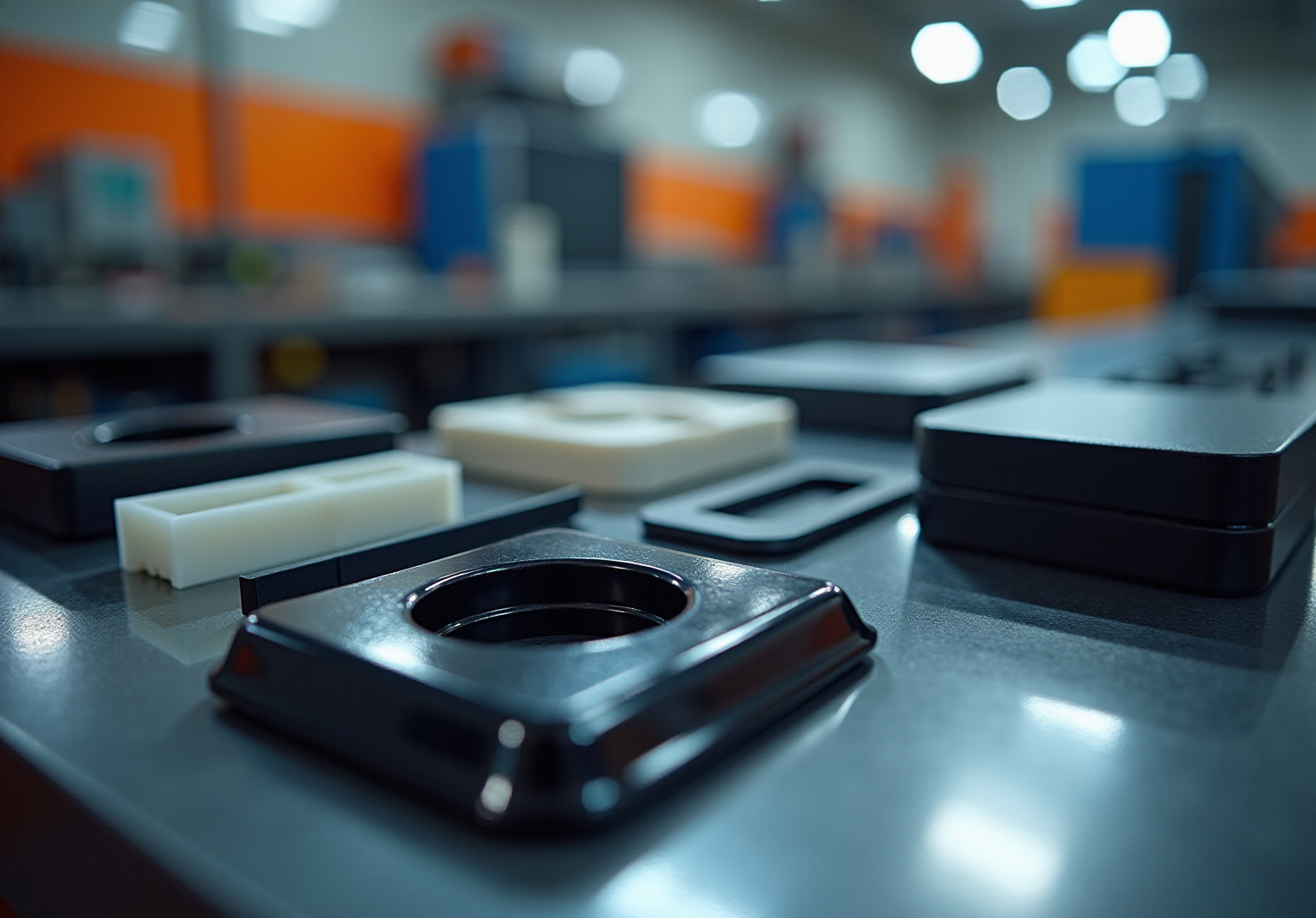
4 Essential ABS Plastic Examples for Effective Sourcing Strategies
Introduction
Acrylonitrile Butadiene Styrene (ABS) stands as a cornerstone in the manufacturing sector, celebrated for its remarkable durability and versatility. As industries increasingly demand materials that endure the challenges of daily use while remaining budget-friendly, grasping the unique properties and applications of ABS is not just beneficial - it's essential. But with the market poised for significant growth, how can manufacturers effectively navigate the complexities of sourcing this indispensable material?
Understanding best practices in ABS sourcing not only elevates product quality but also empowers companies to excel in a rapidly changing marketplace. By leveraging the strengths of ABS, manufacturers can enhance their offerings and meet the evolving needs of their customers. Furthermore, embracing these practices positions businesses to thrive amidst competition, ensuring they remain at the forefront of innovation and reliability.
Understand Key Properties of ABS Plastic
Acrylonitrile Butadiene Styrene (ABS) stands out as a highly versatile thermoplastic, celebrated for its exceptional impact resistance, toughness, and rigidity. This material is not just a choice; it’s a solution for industries demanding durability and reliability.
- Impact Resistance: ABS excels at absorbing shocks without cracking, making it ideal for applications like automotive parts and consumer electronics. As experts in the field note, "ABS's impact resistance is a crucial element in its extensive application across multiple industries." This characteristic ensures that products remain intact even under stress, reinforcing their longevity.
- Thermal Stability: With a remarkable ability to maintain integrity across a broad temperature range - from -20°C to 80°C - ABS is essential for outdoor applications where temperature fluctuations are common. This stability guarantees performance, regardless of environmental conditions.
- Chemical Resistance: ABS’s resistance to various chemicals, including acids and bases, enhances its usability in diverse environments, from industrial settings to household products. This versatility allows manufacturers to confidently use ABS in a wide array of applications.
- Ease of Processing: The material can be effortlessly shaped and extruded, enabling the creation of intricate shapes and profiles. This trait is particularly beneficial in sectors like automotive and industrial machinery, where tailored solutions are often required.
- Recyclability: ABS supports a more sustainable manufacturing process due to its recyclability, allowing for the creation of new items from recycled material. This not only benefits the environment but also aligns with the growing demand for sustainable practices in manufacturing.
- Limitations: However, it’s crucial to acknowledge that ABS is sensitive to UV light, which can lead to brittleness over time, potentially affecting its performance in outdoor uses. Understanding these limitations is key to ensuring optimal application.
By comprehending these characteristics, manufacturers can select the appropriate grade of ABS for their specific needs, ensuring optimal performance and reliability in their products. The global ABS market is projected to reach USD 57.24 billion by 2030, with demand expected to hit 20.6 million tons by 2023. This underscores the substance's significance in manufacturing, making it a material worth considering for your next project.

Explore Applications of ABS in Manufacturing
ABS plastic stands out as a powerhouse in various sectors, thanks to its remarkable properties. Its applications are not just numerous; they are essential:
- Automotive Components: ABS is a staple in dashboards, trim, and interior panels, prized for its impact resistance and attractive finish. Did you know that around 16% of total automotive plastics in passenger cars are made from ABS? This statistic underscores its vital role in the automotive industry.
- Consumer Electronics: With its durability and moldability, ABS is perfect for the housings of devices like televisions and computers. As the demand for electronics surges - projected to generate USD 1 trillion in revenue by 2025 in the Indian market - ABS's significance in this sector grows, driven by the need for lightweight and resilient materials.
- Industrial Equipment: In manufacturing, ABS is the go-to for parts that demand high strength and low weight, including protective casings and essential machinery components.
- 3D Printing: The ease of processing ABS has made it a favorite for 3D printing, enabling rapid prototyping and intricate designs. In fact, the extrusion segment accounted for 28% of the ABS market share in 2020, highlighting its importance in manufacturing.
Understanding these applications allows manufacturers to evaluate how ABS plastic examples can enhance their offerings and effectively inform their sourcing strategies. As the ABS market expands, particularly in consumer electronics and automotive sectors, its versatility and performance characteristics will remain crucial in meeting industry demands.

Evaluate Advantages and Disadvantages of ABS Plastic
When evaluating ABS for manufacturing, it’s crucial to weigh its advantages and disadvantages carefully.
Advantages:
- Cost-Effective: ABS stands out as a budget-friendly option, generally costing less than many other engineering plastics. This makes it an ideal choice for mass production.
- Good Aesthetic Qualities: Its ability to be easily colored and finished provides an attractive appearance, making it a popular choice for consumer products.
- Versatile Processing: ABS can be processed through various methods, including extrusion and injection molding, offering flexibility in manufacturing processes.
Disadvantages:
- UV Sensitivity: One significant drawback is its sensitivity to UV light. Over time, exposure to sunlight can lead to degradation, which may limit its application in outdoor settings unless treated or coated.
- Lower Heat Resistance: Compared to some other plastics, ABS has a lower heat deflection temperature. This characteristic may restrict its use in high-temperature environments.
Understanding these factors empowers manufacturers to make informed decisions about when to utilize ABS and when to consider alternative materials. Are you ready to explore how ABS can meet your production needs?

Implement Best Practices for Sourcing ABS Plastic
To source ABS plastic effectively, manufacturers must embrace key practices that ensure quality and reliability:
- Supplier Evaluation: Start by evaluating potential suppliers based on their quality control processes and certifications, such as ISO 9001. A supplier's history of delivering consistent materials is crucial. This evaluation guarantees that suppliers meet the necessary standards for reliability and quality.
- Material Specifications: Clearly define the required specifications for ABS, including grades, color, and performance characteristics. For instance, Lincoln Plastics can easily source colors that align with your Pantone specifications, ensuring consistency across manufacturers. This clarity in specifications is vital to avoid discrepancies.
- Regular Testing: Establish a routine testing protocol for incoming supplies to verify compliance with specifications and performance standards. Lincoln Plastics collaborates closely with OEMs to ensure their offerings meet all quality standards, including special checks for ‘fit and function’. This proactive approach helps identify any issues early, maintaining high quality in the manufacturing process. Additionally, requesting physical samples before placing large orders can prevent costly mistakes.
- Long-Term Relationships: Cultivating strong relationships with suppliers fosters collaboration and ensures reliable access to high-quality materials. A solid partnership leads to better communication, quicker response times, and enhanced support during critical sourcing periods. Lincoln Plastics guarantees that your rigid profiles meet specified critical dimensions, supported by a robust quality system that includes a dedicated quality book for your plastic profile, complete with drawings, critical in-process checks, and run documentation.
By implementing these best practices, manufacturers can significantly enhance their sourcing strategies, resulting in improved product quality and operational efficiency.

Conclusion
Acrylonitrile Butadiene Styrene (ABS) plastic stands out as a pivotal material in modern manufacturing, celebrated for its remarkable durability, versatility, and performance. Its unique attributes - impact resistance, thermal stability, and ease of processing - make it the go-to choice across diverse industries, from automotive to consumer electronics. For manufacturers aiming to harness the full potential of ABS, understanding these characteristics is crucial.
This article explores the extensive applications of ABS, underscoring its importance in:
- Automotive components
- Consumer electronics
- Industrial equipment
- 3D printing
The benefits of ABS, such as cost-effectiveness and aesthetic appeal, render it an appealing option. However, it’s essential to weigh its limitations, including UV sensitivity and lower heat resistance. By carefully evaluating these pros and cons, manufacturers can make informed decisions about integrating ABS plastic into their projects.
Given the rising demand for ABS, manufacturers should adopt effective sourcing practices. Focusing on:
- Supplier evaluation
- Establishing clear material specifications
- Conducting regular testing
- Nurturing long-term supplier relationships
These practices can significantly enhance sourcing strategies. These practices not only bolster operational efficiency but also align with the industry's evolving standards for sustainability and performance. Ultimately, embracing ABS plastic positions businesses at the forefront of innovative manufacturing solutions.
Frequently Asked Questions
What is ABS plastic and why is it significant?
Acrylonitrile Butadiene Styrene (ABS) is a highly versatile thermoplastic known for its exceptional impact resistance, toughness, and rigidity, making it a preferred choice in industries that require durability and reliability.
What are the key properties of ABS plastic?
The key properties of ABS plastic include impact resistance, thermal stability, chemical resistance, ease of processing, and recyclability.
How does ABS plastic perform in terms of impact resistance?
ABS excels at absorbing shocks without cracking, making it ideal for applications such as automotive parts and consumer electronics, thereby reinforcing product longevity.
What temperature range can ABS plastic withstand?
ABS maintains its integrity across a broad temperature range from -20°C to 80°C, which is essential for outdoor applications where temperature fluctuations occur.
Is ABS plastic resistant to chemicals?
Yes, ABS has resistance to various chemicals, including acids and bases, which enhances its usability in diverse environments, from industrial settings to household products.
How easy is it to process ABS plastic?
ABS can be easily shaped and extruded, allowing for the creation of intricate shapes and profiles, which is particularly beneficial in sectors like automotive and industrial machinery.
Is ABS plastic environmentally friendly?
ABS is recyclable, supporting a more sustainable manufacturing process by allowing new items to be created from recycled material, aligning with the demand for sustainable practices.
What are the limitations of ABS plastic?
ABS is sensitive to UV light, which can lead to brittleness over time, potentially affecting its performance in outdoor uses. Understanding these limitations is essential for optimal application.
What is the projected market growth for ABS plastic?
The global ABS market is projected to reach USD 57.24 billion by 2030, with demand expected to hit 20.6 million tons by 2023, highlighting its significance in manufacturing.
List of Sources
- Understand Key Properties of ABS Plastic
- plasticsnews.com (https://plasticsnews.com/video-livestreams/polymer-points/pn-polymer-points-live-november-2025-abs-nylon)
- ABS Polymer Growth Statistics 2023 (https://polymer-compounders.com/abs-polymer-growth-statistics-2023)
- ABS Price Trend, Historical & Forecast, News, Chart (https://procurementresource.com/resource-center/abs-price-trends)
- Explore Applications of ABS in Manufacturing
- industryarc.com (https://industryarc.com/Report/19830/acrylonitrile-butadiene-styrene-abs-market.html)
- ABS Resin Prices Rising in 2026: What It Means for Automotive ABS Parts (https://hsspoiler.com/new_detail/ABS-Resin-Prices-Rising-in-2026:-What-It-Means-for-Automotive-ABS-Parts.html)
- Automotive Plastics Market Size & Opportunities, 2026-2033 (https://coherentmarketinsights.com/industry-reports/automotive-plastics-market)
- spglobal.com (https://spglobal.com/energy/en/news-research/latest-news/chemicals/010726-commodities-2026-weak-auto-sector-puts-brakes-on-global-abs-nylon-growth)
- linkedin.com (https://linkedin.com/pulse/abs-resins-market-outlook-20262034-growth-applications-k6tyf)
- Evaluate Advantages and Disadvantages of ABS Plastic
- linkedin.com (https://linkedin.com/pulse/abs-resins-market-outlook-20262034-growth-applications-k6tyf)
- ABS Resin Prices Rising in 2026: What It Means for Automotive ABS Parts (https://hsspoiler.com/new_detail/ABS-Resin-Prices-Rising-in-2026:-What-It-Means-for-Automotive-ABS-Parts.html)
- rapiddirect.com (https://rapiddirect.com/blog/abs-injection-molding)
- cognitivemarketresearch.com (https://cognitivemarketresearch.com/abs-plastic-market-report)
- Implement Best Practices for Sourcing ABS Plastic
- pengtengbags.com (https://pengtengbags.com/news/sourcing-luxury-travel-cases-why-premium-abs-is-best-for-retailers)
- piedmontplastics.com (https://piedmontplastics.com/blog/plastic-supplier?srsltid=AfmBOoog6Sm7g45_a89DRaMNcS2Oe5TfJzDYe3Pmu_fc_4whJ-I94925)
- INEOS ABS Closure: Impact on Medical Device Manufacturers - Cambridge Polymer Group, Inc. (https://campoly.com/blog/ineos-abs-closure-impact-medical-device-manufacturers)
- linkedin.com (https://linkedin.com/pulse/comprehensive-abs-procurement-guide-modern-supply-chains-singh-xscqc)
- The enduring role of ABS in advancing modern healthcare (https://todaysmedicaldevelopments.com/news/enduring-role-abs-advancing-modern-healthcare)
Related posts

Discover essential steps for selecting reliable custom plastic tubing solutions for various industries.


Discover best practices for procuring clear plastic flexible tubing to enhance performance and reliability.
Discover key insights and features of top flexible PVC manufacturers for your business needs.
