
4 Best Practices to Optimize Extruder Manufacturing Efficiency
Introduction
In the fascinating world of manufacturing, extruder processes are key to turning raw plastics into those precise shapes we see every day. Have you ever thought about how these processes work? Understanding the ins and outs of extruder manufacturing not only reveals the magic behind everyday plastic products but also opens up a unique chance for manufacturers to boost efficiency and output.
But here’s the kicker: with rising demands and a push for sustainability, how can businesses really optimize their extruder operations while keeping quality high and waste low? This article dives into some best practices that can elevate your extruder manufacturing efficiency. Let’s explore essential strategies that can lead you to success in this ever-evolving field!
Define Extruder Manufacturing and Its Core Functions
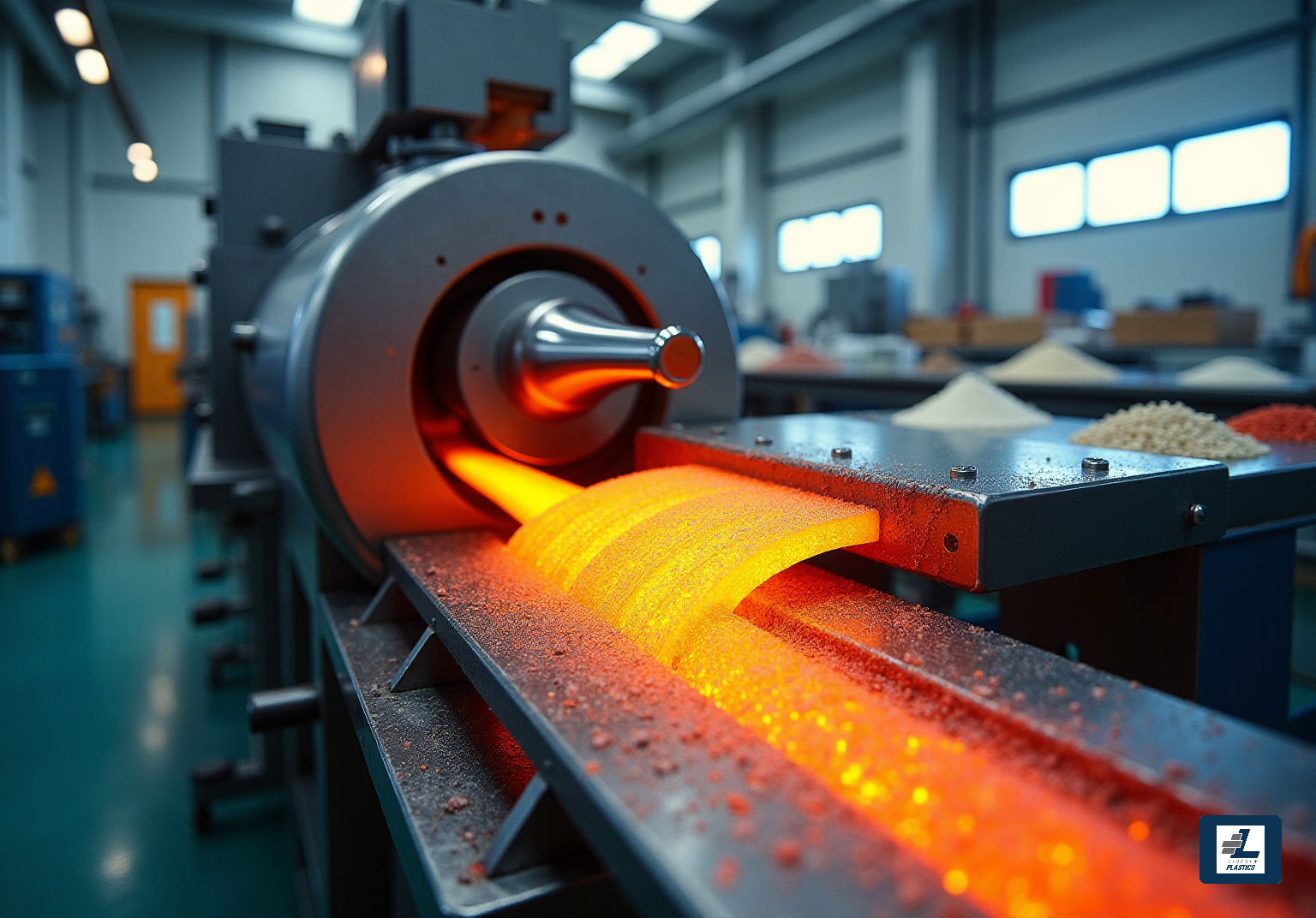
Have you ever wondered how those shiny plastic shapes come to be? Well, the magic behind it is extrusion. It’s all about transforming raw materials—usually plastics—into a specific cross-sectional profile by pushing them through a die. Let’s break down how this works:
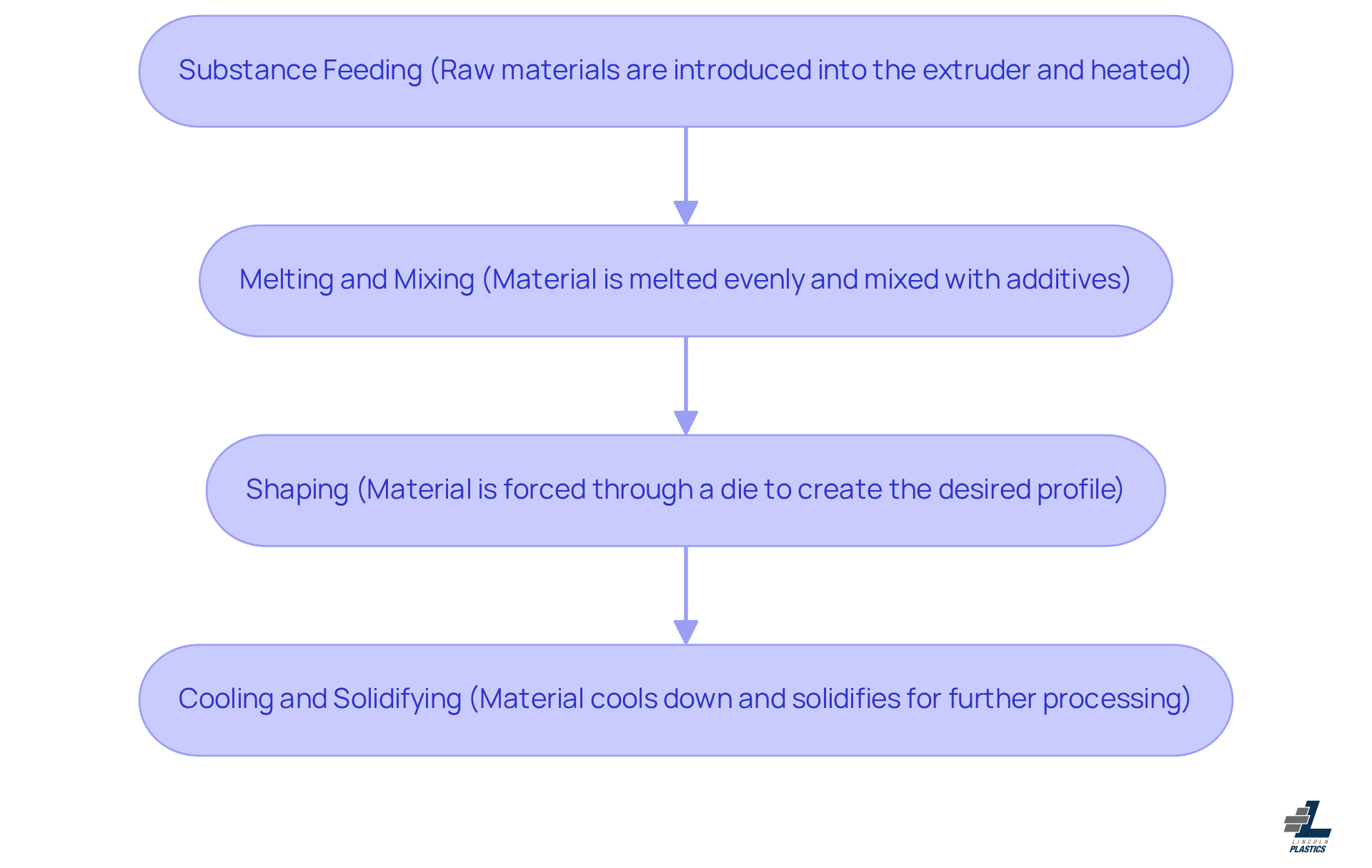
- Substance Feeding. This is where the process kicks off, as raw materials are introduced into the extruder. They get heated and melted, setting the stage for what’s next.
- Screw Configuration. The screw configuration in the extruder is crucial here. It helps melt the material evenly while mixing in any additives or colorants you might want.
- Shaping. The material is forced through a die, which gives it that desired profile we’re after.
- Cooling. After the material exits the die, it cools down and solidifies, making it ready for cutting or further processing.
Understanding these functions is super important in the context of manufacturing efficiency. It helps us spot areas for improvement and apply strategies to boost efficiency and output standards in manufacturing. So, what do you think? Ready to dive deeper into the world of extrusion?
Implement Quality Control Measures for Consistent Output
In the realm of manufacturing, having strong quality control measures in place is essential for achieving consistent output. So, what can you do? Here are some essential practices to consider:
- In-line Monitoring: Think about employing systems that continuously keep an eye on critical parameters like temperature, pressure, and material flow during the extrusion process. This allows for quick adjustments, which can really boost product standards and cut down on waste.
- Regular Inspections: It’s a good idea to perform tests to check for dimensional accuracy, strength, and surface condition. By catching deviations from specifications early on, you can take timely corrective actions, which minimizes defects throughout the production cycle.
- Standard Operating Procedures: Creating and implementing thorough SOPs for each phase of the extrusion process is crucial. When everyone consistently follows these guidelines, it ensures uniformity, which is essential for maintaining high-quality standards.
- Employee Training: Investing in ongoing training programs for your team about quality control techniques and the importance of upholding standards can make a big difference. By fostering an environment of excellence, you empower employees to take responsibility for their roles in the production process.
By putting these measures into practice, you can significantly reduce defects and enhance the overall quality of products. This, in turn, fosters increased customer trust and satisfaction. So, why not start implementing these strategies today?

Choose Suitable Materials for Optimal Extrusion Performance
Choosing the right components is key to getting the best performance in shaping. Let’s dive into some important factors to consider when picking materials:
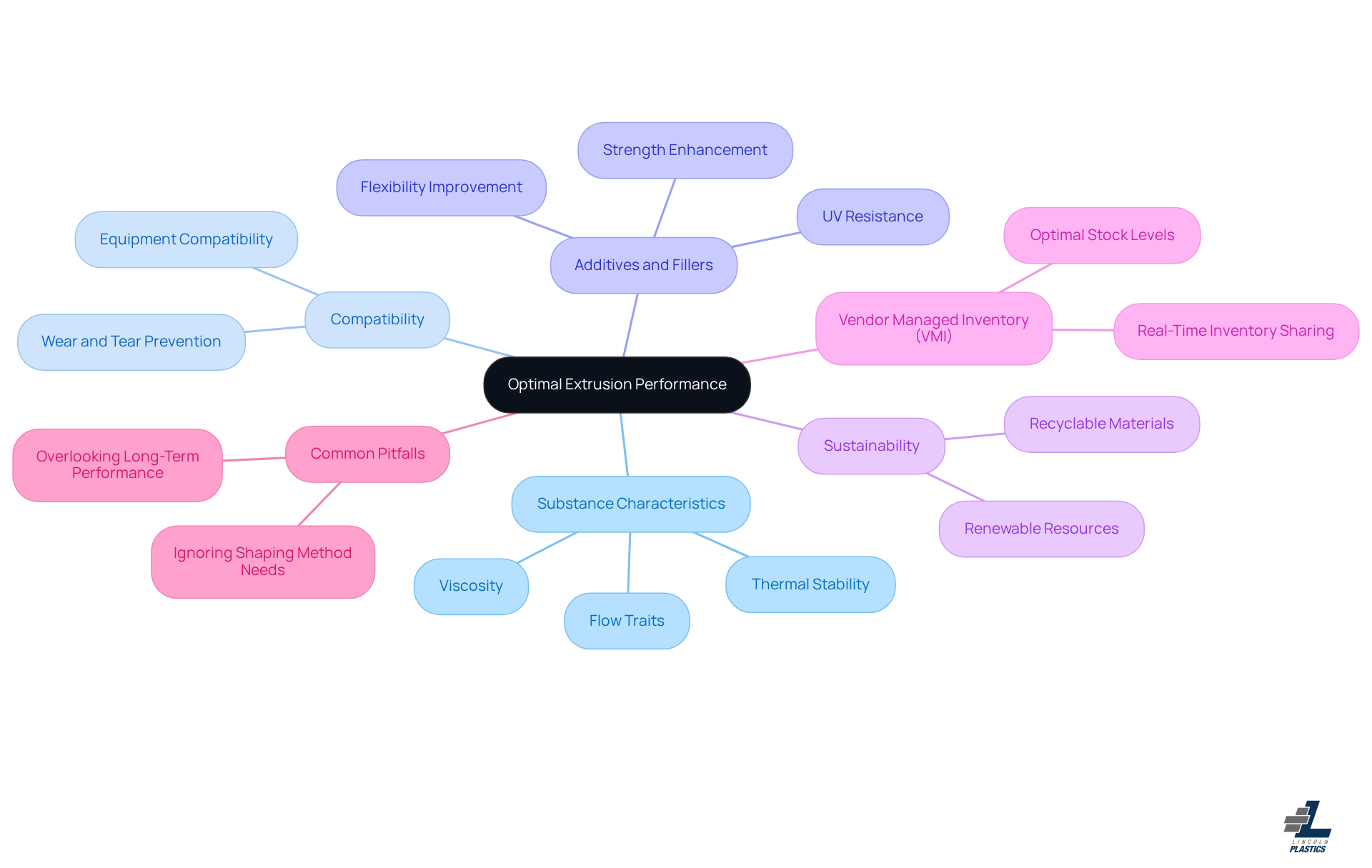
- Substance Characteristics. It's essential to look at the temperature, viscosity, and flow traits of the materials to make sure they’re a good fit for the application. These properties really affect the quality and consistency of the final product. At Lincoln Plastics, we’ve got specification sheets and can connect you with experts to help you through the selection process.
- Compatibility. You want to ensure that the components you choose work well with your extrusion equipment and won’t cause any damage or excessive wear. Using incompatible substances can lead to defects or wear and tear, which can hurt performance. Our team at Lincoln Plastics is here to help you optimize your design for manufacturing and source mold tooling that fits your equipment and material type.
- Additives. These can really enhance the properties of your base material, like boosting strength, flexibility, or UV resistance. We can help you explore different options to elevate your item’s performance.
- Sustainability. Choosing materials or those made from renewable resources aligns with industry standards and reduces environmental impact. This not only minimizes harm to the planet but also meets the growing demand for sustainable manufacturing practices. At Lincoln Plastics, we’re committed to promoting sustainable solutions in our production methods.
- Inventory Management. By sharing your real-time inventory or weekly reports, we can help you keep optimal stock levels, adjusting for busy and slower seasons. This proactive approach ensures you stay within your required minimum and maximum inventory ranges without needing large warehousing.
- Common Pitfalls. Watch out for common traps like ignoring the specific needs of the shaping method or overlooking the performance of components under operational conditions.
By carefully selecting materials based on these guidelines and leveraging the expertise at Lincoln Plastics, manufacturers can enhance their production methods in extruder manufacturing and create top-notch products.
Enhance Operational Efficiency to Minimize Waste and Maximize Output
Enhancing operational efficiency is crucial for reducing waste and boosting output in the field of manufacturing. So, what can you do? Here are some key strategies to think about:
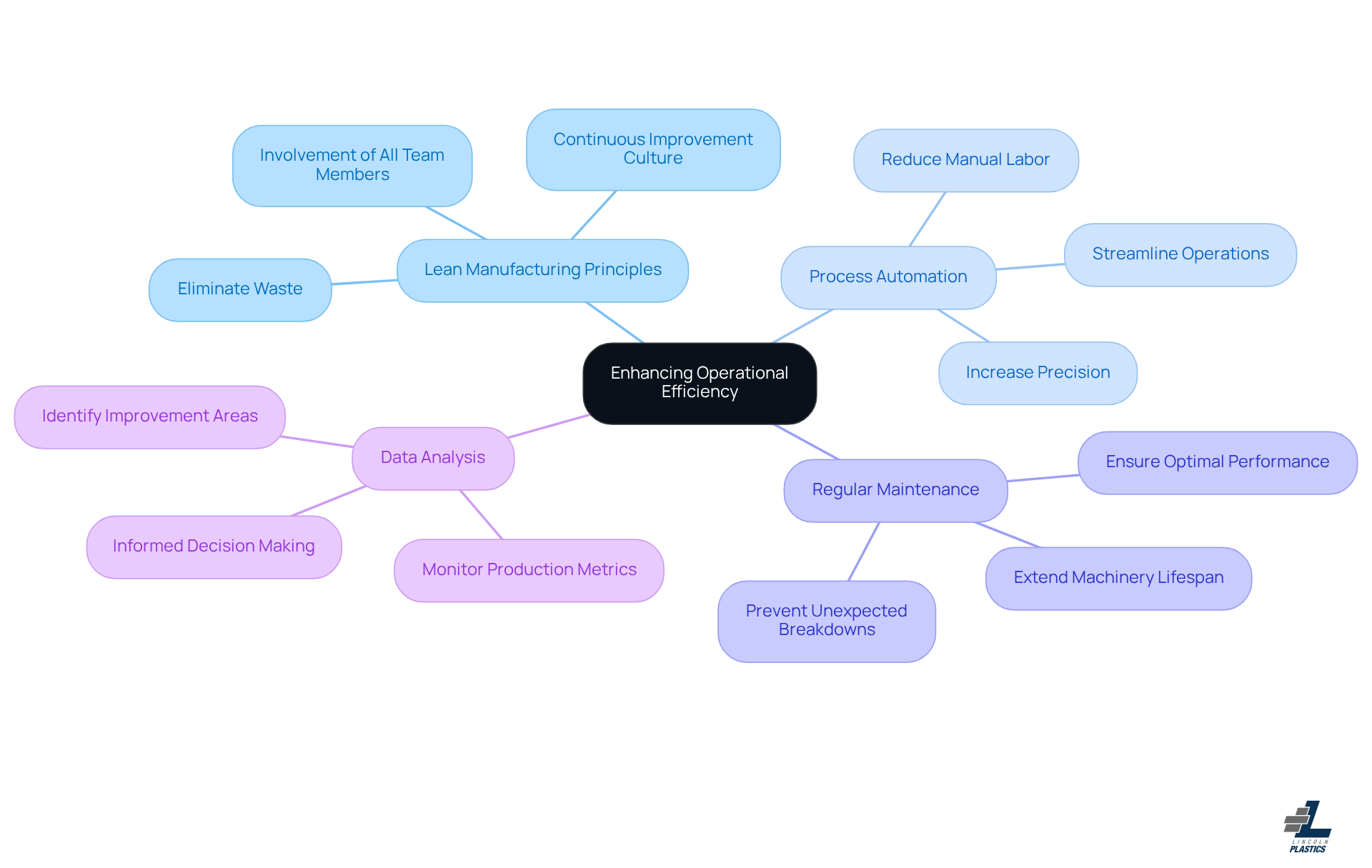
- Lean Practices: Have you considered implementing lean practices? They help systematically identify and eliminate waste throughout the production cycle. This approach encourages a culture of continuous improvement, where everyone on the team is involved in making things more efficient.
- Automation: Investing in automation technologies can really streamline your operations. It reduces reliance on manual labor and boosts precision in the shaping process. Plus, automation speeds up production and minimizes human error, which leads to higher quality outputs.
- Maintenance: Establishing a routine maintenance schedule for your extrusion equipment is key. It helps prevent unexpected breakdowns and ensures optimal performance. Proactive maintenance can extend the lifespan of your machinery and cut down on downtime, which contributes to overall efficiency.
- Data Analysis: Why not leverage data analysis to keep an eye on your production metrics? This allows you to pinpoint areas for improvement. By analyzing performance data, you can make informed decisions that drive efficiency and reduce waste.
By putting these strategies into action, you can significantly boost your operational efficiency. This means lower costs, increased output, and a more sustainable production process. Ready to make some changes?
Conclusion
Optimizing extruder manufacturing efficiency can feel like a big task, right? It’s all about understanding how the extrusion process works, keeping quality in check, picking the right materials, and boosting how we operate. By honing in on these areas, manufacturers can really step up their game and churn out high-quality products consistently.
Throughout this article, we’ve pointed out some essential practices. For instance:
- In-line monitoring and regular testing are crucial for maintaining quality standards.
- Choosing the right materials can enhance performance.
- Lean manufacturing principles help cut down on waste.
Each of these strategies is vital for creating a more efficient and effective manufacturing environment.
Ultimately, striving for excellence in extruder manufacturing not only improves product quality but also nurtures a culture of continuous improvement and sustainability. By embracing these best practices, manufacturers aren’t just reacting to what’s happening now; they’re also paving the way for future advancements in the industry. So, why not start making these changes today? It’s a step towards a more efficient, productive, and environmentally friendly tomorrow!
Frequently Asked Questions
What is extruder manufacturing?
Extruder manufacturing is a process that shapes raw materials, usually plastics, into a specific cross-sectional profile by pushing them through a die.
What are the core functions of extruder manufacturing?
The core functions include substance feeding, melting and mixing, shaping, and cooling and solidifying.
What happens during the substance feeding stage?
In the substance feeding stage, raw materials are introduced into the extruder, where they are heated and melted.
How does the melting and mixing process work?
The screw configuration in the extruder is crucial for melting the material evenly and mixing in any additives or colorants.
What occurs during the shaping process?
During the shaping process, the melted material is forced through a die, which gives it the desired profile.
What happens after the material exits the die?
After the material exits the die, it cools down and solidifies, making it ready for cutting or further processing.
Why is understanding these functions important?
Understanding these functions is important because it helps identify areas for improvement and apply best practices that enhance efficiency and output standards in manufacturing.
List of Sources
- Implement Quality Control Measures for Consistent Output
- insight-quality.com (https://insight-quality.com/10-quality-quotes)
- The Importance of Quality Control in Plastic Extrusion Manufacturing - Craftedplastics (https://craftedplastics.com/blog/the-importance-of-quality-control-in-plastic-extrusion-manufacturing)
- sciencedirect.com (https://sciencedirect.com/science/article/pii/S2665917422000150)
- Quality Control in Plastic Extrusion for Consistent Results | Rocal (https://rocalextrusions.co.uk/news/quality-control-in-plastic-extrusion-to-ensure-consistent-results)
- azquotes.com (https://azquotes.com/quotes/topics/quality-control.html)
- Choose Suitable Materials for Optimal Extrusion Performance
- academia.edu (https://academia.edu/62901376/Design_for_Additive_Manufacturing_with_Case_Studies_on_Aircrafts_and_Propulsion_Systems)
- researchgate.net (https://researchgate.net/publication/343210059_An_investigation_of_additive_manufacturing_technologies_for_development_of_end-use_components_A_case_study)
- Enhance Operational Efficiency to Minimize Waste and Maximize Output
- azumuta.com (https://azumuta.com/blog/inspiring-lean-manufacturing-quotes)
- leadingedgegroup.com (https://leadingedgegroup.com/top-25-quotes-for-lean-business-inspiration)
- plasticsmachinerymanufacturing.com (https://plasticsmachinerymanufacturing.com/extrusion/article/55307269/how-to-maintain-production-efficiency-in-high-stakes-extrusion)
- newcastlesys.com (https://newcastlesys.com/blog/bid/337009/lean-manufacturing-quotes-for-education-and-inspiration)
- supplychaintoday.com (https://supplychaintoday.com/lean-manufacturing-quotes)
Related posts

Designing Custom Extrusions: How We Work with OEM Engineers
Lincoln Plastics partners with OEM engineers to design custom extrusion profiles — reducing modifications, improving performance, and lowering costs


Precision Matters: Tolerances and Quality Control in Extrusion
Lincoln Plastics ensures precision in every extrusion with tight tolerances, in-line checks, and strict quality control for OEM applications
Plastic Extrusion for Agricultural Equipment: Beyond Irrigation
Lincoln Plastics supports agriculture with custom plastic extrusions that go beyond irrigation, delivering durability and reliability in the field
