
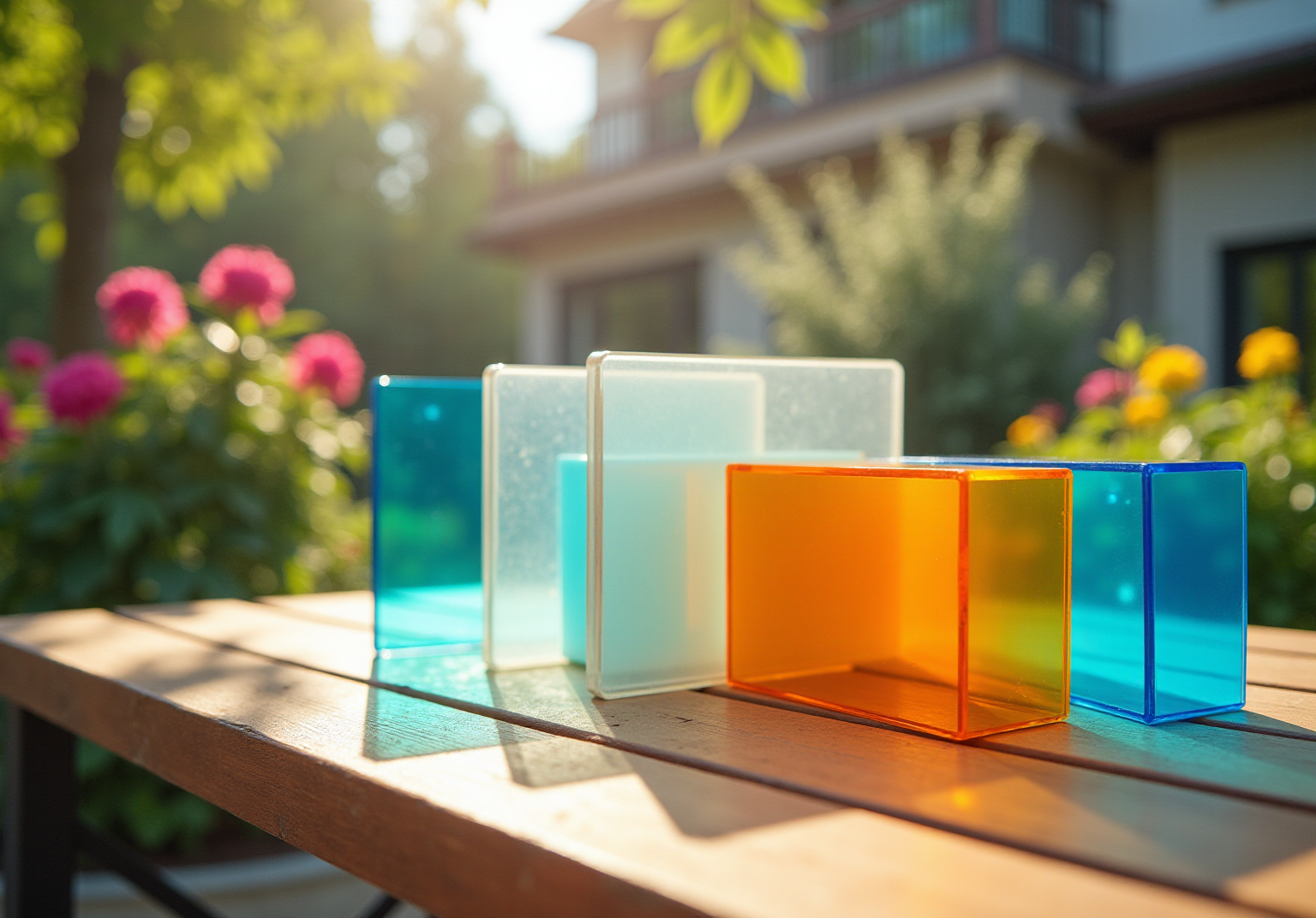
4 Best Practices for Using UV Blocking Plastic in Manufacturing
Introduction
In manufacturing, selecting the right materials is crucial for ensuring product quality and longevity. UV blocking plastics are vital in protecting products from ultraviolet radiation that can compromise both appearance and structural integrity. By exploring best practices for utilizing these innovative materials, manufacturers can offer substantial benefits, including enhanced durability and compliance with industry standards.
Many manufacturers struggle to effectively implement these strategies due to the complexities involved in material selection and maintenance. Without a strategic approach, manufacturers may fail to harness the full potential of UV blocking plastics, jeopardizing their product integrity.
Define UV Blocking Plastics and Their Importance in Manufacturing
In the competitive landscape of manufacturing, UV resistant materials stand out as crucial components for product longevity and quality. These engineered substances incorporate additives that absorb or reflect ultraviolet (UV) radiation, effectively protecting the underlying polymer structure from UV-induced damage. In production settings, where products face constant exposure to sunlight, UV resistant materials play a vital role in preserving both integrity and visual appeal. Their use is essential for mitigating the risks of photodegradation, which can lead to discoloration and brittleness that compromise product quality.
For instance, polycarbonate and acrylic are frequently utilized in outdoor applications due to their natural UV resistance, making them optimal selections for manufacturers aiming to create robust and enduring components. Recent advancements, including next-generation Hindered Amine Light Stabilizers (HALS) and nanoparticle UV absorbers, have significantly improved these materials' performance. This ensures that manufacturers can confidently meet the evolving demands of their industries.
At Lincoln Plastics, we leverage our extensive experience since 1948 in custom profile extrusion to deliver OEMs high-quality materials, including UV blocking plastic, tailored to their specific requirements, ensuring precision and dependability in every project. By leveraging these advanced materials, manufacturers not only enhance product durability but also secure their market position against competitors.

Identify Key Benefits of UV Blocking Plastics in Production
Are you aware of the transformative advantages UV blocking plastics can bring to your production process?
- Enhanced durability is provided by UV blocking plastic, which significantly increases the lifespan of plastic items by preventing degradation caused by UV exposure. This is crucial for outdoor uses like agricultural irrigation and cable protection, where sunlight exposure is unavoidable. Specialty films using PMMA or PVC can provide long-term protection lasting over a year, while medium-term protection lasts 90 days to 12 months.
- Cost Efficiency: While adding UV stabilizers might increase initial costs, they save money on repairs and replacements in the long run. For instance, using UV blocking plastic in outdoor components can minimize the need for repairs or replacements due to UV damage. This makes it a financially wise decision for producers.
- Enhanced Appearance: UV blocking materials help preserve the original hue and transparency of items, which is essential for consumer-facing applications. This is especially pertinent for items such as signage and displays that require visual appeal. UV stabilizers in UV blocking plastic help maintain the look of synthetic products by preventing discoloration and fading caused by UV exposure.
- Regulatory Compliance: Many industries have specific regulations regarding material durability and safety. Employing UV blocking plastic can assist manufacturers in achieving these standards, ensuring compliance and minimizing liability risks. Choosing UV blocking materials not only safeguards your products but also positions your brand as a leader in sustainability.

Implement Effective Strategies for Selecting UV Blocking Plastics
Selecting the right UV blocking plastic is essential for manufacturers aiming to enhance product longevity and performance.
- Substance Properties: Evaluating the specific traits of potential substances is crucial. Focus on tensile strength, flexibility, and UV resistance ratings. High-density polyethylene (HDPE) and polycarbonate stand out for their superior UV resistance and mechanical properties, making them suitable for various applications. Evaluating the balance between UV protection and other characteristics is essential. Consider transparency and flexibility, as some stabilizers may alter the appearance of polymers.
- Application Requirements: Defining the specific needs of your application is vital for success. Take into account exposure conditions, environmental factors, and performance expectations. This knowledge empowers you to select materials that excel in both durability and aesthetics. The demand for UV stabilizers is rising due to their role in prolonging the lifespan of synthetic materials and preserving their integrity in outdoor uses.
- Supplier expertise involves engaging with suppliers known for their strong reputation in providing UV blocking plastic. Sourcing U.S.-made UV stabilizers offers advantages such as superior quality control, faster turnaround times, and adherence to stringent regulations, significantly enhancing product performance. Their specialized knowledge can assist manufacturers in making informed choices based on the latest advancements in substance technology and industry best practices.
- Testing and Validation: Implement rigorous testing of selected materials under simulated UV exposure conditions to evaluate their performance. This may involve accelerated weathering tests to predict long-term durability and effectiveness in real-world scenarios. The global UV stabilizers market is projected to reach USD 2.85 billion by 2035, with a CAGR of around 5.5%, highlighting the growing importance of effective UV stabilization in manufacturing. Prioritizing these strategies positions manufacturers to lead in durability and quality within the industry.

Establish Maintenance Practices for Longevity of UV Blocking Plastics
Are you aware that neglecting maintenance can drastically reduce the lifespan of your UV blocking plastic? To ensure their longevity, manufacturers should implement the following maintenance practices:
- Regular Inspections: Conduct routine evaluations of items to identify signs of UV damage, such as discoloration or brittleness. Identifying issues early is crucial - did you know that regular checks can significantly extend the life of your synthetic materials?
- Cleaning Protocols: Establish cleaning protocols that utilize non-abrasive materials and UV-safe cleaning agents. This method aids in preserving the clarity and aesthetic charm of the material without causing harm, ensuring that the products remain functional and visually attractive.
- Storage Conditions: Store UV blocking materials in controlled environments away from direct sunlight when not in use. Minimizing unnecessary exposure is essential for preserving the material's properties, as prolonged UV exposure can lead to photodegradation, impacting both performance and appearance.
- Protective Coatings: Consider applying additional protective coatings that enhance UV resistance. These coatings provide an extra layer of defense against UV radiation, significantly improving durability. For example, BASF's Tinuvin NOR 600 additive improves long-term weatherability and acid resistance in outdoor materials, contributing to better performance in harsh conditions.
Neglecting these maintenance practices can lead to costly replacements and diminished product performance. By adopting these practices, manufacturers can ensure the longevity and reliability of their products made from UV blocking plastic, ultimately saving costs and enhancing customer satisfaction.

Conclusion
In today's competitive landscape, utilizing UV blocking plastics is essential for manufacturers seeking to ensure product durability and performance. These materials shield products from harmful UV radiation, which can compromise their integrity and appearance over time. By incorporating UV resistant additives, manufacturers can significantly enhance the lifespan of their products, making them more competitive in a demanding market.
The article highlights several key benefits of using UV blocking plastics, including:
- Increased durability
- Cost efficiency
- Improved aesthetics
- Compliance with industry regulations
Choosing the right materials and smart strategies helps manufacturers protect their products while cutting down on long-term repair costs. Furthermore, regular maintenance practices are essential to preserving the integrity of these materials, ensuring they continue to perform at their best.
In conclusion, embracing UV blocking plastics is a strategic move for manufacturers aiming to enhance product quality and longevity. By understanding the importance of these materials and adopting best practices for their selection and maintenance, businesses can position themselves as leaders in their industries. By prioritizing UV resistant materials, manufacturers not only enhance their product offerings but also pave the way for a more sustainable future in manufacturing.
Frequently Asked Questions
What are UV blocking plastics?
UV blocking plastics are engineered materials that incorporate additives to absorb or reflect ultraviolet (UV) radiation, protecting the underlying polymer structure from UV-induced damage.
Why are UV resistant materials important in manufacturing?
UV resistant materials are crucial for product longevity and quality as they help preserve the integrity and visual appeal of products exposed to sunlight, mitigating risks of photodegradation such as discoloration and brittleness.
Which types of plastics are commonly used for their UV resistance?
Polycarbonate and acrylic are frequently utilized in outdoor applications due to their natural UV resistance, making them optimal choices for manufacturers aiming to create durable components.
What advancements have been made in UV blocking plastics?
Recent advancements include next-generation Hindered Amine Light Stabilizers (HALS) and nanoparticle UV absorbers, which significantly improve the performance of UV resistant materials.
How does Lincoln Plastics contribute to the manufacturing of UV blocking plastics?
Lincoln Plastics leverages over 75 years of experience in custom profile extrusion to deliver high-quality UV blocking plastics tailored to the specific requirements of OEMs, ensuring precision and dependability in every project.
What benefits do manufacturers gain from using UV blocking plastics?
By using UV blocking plastics, manufacturers enhance product durability and secure their market position against competitors by meeting the evolving demands of their industries.
List of Sources
- Define UV Blocking Plastics and Their Importance in Manufacturing
- prnewswire.com (https://prnewswire.com/news-releases/uv-stabilizers-market-worth-1-6-billion-by-2026---exclusive-report-by-marketsandmarkets-301461148.html)
- linkedin.com (https://linkedin.com/pulse/navigating-united-states-uv-stabilizers-plastics-market-kih9e)
- 3vsigmausa.com (https://3vsigmausa.com/advancements-in-uv-stabilization-longer-performance)
- marketpulsepoint.weebly.com (https://marketpulsepoint.weebly.com/blog/uv-stabilizers-market-future-trends-growth-opportunities-2026-2035)
- morningstar.com (https://morningstar.com/news/accesswire/1145044msn/uv-resistant-industrial-stretch-film-market-outlook-2026-2036-global-market-to-reach-usd-641-million-by-2036-at-53-cagr)
- Identify Key Benefits of UV Blocking Plastics in Production
- vibrantcolortech.com (https://vibrantcolortech.com/the-role-of-uv-stabilizers-in-plastic-manufacturing)
- protekta.in (https://protekta.in/blog/uv-resistant-protective-films-outdoor)
- abbeyextrusions.com (https://abbeyextrusions.com/blog/extrusion-news-technical-guides-1/selecting-uv-resistant-nylon-tubing-for-outdoor-use-in-2026-27)
- agritechmag.com (https://agritechmag.com/news/108135-additives-enhance-outdoor-plastics-durability-and-stability)
- 3vsigmausa.com (https://3vsigmausa.com/advancements-in-uv-stabilization-longer-performance)
- Implement Effective Strategies for Selecting UV Blocking Plastics
- Comparing UV Resistance of Plastics: Key Insights for OEMs (https://lincoln-plastics.com/news-post/comparing-uv-resistance-of-plastics-key-insights-for-oe-ms)
- morningstar.com (https://morningstar.com/news/accesswire/1145044msn/uv-resistant-industrial-stretch-film-market-outlook-2026-2036-global-market-to-reach-usd-641-million-by-2036-at-53-cagr)
- 3vsigmausa.com (https://3vsigmausa.com/uv-stabilizers-are-crucial-for-performance-plastics)
- marketpulsepoint.wordpress.com (https://marketpulsepoint.wordpress.com/2026/04/15/uv-stabilizers-market-future-trends-growth-opportunities-2026-2035)
- Establish Maintenance Practices for Longevity of UV Blocking Plastics
- 3vsigmausa.com (https://3vsigmausa.com/advancements-in-uv-stabilization-longer-performance)
- agritechmag.com (https://agritechmag.com/news/108135-additives-enhance-outdoor-plastics-durability-and-stability)
- themachinemaker.com (https://themachinemaker.com/news/basf-highlights-advanced-light-stabilizer-solutions-for-durable-plastics-at-plastindia-2026)
- modernplasticsglobal.com (https://modernplasticsglobal.com/at-plastindia-2026-basf-showcases-how-light-stabilizers-extend-the-durability-of-plastics-across-industries)
Related posts

Why Custom Pipe Extrusion Matters More Than Ever
Standard pipe sizes don’t always work. Learn how Lincoln Plastics delivers custom diameters, wall thicknesses, and finishes in right-sized runs.


Reducing Trip Hazards with Custom Cord Management
Loose cords are more than messy — they’re a safety hazard. Lincoln Plastics’ custom cord covers and Flexiduct solutions improve safety and efficiency.
The Power of Custom Plastic Profiles for OEMs
Off-the-shelf profiles force compromises. Learn how Lincoln Plastics designs custom extruded profiles for OEMs with exact specs and right-sized runs.
