

4 Best Practices for Sourcing Polycarbonate Plastic Products
Introduction
Understanding the nuances of polycarbonate plastic can really open up a world of opportunities for industries like construction and electronics. With its impressive features—think high impact resistance and optical clarity—this versatile material is truly a cornerstone for innovative applications.
But sourcing the right polycarbonate products? That can be quite the challenge. You might face issues with supplier reliability, quality assurance, and even effective negotiation strategies.
So, how can companies tackle these complexities to ensure they get the best materials for their specific needs?
Understand Polycarbonate: Properties and Types
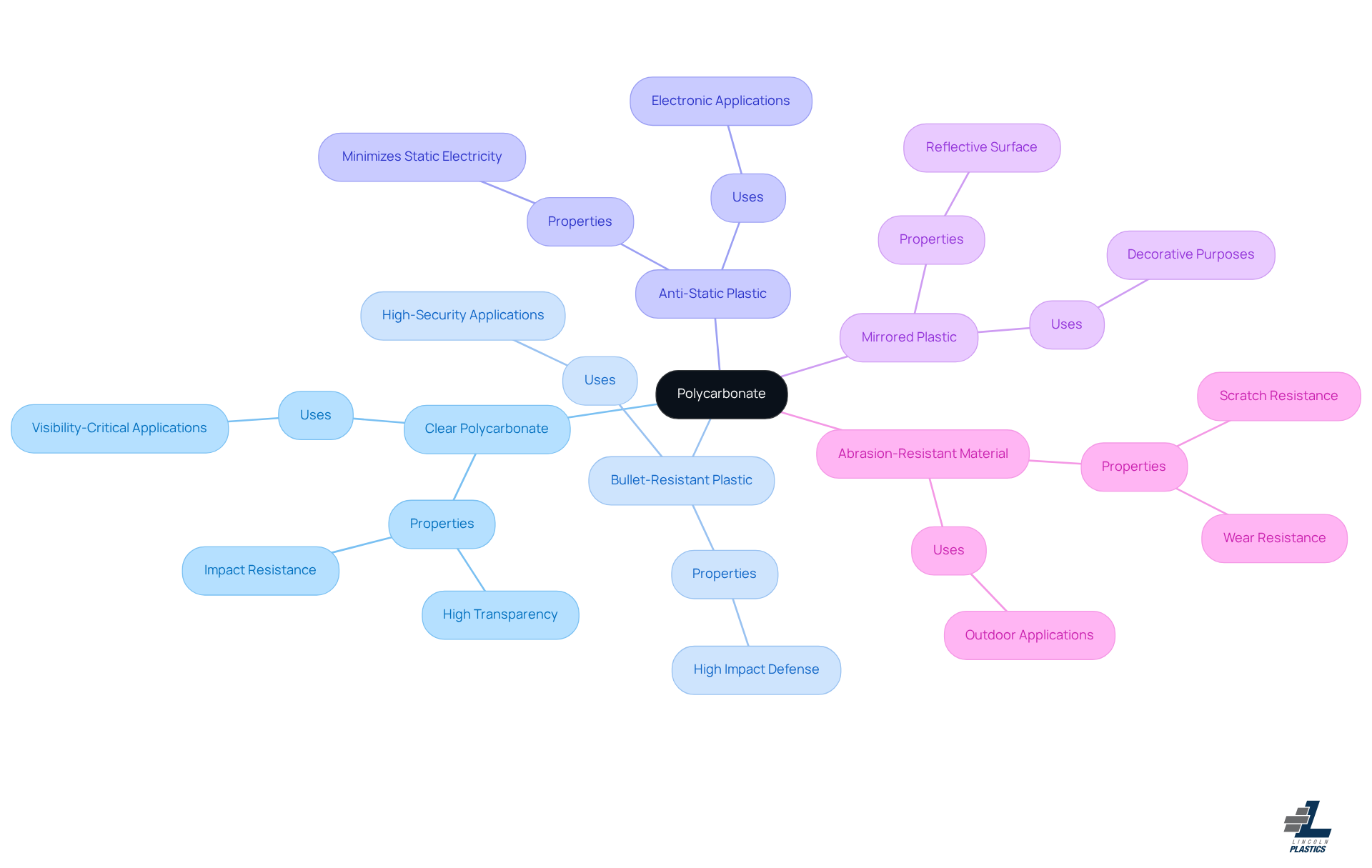
This thermoplastic is pretty versatile and known for its strength, durability, and lightweight nature. You can find it in several types, like:
- Clear Polycarbonate: This one offers excellent transparency and is often used where visibility is key.
- Bullet-Resistant Polycarbonate: Perfect for high-security needs, it provides better defense against impacts.
- Anti-Static Polycarbonate: Great for electronic applications, it helps minimize static electricity buildup.
- Mirrored Plastic: Used mainly for decorative purposes, it gives you that shiny, reflective surface.
- Abrasion-Resistant Material: Made to resist scratches and wear, making it ideal for outdoor use.
Understanding these characteristics can really help companies choose the right type of polycarbonate for their needs. This way, they can ensure optimal performance and efficiency in their applications. So, what kind of polycarbonate do you think would work best for you?
Explore Applications of Polycarbonate in Industry
This super versatile material is used in all sorts of industries, thanks to its unique properties. Let’s dive into some of its key applications:
- Construction: You’ll often find polycarbonate in roofing, glazing, and sound barriers. Why? Because it’s lightweight, making it a great choice for energy-efficient buildings.
- Automotive: In the automotive sector, this durable plastic shines in headlamp lenses, dashboards, and safety glass. It offers exceptional clarity and impact resistance, which is super important as manufacturers aim to reduce vehicle weight while boosting safety features.
- Electronics: You probably didn’t know that polycarbonate is used in components like CDs, DVDs, and electronic housings. Its transparency and durability are crucial for performance and longevity.
- Medical Devices: Increasingly, polycarbonate is being used in medical applications, including eyewear and protective gear. Its safety, clarity, and ability to withstand sterilization processes make it a top pick.
- Signage: Thanks to its durability and weather resistance, this material is perfect for illuminated signs and displays. It ensures visibility and durability, no matter the weather.
These diverse applications really show off the versatility of polycarbonate, making it a go-to choice for manufacturers looking for reliable and high-performance solutions. So, what do you think? Isn’t it fascinating how such a simple material can play such a big role in various fields?

Evaluate Suppliers: Ensuring Reliability and Quality
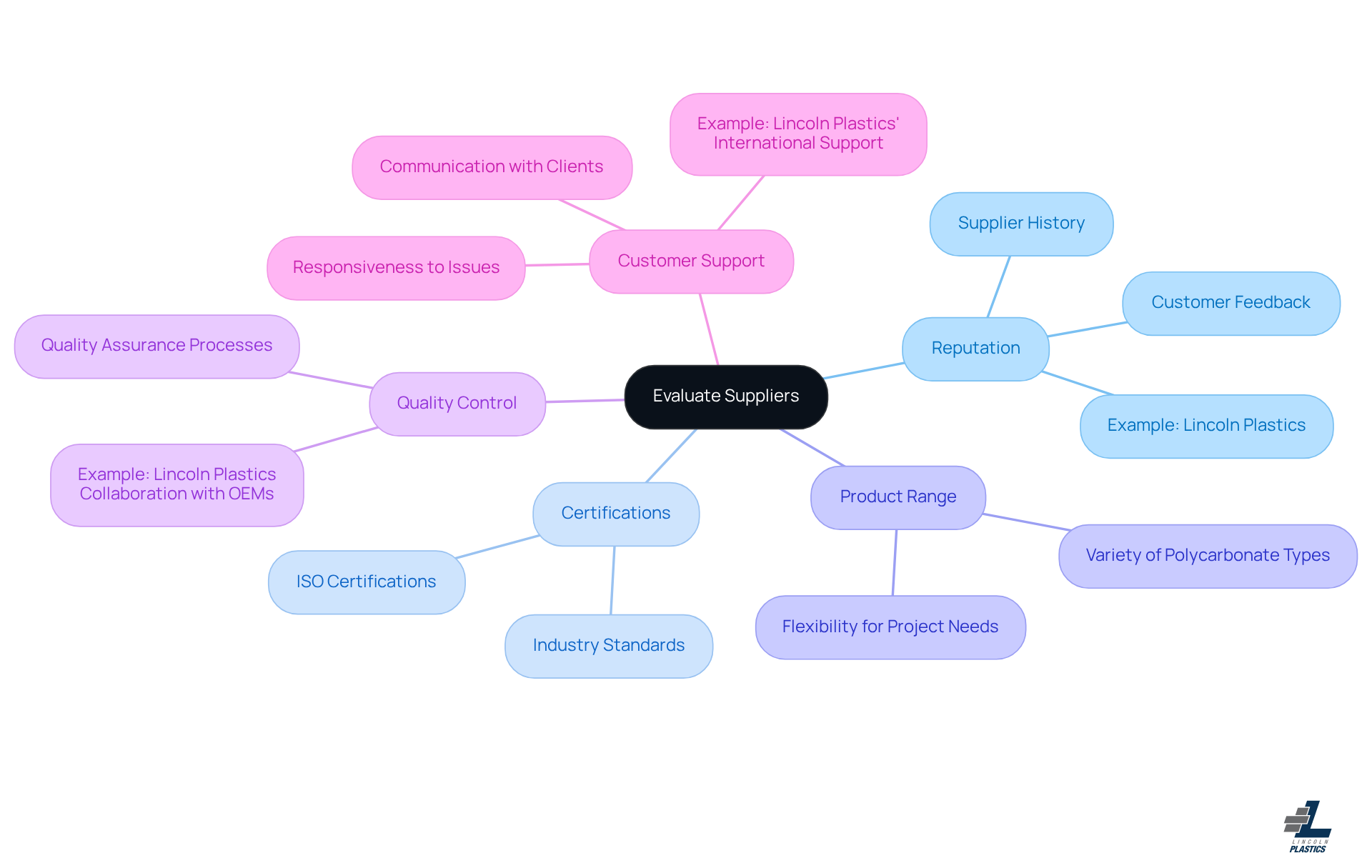
When you're on the hunt for polycarbonate products, it’s super important to take a good look at your vendors. So, what should you keep in mind?
- Reputation: First off, check out the reputation and what their customers are saying. It’s all about reliability and trust, right?
- Certifications: Make sure the provider meets industry standards. ISO certifications are a big deal—they show that a company is serious about quality management and excellence. For example, Lincoln Plastics is ISO certified, which means they’re committed to top-notch processes and meeting various regulations.
- Product Range: You’ll want a vendor that offers a diverse selection. This flexibility can really help you meet specific project needs.
- Quality Control: Don’t forget to ask about their quality assurance processes. Consistent product quality is key to keeping your operations running smoothly. Lincoln Plastics, for instance, implements rigorous testing to ensure their products meet all quality standards, including special checks for 'fit and function.'
- Customer Support: A solid vendor should provide great customer service, addressing any questions or issues quickly. This helps build a strong partnership. Lincoln Plastics works with international clients to ensure smooth communication and support throughout manufacturing and shipping.
By carefully evaluating potential vendors against these criteria, you can significantly cut down on risks and get products that fit your needs. This thorough assessment not only protects product quality but also positions providers like Lincoln Plastics as reliable partners.
Negotiate Effectively: Strategies for Cost Management
Negotiating with vendors is super important for keeping your expenses in check. Let’s dive into some key strategies that can really boost your negotiations:
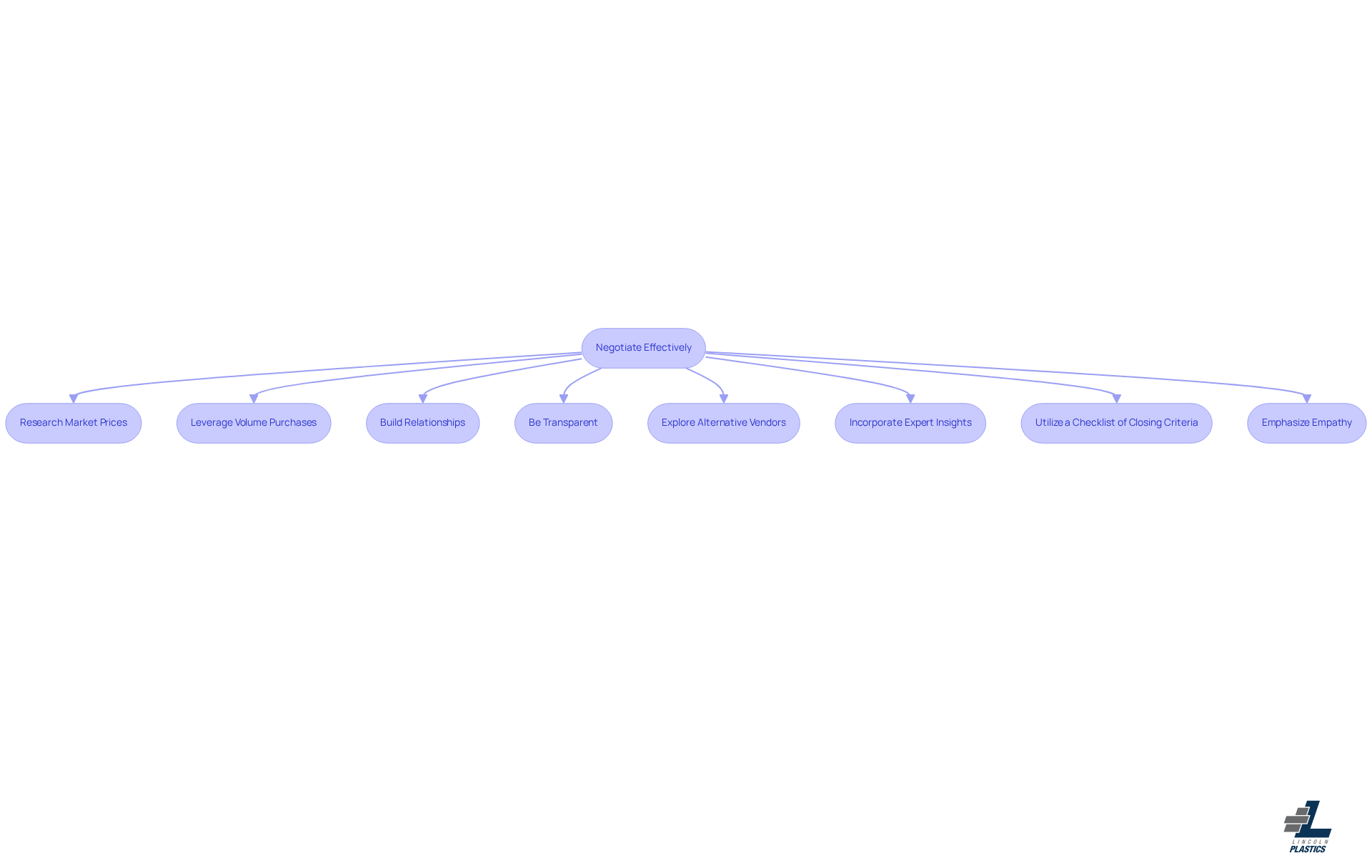
- Research Market Prices: Get to know the current market rates for polycarbonate products. This way, you’ll have a solid baseline for your negotiations, helping you spot fair pricing and steer clear of overpaying.
- Leverage Volume Purchases: Think about negotiating discounts for bulk orders. Companies often save up to 20% on material costs when they buy in bulk, so it’s definitely worth considering!
- Build Relationships: Strong partnerships can lead to better terms and pricing down the line. When you approach negotiations collaboratively, it fosters trust and can pave the way for mutual benefits.
- Be Transparent: Make sure to clearly communicate your needs and limitations to vendors. Being open fosters a collaborative atmosphere where both sides can work towards solutions that benefit everyone.
- Explore Alternative Vendors: Keeping a list of potential providers can really boost your negotiating power. By comparing offers and terms, you can use competition to snag the best deal.
- Incorporate Expert Insights: Why not sprinkle in some quotes from procurement experts about cost management? This can add credibility to your position.
- Utilize a Checklist of Closing Criteria: Create a checklist to ensure all your concerns are addressed before you make the final ask. This little step can significantly improve your negotiation outcomes.
- Emphasize Empathy: Try to understand the supplier's perspective. This can really enhance relationship building and lead to more effective negotiations.
By putting these strategies into action, you’ll not only manage costs better but also gain access to top-notch suppliers. This will ultimately make your procurement process smoother and more effective.
Conclusion
Understanding how to source polycarbonate plastic products effectively is super important for ensuring quality and performance across various applications. When you get to know the unique properties and types of polycarbonate, it helps industries make smart choices that boost their products and processes. The versatility of polycarbonate, along with its wide range of applications—from construction to electronics—really shows how vital it is in today’s manufacturing and design landscape.
So, what should you keep in mind? First off, it’s crucial to evaluate suppliers based on their:
- Reputation
- Certifications
- Product range
- Customer support
This thorough assessment not only helps reduce risks but also builds strong partnerships that can lead to better quality and service. Plus, having effective negotiation strategies is key for managing costs and securing the best terms, which allows businesses to optimize their procurement processes.
Ultimately, embracing these best practices in sourcing polycarbonate products can significantly enhance operational efficiency and product quality. By focusing on informed decision-making and strategic supplier relationships, companies can truly tap into the full potential of polycarbonate, setting themselves up for success in their markets. So, why not start implementing these strategies today? Your business will thank you!
Frequently Asked Questions
What is polycarbonate and what are its main properties?
Polycarbonate is a versatile thermoplastic known for its high impact resistance, optical clarity, and durability.
What are the different types of polycarbonate?
The different types of polycarbonate include Clear Polycarbonate, Bullet-Resistant Plastic, Anti-Static Plastic, Mirrored Plastic, and Abrasion-Resistant Material.
What is Clear Polycarbonate used for?
Clear Polycarbonate offers excellent transparency and is often used in applications where visibility is key.
What is Bullet-Resistant Plastic designed for?
Bullet-Resistant Plastic is designed for high-security needs and provides better defense against impacts.
How does Anti-Static Plastic function?
Anti-Static Plastic is great for electronic applications as it helps minimize static electricity buildup.
What is the purpose of Mirrored Plastic?
Mirrored Plastic is mainly used for decorative purposes, providing a shiny, reflective surface.
What is Abrasion-Resistant Material suitable for?
Abrasion-Resistant Material is made to resist scratches and wear, making it ideal for outdoor use.
Why is it important to understand the characteristics of polycarbonate?
Understanding these characteristics helps companies choose the right type of polycarbonate for their needs, ensuring optimal performance and durability in their applications.
List of Sources
- Explore Applications of Polycarbonate in Industry
- Global Polycarbonates Market Size, Share, Trends, Demand Outlook, Industrial Applications, Key Players and Forecast (2025–2032) (https://maximizemarketresearch.com/market-report/global-polycarbonates-pc-market/23396)
- unqpc.com (https://unqpc.com/the-future-of-polycarbonate-trends-to-watch-in-2025)
- marketsandata.com (https://marketsandata.com/industry-reports/polycarbonate-market)
- Polycarbonate Market Size And Share Report, 2026-2033 (https://grandviewresearch.com/industry-analysis/polycarbonate-market)
- Automotive Polycarbonate Glazing Market Size, Growth, Trends 2035 (https://marketresearchfuture.com/reports/automotive-polycarbonate-glazing-market-34620)
- Evaluate Suppliers: Ensuring Reliability and Quality
- digitaldefynd.com (https://digitaldefynd.com/IQ/motivational-supply-chain-management-quotes)
- Best Supply Chain Quotes (https://linkedin.com/pulse/best-supply-chain-quotes-daniel-stanton)
- Negotiate Effectively: Strategies for Cost Management
- intelemark.com (https://intelemark.com/blog/mastering-the-art-of-b2b-sales-negotiation)
- businessanalytiq.com (https://businessanalytiq.com/procurementanalytics/index/polycarbonate-price-index)
Related posts

Discover the essentials of PVC pipe manufacture, from production advancements to market trends.


Explore the significance of plastic composition in OEM manufacturing for enhanced performance.
Discover key insights on profile extrusion plastic for OEM managers to enhance production efficiency.
