

4 Best Practices for Sourcing Flame Resistant Plastic Effectively
Introduction
In the realm of flame resistant plastics, ensuring safety and compliance is paramount for manufacturers. As industries face increasing scrutiny over safety regulations and environmental impacts, understanding the various classifications of flame resistant plastics becomes essential. Manufacturers often struggle to find reliable suppliers who meet stringent safety standards. This article will explore best practices for sourcing flame resistant plastics, providing insights that empower manufacturers to enhance their procurement strategies and protect their bottom line.
Understand Flame-Resistant Plastics: Properties and Classifications
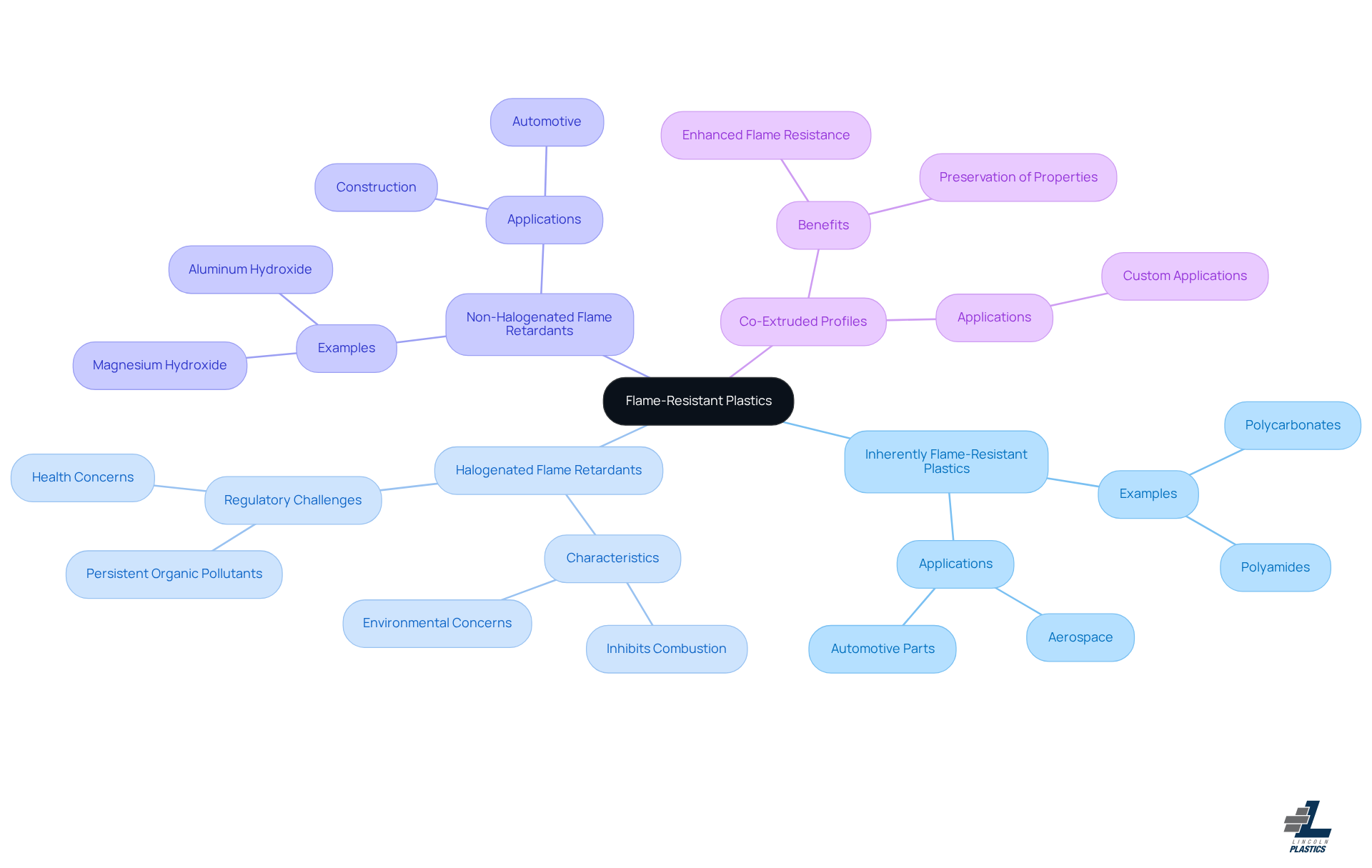
Navigating the landscape of flame resistant plastic materials is crucial for manufacturers aiming to ensure safety and compliance in their products. Flame resistant plastic materials are classified based on their intrinsic characteristics and the methods they employ to prevent ignition and flame spread. The primary classifications include:
- Inherently Flame-Resistant Plastics: Materials such as certain polycarbonates and polyamides exhibit flame-resistant properties without the need for additives. Flame resistant plastic is especially appropriate for uses where security is essential, such as in aerospace and automotive parts.
- Halogenated Flame Retardants: These plastics incorporate halogen compounds that effectively inhibit combustion. While they are known for their effectiveness, concerns regarding their environmental impact and toxicity have led to increased scrutiny and regulatory challenges. For instance, certain halogenated flame retardants have been identified as persistent organic pollutants, raising health concerns that may hinder their market growth. As highlighted by industry specialists, "The flame retardant sector is dedicated to ongoing enhancement, innovating to address today’s protection requirements while constructing tomorrow’s circular economy."
- Non-Halogenated Flame Retardants: Gaining traction due to their lower environmental impact, these alternatives include materials like magnesium hydroxide and aluminum hydroxide. They are effective in various applications, including construction and automotive, where adherence to strict fire protection regulations is essential.
- Co-Extruded Profiles: This method combines different materials into a single profile, enhancing flame resistance while preserving other desirable properties such as flexibility or strength. Co-extruded profiles are especially advantageous in custom applications, enabling manufacturers to satisfy specific performance criteria without jeopardizing security.
Manufacturers need to understand these classifications to effectively select flame resistant plastic as the right material for their products. Failure to comply with these regulations can result in significant financial penalties and reputational damage. The flame-resistant polymer market is set to grow significantly, projected to reach approximately $60,130 million by 2031, driven by increasing safety regulations and demand from sectors like electronics, which is projected to maintain a 38.17% market share by 2026, and automotive.
Evaluate Supplier Reliability and Quality Assurance Practices
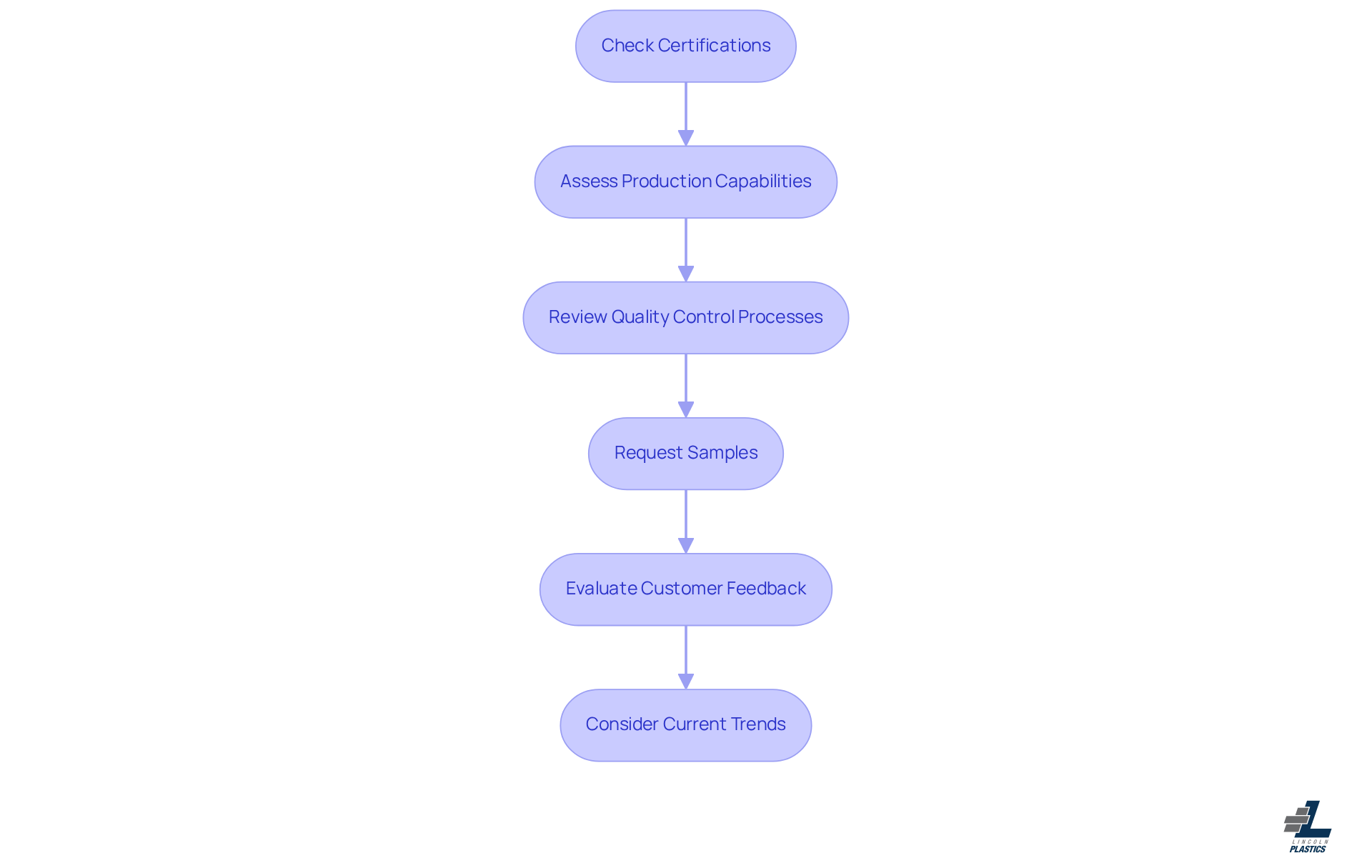
Sourcing flame resistant plastic requires a meticulous approach to vendor assessment, as the stakes are high when it comes to reliability and quality assurance. Here are key steps to consider:
- Check Certifications: Verify that providers possess relevant certifications, such as ISO 9001, which signifies adherence to rigorous quality management standards. This certification is vital for ensuring consistent production quality.
- Assess Production Capabilities: Evaluate the provider's production capacity and technological capabilities. Suppliers equipped with advanced extrusion technology are better positioned to produce high-quality flame resistant plastic materials tailored to specific requirements.
- Review Quality Control Processes: Inquire about the vendor's quality control measures. Lincoln Plastics employs robust quality assurance practices. This includes special checks for 'fit and function' and various check gauges to ensure proper end-use fit. Their dedication to quality is further illustrated through a dedicated quality book for each profile, which includes essential in-process checks and run documentation, ensuring adherence to OEM specifications.
- Request Samples: How well does the material perform for your specific applications? Requesting samples is the best way to find out.
- Evaluate Customer Feedback: Seek testimonials or case studies from other customers. Positive feedback about a vendor's reliability and product quality can significantly enhance confidence in your sourcing decision.
- Consider Current Trends: Be aware of trends in provider reliability, such as the shift towards just-in-case strategies that emphasize building strategic buffers for high-risk components. This approach can help reduce risks related to vendor reliability issues.
By prioritizing these assessment steps, you not only safeguard your production quality but also enhance your operational efficiency in the long run.
Ensure Compliance with Industry Standards and Safety Regulations
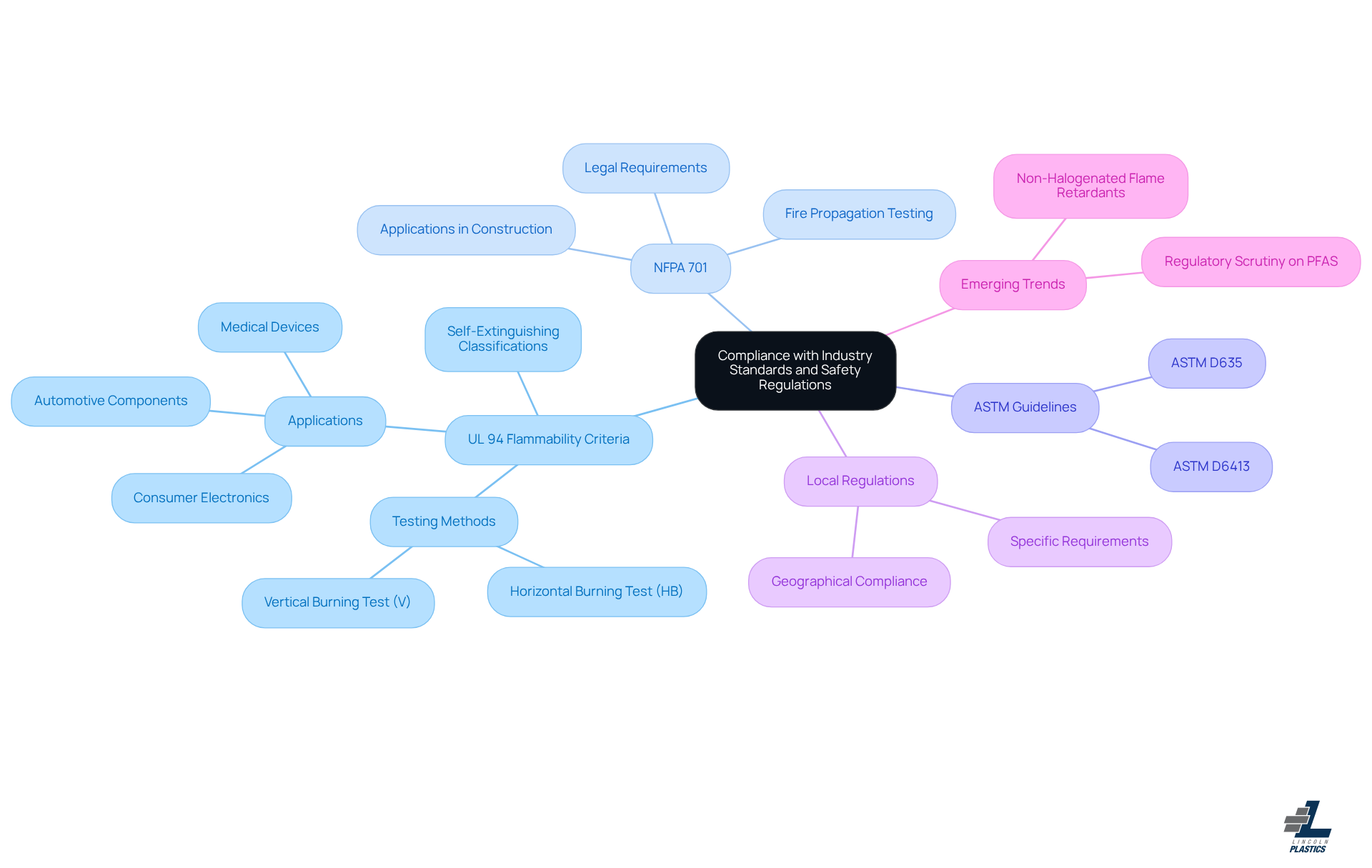
Navigating the complexities of flame resistant plastic requires strict adherence to industry standards and safety regulations. Key standards to consider include:
- UL 94 Flammability Criteria: This guideline evaluates the flammability of plastic materials, categorizing products based on their ability to self-extinguish after exposure to a flame. Understanding these classifications is crucial for manufacturers to select materials, such as flame resistant plastic, that meet regulatory standards, particularly in controlled sectors.
- NFPA 701: This guideline outlines testing methods for the flammability of textiles and films, making it essential for applications where flame propagation poses a risk, such as in construction and public spaces. Compliance with NFPA 701 is often legally required, ensuring occupant safety and protecting property from fire hazards. Failure to comply with these regulations can lead to costly legal issues and significant project setbacks.
- Various ASTM guidelines, including ASTM D635, apply to materials such as flame resistant plastic. Understanding these guidelines helps manufacturers ensure their products meet safety standards for various applications.
- Local Regulations: Depending on the application and geographical location, additional local regulations may apply. Manufacturers must stay informed about specific requirements that could impact their products and ensure compliance to avoid legal repercussions.
- Emerging Trends: There is a growing interest in non-halogenated flame retardants that provide similar performance to traditional flame retardants but with a reduced environmental footprint. Additionally, regulatory scrutiny surrounding PFAS in flame-retardant additives is increasing, prompting manufacturers to explore safer alternatives.
By following these guidelines, manufacturers not only ensure compliance but also enhance product safety and reliability. Ultimately, compliance with these standards is not just about meeting regulations; it’s about safeguarding lives and property from fire hazards.
Negotiate Contracts and Manage Supplier Relationships Effectively
Mastering negotiation and vendor relationship management is essential for securing the best terms in flame resistant plastic. Here are some best practices:
- Prepare Thoroughly: Before entering negotiations, gather data on market prices, vendor performance, and your own requirements. When you prepare thoroughly, you’ll feel more confident advocating for your needs. According to a Deloitte-cited McKinsey report, procurement teams utilizing AI-driven decision-making tools can accelerate vendor selection processes by 30%.
- Establish Clear Objectives: Define what you want to achieve from the negotiation, including pricing, delivery schedules, and quality standards. Having clear objectives keeps you focused during negotiations. As Christopher Voss states, understanding objections is key to uncovering unmet needs or misconceptions during negotiations.
- Build Collaborative Relationships: Treat providers as partners rather than adversaries. Open communication and collaboration can lead to better outcomes for both parties, fostering a long-term relationship that benefits your business. A case study on Kodiak Hub emphasizes how effective vendor management can improve procurement processes and strengthen partnerships.
- Monitor Performance: After establishing a contract, regularly evaluate vendor performance against agreed-upon metrics. This monitoring aids in recognizing areas for enhancement and guarantees that providers fulfill their obligations. Notably, 56% of Procurement Teams utilize technology to track Supplier Performance, while 44% do not have any solutions in place, indicating a significant opportunity for improvement.
- Be Flexible: While it’s important to have clear objectives, what happens when you refuse to adapt during negotiations? Flexibility can lead to creative solutions that satisfy both parties and strengthen the relationship. This adaptability can open doors to innovative solutions that benefit both parties.
By implementing these strategies, manufacturers can negotiate effectively and manage supplier relationships that contribute to the success of their sourcing efforts. Embracing these strategies not only enhances your negotiation skills but also fortifies your supplier relationships for long-term success.

Conclusion
Sourcing flame resistant plastics is a complex challenge that manufacturers must navigate to ensure safety and compliance. Understanding the classifications of flame resistant plastics is crucial. Evaluating supplier reliability and ensuring adherence to industry standards are also key. Mastering negotiation strategies rounds out an effective sourcing approach. Each of these elements is vital for selecting the right materials that not only meet regulatory requirements but also enhance product performance and safety.
Key insights discussed include:
- The importance of distinguishing between inherently flame-resistant plastics and those that utilize halogenated or non-halogenated flame retardants.
- Evaluating supplier capabilities and ensuring compliance with standards such as UL 94 and NFPA 701 are integral to successful sourcing.
By focusing on these best practices, manufacturers can reduce risks tied to vendor reliability and ensure their products meet the highest safety standards.
Ultimately, pursuing excellence in sourcing flame resistant plastics goes beyond mere compliance; it safeguards lives and fosters innovation. Embracing these strategies empowers manufacturers to make informed decisions that enhance operational efficiency and contribute to a safer environment. As the market for flame resistant plastics continues to grow, staying ahead of trends and regulations will be key to maintaining a competitive edge in this critical industry.
Frequently Asked Questions
What are flame-resistant plastics?
Flame-resistant plastics are materials designed to prevent ignition and flame spread, ensuring safety and compliance in various applications.
What are the primary classifications of flame-resistant plastics?
The primary classifications include inherently flame-resistant plastics, halogenated flame retardants, non-halogenated flame retardants, and co-extruded profiles.
What are inherently flame-resistant plastics?
Inherently flame-resistant plastics, such as certain polycarbonates and polyamides, exhibit flame-resistant properties without the need for additives and are suitable for applications where safety is critical, like aerospace and automotive parts.
What are halogenated flame retardants, and what concerns are associated with them?
Halogenated flame retardants incorporate halogen compounds that inhibit combustion but have raised environmental and health concerns due to their classification as persistent organic pollutants, leading to regulatory challenges.
What are non-halogenated flame retardants, and why are they gaining popularity?
Non-halogenated flame retardants, such as magnesium hydroxide and aluminum hydroxide, are gaining traction due to their lower environmental impact and effectiveness in applications requiring strict fire protection regulations.
What are co-extruded profiles in the context of flame-resistant plastics?
Co-extruded profiles combine different materials into a single profile to enhance flame resistance while maintaining properties like flexibility and strength, making them suitable for custom applications.
Why is it important for manufacturers to understand flame-resistant plastic classifications?
Understanding these classifications helps manufacturers select the appropriate flame-resistant plastic for their products, ensuring compliance with regulations and avoiding financial penalties and reputational damage.
What is the projected growth of the flame-resistant polymer market?
The flame-resistant polymer market is projected to grow significantly, reaching approximately $60,130 million by 2031, driven by increasing safety regulations and demand from sectors like electronics and automotive.
List of Sources
- Understand Flame-Resistant Plastics: Properties and Classifications
- futuremarketinsights.com (https://futuremarketinsights.com/reports/fire-retardant-plastic-market-share-analysis)
- intelmarketresearch.com (https://intelmarketresearch.com/flame-resistant-plastic-market-9608)
- fortunebusinessinsights.com (https://fortunebusinessinsights.com/flame-retardant-resins-market-106873)
- americanchemistry.com (https://americanchemistry.com/chemistry-in-america/news-trends/blog-post/2026/turning-a-challenge-into-a-circular-opportunity-how-new-pyrolysis-research-advances-safe-sustainable-recycling-of-brominated-flame-retarded-plastics)
- plastics-technology.com (https://plastics-technology.com/articles/flame-retardant-compounds-safety-and-compliance-trends-in-2025)
- Evaluate Supplier Reliability and Quality Assurance Practices
- plasticsindustry.org (https://plasticsindustry.org/newsroom/plastics-economic-analysis-what-rising-labor-costs-mean-for-plastics-manufacturers-in-2026)
- wifitalents.com (https://wifitalents.com/plastics-manufacturing-industry-statistics)
- nbplastics.com (https://nbplastics.com/resources/navigating-the-new-baseline-why-resilience-is-the-2026-manufacturing-currency)
- ISO 9001 Certification Figures (https://accendoreliability.com/iso-9001-certification-figures)
- Ensure Compliance with Industry Standards and Safety Regulations
- techmerpm.com (https://techmerpm.com/understanding-ul-94-flammability-standards)
- americover.com (https://americover.com/blog/industry-standards-for-fire-retardant-plastic?srsltid=AfmBOork0OlqOecWds6_0iZnh5r46p62W2Ov2ivkXqK-MbbtB4MEjKlg)
- padnprotect.com (https://padnprotect.com/blogs/blogs/padnprotect-poly-sheeting-nfpa-701-compliance?srsltid=AfmBOopU01TvZPVvHIX6CwelkilKgaYujjitGYd0Oep__iqrQDHInw8Q)
- protolabs.com (https://protolabs.com/resources/blog/flame-retardant-thermoplastics-and-ul-classifications)
- Negotiate Contracts and Manage Supplier Relationships Effectively
- procurementtactics.com (https://procurementtactics.com/negotiation-quotes)
- nowplastics.com (https://nowplastics.com/news)
- kodiakhub.com (https://kodiakhub.com/blog/top-10-stats-supplier-relationship-management-software-market)
- 5 negotiation tactics manufacturers need to win in 2026 (https://fastmarkets.com/insights/5-negotiation-tactics-manufacturers-need-to-win-in-2026)
- Negotiation Statistics 2026 — 60 Key Figures (https://procurementtactics.com/negotiation-statistics)


