
4 Best Practices for Plastic Extrusion Molding Success
Introduction
In the realm of custom plastic extrusion, precision and expertise are paramount for transforming raw materials into superior products. Let’s explore four best practices that can boost production efficiency and product quality:
- Manufacturers often struggle with maintaining quality amidst rising production demands.
- Implementing effective strategies can lead to improved efficiency and product quality.
Understand the Plastic Extrusion Molding Process
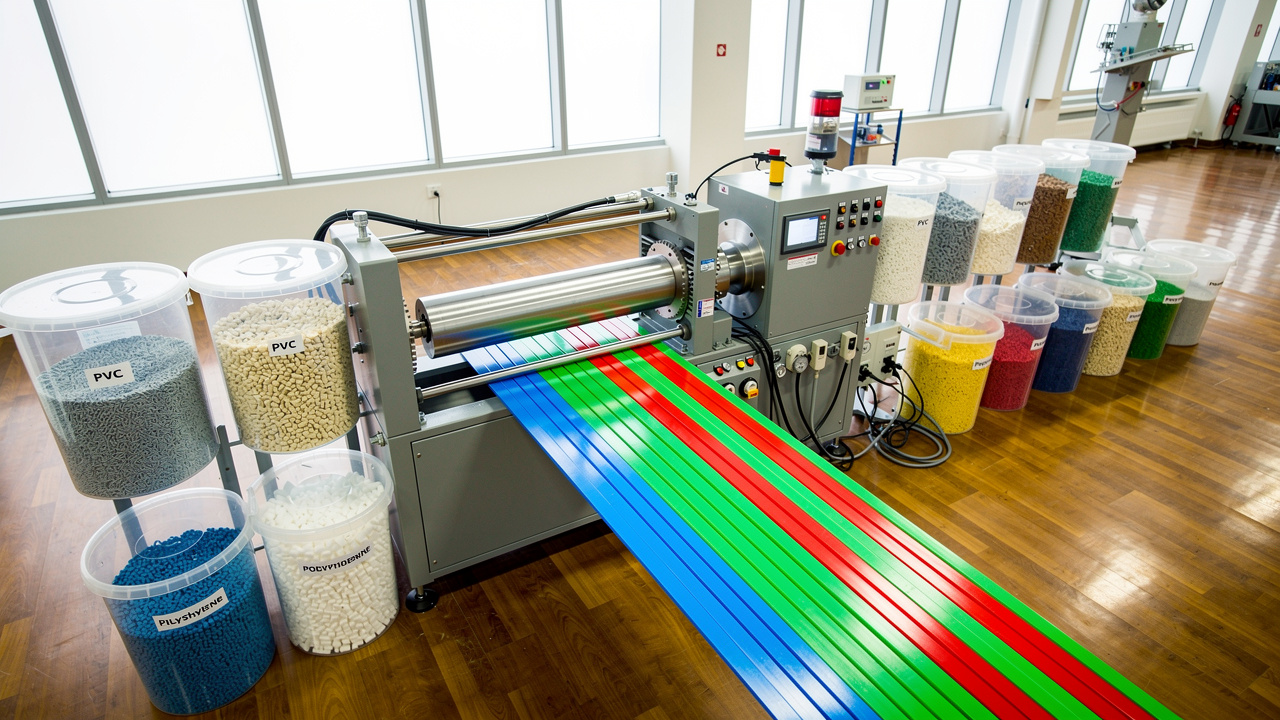
Transforming raw materials into high-quality products is not just a process; it's an art that requires precision and expertise. Plastic extrusion molding is a sophisticated manufacturing technique that transforms raw material into continuous profiles by melting and forcing it through a die. The process starts with synthetic materials, usually in pellet or granule form. These are fed into an extruder, where they are subjected to heat, melting them and ensuring a uniform consistency through thorough mixing. Once adequately melted, the plastic is extruded through a die that shapes it into the desired profile, such as pipes, tubes, or custom configurations. After passing through the die, the extruded material is cooled and solidified, often utilizing a water bath or air cooling system.
How can we help you optimize your order sizes and boost production efficiency? At Lincoln Plastics, we collaborate with our customers to find the best solutions. Our capabilities include the ability to stripe, cap stock, and run multiple layered pipe, ensuring that we meet diverse customer needs while maintaining high-quality standards. We are proud to be ISO 9001:2015 certified, which highlights our commitment to rigorous management plans and dedicated assessments throughout our processes. Recent advancements in synthetic material shaping technology have significantly enhanced production efficiency and product quality. For instance, the introduction of in-line thickness gauges provides real-time data, allowing manufacturers to maintain target specifications and reduce material waste. Furthermore, there is an increasing recognition of the ecological advantages of synthetic material shaping machines compared to other production tools, which is fueling the popularity of shaping processes as they correspond with sustainability movements in manufacturing.
Without a deep understanding of the plastic extrusion molding process, manufacturers risk falling behind in production efficiency and quality. Techniques such as post-extrusion manipulations using dies, rollers, and shoes enable further customization while the polymer is still hot, enhancing the versatility of the process. As the demand for synthetic components continues to rise, particularly in sectors like agriculture and construction, mastering these techniques will be crucial for manufacturers aiming to stay competitive. Located in Lincoln, Nebraska, Lincoln Plastics provides expert advice on custom pipe and tube design. We also assist with material selection and vendor-managed inventory solutions, ensuring that our clients receive customized support that fulfills their specific needs. By choosing Lincoln Plastics, you're not just selecting a supplier; you're partnering with a leader committed to your success in a competitive market. For tailored solutions, we invite you to contact Lincoln Plastics today.

Select Appropriate Materials for Extrusion Molding
Choosing the right materials is not just important; it's essential for achieving the best performance in your products. At Lincoln Plastics, we specialize in plastic extrusion molding to produce both standard and custom round plastic profiles in a variety of colors, diameters, and lengths. Frequently utilized substances include PVC, polyethylene, and polypropylene, each with unique benefits.
- PVC is recognized for its rigidity and excellent chemical resistance, making it ideal for applications such as piping and electrical conduits.
- In contrast, polyethylene offers flexibility and durability, making it suitable for products that require impact resistance.
- Polypropylene, known for its strength and heat resistance, is also a viable option for various applications.
Selecting the right substances means considering mechanical properties, thermal stability, and how well they fit your application. For instance, PVC's versatility allows it to withstand harsh environmental conditions, while polyethylene's flexibility enhances its usability in diverse settings. Additionally, Lincoln Plastics provides plastic extrusion molding capabilities, enabling the creation of multi-color or multi-material profiles tailored to your specific needs.
Have you thought about how the right material choice can elevate your product's performance? Working with resin suppliers can offer valuable insights into the latest trends and best practices in material selection, ensuring that the selected materials meet specific operational requirements and improve overall performance.
We at Lincoln Plastics follow strict management plans, including our ISO 9001:2015 certification, ensuring that our products meet the highest standards of excellence and performance. Our group is dedicated to excellence and customer collaboration, making us a dependable option for your material shaping requirements. Don't leave your product's success to chance; partner with us to ensure you have the best materials for your needs.

Implement Quality Control Measures for Consistent Output
To achieve unparalleled quality in plastic extrusion molding, robust control measures are essential. This includes monitoring key parameters such as temperature, pressure, and material flow throughout the plastic extrusion molding process. Using statistical process control (SPC) techniques, manufacturers can gain valuable insights into process variations. This helps maintain high-quality standards.
Regular inspections of extruded products are crucial. How can these inspections enhance quality? They help identify defects early, ensuring superior dimensional accuracy and surface finish. Additionally, Lincoln Plastics creates a robust assurance system that guarantees consistent product standards, waste reduction, regulatory compliance, customer satisfaction, and process efficiency. Our ISO 9001:2015 certification underscores our commitment to rigorous management plans, including dedicated manuals and in-process checks tailored for OEM applications.
Extensive training for operators on assurance practices can further improve product reliability and customer satisfaction. Furthermore, evaluating raw synthetic materials for purity and compatibility is an essential initial phase in assurance that should not be neglected. Without stringent control measures, manufacturers risk compromising product quality. By implementing these measures, Lincoln Plastics not only minimizes defects but also strengthens its market position in the competitive landscape of polymer shaping.

Optimize Production Efficiency with Advanced Techniques
In the competitive landscape of plastic extrusion molding, leveraging advanced techniques is essential for success. Manufacturers can significantly enhance production efficiency by adopting several cutting-edge methods.
- Plastic extrusion molding automation in the extrusion line minimizes manual errors and boosts throughput, leading to more consistent product quality.
- Furthermore, integrating AI and machine learning allows for real-time data analysis and automatic adjustments, optimizing production processes even further.
- Enhancing die and extruder designs improves substance flow and reduces energy usage, which is crucial for economical operations.
Techniques like plastic extrusion molding enable the simultaneous processing of multiple materials, which enhances product properties while minimizing waste. Additionally, the use of digital twins allows engineers to model the entire extrusion line for optimization without disrupting production. Keeping equipment well-maintained is crucial to avoid downtime and keep operations running smoothly.
However, manufacturers often hesitate to adopt advanced technologies due to the significant initial investment and the ongoing need for skilled personnel. By continuously evaluating and refining production processes, manufacturers can achieve higher efficiency and lower operational costs. By embracing these innovations, manufacturers not only enhance efficiency but also position themselves as leaders in a rapidly evolving industry.

Conclusion
In the competitive landscape of manufacturing, mastering plastic extrusion molding is not just beneficial; it's essential for success. This article highlights the importance of understanding the extrusion process. Selecting the right materials, implementing strict quality control, and optimizing production with advanced techniques are all crucial for success in this competitive field.
Key points discussed include the critical role of material selection - where PVC, polyethylene, and polypropylene each serve unique functions - and the necessity of robust quality control to ensure consistent output. Furthermore, adopting advanced techniques such as automation and AI integration can significantly enhance production efficiency. By embracing these innovations, manufacturers can not only improve their processes but also gain a competitive edge in an evolving market.
By adopting these best practices, you can achieve superior product quality and operational efficiency, positioning your company as a leader in the industry. For those looking to elevate their plastic extrusion molding processes, partnering with experts like Lincoln Plastics can provide tailored solutions, ensuring that every aspect of production meets the highest standards of excellence. Reach out to Lincoln Plastics today to explore how customized support can drive your success in this dynamic landscape.
Frequently Asked Questions
What is the plastic extrusion molding process?
The plastic extrusion molding process is a manufacturing technique that transforms raw materials, typically in pellet or granule form, into continuous profiles by melting and forcing them through a die. This process involves heating the materials in an extruder, mixing them for uniform consistency, and then shaping them into desired profiles such as pipes or tubes.
How does the extrusion process ensure product quality?
The extrusion process ensures product quality through the use of advanced techniques such as in-line thickness gauges, which provide real-time data to maintain target specifications and reduce material waste. Additionally, Lincoln Plastics adheres to rigorous quality management plans and is ISO 9001:2015 certified, emphasizing their commitment to high-quality standards.
What are the cooling methods used after extrusion?
After the extrusion process, the material is cooled and solidified using methods such as water baths or air cooling systems.
How does Lincoln Plastics support customers in the extrusion process?
Lincoln Plastics collaborates with customers to optimize order sizes and boost production efficiency. They offer capabilities such as striping, cap stock, and running multiple layered pipes to meet diverse customer needs while ensuring high-quality standards.
Why is understanding the plastic extrusion molding process important for manufacturers?
Understanding the plastic extrusion molding process is crucial for manufacturers to enhance production efficiency and product quality. Techniques like post-extrusion manipulations allow for further customization while the polymer is still hot, which is essential for staying competitive in the market.
What industries benefit from plastic extrusion molding?
Industries such as agriculture and construction benefit significantly from plastic extrusion molding, as the demand for synthetic components in these sectors continues to rise.
What customized solutions does Lincoln Plastics offer?
Lincoln Plastics provides expert advice on custom pipe and tube design, material selection, and vendor-managed inventory solutions, ensuring that clients receive tailored support to fulfill their specific needs.
Where is Lincoln Plastics located, and how does this impact their service?
Lincoln Plastics is located in Lincoln, Nebraska, which allows for quick order turnaround and efficient logistics, including less-than-truckload shipping and international delivery.
How can customers contact Lincoln Plastics for tailored solutions?
Customers interested in tailored solutions or quotes can contact Lincoln Plastics directly to discuss their specific needs and explore the options available.
List of Sources
- Understand the Plastic Extrusion Molding Process
- Plastics Extrusion: 4 Critical Statistics to Track for Increased Quality & Plant Profit (https://gaugeadvisor.com/2025/05/26/plastics-extrusion-4-critical-statistics-to-track-for-increased-quality-plant-profit)
- What is the future of plastic extrusion? | CBM Plastics (https://cbmplasticsusa.com/what-is-the-future-of-plastic-extrusion)
- Interplas Insights | Latest Plastics Extrusion Machinery News (https://interplasinsights.com/plastics-machinery/plastics-extrusion-machinery-news)
- Plastic Extrusion News and Press Releases | Bausano (https://bausano.com/en/press-and-news?q=NEWS)
- Select Appropriate Materials for Extrusion Molding
- Plastics Extrusion: 4 Critical Statistics to Track for Increased Quality & Plant Profit (https://gaugeadvisor.com/2025/05/26/plastics-extrusion-4-critical-statistics-to-track-for-increased-quality-plant-profit)
- 5 Best Practices for High-Quality Extrusion Molding Solutions (https://lincoln-plastics.com/news-post/5-best-practices-for-high-quality-extrusion-molding-solutions)
- Choosing Materials for Plastic Extrusion - PET (https://plasticextrusiontech.net/choosing-the-right-materials-for-plastic-extrusion)
- 6 Types of Plastic Extrusion Materials Explained (https://jairajgroup.com/blog/types-plastic-extrusion-materials-explained)
- Implement Quality Control Measures for Consistent Output
- The Importance of Quality Control in Plastic Extrusion Manufacturing - Craftedplastics (https://craftedplastics.com/blog/the-importance-of-quality-control-in-plastic-extrusion-manufacturing)
- Shaping the Future: Innovations in Plastic Extrusion Techniques - SeaGate Plastics Company (https://seagateplastics.com/shaping-the-future-innovations-in-plastic-extrusion-techniques)
- 5 Best Practices for High-Quality Extrusion Molding Solutions (https://lincoln-plastics.com/news-post/5-best-practices-for-high-quality-extrusion-molding-solutions)
- Quality Control in Plastic Extrusion for Consistent Results | Rocal (https://rocalextrusions.co.uk/news/quality-control-in-plastic-extrusion-to-ensure-consistent-results)
- Optimize Production Efficiency with Advanced Techniques
- Next-Gen Plastic Extrusion Driving Efficiency & Sustainability (https://plastics-technology.com/articles/next-gen-plastic-extrusion-innovations-powering-efficiency)
- Expert Methods for Increasing Efficiency in Plastic Manufacturing Processes - Heavy Gauge Thermoforming and Extrusion - Allied Plastics (https://alliedplastics.com/blog/expert-methods-for-increasing-efficiency-in-plastic-manufacturing-processes)
- Interplas Insights | Latest Plastics Extrusion Machinery News (https://interplasinsights.com/plastics-machinery/plastics-extrusion-machinery-news)
- North America Plastic Extrusion Measurement and Control Technology Market, 2034 Report (https://gminsights.com/industry-analysis/north-america-plastic-extrusion-measurement-and-control-technology-market)
- Shaping the Future: Innovations in Plastic Extrusion Techniques - SeaGate Plastics Company (https://seagateplastics.com/shaping-the-future-innovations-in-plastic-extrusion-techniques)
Related posts

Right-Sized Production Runs: Flexibility Without the Waste
Lincoln Plastics offers right-sized production runs with a 10-hour minimum — balancing efficiency with flexibility so OEMs avoid oversized orders.


Co-Extrusion: Combining Two Materials for Better Performance
Lincoln Plastics offers co-extrusion, combining two plastics into a single profile for greater design freedom, performance, and cost savings.
Beyond Extrusion: Value-Added Services That Simplify Production
Beyond Extrusion: Value-Added Services That Simplify Production
