
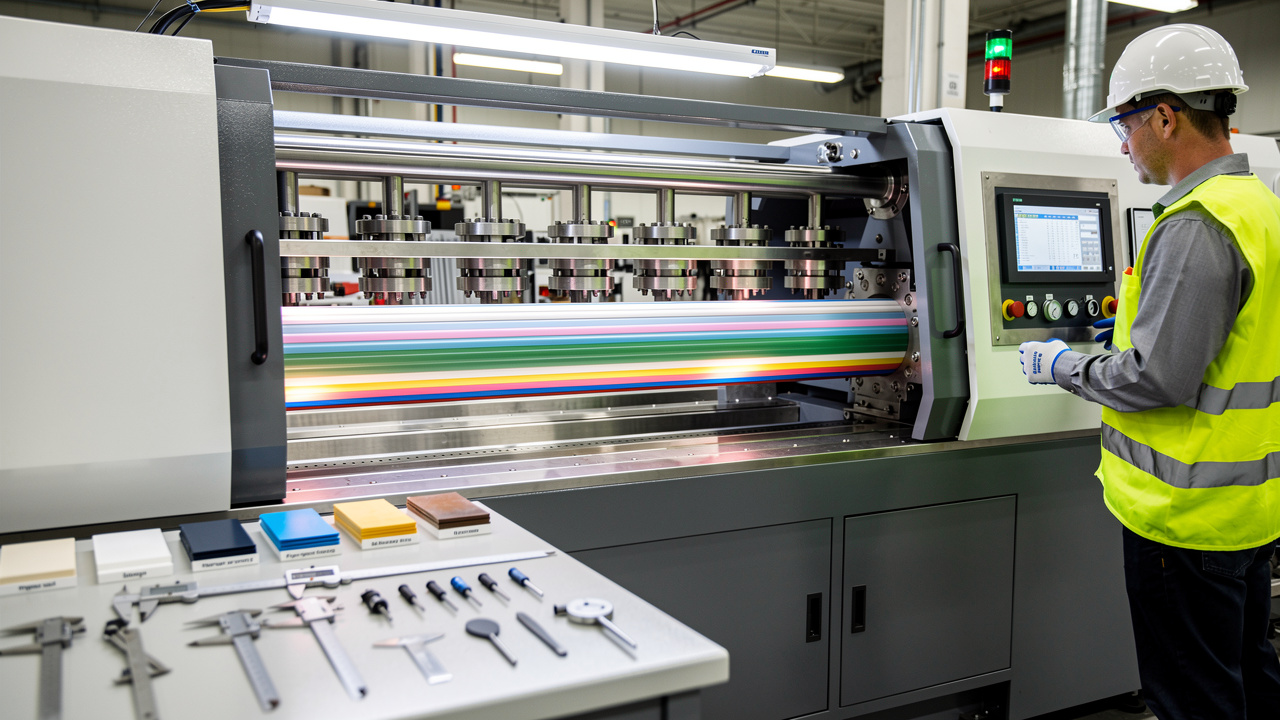
4 Best Practices for Effective Plastic Extrusion Tooling Selection
Introduction
The right tooling for plastic extrusion is crucial for manufacturing success, impacting everything from efficiency to product quality. Manufacturers grapple with complexities like material compatibility and supplier reliability, which can lead to costly mistakes and inefficiencies. This article outlines four best practices that streamline tooling selection, boost production efficiency, and enhance product quality. By adopting these strategies, manufacturers can achieve operational excellence. Are you ready to transform your approach to plastic extrusion tooling and stay competitive in a rapidly evolving market?
Evaluate Material Compatibility and Tooling Specifications
Selecting the right plastic extrusion tooling for plastic shaping is essential for operational success. Assessing the compatibility of materials with equipment specifications is crucial. Various thermoplastics, including PVC, polyethylene, and polypropylene, have distinct thermal and mechanical characteristics that influence their behavior during shaping. For instance, materials with high melting points may require specialized steels that can withstand elevated temperatures without deforming.
It’s also crucial to understand the viscosity and flow characteristics of your chosen material. This knowledge aids in selecting the appropriate plastic extrusion tooling and die design, as well as the equipment arrangement, ensuring that the material flows seamlessly during the shaping operation. If you choose the wrong equipment, you risk costly production delays and defects. For example, a manufacturer using PVC for pipe extrusion must ensure that the plastic extrusion tooling, such as the die and calibration tooling, accommodates the specific flow characteristics of PVC to avoid issues like sagging or uneven wall thickness.
At Lincoln Plastics, we work hand-in-hand with OEMs to ensure their products meet all standards, including special checks for ‘fit and function.’ Our robust management program, certified to ISO 9001:2015, includes dedicated plans and in-process checks, ensuring that your rigid profiles are exactly what you specified for critical dimensions. Integrating feedback from material suppliers can also enhance the selection process, as they provide insights into best practices based on material properties. By prioritizing material compatibility, you can safeguard your production process and enhance overall efficiency.

Prioritize Supplier Reliability and Quality Assurance
Finding a reliable tooling provider is not just important; it’s essential for maintaining high production standards and timely delivery. Choosing a dependable provider for tooling guarantees consistent standards and prompt delivery of parts. Assessing potential suppliers should include a comprehensive evaluation of their assurance track record, production capabilities, and responsiveness to customer needs. Suppliers following established standards, such as ISO 9001, demonstrate a commitment to maintaining high-standard processes, which is crucial in the competitive environment of plastic extrusion tooling.
Have you considered how clear communication with your suppliers can enhance collaboration and streamline problem-solving? Regular audits and performance reviews can help identify potential issues early, allowing for proactive measures. For instance, suppliers that consistently meet delivery deadlines and uphold quality standards significantly reduce the risk of production delays and defects in the final product.
Additionally, consider suppliers that offer extensive support services. Maintenance and repair of equipment can significantly prolong tool lifespan and enhance production efficiency. By prioritizing supplier reliability, manufacturers can ensure that their production processes operate smoothly and efficiently, ultimately leading to higher-quality products. In an industry where every detail matters, overlooking supplier reliability can jeopardize your entire operation.

Analyze Cost Implications of Tooling Options
Investing in the right plastic extrusion tooling is not just a choice; it's a strategic decision that can significantly impact your bottom line. High-quality equipment might cost more upfront, but it can save you significantly in the long run by cutting maintenance costs and boosting production efficiency. For instance, durable manufacturing materials can greatly reduce wear and tear, leading to fewer replacements and less downtime.
You need to consider the total cost of ownership, which includes not just the initial purchase price but also ongoing maintenance, operational expenses, and potential production losses from equipment failures. Conducting a thorough cost-benefit analysis allows manufacturers to pinpoint the most economical equipment solutions that align with their production goals.
Moreover, exploring customization options for plastic extrusion tooling can optimize the extrusion process for specific applications. While custom equipment may require a larger initial investment, it can enhance product quality and reduce waste, ultimately leading to lower overall costs. By meticulously evaluating the cost implications of various equipment options, manufacturers can make informed decisions that bolster their operational efficiency and profitability. Ultimately, the right equipment choice can be the difference between operational success and costly setbacks.

Foster Collaboration with Extrusion Manufacturers
Successful plastic extrusion tooling hinges on the strength of partnerships with extrusion manufacturers. Establishing strong collaborations fosters open communication, allowing for the exchange of ideas and feedback that can lead to improved tooling designs and production practices.
Bringing manufacturers into the conversation early on helps spot challenges and find ways to optimize production. For instance, involving Lincoln Plastics during the design phase can provide valuable insights on manufacturability, preventing costly revisions down the line. Lincoln Plastics also offers value-added services like co-extrusion for multi-color profiles and laser etching, enhancing both product functionality and aesthetics.
A collaborative environment sparks innovation, as manufacturers like Lincoln Plastics can share their expertise and suggest alternative approaches that may boost product performance or cut costs. Regular meetings and updates keep everyone aligned, ensuring that all parties are working toward common goals. By prioritizing collaboration, Lincoln Plastics can refine their shaping processes, leading to higher-quality products and improved operational efficiency.
Lincoln Plastics' commitment to quality is highlighted by their ISO 9001:2015 certification and rigorous quality management plans, which include dedicated quality books and in-process checks. Case studies illustrate the benefits of early collaboration. For example, projects that involved Lincoln Plastics' manufacturing specialists from the outset saw significant reductions in redesign cycles and enhanced scalability for long-term initiatives. This proactive approach not only mitigates risks but also boosts the overall success of the plastic extrusion tooling initiative. Additionally, avoiding common pitfalls, such as late supplier involvement or neglecting manufacturability feedback, can further ensure a smooth procurement process.

Conclusion
Selecting the right tooling for plastic extrusion is not just important; it’s essential for manufacturing success. Focusing on material compatibility, supplier reliability, and cost implications is crucial. Collaborating with extrusion manufacturers can significantly enhance production processes and lead to superior product quality.
Key insights from this discussion emphasize the importance of evaluating material properties to ensure that tooling specifications align with the chosen materials. Additionally, prioritizing reliable suppliers who adhere to rigorous quality standards, such as ISO 9001:2015, can significantly mitigate risks associated with production delays and defects. Furthermore, understanding the total cost of ownership and exploring customization options can lead to more informed decisions that optimize operational efficiency.
In the end, selecting effective plastic extrusion tooling isn’t just about making smart choices; it’s about forging strong partnerships and working together. Engaging with experts like Lincoln Plastics can provide invaluable insights and support, ensuring that manufacturers not only meet their production goals but also enhance their competitive edge in the market. Choosing to partner with Lincoln Plastics could be the difference between stagnation and market leadership in plastic extrusion.
Frequently Asked Questions
Why is selecting the right plastic extrusion tooling important?
Selecting the right plastic extrusion tooling is essential for operational success as it ensures that materials are shaped correctly, preventing costly production delays and defects.
What factors should be considered when evaluating material compatibility?
Factors to consider include the thermal and mechanical characteristics of the materials, such as melting points, viscosity, and flow characteristics, which influence their behavior during shaping.
How do different thermoplastics affect tooling specifications?
Different thermoplastics, like PVC, polyethylene, and polypropylene, have distinct properties that may require specialized tooling materials and designs to accommodate their specific flow characteristics during the extrusion process.
What risks are associated with using the wrong equipment for plastic extrusion?
Using the wrong equipment can lead to production delays and defects, such as sagging or uneven wall thickness, particularly if the tooling does not match the material's flow characteristics.
How does Lincoln Plastics ensure product quality during the extrusion process?
Lincoln Plastics collaborates closely with OEMs to meet all standards, utilizing a robust management program certified to ISO 9001:2015, which includes dedicated quality plans and in-process checks to ensure precise dimensions.
What role do material suppliers play in the selection process?
Material suppliers provide valuable insights and best practices based on material properties, which can enhance the selection process for compatible materials and tooling.
How can prioritizing material compatibility benefit production efficiency?
By prioritizing material compatibility, manufacturers can safeguard their production processes, reduce the likelihood of defects, and enhance overall efficiency in the shaping operation.
List of Sources
- Evaluate Material Compatibility and Tooling Specifications
- Plastics Extrusion: 4 Critical Statistics to Track for Increased Quality & Plant Profit (https://gaugeadvisor.com/plastics-extrusion-4-critical-statistics-to-track-for-increased-quality-plant-profit)
- Revolutionising Plastic Extrusion: The Role of Chemical Recycling - Condale Plastics (https://condaleplastics.com/company-news/revolutionising-plastic-extrusion-the-role-of-chemical-recycling)
- Shaping the Future: Innovations in Plastic Extrusion Techniques - SeaGate Plastics Company (https://seagateplastics.com/shaping-the-future-innovations-in-plastic-extrusion-techniques)
- Custom Plastic Extrusion Design: Flexibility, Innovations & Future (https://lakelandplastics.com/design-flexibility-in-custom-plastic-extru)
- Optimize Your Use of Plastic Extrusion Dies for Better Efficiency (https://lincoln-plastics.com/news-post/optimize-your-use-of-plastic-extrusion-dies-for-better-efficiency)
- Prioritize Supplier Reliability and Quality Assurance
- 5 Steps to Evaluate Reliable Extrusion Suppliers for Your Needs (https://lincoln-plastics.com/news-post/5-steps-to-evaluate-reliable-extrusion-suppliers-for-your-needs)
- Gear Solutions staff (https://gearsolutions.com/news/west-ohio-tool-earns-iso-9001-certification-for-tool-making-operations)
- Plastics Extrusion Market Research Report 2034 (https://dataintelo.com/report/plastics-extrusion-market)
- Compliance (https://medicalextrusion.com/compliance)
- Analyze Cost Implications of Tooling Options
- Why Investing in Custom Extrusion Yields Long-Term Savings (https://inplexllc.com/blog/why-investing-in-custom-extrusion-yields-long-term-savings)
- Plastic Extrusion FAQ | Custom Plastic Profile Extrusions (https://sfrindustries.com/faqs.phtml)
- Cost Savings in Custom Plastic Extrusion: How It Compares to Alternative Methods | Crafted Plastics Inc (https://craftedplastics.com/blog/cost-savings-in-custom-plastic-extrusion-how-it-compares-to-alternative-methods)
- Plastic Extrusion Cost Estimating: Inputs, Drivers & Methods (https://dfma.com/resources/plastic-extrusion-cost.asp)
- Plastics Manufacturing Faces Rising Labor Costs (https://plasticstoday.com/industry-trends/rising-labor-costs-in-2026-challenges-for-plastics-manufacturers)
- Foster Collaboration with Extrusion Manufacturers
- Engineer Education Series #9: How Engineers Collaborate with Extrusion Manufacturers (https://lincoln-plastics.com/news-post/engineer-education-series-extrusion-collaboration)
- 4 Best Practices for Collaborating with Extrusion Manufacturing Companies (https://lincoln-plastics.com/news-post/4-best-practices-for-collaborating-with-extrusion-manufacturing-companies?dcc2137a_page=2)
- Design for Manufacturability: Tips for Streamlining Extrusion (https://inplexllc.com/blog/design-for-manufacturability-tips-for-streamlining-extrusion-projects-early)
- Engineering Collaboration in Plastic Extrusion Supplier Selection (https://custom-profile.com/blog/engineering-collaboration-in-plastic-extrusion)
- Taber Extrusions News Archives - Taber Extrusions (https://taberextrusions.com/category/taber-news)
Related posts

Discover essential strategies on how to improve quality in manufacturing effectively.


Discover the top 10 benefits of plastic angles for enhancing manufacturing efficiency and safety.
Optimize your manufacturing process with coextrusion for efficiency, quality, and design flexibility.
