
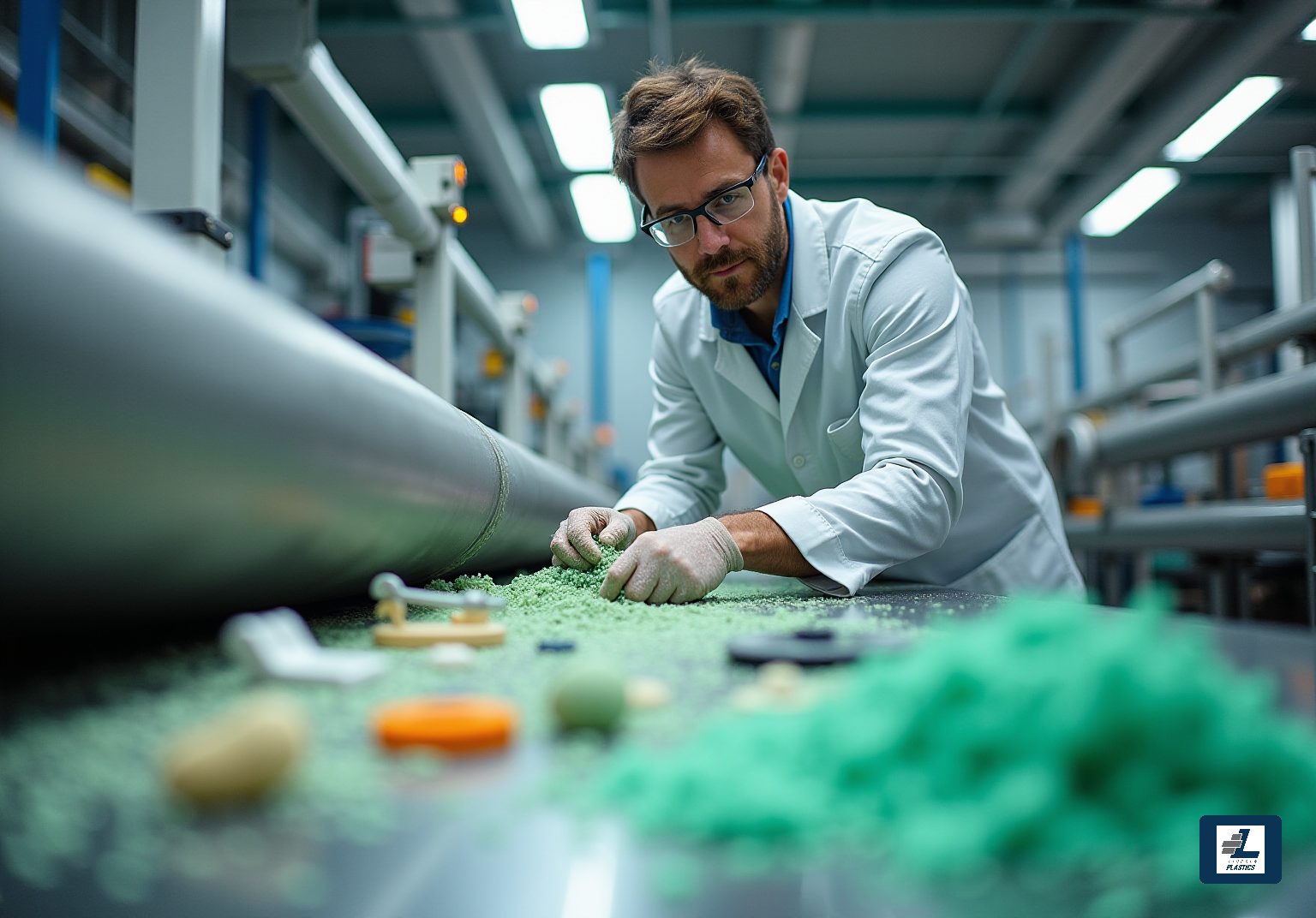
10 Innovative Bio Plastic Solutions for Sustainable Manufacturing
Introduction
The urgency for sustainable practices is more pressing than ever, right? Bioplastics are stepping into the spotlight as innovative solutions for manufacturing. As industries look to shrink their environmental footprint, biodegradable materials are popping up as promising alternatives to traditional plastics. This shift not only opens doors for new opportunities but also has the potential for a significant ecological impact.
But here’s the kicker: with so many options emerging, how can businesses navigate this evolving landscape? It’s a bit of a maze out there! The challenge lies in leveraging the potential of bioplastics to meet both regulatory demands and what consumers are looking for. So, let’s dive into this together and explore how we can make the most of these exciting developments!
Lincoln Plastics: Custom Extrusion Solutions for Bioplastics
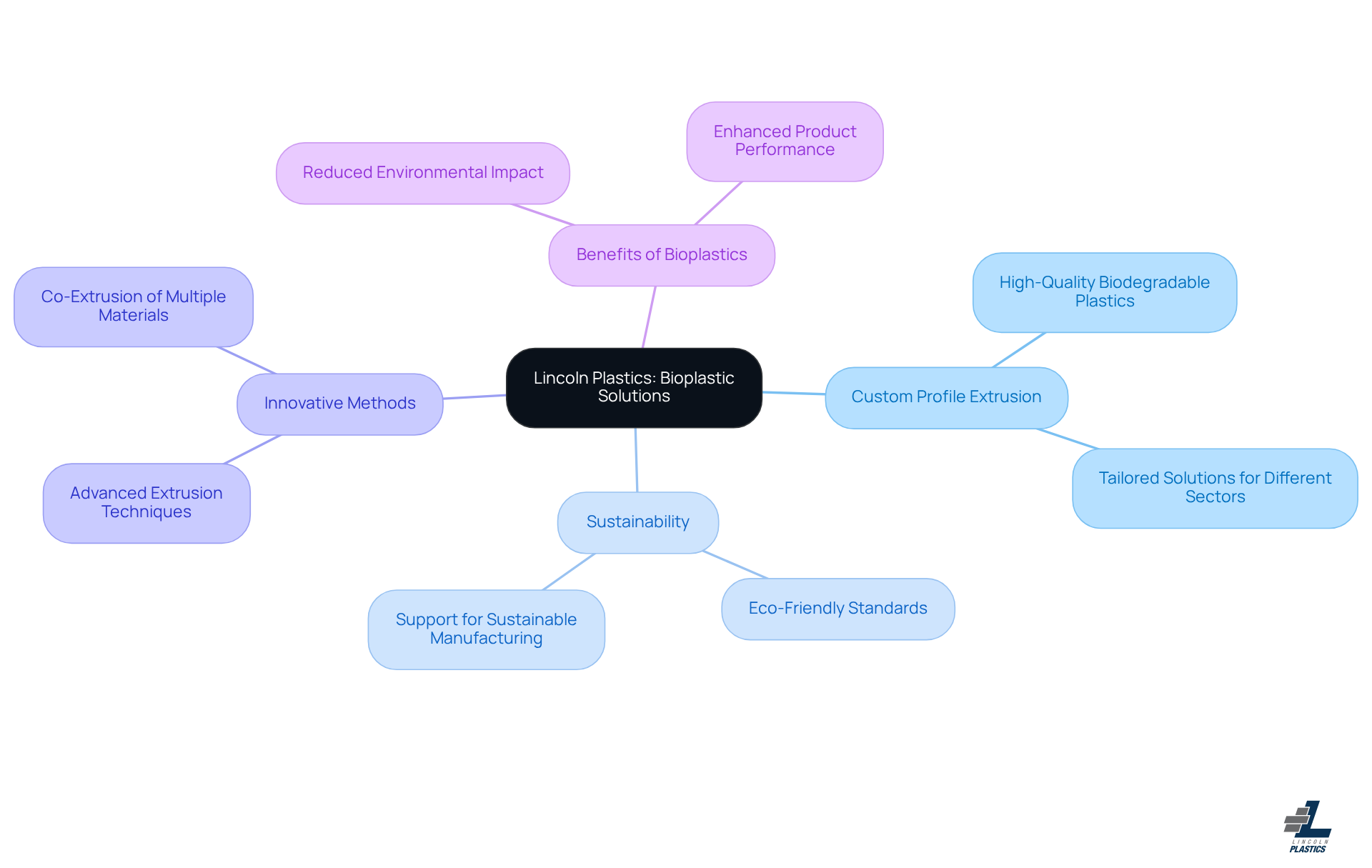
You know, many industries today are grappling with the challenge of sustainability. That’s where Lincoln Plastics comes in! They really shine in custom extrusion solutions, offering products that are specifically tailored to meet the unique needs of different sectors.
By using advanced extrusion methods, Lincoln Plastics crafts high-quality bioplastics that are not just functional but also eco-friendly. Imagine being able to use products that help the planet while still getting the job done! Plus, their innovative approach allows them to reduce waste, which means they can create solutions that boost performance and reduce environmental impact.
As a leader in the industry, Lincoln Plastics is committed to innovation to support the shift to sustainable manufacturing. They want to help clients achieve their operational goals while sticking to eco-friendly standards. And you might be wondering, why is this important? Well, industry leaders are emphasizing the need to integrate bioplastics into manufacturing processes, and Lincoln Plastics is right there at the forefront, reinforcing the role of bioplastics in building a more responsible future.
So, if you’re looking to make a positive change in your operations, why not consider bioplastics? It’s a step towards sustainability that can really make a difference!
Shrilk: Degradable Bioplastic from Shrimp Shells and Silk Protein
Have you ever thought about the impact of plastic on our environment? Well, let me introduce you to Shrilk - a game-changing bioplastic made from shrimp shells and silk protein. It combines the tough properties of chitin with the stretchy nature of silk fibroin. What’s cool about Shrilk is that it’s completely biodegradable! When you compost it, it breaks down into harmless carbohydrates and proteins, making it a fantastic alternative to traditional plastics.
Now, Shrilk isn’t just eco-friendly; it’s versatile too! You can find it in packaging and medical devices, where it really helps reduce environmental harm. Plus, it’s as strong as aluminum alloys, which means it could be a great option for lightweight automotive parts. As more industries look for greener solutions, Shrilk is stepping up as a major player in providing sustainable materials.
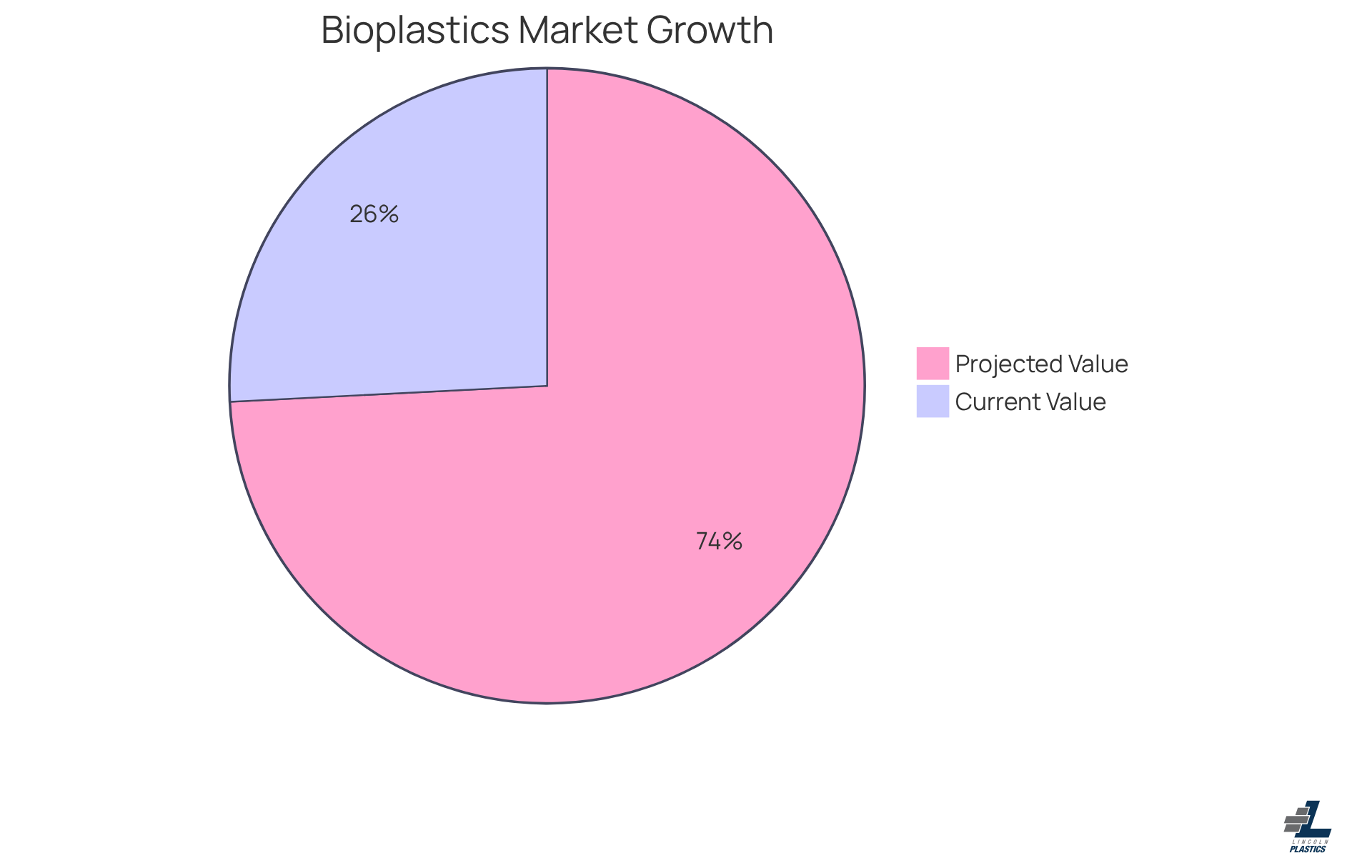
Did you know the bioplastics market was valued at around USD 15.57 billion in 2024? It’s projected to grow at a whopping 19.5% annually from 2025 to 2030! This shows just how much people are craving sustainable options. Researchers point out that using materials like Shrilk contributes to efforts that tackle plastic waste while also meeting the rising consumer demand for responsible products.
Companies are catching on too! Many are turning to Shrilk for packaging solutions, particularly within the food and beverage industry. They see its potential to keep products fresh while cutting down on their environmental impact. However, there are some challenges with shrimp production that might affect how readily available Shrilk is in the market.
But here’s the exciting part: the applications for Shrilk biopolymer are on the rise! Its unique features and the urgent need for alternatives to traditional materials are driving this growth. So, what do you think? Could Shrilk be the answer to our plastic problem?

Circe: Transforming Greenhouse Gases into Bioplastics
Have you ever thought about the impact of plastic waste on our planet? It’s a big issue, right? Well, the Circe project is stepping up to tackle this challenge by using engineered microbes to turn greenhouse gases, like carbon dioxide, into bioplastics. This innovative approach not only helps reduce plastic waste but also supports the implementation of strategies that lower CO2 levels in the atmosphere.
By transforming waste gases into valuable materials, Circe is paving the way for a more sustainable process. It’s exciting to see how this technology is making waves in the bioplastics sector, demonstrating the potential of bioplastics and circular economy practices.
So, what does this mean for us? It’s a step forward in the fight against climate change, and it’s a reminder that we can all contribute to a healthier planet. Let’s keep the conversation going and explore how we can support such initiatives!

Bioplastics: A Solution to Plastic Pollution Challenges
Have you ever thought about the mess synthetic materials are making in our world? Bioplastics might be the answer we need! Unlike traditional plastics, many are designed to break down, which means they leave a much smaller environmental footprint. By swapping out petroleum-based materials for bioplastics made from renewable resources, industries can really cut down on the harmful effects of waste on our ecosystems.
Now, let’s talk about why this shift is so important. Not only does it tackle pollution, but it also encourages sustainable practices. This makes bioplastics a key player in the future of manufacturing. In fact, the global market for bioplastics is expected to hit around $6.9 billion by 2025! That’s a clear sign that more people are recognizing their ecological benefits.
Different industries, like packaging, agriculture, and consumer products, are jumping on the biodegradable bandwagon. Why? Well, they’re feeling the pressure from regulations and hearing the call from consumers who want eco-friendly options. Environmental advocates are excited about this shift, too, as they believe that moving to bioplastics can significantly reduce plastic waste. And guess what? That’s great news for both wildlife and human health!
As the urgency to deal with waste from synthetic materials grows, bioplastics are emerging as a crucial part of creating a greener future. So, what do you think? Isn’t it time we all start considering these eco-friendly options?
Sustainable Manufacturing: The Rise of Bioplastics
You know, the buzz around bioplastics is really picking up, and it’s all thanks to our growing demand for sustainable products and the push from regulations to cut down on plastic waste. Manufacturers are jumping on board, using bioplastics and other sustainable materials to boost their green credentials and meet the expectations of consumers who care about the planet. This shift not only helps companies stay compliant with the rules but also positions them as trailblazers in adopting bioplastics for a sustainable future.
Now, let’s talk numbers. The bioplastics market was valued at a whopping USD 15.57 billion in 2024, and it’s projected to grow significantly. That’s a compound annual growth rate (CAGR) of 19.5%, with some forecasts even suggesting a CAGR of 21%! It’s pretty clear that the adoption of bioplastics is making waves across various industries, from packaging to automotive and consumer products, all in response to the rising need for eco-friendly solutions.
And here’s something to think about: bioplastics are more sustainable than their non-biodegradable counterparts. As technology continues to advance, we can expect the integration of bioplastics into manufacturing processes to accelerate, reinforcing their role in sustainable development. So, what do you think? Isn’t it exciting to see how these innovations can help us tackle environmental challenges?
Reducing Fossil Fuel Dependence with Bioplastics
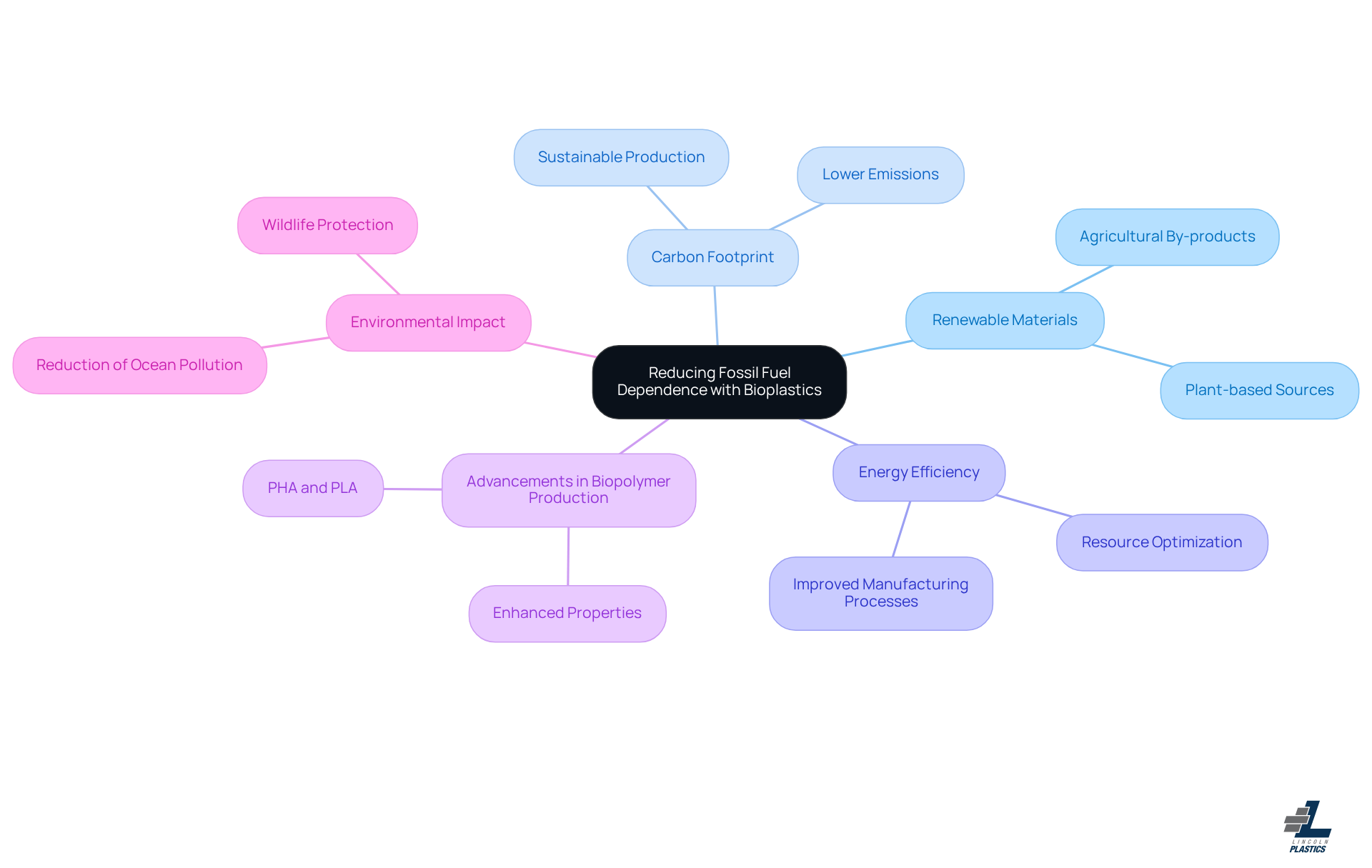
Bioplastics are pretty cool, right? They come from renewable materials like plants, and they’re key to sustainable manufacturing. By using agricultural by-products and other renewable resources, we can create these materials with a much smaller carbon footprint than traditional plastics. Just think about it: the world churns out over 400 million tons of synthetic materials every year, with at least 11 million tons ending up in our oceans. That’s a big wake-up call for us to find alternatives such as bioplastics.
Now, why does this matter? Transitioning to bioplastics not only helps us save our precious fossil resources but also boosts innovation in how we make things. As more industries jump on the sustainability bandwagon, utilizing bioplastics becomes a must for achieving sustainability goals and cutting down greenhouse gas emissions.
You might be wondering about the performance of these bioplastics. Well, recent studies, especially with materials like PHA and PLA, show that they can match or even outshine traditional synthetics. This makes them a fantastic choice for companies looking to make a difference.
And let’s not forget what Sir David Attenborough says: sustainability is crucial for the health of our oceans and ecosystems. So, making the switch to alternative plastics isn’t just a good idea-it’s essential for our planet's future!
Innovations in Bioplastic Technology: Shaping the Future
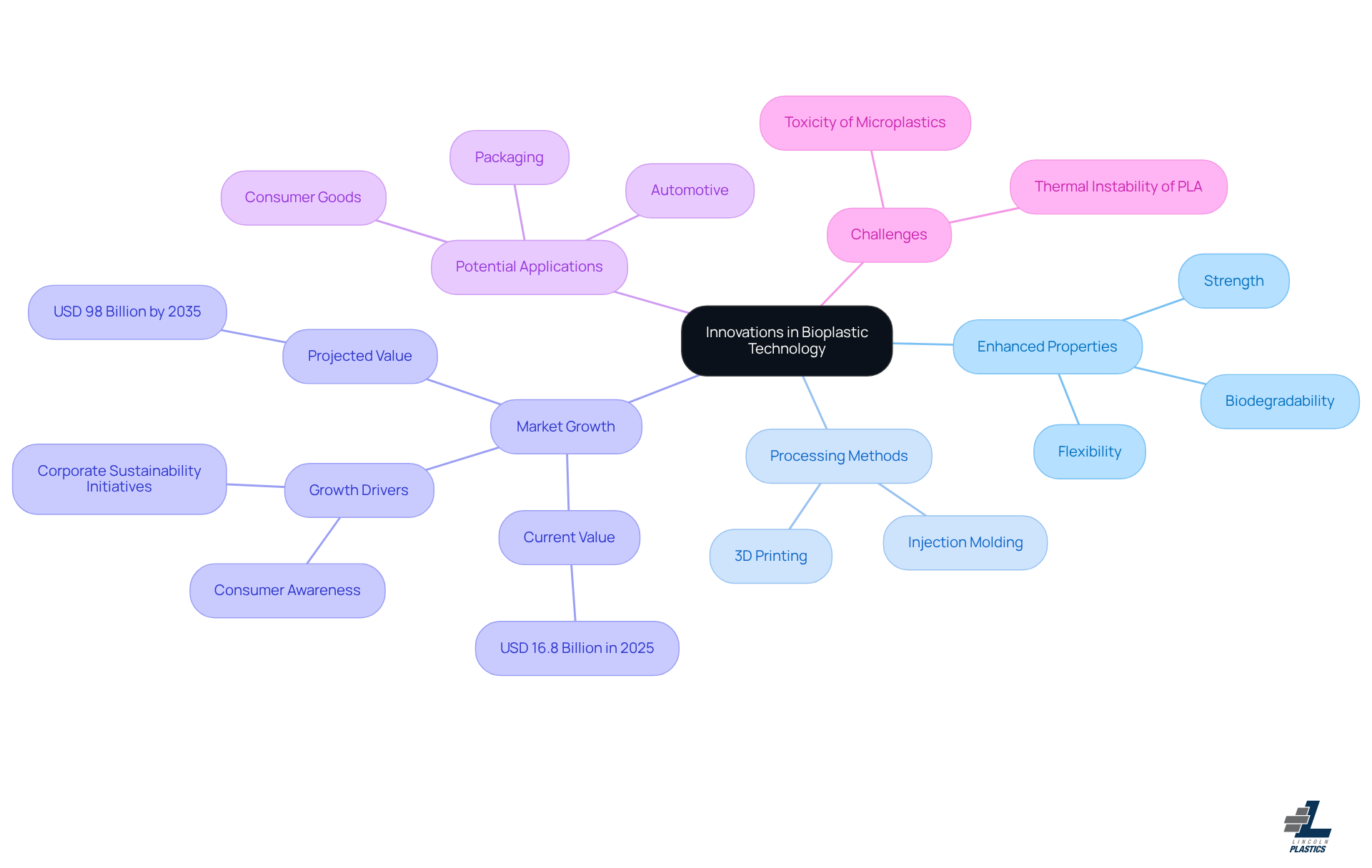
Have you noticed how bioplastics are making waves lately? Recent innovations in bioplastic technology have resulted in some pretty exciting new materials. These materials come with enhanced properties like improved strength, flexibility, and biodegradability. Plus, advances in processing methods - think 3D printing and injection molding - are opening up new doors for applications across various sectors.
Now, here’s the kicker: these innovations not only boost the performance of bioplastics but also make them more accessible and affordable for manufacturers. Can you believe the market growth? It’s projected to skyrocket to USD 98 billion by 2035! This growth is fueled by rising consumer demand.
As research keeps evolving, the future of bioplastics looks bright. We’re talking about new applications and technologies. But hold on a second - experts are cautioning us. While bio-based plastics offer a sustainable option, we still need to tackle issues like the environmental impact and the possible toxicity of microplastics from these materials.
So, what’s the takeaway? The development of bioplastics is crucial for addressing environmental challenges while meeting the needs of modern manufacturing. Let’s keep the conversation going about how we can support these innovations!
Market Trends: Consumer Preferences for Bioplastics
You know, consumer preferences are really shifting these days, especially when it comes to bioplastics. With more folks becoming aware of environmental issues, it’s no surprise that recent surveys show a whopping 80% of consumers are ready to shell out a bit more for sustainable products. On average, that’s about a 9.7% premium! This shift in buying habits is prompting producers to step up their game and incorporate bioplastics into their products.
Now, here’s something interesting:
- 52% of consumers consider sustainability a top purchase criterion, and half of them list it among their top four criteria.
- That really highlights how important eco-conscious practices have become in today’s manufacturing landscape.
- About 31% of consumers are worried about inflation being a concern over the next year, which definitely plays a role in their purchasing decisions.
As companies increasingly embrace bioplastics, we can expect innovation in sustainable manufacturing. This growth will likely spark even more creativity and funding in bioplastics and other eco-friendly materials. And it doesn’t stop there—consumers are also looking at sustainability through the lens of production techniques (40%) and packaging (38%). This further pushes companies to enhance their sustainability initiatives and stay competitive in this fast-changing environment.

Regulatory Landscape: Impact on Bioplastics Industry
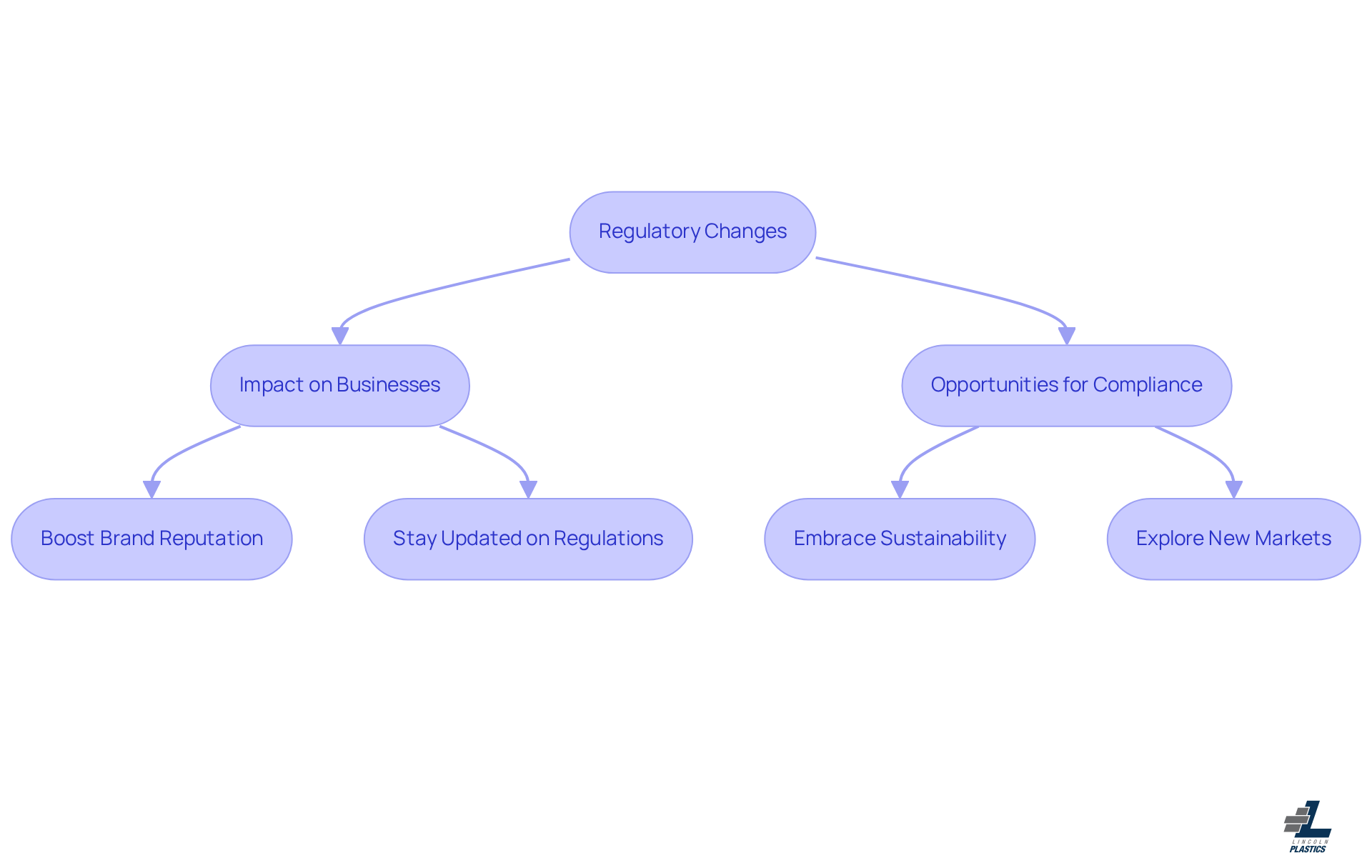
You know, the world of bioplastics is really shifting right now. Governments everywhere are stepping up, putting policies in place to promote sustainability. It’s a big deal! Organizations and advocate for bioplastics are shaking things up in the industry.
So, what does this mean for businesses? Well, staying compliant with these new rules not only boosts your brand’s reputation but also opens up new opportunities. It’s like a win-win! As the regulatory landscape keeps changing, it’s super important for companies focusing on bioplastics to stay on top of these updates.
Now, let’s talk about how you can navigate this evolving environment. Keeping an eye on these regulations can really set you apart in the market. Are you ready to embrace these changes and lead the way in sustainability?
Collaborative Efforts: Advancing Bioplastics Through Partnerships
Joint initiatives among industry players, including producers, researchers, and regulators, are essential for progressing with bioplastics. These partnerships allow for sharing knowledge, pooling resources, and launching joint research projects that spark innovation. For instance, when universities team up with companies, they often make significant advancements and breakthroughs.
Take the partnership between Emirates Biotech and the United Arab Emirates University, for example. They’re working together to boost the bioplastics industry through some really innovative applications and end-of-life solutions. As Professor Mohamed H. Al-Marzouqi points out, this collaboration is right on target with today’s sustainability goals and is crucial for meeting the rising demand for bioplastics as eco-friendly alternatives to traditional plastics.
Now, let’s talk numbers. The bioplastics market size is expected to skyrocket to USD 76.78 billion by 2035. This really highlights how urgent and relevant these partnerships are in driving innovation. So, what can we do? Let’s support these initiatives and keep the conversation going about sustainable practices!

Conclusion
You know, exploring innovative bioplastic solutions really shows how manufacturing is shifting towards sustainability. By using materials that are biodegradable and come from renewable resources, industries can cut down their environmental impact while also catering to the growing demand for eco-friendly products.
Take Lincoln Plastics and Shrilk, for example. They’re leading the way in showing how advanced bioplastic technologies can tackle plastic pollution and reduce our reliance on fossil fuels. The Circe project is a fantastic illustration of this potential, turning greenhouse gases into valuable biodegradable materials. It’s exciting to see the innovative spirit that’s driving this sector!
And let’s not forget about the rising consumer preferences for sustainable options and the supportive regulatory frameworks that are popping up. These trends point to a bright future for bioplastics across various industries.
As the bioplastics market keeps growing, it’s essential for both businesses and consumers to recognize how important it is to adopt these sustainable materials. By prioritizing bioplastics, industries can not only meet regulations but also play a part in a circular economy that benefits our planet and future generations. Embracing these innovations isn’t just a passing trend; it’s a crucial step toward a more sustainable and responsible manufacturing landscape.
Frequently Asked Questions
What is Lincoln Plastics known for?
Lincoln Plastics specializes in custom profile extrusion, offering biodegradable plastic solutions tailored to meet the unique needs of various industries.
How does Lincoln Plastics contribute to sustainability?
They create high-quality biodegradable plastics using advanced extrusion methods, promoting eco-friendly products that help reduce environmental impact while meeting operational goals.
What innovative techniques does Lincoln Plastics use?
They utilize co-extrusion techniques to combine multiple materials, allowing for unique product features that enhance performance and sustainability.
Why are bioplastics important in manufacturing?
Bioplastics support the shift towards sustainable manufacturing by integrating eco-friendly practices, which are increasingly emphasized by industry leaders.
What is Shrilk and what materials is it made from?
Shrilk is a biodegradable bioplastic made from shrimp shells and silk protein, combining the properties of chitin and silk fibroin.
What are some applications of Shrilk?
Shrilk is versatile and can be used in packaging and medical devices, as well as potentially in lightweight automotive parts due to its strength.
What is the projected growth of the global bioplastics market?
The global bioplastics market was valued at approximately USD 15.57 billion in 2024 and is projected to grow at an annual rate of 19.5% from 2025 to 2030.
How does Shrilk address environmental concerns?
Shrilk is completely biodegradable and breaks down into harmless carbohydrates and proteins, making it a responsible alternative to traditional plastics.
What challenges does Shrilk face in the market?
Challenges in shrimp production may affect the availability of Shrilk in the market, despite its potential for sustainable packaging solutions.
What is the Circe project focused on?
The Circe project uses engineered microbes to convert greenhouse gases, like carbon dioxide, into biodegradable materials, helping to reduce plastic waste and CO2 levels in the atmosphere.
How does the Circe project contribute to sustainability?
By transforming waste gases into valuable biodegradable materials, Circe promotes a more sustainable manufacturing process and supports circular economy practices.
What is the overall significance of bioplastics in addressing plastic waste?
Bioplastics, like those produced by Lincoln Plastics, Shrilk, and through initiatives like Circe, represent innovative solutions to tackle plastic waste while meeting the rising consumer demand for eco-friendly products.
List of Sources
- Lincoln Plastics: Custom Extrusion Solutions for Bioplastics
- mordorintelligence.com (https://mordorintelligence.com/industry-reports/bioplastics-market)
- earth.org (https://earth.org/plastic-pollution-quotes)
- openpr.com (https://openpr.com/news/4240915/united-states-bioplastics-market-2025-growth-drivers-trends)
- deliberatedirections.com (https://deliberatedirections.com/sustainability-quotes)
- thehonestconsumer.com (https://thehonestconsumer.com/blog/eco-living-quotes-for-plastic-free-july)
- Shrilk: Degradable Bioplastic from Shrimp Shells and Silk Protein
- grandviewresearch.com (https://grandviewresearch.com/industry-analysis/bioplastics-industry)
- straitsresearch.com (https://straitsresearch.com/report/shrilk-market)
- european-bioplastics.org (https://european-bioplastics.org/market)
- Bioplastics: A Solution to Plastic Pollution Challenges
- earth.org (https://earth.org/plastic-pollution-quotes)
- thrivingsustainably.com (https://thrivingsustainably.com/plastic-pollution-quotes)
- ibscdc.org (https://ibscdc.org/Case_Studies/Marketing/Marketing/Natureworks-Market Development for Bioplastics-Case Study.htm)
- global.noharm.org (https://global.noharm.org/focus/plastics/case_studies)
- Sustainable Manufacturing: The Rise of Bioplastics
- grandviewresearch.com (https://grandviewresearch.com/industry-analysis/bioplastics-industry)
- businesswire.com (https://businesswire.com/news/home/20250312749659/en/Bioplastics-Global-Overview-Report-2025-Global-Market-to-Reach-$44.3-Billion-by-2030-from-$14.1-Billion-in-2024---ResearchAndMarkets.com)
- bccresearch.com (https://bccresearch.com/pressroom/pls/global-bioplastics-market-accelerates-toward-56346-kilotons?srsltid=AfmBOorsz979hCckAuMfINgerAC8mACJRCXaueWXshIV7MHjhybx-W3y)
- marketsandmarkets.com (https://marketsandmarkets.com/PressReleases/biopolymers-bioplastics.asp)
- european-bioplastics.org (https://european-bioplastics.org/market)
- Reducing Fossil Fuel Dependence with Bioplastics
- thrivingsustainably.com (https://thrivingsustainably.com/plastic-pollution-quotes)
- made-with-regen.ca (https://made-with-regen.ca/blog/advantages-of-bioplastics)
- earth.org (https://earth.org/plastic-pollution-quotes)
- Innovations in Bioplastic Technology: Shaping the Future
- bayern-innovativ.de (https://bayern-innovativ.de/en/detail/vision-of-the-future-bioplastics-as-the-key-to-sustainability)
- packagingnews.co.uk (https://packagingnews.co.uk/supplier-network/wessex-packaging/case_studies/fact-industry-responsible-build-circular-economy-types-packaging)
- global.noharm.org (https://global.noharm.org/focus/plastics/case_studies)
- packaginginsights.com (https://packaginginsights.com/news/bioplastics-debate-greenwashing-regulation.html)
- futuremarketinsights.com (https://futuremarketinsights.com/reports/global-bio-plastics-market)
- Market Trends: Consumer Preferences for Bioplastics
- pwc.com (https://pwc.com/gx/en/news-room/press-releases/2024/pwc-2024-voice-of-consumer-survey.html)
- esgtoday.com (https://esgtoday.com/consumers-willing-to-pay-12-premium-for-sustainable-products-bain-survey)
- Report Finds Americans Willing to Pay More for Sustainable Products (https://pditechnologies.com/news/consumers-willing-pay-more-sustainability)
- nrf.com (https://nrf.com/blog/consumers-care-about-sustainability-will-they-pay-more)
- Regulatory Landscape: Impact on Bioplastics Industry
- plasticsindustry.org (https://plasticsindustry.org/blog/economic-impact-of-bioplastics)
- idtechex.com (https://idtechex.com/en/research-report/bioplastics-market-2025/1032)
- foodpackagingforum.org (https://foodpackagingforum.org/news/2025-regulatory-and-waste-management-updates-from-us-states)
- coating-converting.com (https://coating-converting.com/news/companies-markets/Companies-and-Markets-Global-bioplastics-production-capacity-continues-to-grow-31418)
- Collaborative Efforts: Advancing Bioplastics Through Partnerships
- databridgemarketresearch.com (https://databridgemarketresearch.com/reports/global-bio-plastics-market?srsltid=AfmBOoogCnFYRZXGum_4Q2oKLiw5RcOuuFMvBJCJfiSsobWXjK7ZQFWP)
- plasticsindustry.org (https://plasticsindustry.org/blog/economic-impact-of-bioplastics)
- grandviewresearch.com (https://grandviewresearch.com/sector-report/bioplastics-industry-data-book)
- researchnester.com (https://researchnester.com/reports/bioplastics-market/3923)
- cbs42.com (https://cbs42.com/business/press-releases/ein-presswire/824743344/emirates-biotech-partners-with-united-arab-emirates-university-to-advance-pla-technology)
Related posts

Why Custom Pipe Extrusion Matters More Than Ever
Standard pipe sizes don’t always work. Learn how Lincoln Plastics delivers custom diameters, wall thicknesses, and finishes in right-sized runs.


Reducing Trip Hazards with Custom Cord Management
Loose cords are more than messy — they’re a safety hazard. Lincoln Plastics’ custom cord covers and Flexiduct solutions improve safety and efficiency.
The Power of Custom Plastic Profiles for OEMs
Off-the-shelf profiles force compromises. Learn how Lincoln Plastics designs custom extruded profiles for OEMs with exact specs and right-sized runs.
