
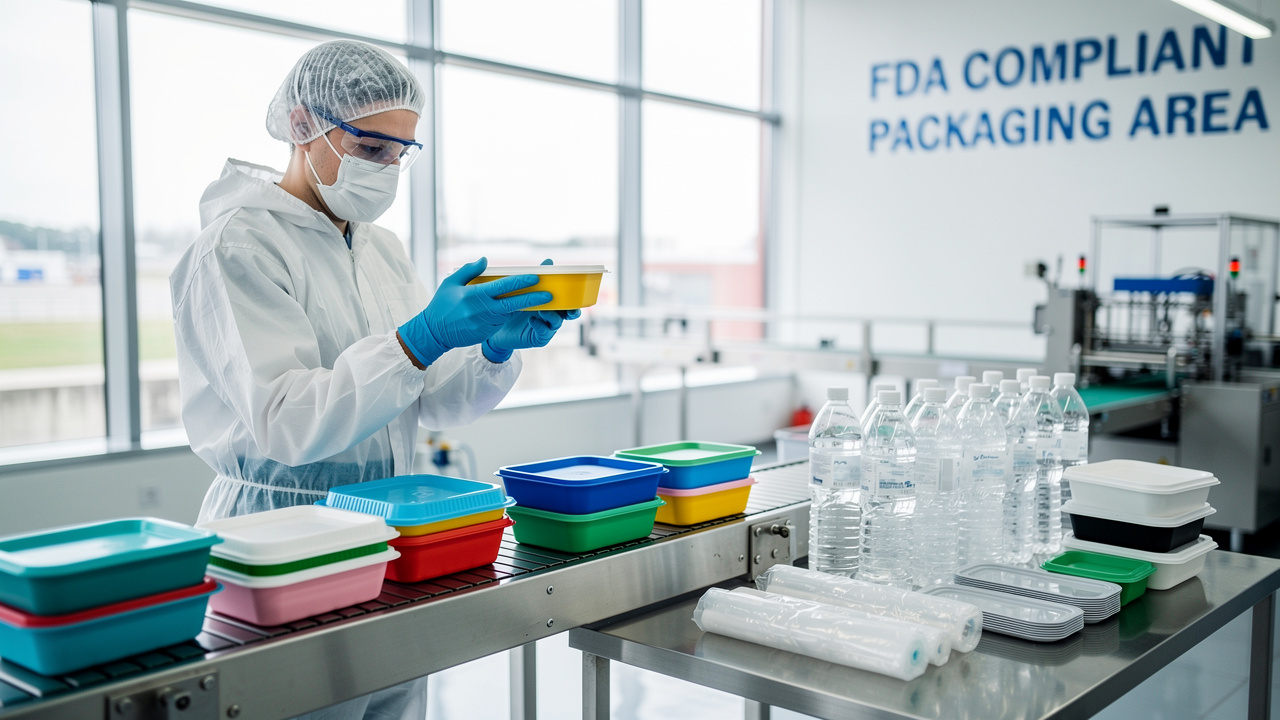
10 FDA Approved Polymers Essential for Safe Food Packaging
Introduction
In food packaging, selecting the right materials is not just a regulatory requirement; it's a matter of consumer safety and brand integrity. Lincoln Plastics stands at the forefront, offering a range of FDA-approved polymers that meet stringent safety standards while providing innovative solutions for the culinary industry. Manufacturers face increasing pressure to comply with evolving regulations while ensuring consumer safety. This adaptation is crucial for maintaining consumer trust and product integrity. This article will delve into ten key FDA-approved polymers essential for safe food packaging, showcasing their unique properties and their critical role in preserving food integrity.
Lincoln Plastics: Leading Provider of FDA Approved Polymers for Food Packaging
In the competitive world of packaging, safety and compliance are non-negotiable, and Lincoln Plastics is leading the way in delivering FDA-approved polymers. We uphold high standards of quality and compliance, ensuring that all substances, including polyethylene, ridged PVC, flexible PVC, and polypropylene, are suitable for direct contact with consumables. We excel in custom extrusion, crafting tailored solutions that meet the unique needs of our culinary clients, where safety and reliability are paramount.
Lincoln Plastics also provides flexible manufacturing solutions. We can co-extrude multiple colors and materials into our profiles, which enhances product versatility. With ISO 9001:2015 certification, we implement rigorous quality management plans, ensuring that every product meets the highest standards of excellence. This commitment to excellence and client collaboration establishes Lincoln Plastics as a reliable supplier in the culinary container industry.
Are you looking for customized solutions that meet your specific needs? Reach out to Lincoln Plastics today and discover how we can assist with your packaging requirements.
High-Density Polyethylene (HDPE): Versatile and Safe for Food Contact
When it comes to reliable materials, High-Density Polyethylene (HDPE) stands out for its unmatched strength and versatility. HDPE is one of the FDA approved polymers suitable for contact with consumables, making it perfect for applications like:
- Milk jugs
- Juice bottles
- Containers
Its recyclability enhances its appeal, allowing it to be reused in multiple applications without compromising safety. Choosing HDPE not only ensures quality but also supports a sustainable future through its recyclability.

Polypropylene (PP): A Durable Choice for Food Packaging Solutions
When it comes to safe and reliable food storage, polypropylene (PP) stands out as a top choice for manufacturers and consumers alike. This lightweight, durable plastic, which is made from FDA approved polymers, is approved for contact with edibles, making it a trusted option in the industry. Frequently utilized for container applications such as yogurt holders, deli boxes, and microwave-safe trays, PP offers a range of benefits that enhance its appeal.
With its impressive resistance to moisture and chemicals, along with the ability to withstand high temperatures, PP is the go-to material for containers that prioritize both safety and functionality. This combination of features ensures that products not only meet safety standards but also perform effectively in various environments. Choosing polypropylene ensures that your products meet safety standards while providing the durability needed for everyday use.

Polyethylene Terephthalate (PET): Recyclable and Safe for Food Use
In a world increasingly focused on sustainability, Polyethylene Terephthalate (PET) stands out as a leading choice for eco-conscious packaging solutions. This highly recyclable plastic, which is made from FDA-approved polymers, is safe for contact with consumables, making it a suitable option for various applications. Frequently utilized for drink bottles, food containers, and wrapping films, PET offers impressive clarity and strength.
With its impressive clarity and strength, PET is the go-to choice for containers that need to showcase their contents while standing up to everyday use. Furthermore, its recyclability aids sustainability initiatives, as recycled PET can be utilized to produce new materials. Choosing PET not only meets consumer demands for quality but also supports a healthier planet for future generations.

Polycarbonate (PC): Strong and Clear for Food Packaging Applications
Polycarbonate (PC) stands out as a premier choice for packaging, combining durability with safety standards provided by FDA-approved polymers. Its high impact resistance ensures longevity. Additionally, its clarity allows for easy visibility of contents, making it especially advantageous for storage containers and beverage bottles. The material's ability to withstand high temperatures and resist chemicals further enhances its usability, ensuring that items remain safe and fresh over extended periods.
In 2026, are you aware of the increasing regulations surrounding BPA that could impact your packaging choices? The demand for polycarbonate in culinary containers is anticipated to rise considerably, fueled by growing consumer preferences for sturdy and secure storage solutions. The food-grade polycarbonate segment is projected to expand at a compound annual growth rate (CAGR) of 5.1%. This shift towards safety and sustainability is reshaping the packaging landscape, making FDA approved polymers, including polycarbonate, a top choice for manufacturers, especially as regulatory actions against bisphenol A (BPA) push for BPA-free alternatives. The global polycarbonate market is expected to grow from USD 27.2 billion in 2025 to USD 47.3 billion by 2035.
Consider the case studies that showcase polycarbonate's successful application in various packaging scenarios for consumables. For instance, its use in beverage bottles has been praised for maintaining product integrity while providing a lightweight alternative to glass. Moreover, polycarbonate's impact resistance makes it ideal for storage containers that require frequent handling.
Specialist views highlight the reliability of polycarbonate for culinary contact uses, especially as producers focus on creating BPA-free formulations. This dedication to security aligns with increasing regulatory scrutiny and consumer demand for environmentally friendly materials. As consumer preferences evolve, embracing polycarbonate could be the key to staying ahead in the competitive packaging market.

Low-Density Polyethylene (LDPE): Flexible and Easy to Process for Food Packaging
Low-Density Polyethylene (LDPE) is a versatile plastic that utilizes FDA approved polymers for direct contact with consumables, making it a top choice for various packaging solutions. Its adaptability allows for a range of container applications, from wraps for edibles to shopping bags and squeeze bottles. The low-density structure of LDPE not only provides exceptional flexibility but also ensures moisture resistance, creating a reliable barrier against contaminants.
In 2024, the Asia-Pacific region is set to dominate the LDPE market, capturing a 47.2% share valued at around USD 20.9 billion. This growth reflects a rising consumer preference for packaged goods, driven by increasing demand in sectors such as agriculture and e-commerce.
Have you considered how the safety of your packaging materials impacts your products? Recent advancements in LDPE containers focus on enhancing sustainability and security. For instance, Borealis launched a recycled LLDPE grade containing 85% post-consumer recyclate, showcasing the industry's commitment to reducing environmental impact.
However, studies indicate that LDPE items may release more migrating contact chemicals (FCCs) than other plastics. In total, 211 FCCs have been identified to transition from LDPE containers, with 80 found in edible products. This highlights the importance of ensuring safety in materials, such as FDA approved polymers, that contact consumables.
As the global packaging market grows at a CAGR of 4.5%, the rising demand for flexible packaging underscores LDPE's pivotal role in meeting evolving consumer and regulatory expectations. As LDPE continues to evolve, its role in the packaging industry will be crucial in addressing both consumer needs and environmental challenges.

Acrylonitrile Butadiene Styrene (ABS): Impact Resistant for Food Packaging
When it comes to reliable plastic solutions, Acrylonitrile Butadiene Styrene (ABS) stands out as a top choice for manufacturers. This durable, impact-resistant plastic is made from FDA approved polymers and is suitable for contact applications involving consumables. Its robustness and ease of cleaning make it a preferred option for processing tools and containers. ABS also boasts exceptional resistance to heat and chemicals, enhancing its suitability for various culinary container applications while ensuring safety and durability.
At Lincoln Plastics, we focus on ensuring quality in our ABS products. We adhere to the rigorous standards of our ISO 9001:2015 certification. Our dedicated quality management program includes:
- Comprehensive quality plans
- In-process checks
- A quality book for each plastic profile
This ensures that our products meet the highest specifications for critical dimensions and compliance. We also implement special checks for ‘fit and function’ and utilize multiple types of check gauges to guarantee a proper end-use fit.
Have you considered the impact of material choice on your product's success? Our commitment to excellence shows in our partnerships with OEMs, where we deliver tailored solutions to meet their specific needs. Additionally, our strategic location in Lincoln, Nebraska, allows us to offer efficient logistics and quick order turnaround, further enhancing our service to OEMs. Choosing Lincoln Plastics means investing in quality and reliability that your products deserve.

Polyvinyl Chloride (PVC): Applications and Safety in Food Packaging
When it comes to safe and reliable food packaging, Polyvinyl Chloride (PVC) stands out as a top choice. This FDA-approved polymer is frequently utilized in culinary wrapping applications, such as cling films, wraps, and containers. Its durability and flexibility make PVC suitable for a variety of packaging needs. Plus, you can trust that FDA-approved polymers make it safe for your food products. Have you considered how PVC can enhance your culinary wrapping solutions? Choosing PVC not only meets your packaging needs but also ensures the safety of your consumables, giving you peace of mind.

Polystyrene (PS): Uses and FDA Approval for Food Packaging
Polystyrene (PS) stands out as a versatile plastic, made from FDA approved polymers for direct contact with food, making it a top choice for culinary applications. It's lightweight and can be molded into various shapes, which is ideal for containers. You can trust that its compliance with FDA regulations, along with the use of FDA approved polymers, makes it safe for culinary containers.
Recent market data shows that the global polystyrene market was valued at USD 36.47 billion in 2025. It's projected to grow to USD 61.9 billion by 2035, driven largely by the edible goods sector. In 2025, the product wrapping segment represented 40% of the polystyrene market, benefiting from PS's shock-absorbing properties that enhance product protection and integrity.
What advantages does polystyrene offer for your culinary needs? Trends for 2026 indicate a sustained increase in the use of polystyrene in culinary containers, especially in flexible formats like pouches and wraps, which are anticipated to hold a 34.7% share of the market. This growth is attributed to the rising demand for lightweight and economical solutions that maintain product integrity.
Case studies demonstrate the effectiveness of PS in various culinary container applications. For instance, the High Impact Polystyrene (HIPS) segment is projected to account for 47.3% of the polystyrene market in 2025, favored for its impact resistance and processing efficiency. Furthermore, the initiation of the Polystyrene Recycling Alliance seeks to improve recycling infrastructure, encouraging sustainability in culinary containers.
Expert opinions highlight the significance of polystyrene's characteristics in safety regarding consumables. The substance's moisture resistance and aesthetic clarity make it a favored option for wrapping perishable items, ensuring product security and prolonging shelf life. Without advancements in polymer processing and recycling technologies, the industry may struggle to meet the growing demand for sustainable packaging solutions.

The Importance of FDA Approved Polymers in Ensuring Food Safety
FDA-approved polymers are essential not only as a regulatory requirement but also as a cornerstone of food safety and consumer trust. These materials play a vital role in maintaining hygiene by preventing contamination and ensuring that containers do not leach harmful substances into edibles. Adherence to FDA regulations guarantees that substances used in packaging meet rigorous safety standards, safeguarding consumers and upholding public confidence in products.
In 2026, the FDA plans to improve its regulatory structure, necessitating mandatory GRAS (Generally Recognized As Safe) notifications for all substances asserted to be GRAS. This change will further strengthen the supervision of contact substances, creating challenges for manufacturers who must adapt to these new requirements. This suggested regulation is part of a broader initiative to enhance safety in nutrition and public health safeguards.
Statistics indicate that around 99% of new substances introduced into edibles and contact items since 2000 have been through the GRAS designation, underscoring the necessity for strict supervision. Furthermore, the FDA intends to publish new exposure information on heavy metals and contaminants, such as lead and cadmium, which are associated with health issues. This highlights the essential function of safe packaging in protecting public health.
Expert insights further reinforce the necessity of using FDA-approved polymers. As the FDA continues to adjust its regulations to meet changing consumer demands and safety standards, manufacturers must prioritize the use of compliant materials to ensure the safety and integrity of products. It's crucial for manufacturers and consumers in the food industry to grasp what these regulations mean for them. As regulations evolve, the choice of materials will determine not only compliance but also the future of consumer confidence in food safety.

Conclusion
In the culinary industry, the choice of materials can make or break consumer trust. Lincoln Plastics stands at the forefront of this essential sector, providing a diverse range of FDA-approved materials that meet stringent safety standards. By prioritizing quality and following regulations, Lincoln Plastics protects consumers and builds trust in the products available.
This article has highlighted key polymers like High-Density Polyethylene (HDPE), Polypropylene (PP), and Polyethylene Terephthalate (PET) for their unique properties and applications in food packaging. Each material offers distinct advantages, from recyclability to durability, ensuring that manufacturers can select the best options for their specific needs. Furthermore, Lincoln Plastics' commitment to quality management, backed by ISO 9001:2015 certification, reinforces the reliability of these materials in meeting both regulatory and consumer expectations.
As food packaging evolves, it’s vital for manufacturers and consumers to stay informed about FDA regulations and the benefits of using approved materials. Embracing FDA-approved polymers not only ensures compliance but also enhances product safety and consumer confidence. For tailored solutions and expert guidance in selecting the right materials for food packaging, contacting Lincoln Plastics can pave the way for innovative and compliant packaging solutions that meet the demands of the market.
Frequently Asked Questions
What types of polymers does Lincoln Plastics provide for food packaging?
Lincoln Plastics provides FDA-approved polymers including polyethylene, ridged PVC, flexible PVC, and polypropylene, all suitable for direct contact with consumables.
How does Lincoln Plastics ensure the quality and compliance of its products?
Lincoln Plastics upholds high standards of quality and compliance through rigorous quality management plans and is certified under ISO 9001:2015, ensuring that every product meets the highest standards of excellence.
What custom capabilities does Lincoln Plastics offer?
Lincoln Plastics excels in custom extrusion, allowing for the co-extrusion of multiple colors and materials into profiles, enhancing product versatility to meet the unique needs of culinary clients.
What are the benefits of using High-Density Polyethylene (HDPE) for food packaging?
HDPE is known for its unmatched strength and versatility, making it suitable for applications like milk jugs, juice bottles, and containers. It is also recyclable, supporting sustainability without compromising safety.
Why is polypropylene (PP) a popular choice for food packaging solutions?
Polypropylene is lightweight, durable, and approved for contact with edibles. It is commonly used for yogurt holders, deli boxes, and microwave-safe trays due to its resistance to moisture and chemicals, as well as its ability to withstand high temperatures.
How can I get customized packaging solutions from Lincoln Plastics?
Interested clients can reach out to Lincoln Plastics to discover how they can assist with specific packaging requirements tailored to individual needs.
List of Sources
- Lincoln Plastics: Leading Provider of FDA Approved Polymers for Food Packaging
- FDA raises alarm over PFAS-tainted food containers (https://eenews.net/articles/fda-raises-alarm-over-pfas-tainted-food-containers)
- 9 FDA Compliant Plastics for Safe Food Packaging Solutions (https://lincoln-plastics.com/news-post/9-fda-compliant-plastics-for-safe-food-packaging-solutions?dcc2137a_page=17)
- FDA Approves Mirel Bioplastic for Food Packaging, Utensils | Trellis (https://trellis.net/article/fda-approves-mirel-bioplastic-food-packaging-utensils)
- Nextloop wins FDA approval to use 100% recycled PP in food packaging (https://plasticsnews.com/news/nextloop-wins-fda-approval-use-100-recycled-pp-food-packaging)
- NEXTLOOPP receives US FDA approval for 100% food-grade recycled polypropylene (https://interplasinsights.com/plastics-industry-news/latest-plastics-industry-news/nextloopp-receives-u-s-fda-approval-for-100-food-grade-recyc)
- High-Density Polyethylene (HDPE): Versatile and Safe for Food Contact
- FDA approves Coperion recycled HDPE and PP for food-grade (https://packaginginsights.com/news/fda-coperion-food-grade-recycling.html)
- Lindner to showcase food-grade recycling breakthroughs at PRSE 2026 (https://plasticsnews.com/events/plastics-recycling-shows/europe/sp-lindner-prse-2026-food-grade-recycling)
- Studies assess composition and safety of chemicals in recycled HDPE | Food Packaging Forum (https://foodpackagingforum.org/news/studies-assess-composition-and-safety-of-chemicals-in-recycled-hdpe)
- Benefits of HDPE in Food Packaging Safety (https://eureka.patsnap.com/report-benefits-of-hdpe-in-food-packaging-safety)
- Polypropylene (PP): A Durable Choice for Food Packaging Solutions
- Sustainable Food Packaging Trends 2026: How To Choose An Eco-Friendly Packaging Supplier - ManLuen Pack (https://manluenpack.com/news/sustainable-food-packaging-trends-2026-how-to-choose-an-eco-friendly-packaging-supplier)
- Polypropylene Market (https://market.us/report/polypropylene-market)
- Polypropylene Disposable Food Containers Market Trends 2026-35 (https://finance.yahoo.com/news/polypropylene-disposable-food-containers-market-150000168.html)
- Polypropylene Market Size, Share & Industry Growth 2035 (https://snsinsider.com/reports/polypropylene-market-5646)
- Polypropylene Fresh Food Packaging Market Size, Trends, 2026-2033 Forecast & Market Values (https://linkedin.com/pulse/polypropylene-fresh-food-packaging-market-size-trends-fawyc)
- Polyethylene Terephthalate (PET): Recyclable and Safe for Food Use
- Food Ingredients First (https://foodingredientsfirst.com/news/food-packaging-trends-sustainability-digital-innovation.html)
- 2022 PET RECYCLING REPORT - NAPCOR (https://napcor.com/news/2022-pet-recycling-report)
- Sustainable Packaging News | Packaging Dive (https://packagingdive.com/topic/sustainability)
- PET Bottle Recycling Market Size, Growth & Forecast 2034 (https://imarcgroup.com/pet-bottle-recycling-market)
- Packaging trends for 2026: sustainability, digitalization, and new regulations (https://vetromeccanica.it/en/packaging-trends-for-2026-sustainability-digitalization-and-new-regulations)
- Polycarbonate (PC): Strong and Clear for Food Packaging Applications
- Polycarbonate Market Size And Share Report, 2026-2033 (https://grandviewresearch.com/industry-analysis/polycarbonate-market)
- Top 30 Companies Global Polycarbonate (PC) Market and Growth (https://sphericalinsights.com/blogs/top-30-companies-global-polycarbonate-pc-market-in-2026-2035-spherical-insights-analysis)
- EU BPA ban reaches main transition deadline | Food Packaging Forum (https://foodpackagingforum.org/news/eu-bpa-ban-reaches-main-transition-deadline)
- U.S. Polycarbonate Market Size, Share & Report to 2034 (https://imarcgroup.com/united-states-polycarbonate-market)
- New FPF study and dashboard show that food contact articles are a source of micro- and nanoplastics in food | Food Packaging Forum (https://foodpackagingforum.org/news/new-fpf-study-and-dashboard-show-that-food-contact-articles-are-a-source-of-micro-and-nanoplastics-in-food)
- Low-Density Polyethylene (LDPE): Flexible and Easy to Process for Food Packaging
- Kraft Heinz Seeks Sustainable Flexible Packaging Solutions for Food (https://plasticstoday.com/packaging/kraft-heinz-seeks-sustainable-flexible-packaging-solutions-for-food)
- Low Density Polyethylene Market (https://market.us/report/global-low-density-polyethylene-market)
- News Articles | Food Packaging Forum (https://foodpackagingforum.org/news)
- Unpacking the complexity of the polyethylene food contact articles value chain: A chemicals perspective (https://sciencedirect.com/science/article/pii/S0304389423007057)
- Low-Density Polyethylene Market Size and Forecast, 2026-2033 (https://coherentmarketinsights.com/market-insight/low-density-poly-ethylene-ldpe-market-3844)
- Acrylonitrile Butadiene Styrene (ABS): Impact Resistant for Food Packaging
- Can ABS Plastic Be Safely Used for Food Contact Products? - ZiJunPlastics (https://resinplastics.com/news/is-abs-plastic-food-safe)
- Schwan Cosmetics introduces packaging free of styrene, ABS (https://recyclingtoday.com/news/schwan-cosmetics-packaging-free-of-styrene-abs)
- News Articles | Food Packaging Forum (https://foodpackagingforum.org/news)
- What should I know about Acrylonitrile Butadiene Styrene (ABS)? – Adreco Plastics (https://adrecoplastics.co.uk/key-facts-you-may-not-have-known-about-acrylonitrile-butadiene-styrene-abs)
- Is ABS Plastic Safe For Food? - News (https://polychemer.com/news/is-abs-plastic-safe-for-food-81576986.html)
- Polyvinyl Chloride (PVC): Applications and Safety in Food Packaging
- EPA considers reevaluating vinyl chloride, as PVC remains common in certain packaging (https://packagingdive.com/news/pvc-vinyl-chloride-packaging-epa-tsca-alternatives/697659)
- Emerging Global Plastics Food Contact Packaging Legislation (https://specialchem.com/plastics/guide/emerging-global-plastics-food-contact-packaging-legislation)
- Global Polyvinyl Chloride Market Size, & Industry Outlook Report 2031 (https://mordorintelligence.com/industry-reports/polyvinyl-chloride-pvc-market)
- Polystyrene (PS): Uses and FDA Approval for Food Packaging
- Polystyrene Flexible Plastic Packaging Market Trends & Size 2026-2035 (https://towardspackaging.com/insights/polystyrene-flexible-plastic-packaging-market-sizing)
- North America Polystyrene Packaging Market Smart, Industry Size Forecast Report 2030 (https://databridgemarketresearch.com/reports/north-america-polystyrene-packaging-market?srsltid=AfmBOopXcH9rQoijG_kBo4kMPD2GeqePkNeBf7I4vo4MUgOKbPccFhdJ)
- US FDA wants to strengthen post-market review of food contact substances | Food Packaging Forum (https://foodpackagingforum.org/news/us-fda-wants-to-strengthen-post-market-review-of-food-contact-substances)
- Polystyrene Market | Global Market Analysis Report - 2035 (https://factmr.com/report/polystyrene-market)
- Polystyrene Market - Global Industry Analysis and Forecast (2026-2034) (https://maximizemarketresearch.com/market-report/global-polystyrene-ps-market/23386)
- The Importance of FDA Approved Polymers in Ensuring Food Safety
- FDA must fix food packaging rules for MAHA to matter, scientists say (https://thenewlede.org/2025/06/fda-food-testing-maha)
- Substances Generally Recognized as Safe (https://federalregister.gov/documents/2026/08/11/2026-16296/substances-generally-recognized-as-safe)
- FDA Releases Human Foods Program Priority Deliverables and Guidance Agenda for 2026 (https://food-safety.com/articles/11072-fda-releases-human-foods-program-priority-deliverables-and-guidance-agenda-for-2026)
- FDA outlines 2026 food safety and nutrition priorities - Texas Farm Bureau (https://texasfarmbureau.org/fda-outlines-2026-food-safety-and-nutrition-priorities)


