
10 Essential Thermoplastic Types for Your Procurement Needs
Introduction
The world of thermoplastics is pretty exciting and constantly changing, playing a key role in so many industries and everyday items. As more people look for versatile materials, it’s super important for procurement pros and manufacturers to get a handle on the unique properties and uses of different thermoplastics. What challenges do you think come up when trying to pick the right thermoplastics for specific needs? And how can businesses use these materials to boost sustainability and efficiency?
In this article, we’re diving into ten essential thermoplastic types. We’ll explore their benefits, applications, and the latest trends that are shaping the future of procurement in this dynamic field. So, let’s jump in!
Lincoln Plastics: Polyethylene for Versatile Applications
Have you ever thought about how much we rely on materials like polyethylene (PE) in our daily lives? It’s one of the most popular thermoplastics out there, and for good reason! Known for its durability, PE is everywhere - from packaging to containers and a whole lot more in various industries.
At Lincoln Plastics, we specialize in personalized solutions. We’re all about delivering solutions that meet the unique needs of different sectors, whether it’s agriculture, construction, or consumer goods. The beauty of polyethylene, which is one of the essential thermoplastics, is its versatility; it allows us to create a wide range of products, like films and protective covers, helping businesses tackle their operational challenges effectively.
Looking ahead to 2026, the polyethylene market is set to keep growing. Why? Because it plays a crucial role in sustainable and innovative construction solutions. Plus, with recent advancements in technology, polyethylene is becoming even more capable, solidifying its status as a key player in the industry.
So, next time you see a polyethylene product, remember the impact it has on various sectors and how it helps us all in our daily lives!

Polypropylene: The Durable Choice for Everyday Products
Polypropylene (PP) is pretty well-known for its strength, lightweight nature, and resistance to moisture and chemicals. You’ll find it everywhere—from packaging to automotive parts and even consumer goods. At Lincoln Plastics, we specialize in thermoplastic manufacturing, helping businesses whip up tailored products that fit their specific needs.
Now, let’s talk about our polypropylene products. We can produce both standard and custom profiles in a rainbow of colors, different diameters, and lengths. This means we can meet the unique requirements of OEMs without a hitch. Plus, we offer customization options, which means we can add fun touches like a ‘yellow stripe’ to your profiles.
What’s more, polypropylene is not just versatile! This makes it a go-to choice for manufacturers who want to balance performance with sustainability. You’ll see it in food containers, automotive components, and textiles—talk about versatility!
Did you know the polypropylene market raked in a whopping USD 168.64 billion in 2025? It’s projected to hit around USD 252.04 billion by 2035, growing at a solid 4.1% CAGR from 2026 to 2035. This growth is especially notable in the food and beverage sector, where polypropylene’s applications are expanding.
At Lincoln Plastics, we’re all about quality. We ensure our offerings meet all the necessary standards through rigorous checks and a dedicated quality assurance team. This reinforces our commitment to precision and reliability, especially when collaborating with OEMs. So, if you’re looking for a partner who understands your needs, we’re here to help!

Polystyrene: Clarity and Rigid Structure for Packaging Solutions
Polystyrene (PS) is a clear, rigid thermoplastic type that really shines in packaging, insulation, and construction. Its lightweight nature and impressive clarity make it a go-to choice for things like food containers, CD cases, and protective packaging. Now, you might be curious about the market trends. Well, it’s on the rise! By 2026, it’s expected to keep climbing, thanks to its versatility and its knack for maintaining food quality without breaking the bank.
Let’s talk about Lincoln Plastics. They’ve been a leader in thermoplastics since 1948, specializing in polystyrene products. This means they help businesses create tailored solutions that fit their specific needs. Isn’t that cool? The properties of polystyrene, as one of the thermoplastic types, allows it to be molded into all sorts of complex shapes, which really enhances its usability across different industries. This adaptability not only helps with item presentation but also ensures effective protection during transport.
As the market for polystyrene expands at a rate of 4.43%, polystyrene remains a favorite material, reinforcing its popularity. Lincoln Plastics is all about innovation and working closely with OEMs, making sure that each custom solution meets the highest standards. But, let’s not forget about the environmental concerns that come with polystyrene. Its impact on the environment is definitely worth considering.
Interestingly, the Asia Pacific region is leading the global polystyrene packaging market, which really influences demand dynamics. So, what do you think about the future of polystyrene? It’s a fascinating topic, isn’t it?

Acrylonitrile Butadiene Styrene (ABS): Impact-Resistant Versatility
Have you ever thought about what makes a material truly stand out in the world of manufacturing? Well, let’s chat about Acrylonitrile Butadiene Styrene, or ABS for short. This tough thermoplastic is known for its incredible impact resistance and durability, making it a go-to choice in various industries. You’ll find it in everything from automotive parts to consumer electronics and even toys! It’s like the unsung hero of materials, right?
Now, here’s something interesting: by 2026, the demand for ABS is expected to skyrocket, especially in the automotive sector. Why? Because lightweight materials are becoming super important. It’s all about making vehicles more efficient without sacrificing strength. And that’s where Lincoln Plastics comes in. They specialize in thermoplastic solutions, helping businesses create products that not only meet functional needs but also look great.
But wait, there’s more! ABS is also fantastic at providing excellent surface finish. This makes it perfect for automotive interiors and protective housings for electronics. Plus, recent advancements in ABS formulations have taken its performance to the next level. Manufacturers are really leaning into various applications, such as ABS, for innovation in consumer products. So, if you’re in the market for materials that combine strength and style, ABS might just be your best bet!

Polycarbonate: High Impact Resistance for Safety and Clarity
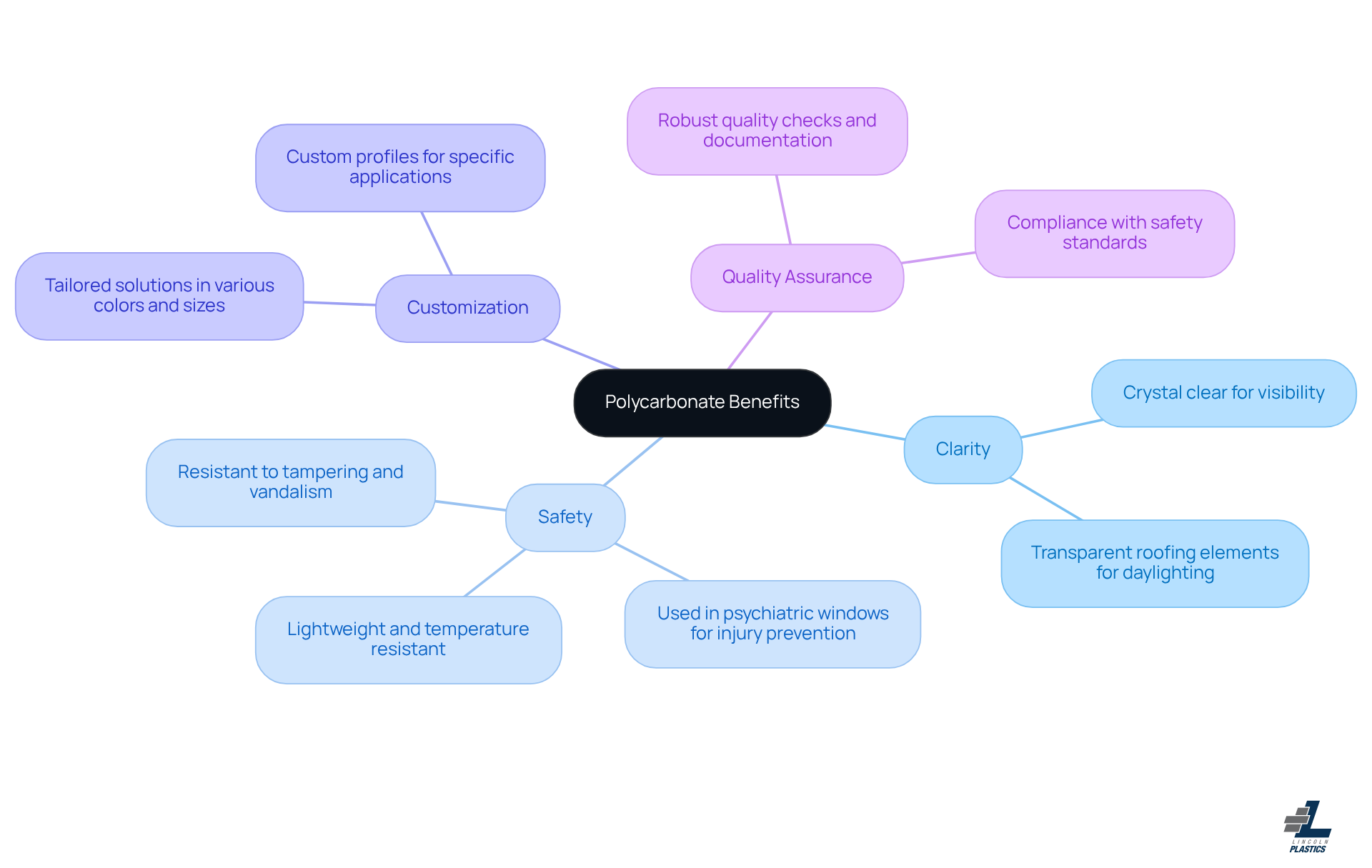
Have you ever thought about how important clarity and safety are in everyday materials? Well, that’s where polycarbonate (PC) comes into play! These materials are not just tough; they’re also crystal clear, making them a go-to choice for safety glasses, eyewear lenses, and protective barriers.
At Lincoln Plastics, we specialize in personalized solutions. This means we help companies create products that not only meet safety standards but also maintain that all-important clarity. Imagine having polycarbonate sheets in various colors, diameters, and lengths-just what you need to get the job done right!
Now, let’s talk about why polycarbonate is considered one of the fantastic thermoplastic types. It’s lightweight and can handle impact, making it perfect for a range of applications, from automotive to construction. Safety and visibility? Absolutely crucial in those fields!
And here’s the best part: our robust processes ensure that every product we make meets the highest standards of precision and compliance for OEMs. We take quality seriously, with dedicated documentation and in-process checks to back it up.
So, if you’re looking for reliable materials, why not reach out? We’re here to help you find exactly what you need!
Polyvinyl Chloride (PVC): Cost-Effective Solutions for Construction
Have you ever faced challenges in construction projects? Well, let’s talk about a material that could make your life a whole lot easier: polyvinyl chloride, or PVC for short. These materials are not just versatile; they’re also budget-friendly! You’ll find it everywhere in construction, from pipes to siding. Its amazing resistance to moisture, chemicals, and wear means it’s built to last, making it a go-to choice among different contractors for various applications.
Now, here’s where Lincoln Plastics comes in. They specialize in PVC products, which means you can get tailored solutions that fit your specific construction needs perfectly. Imagine how much smoother your projects could run with materials designed just for you!
And let’s not forget about the installation process. It’s super easy to install, which is a huge plus for contractors and builders. This ease of use can really speed up project execution, right?
As we all know, the demand for PVC products is on the rise. So, it’s exciting to think about how the market is set to expand. With its innovative applications and growing popularity, there’s a lot to look forward to. Why not consider PVC? It might just be the solution you’ve been searching for!

Polylactic Acid (PLA): The Eco-Friendly Thermoplastic Option
Polylactic Acid (PLA) is pretty cool! It’s a biodegradable thermoplastic that belongs to the category of materials made from renewable resources like corn starch and sugarcane. You might be surprised to learn that its versatility has sparked a boom in applications, especially in packaging, disposable cutlery, and even 3D printing. In fact, the global demand for PLA is projected to hit a whopping USD 13.4 billion by 2026, and it could soar to USD 24.2 billion by 2036. That’s a compound annual growth rate (CAGR) of 6.1%! This growth is largely driven by consumers becoming more aware of sustainability and regulations pushing for sustainable options.
Now, let’s talk about Lincoln Plastics. They specialize in PLA products, helping businesses whip up eco-friendly products that meet environmental standards. The best part? PLA is compostable, making it a fantastic choice for companies looking to boost their sustainability efforts without sacrificing performance. However, it’s not all sunshine and rainbows when it comes to the challenges. There are challenges, like needing specific industrial composting conditions and the fact that production costs can be higher than traditional plastics.
As the market for PLA expands, its applications in single-use items and 3D printing are evolving, positioning it as a key player in the future of sustainable materials. You might be wondering, what does this mean for us? As Ismail Sutaria pointed out, "The market is serving as a significant catalyst for broader acceptance of biodegradable solutions." So, why not consider how PLA could fit into your sustainability goals?

Thermoplastic Polyurethane (TPU): Elasticity Meets Durability
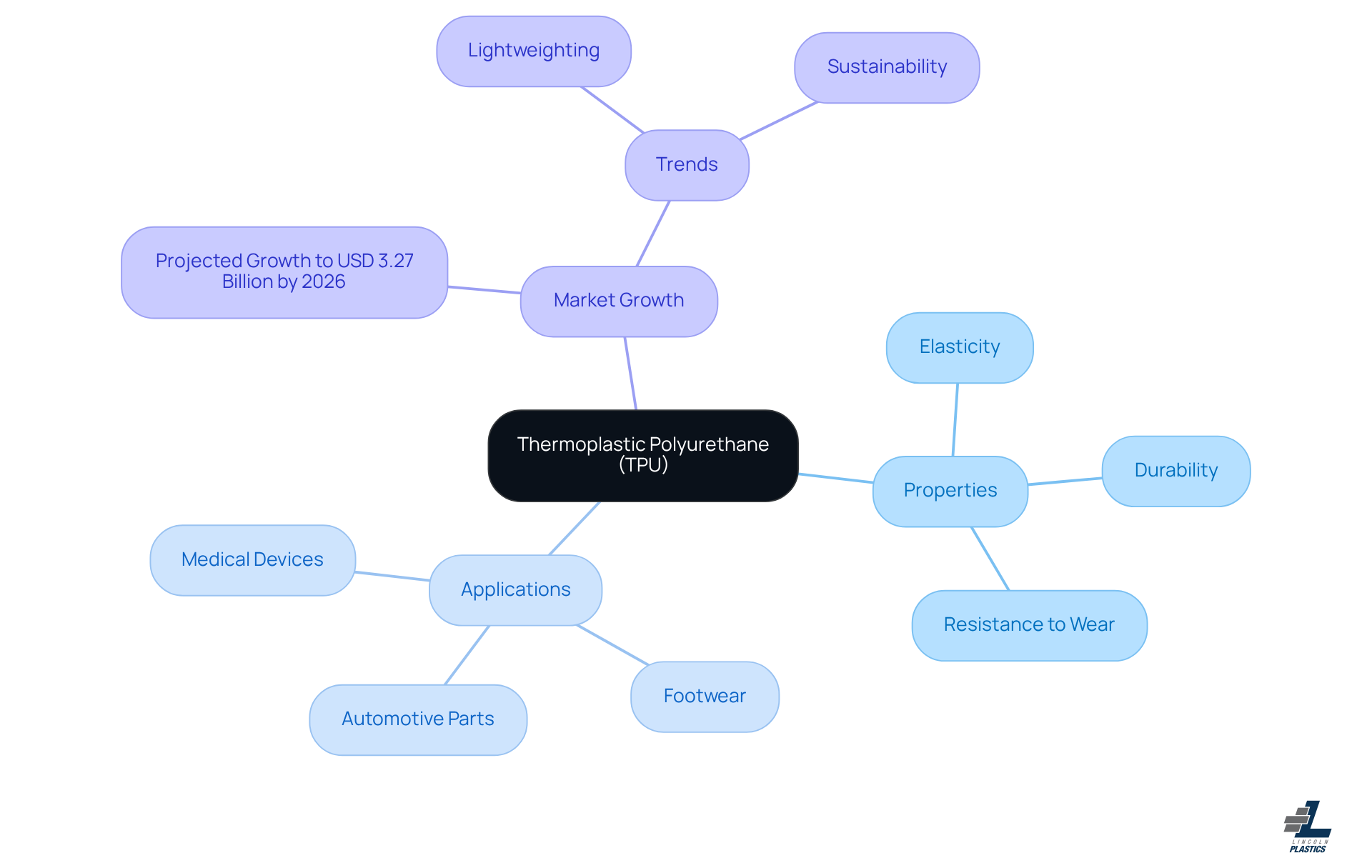
Thermoplastic Polyurethane (TPU) is quite the versatile elastomer, right? It's known for its amazing elasticity, durability, and resistance to wear and tear. Because of these qualities, it’s a go-to choice for all sorts of applications, from sports equipment to footwear and even medical devices.
At Lincoln Plastics, we specialize in thermoplastic solutions. This means we help businesses create products that blend flexibility with strength seamlessly. We work closely with OEMs to ensure that everything we produce meets industry standards. We even have special checks for ‘fit and function’ using tools like calipers and micrometers. This way, we guarantee that everything fits just right for its intended use, showing our commitment to precision and compliance.
Now, let’s talk about why TPU is so resilient. It holds up beautifully under tough conditions, making it perfect for outdoor applications. And here’s something exciting: the TPU market is growing rapidly! This growth is driven by trends in healthcare and automotive industries, which means we can expect to see even more uses for TPU in automotive and medical devices. Isn’t it fascinating how the demand for innovative materials is shaping the future?
Nylon: Strength and Wear Resistance for Industrial Use
Nylon is pretty amazing! It’s one of the thermoplastics that’s known for its wear resistance and durability. That’s why you’ll find it in all sorts of industrial applications, like gears, bearings, and conveyor belts. At Lincoln Plastics, we specialize in custom solutions, helping businesses create tailored solutions that fit their specific needs.
Now, let’s talk about quality. We work closely with OEMs to ensure that all our products meet industry standards, including special checks for fit and function. You might be wondering why nylon is such a popular material. Well, it can handle even the toughest conditions in demanding environments. That’s a big deal if you’re looking for performance and longevity!
However, there’s something important to keep in mind: nylon can absorb moisture, which might weaken its mechanical properties. Plus, over time, exposure to UV light can degrade its performance, so using UV stabilizers in certain situations is a smart move. As the demand for high-performance materials, such as nylon, continues to grow, its applications in manufacturing and conveyor systems are expanding. This trend shows that more manufacturers are leaning towards durable materials in their processes.
So, when you’re considering nylon for your projects, think about these factors to ensure you get the best performance and longevity out of your materials!

Understanding Thermoplastics: Key Properties and Applications
Thermoplastics are pretty fascinating! They’re a type of polymer that gets all pliable and moldable when you heat them up, then solidifies as they cool down. What’s cool about them? Well, they can be reshaped over and over again, they resist chemicals like a champ, and they’re super durable. You’ve probably heard of some common ones like:
- polyethylene
- polypropylene
- polystyrene
- ABS
- polycarbonate
- PVC
- PLA
- TPU
- nylon
Each of these materials has its own unique traits that make it perfect for specific uses in different industries. For example, polyethylene is a go-to for packaging because it’s so flexible, while polycarbonate shines in situations where clarity is key.
Now, why should you care about these properties? If you’re in procurement, understanding thermoplastics can really help you optimize your strategies and boost product performance. By 2026, the expected growth of the thermoplastic market is projected to reach 5.55 million tonnes! That’s a big opportunity for manufacturers. Plus, did you know that thermoplastic types like biobased PLA made up nearly 10% of the market in 2022? That’s a clear sign that eco-friendly materials are in demand.
Let’s look at a real-world example. There’s this Fortune 500 off-highway equipment manufacturer that switched from a metal thrust washer in a transmission torque converter to a thermoplastic component. The result? They reduced weight, cut costs, and had zero failures in 10 years! Pretty impressive, right?
And here’s something else to think about: innovations are set to improve recovery rates of various thermoplastic types. This is a win-win for the environment and supports circular economy initiatives. So, by keeping up with these trends and understanding the market dynamics, you can make strategic decisions that align with your business and sustainability goals. Ready to dive in?

Conclusion
Exploring the different types of thermoplastics really shows how vital they are across various industries. When you get to know these materials, it not only helps with procurement strategies but also meets the rising demand for sustainable and innovative solutions. Each thermoplastic, whether it’s polyethylene or nylon, has its own unique properties that fit specific manufacturing needs, making them essential in today’s production processes.
Let’s take a closer look at some key insights. Thermoplastics like polyethylene and polypropylene are becoming popular for their durability and recyclability. On the other hand, materials such as polystyrene and ABS are crucial for packaging and automotive applications because of their clarity and impact resistance. As the market for these materials evolves - thanks to sustainability and tech advancements - making informed decisions in procurement is more important than ever.
So, how can businesses stay ahead? It’s all about embracing the latest trends in thermoplastics. By focusing on materials that deliver both performance and sustainability, companies can boost their product offerings and positively impact environmental initiatives. Engaging with experts in thermoplastic solutions, like Lincoln Plastics, can really help organizations reach their operational goals while navigating the complexities of modern manufacturing.
Frequently Asked Questions
What is polyethylene and why is it popular?
Polyethylene (PE) is a widely used thermoplastic known for its flexibility, durability, and resistance to moisture and chemicals. It is popular due to its versatility, allowing for a wide range of applications across various industries, including packaging and containers.
What services does Lincoln Plastics offer regarding polyethylene?
Lincoln Plastics specializes in personalized polyethylene extrusion, providing solutions tailored to meet the unique needs of sectors such as agriculture, construction, and consumer goods.
What products can be made from polyethylene?
Products made from polyethylene include irrigation pipes and protective covers, which help businesses address operational challenges effectively.
What is the projected growth of the polyethylene market?
The polyethylene market is expected to continue growing through 2026, driven by its role in sustainable agricultural practices and innovative construction solutions.
What are the key properties of polypropylene?
Polypropylene (PP) is known for its strength, lightweight nature, and resistance to moisture and chemicals, making it suitable for various applications, including packaging and automotive parts.
How does Lincoln Plastics cater to the needs of businesses with polypropylene?
Lincoln Plastics offers polypropylene extrusion services, producing both standard and custom round plastic profiles in various colors, diameters, and lengths to meet the specific requirements of OEMs.
Is polypropylene recyclable?
Yes, polypropylene is recyclable, which makes it an attractive choice for manufacturers aiming to balance performance with sustainability.
What is the expected growth of the global polypropylene containers market?
The global polypropylene containers market was valued at approximately USD 168.64 billion in 2025 and is projected to reach around USD 252.04 billion by 2035, growing at a CAGR of 4.1% from 2026 to 2035.
What is polystyrene and what are its common applications?
Polystyrene (PS) is a clear, rigid thermoplastic known for its lightweight nature and clarity. It is commonly used in packaging, insulation, and disposable products such as food containers and protective packaging.
What role does Lincoln Plastics play in polystyrene extrusion?
Lincoln Plastics has been a leader in custom profile extrusion since 1948, specializing in custom polystyrene extrusion to help businesses create tailored packaging solutions.
What is the market trend for polystyrene in food packaging?
The demand for polystyrene in food packaging is expected to rise, driven by its compliance with FDA standards and its ability to maintain food quality.
What are the environmental concerns associated with polystyrene?
Polystyrene raises environmental concerns due to its non-biodegradability and limited recycling infrastructure, which are important considerations in its use.
Which region is leading the global polystyrene packaging market?
The Asia Pacific region is currently leading the global polystyrene packaging market, influencing demand dynamics significantly.
List of Sources
- Lincoln Plastics: Polyethylene for Versatile Applications
- openpr.com (https://openpr.com/news/4370739/global-agricultural-plastics-market-set-to-grow-to-usd-17-1)
- paulmurphyplastics.com (https://paulmurphyplastics.com/extruded-plastic-case-studies)
- linkedin.com (https://linkedin.com/posts/gradcosouthafrica_case-studies-successful-hdpe-pipe-projects-activity-7240298419804635136-fK-2)
- plasticpipe.org (https://plasticpipe.org/PPI-Home/Municipal_Industrial/Case-Studies.aspx)
- statifacts.com (https://statifacts.com/outlook/north-america-polyethylene-market)
- Polypropylene: The Durable Choice for Everyday Products
- packworld.com (https://packworld.com/sustainable-packaging/bio-based/news/22943095/braskem-shell-chemicals-and-braskem-bring-certified-bioattributed-and-biocircular-propylene-and-polypropylene-to-the-us-market)
- Polypropylene Containers Market Trends & Size 2026-35 (https://finance.yahoo.com/news/polypropylene-containers-market-trends-size-140000762.html)
- fortunebusinessinsights.com (https://fortunebusinessinsights.com/industry-reports/polypropylene-pp-market-101583)
- Guide to Polypropylene (PP): A Versatile Material for Manufacturing (https://aprios.com/insights/polypropylene-pp-a-versatile-and-durable-material-for-manufacturing)
- codefine.com (https://codefine.com/blog/polypropylene-uses)
- Polystyrene: Clarity and Rigid Structure for Packaging Solutions
- towardspackaging.com (https://towardspackaging.com/insights/polystyrene-packaging-market-sizing)
- bonustrading.co.uk (https://bonustrading.co.uk/news/post/case-study-polystyrene-packaging-for-the-biotechnology-sector?srsltid=AfmBOoqm-EMhobaqPb9qeA3Wv-6KwrqgfoBLA7A2wdd84OIgnHtUDqvs)
- xometry.com (https://xometry.com/resources/materials/polystyrene)
- milliken.com (https://milliken.com/en-us/businesses/chemical/blogs/plastmore-case-study)
- goldengatemolders.com (https://goldengatemolders.com/post/the-ultimate-guide-to-polystyrene-plastic-for-injection-molding)
- Acrylonitrile Butadiene Styrene (ABS): Impact-Resistant Versatility
- paulmurphyplastics.com (https://paulmurphyplastics.com/extruded-plastic-case-studies)
- marketsandmarkets.com (https://marketsandmarkets.com/Market-Reports/acrylonitrile-butadiene-styrene-market-204559347.html)
- mordorintelligence.com (https://mordorintelligence.com/industry-reports/acrylonitrile-butadiene-styrene-abs-resin-market)
- sunpe.com (https://sunpe.com/Case)
- advancedplastiform.com (https://advancedplastiform.com/using-abs-vs-acrylic-in-plastic-manufacturing)
- Polycarbonate: High Impact Resistance for Safety and Clarity
- Custom Plastic Extrusion Case Studies | SFR Industries (https://sfrindustries.com/case_studies)
- framebuildingnews.com (https://framebuildingnews.com/polycarbonates-in-construction)
- Polyvinyl Chloride (PVC): Cost-Effective Solutions for Construction
- Highlighting the Advantages of PVC Products in Building and Construction - Vinyl (https://vinylinfo.org/news/highlighting-the-advantages-of-pvc-products-in-building-and-construction)
- plasticstoday.com (https://plasticstoday.com/industry-trends/plastics-industry-braces-for-2026-construction-market-challenges)
- factmr.com (https://factmr.com/report/pvc-additives-market)
- fortunebusinessinsights.com (https://fortunebusinessinsights.com/polyvinyl-chloride-pvc-market-109398)
- Polylactic Acid (PLA): The Eco-Friendly Thermoplastic Option
- intertechplastics.com (https://intertechplastics.com/case-study-sustainable-plastics-packaging-solution)
- jacobwhite.com (https://jacobwhite.com/news/understanding-polylactic-acid-pla-sustainable-packaging)
- futuremarketinsights.com (https://futuremarketinsights.com/reports/biodegradable-packaging-market)
- openpr.com (https://openpr.com/news/4393712/polylactic-acid-production-plant-dpr-unit-setup-cost-2026)
- marketreportsworld.com (https://marketreportsworld.com/market-reports/polylactic-acid-pla-market-14720214)
- Thermoplastic Polyurethane (TPU): Elasticity Meets Durability
- industrytoday.co.uk (https://industrytoday.co.uk/chemicals/thermoplastic-polyurethane-market-expected-to-hit-usd-5-billion-by-2035-with-a-remarkable-78-cagr)
- fortunebusinessinsights.com (https://fortunebusinessinsights.com/thermoplastic-polyurethane-tpu-market-102389)
- custommarketinsights.com (https://custommarketinsights.com/report/thermoplastic-polyurethane-tpu-market)
- interplasinsights.com (https://interplasinsights.com/plastics-materials/latest-plastics-materials-news/lubrizol-medical-tolerathane-thermoplastic-polyurethane)
- sphericalinsights.com (https://sphericalinsights.com/reports/thermoplastic-polyurethane-market)
- Nylon: Strength and Wear Resistance for Industrial Use
- paulmurphyplastics.com (https://paulmurphyplastics.com/extruded-plastic-case-studies)
- curbellplastics.com (https://curbellplastics.com/resource-library/case-studies/nylon-replaces-metal-gears-to-reduce-downtime?srsltid=AfmBOoqXgOsxz7q_0pB_lzie87KqwCHYUn6bXmbkE4A79wfrhcYCXkW-)
- protolabs.com (https://protolabs.com/materials/nylon)
- wtin.com (https://wtin.com/article/2026/february/09-02-26/advancing-post-consumer-recycled-nylon-6-6)
- alliedmarketresearch.com (https://alliedmarketresearch.com/press-release/nylons-market.html)
- Understanding Thermoplastics: Key Properties and Applications
- alleghenyperformanceplastics.com (https://alleghenyperformanceplastics.com/case-studies)
- pubs.acs.org (https://pubs.acs.org/doi/10.1021/acspolymersau.5c00033)
Related posts

Custom Colors & Branding in Extrusion
Lincoln Plastics delivers Pantone-matched colors, striping, and finishes in extrusion for OEMs — combining performance with branding.


How We Solve Problems When Standard Parts Don’t Work
Lincoln Plastics solves challenges OEMs face when standard parts don’t work — delivering custom extrusions that improve fit, cost, and reliability.
Cable & Cord Protection in High-Traffic Environments
Lincoln Plastics manufactures durable cord covers and management solutions to keep high-traffic environments safe, organized, and compliant.
