
10 Essential PVC Grades for OEM Purchasing Managers
Introduction
In manufacturing, the right material choice is crucial for project success, especially for OEM purchasing managers. With a plethora of PVC grades available, understanding their unique properties and applications is essential for making informed decisions that enhance product quality and operational efficiency.
We’ll explore ten essential PVC grades, showcasing their unique characteristics and benefits, while tackling the challenges of selecting the right materials. As industries evolve and demand for high-quality, sustainable solutions grows, how will you navigate this complex landscape to ensure your projects exceed expectations?
Lincoln Plastics: Custom Extrusion Solutions for PVC Applications
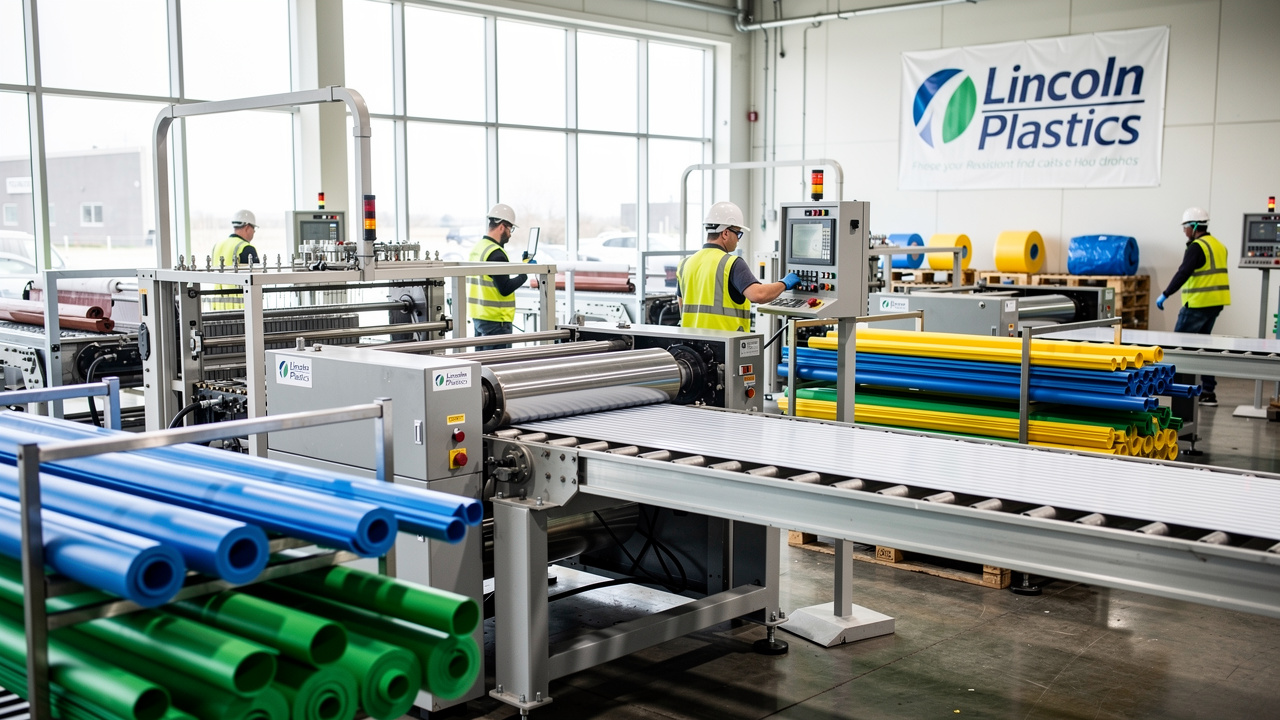
In a market where quality and reliability are paramount, Lincoln Plastics stands out as a leader in custom extrusion solutions. We leverage advanced manufacturing capabilities to create a wide variety of products. This includes both rigid and flexible profiles, as well as customized pipe and tube profiles for OEMs. Operating from our state-of-the-art facility in Lincoln, Nebraska, certified under ISO 9001:2015, we guarantee that all items adhere to rigorous quality standards. Our commitment to excellence is supported by dedicated quality plans, in-process checks, and a robust quality management program. This positions Lincoln Plastics as a dependable partner for small to midsize companies across multiple sectors, including agriculture and office management.
With our deep expertise in various PVC grades and extrusion, we’re here to craft solutions that fit your unique needs and boost your operational efficiency. Furthermore, our co-extrusion capabilities allow for the creation of multi-color or multi-material profiles, further meeting the diverse needs of our customers.
As competition intensifies, how can your business ensure it stands out with superior products? Recent industry developments, such as the expansion of extrusion capacities among competitors, underscore the growing demand for high-quality plastic products. Choosing Lincoln Plastics means not just meeting standards, but exceeding them, ensuring your business thrives in a competitive market.
Lincoln Plastics is committed to innovation and quality. We meet the evolving needs of our clients while leveraging our strategic Midwest location for quick order turnaround and efficient logistics. By partnering with Lincoln Plastics, you’re not just choosing a supplier; you’re investing in your company’s future success.
Suspension PVC (S-PVC): Versatile Applications and Characteristics
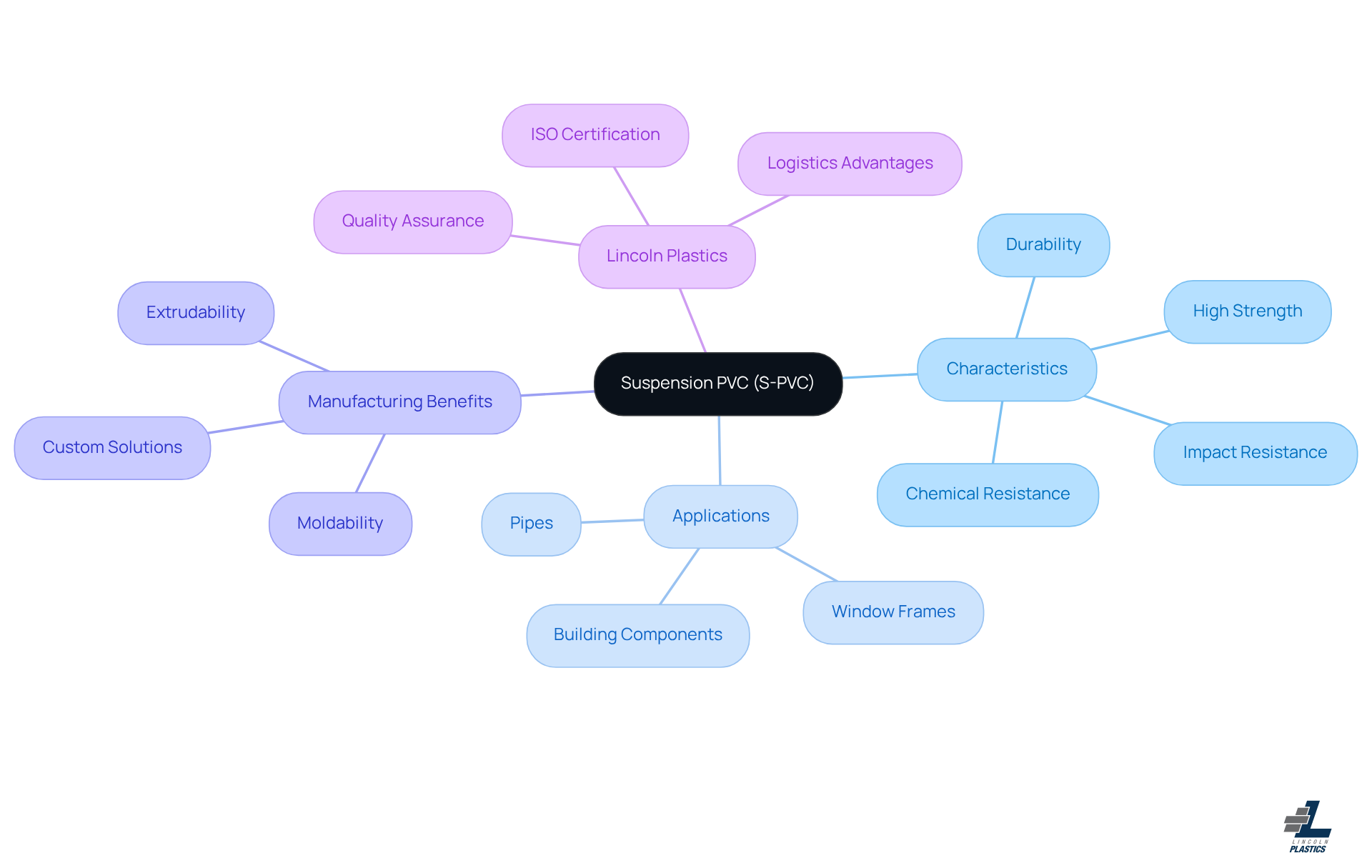
In the competitive landscape of manufacturing, the choice of materials can make or break a project. Suspension PVC grades (S-PVC) are recognized as a versatile material. Its mechanical properties and ease of processing make it a top choice for applications like pipes, window frames, and various building components. Characterized by high strength, durability, and resistance to impact and chemicals, S-PVC is one of the PVC grades suitable for both indoor and outdoor environments. Its moldability and extrudability enable manufacturers, like Lincoln Plastics, to create complex shapes and profiles essential for Original Equipment Manufacturer (OEM) products.
Furthermore, Lincoln Plastics provides tailored flexible profiles and co-extrusion solutions, allowing the integration of various colors and substances into S-PVC uses, such as a 'yellow stripe' for improved visibility. Moreover, different PVC grades can be mixed with other substances to enhance their characteristics, broadening their scope of uses.
Lincoln Plastics is committed to quality, backed by ISO 9001:2015 certification. Our rigorous quality management plans ensure excellence, meaning OEMs can count on us for reliable solutions. The strategic Midwest location of Lincoln Plastics allows for quick order turnaround and efficient logistics, including less-than-truckload shipping and international delivery. This makes us an ideal partner for OEMs in agriculture, office management, and tradeshow industries nationwide and internationally. Choosing Lincoln Plastics means investing in quality and reliability that can elevate your products above the competition.
Emulsion PVC: Unique Properties and Use Cases
Emulsion PVC grades, recognized for their fine particle size and exceptional surface quality, are revolutionizing industries that demand flexibility and smooth finishes. This PVC grade is primarily used in applications that require coatings, adhesives, and synthetic leather. Notably, different PVC grades, such as Emulsion PVC, exhibit superior adhesion properties, allowing them to be processed into various forms, including films and sheets. Its inherent flexibility makes it particularly suitable for applications requiring bending and shaping, which is crucial in sectors like automotive and textiles, particularly when evaluating various PVC grades.
In the automotive industry, PVC grades, including Emulsion PVC, are increasingly favored for their durability and comfort, especially in synthetic leather interiors. How is Emulsion PVC becoming a key player in automotive manufacturing? The growing adoption of PVC grades for seat covers, dashboards, and trim components speaks volumes about their relevance in the industry. The demand for synthetic leather is rising, fueled by consumer preferences for cruelty-free options and the material's resistance to extreme temperatures. The automotive segment is expected to be the fastest-growing end-user in 2026, further highlighting the substance's importance in this sector.
Similarly, in the textile sector, PVC grades, including Emulsion PVC, are gaining traction due to their versatility and ability to meet specific performance criteria. Its applications extend to various textile products, enhancing durability and aesthetic appeal. The market for textiles using Emulsion PVC grades is projected to expand significantly, supported by innovations in formulation that cater to evolving consumer demands.
Current statistics show the global Emulsion PVC market is set to hit about $3.5 billion by 2026. By 2033, it could reach around $5.4 billion, reflecting a compound annual growth rate (CAGR) of 6.4% during this period. This growth is mainly linked to the rising demand from the construction and automotive industries, emphasizing the crucial role of PVC grades in contemporary manufacturing. As industries increasingly prioritize sustainability, Emulsion PVC is poised to become an indispensable material in modern manufacturing.

Chlorinated PVC (CPVC): Enhanced Resistance for Specialized Applications
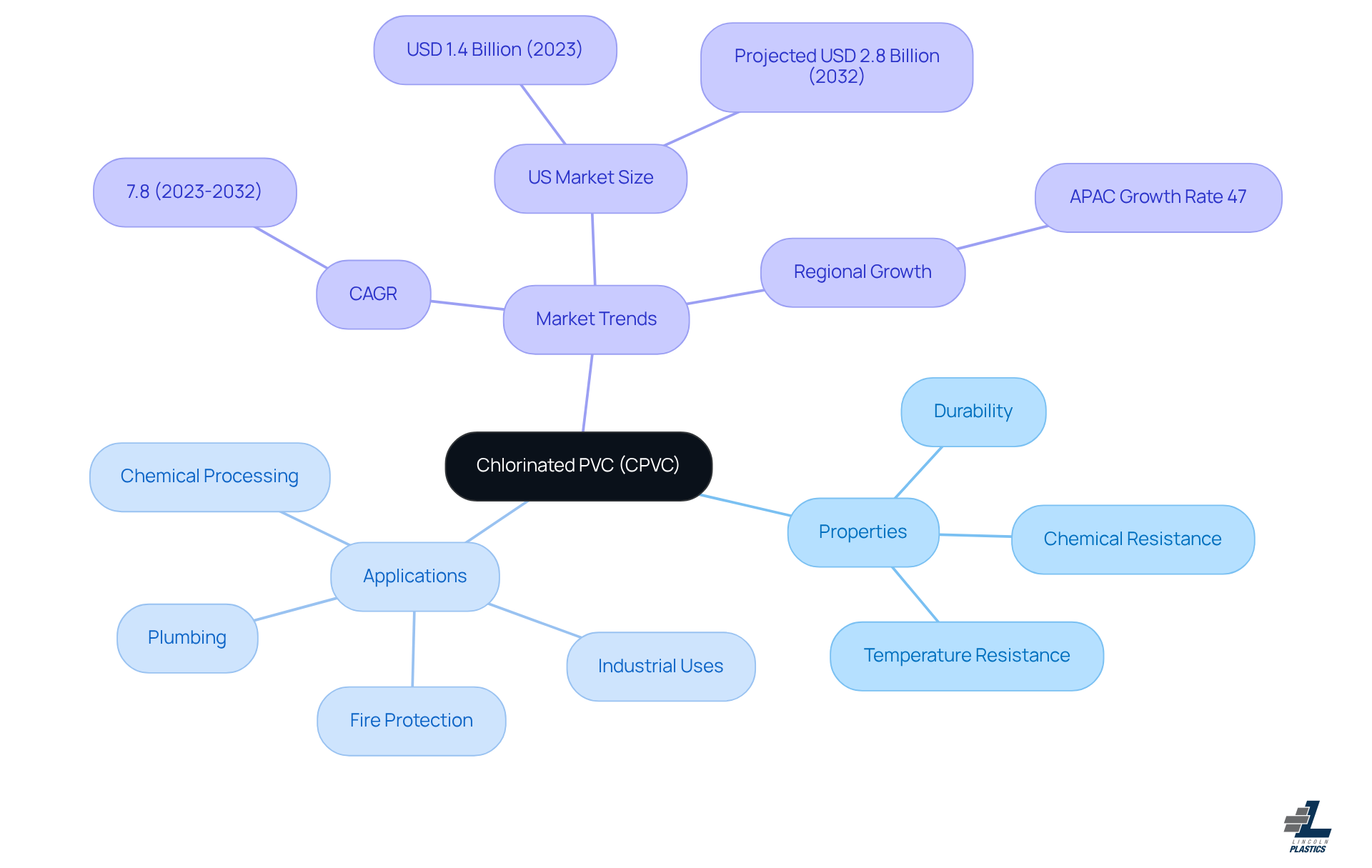
In the realm of plumbing and industrial applications, Chlorinated PVC (CPVC) stands out as a game-changer, offering unmatched durability and chemical resistance. This material is no wonder the go-to choice for plumbing systems handling hot water distribution, capable of withstanding temperatures up to 200°F. Its strong chemical resistance makes CPVC ideal for industrial uses, particularly in transporting corrosive liquids.
Moreover, its enhanced properties make CPVC indispensable in fire protection systems and chemical processing plants, where reliability is non-negotiable. Furthermore, CPVC's compatibility with welding and joining techniques simplifies installation in complex systems, making it a preferred option among manufacturers.
As the demand for durable and efficient piping solutions continues to rise, CPVC's role in both plumbing and industrial sectors is expected to expand significantly, reflecting its growing importance in modern infrastructure. Notably, the global CPVC market is projected to grow at a CAGR of 7.8% during the forecast period from 2023 to 2032, with the US CPVC market size valued at USD 1.4 billion in 2023. Additionally, the market is expected to grow by USD 927.4 million during 2025-2029, and the APAC region is anticipated to register the highest growth rate of 47% among other regions.
This trend underscores CPVC's increasing preference over traditional PVC in plumbing systems. As industries evolve, embracing CPVC could be the key to ensuring reliable and efficient infrastructure for the future.
Plasticised vs. Unplasticised PVC: Understanding Flexibility and Rigidity
Choosing the right type of PVC is crucial for the success of your project, yet many overlook the significant differences between plasticized and unplasticized options.
- Plasticized PVC (PVC-P) includes additives that greatly improve its flexibility and softness, making it suitable for applications like flooring, electrical insulation, and flexible tubing.
- In contrast, unplasticized PVC (uPVC) is characterized by its rigidity, offering high strength and durability, which makes it ideal for structural applications such as pipes and window frames.
When it comes to PVC, the choice between plasticized and unplasticized options hinges on specific usage requirements such as flexibility, impact resistance, and environmental exposure.
- For instance, case studies have shown that uPVC can last 20-30 years outdoors without significant deterioration, while flexible PVC items may degrade faster under UV exposure.
- Choosing the wrong PVC can lead to costly project delays and failures.
Understanding these differences is essential for OEM purchasing managers to ensure they select the right PVC grades for their projects. Ultimately, the right choice in PVC can mean the difference between a successful project and costly setbacks.

K-Value: Impact on PVC Properties and Selection
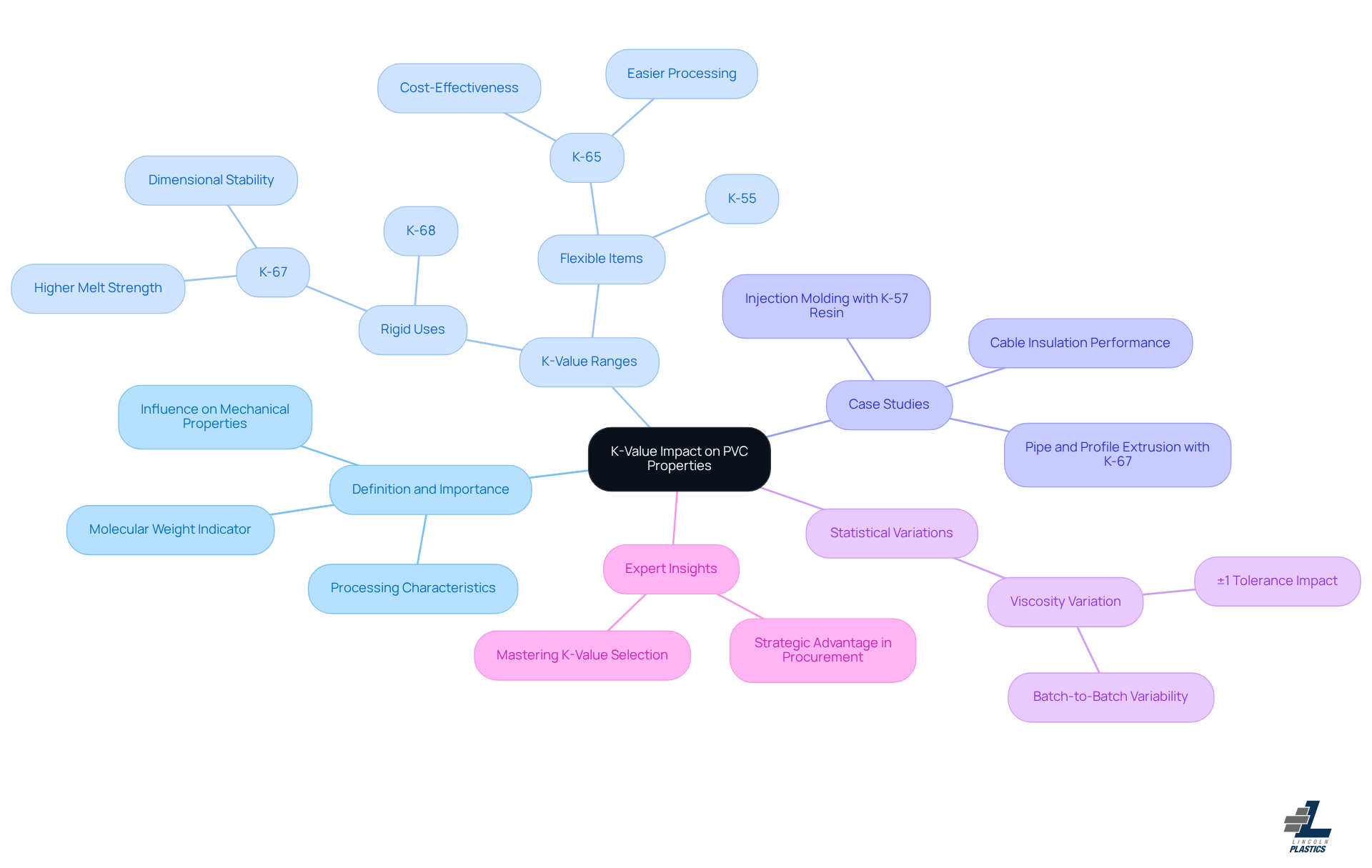
The K-value of PVC is not just a number; it’s a pivotal factor that determines your product's success in the market. It serves as a critical indicator of its molecular weight and degree of polymerization, directly affecting both processing characteristics and mechanical properties. Higher K-values mean longer polymer chains. This enhances strength, impact resistance, and thermal stability. For instance, K-values between 60 and 70 are generally employed for rigid uses, while lower K-values are preferred for flexible items. OEM purchasing managers need to understand this distinction to make informed choices about PVC grades, particularly in relation to K-value, ensuring that performance requirements are met.
Case studies illustrate the practical implications of K-value selection. K-67, among the various PVC grades, is the preferred choice for pipe and profile manufacturing due to its higher melt strength, which maintains dimensional stability and ensures tighter tolerances critical for customer specifications. In contrast, K-65 is frequently utilized for non-pressure purposes such as electrical conduit, which is one of the PVC grades where cost-effectiveness is a priority without compromising essential performance.
Statistics reveal that K-value variations can lead to significant differences in viscosity and processing requirements. A tolerance of ±1 in K-value can represent up to an 18% variation in viscosity, necessitating careful formulation adjustments. Selecting the wrong K-value can jeopardize product integrity and result in expensive failures. This variability underscores the importance of testing incoming resin lots to ensure consistent quality and performance.
Expert insights emphasize that understanding K-value is not merely a technical requirement but a strategic advantage in procurement. Mastering K-value selection allows manufacturers to enhance processing efficiency and product performance, ensuring the final product meets mechanical and durability standards. Ongoing studies persist in examining the influence of K-value on PVC characteristics, emphasizing its importance in selection and suitability for use. Ultimately, mastering K-value selection can be the difference between a product that excels and one that falls short of expectations.
Construction Industry Applications of PVC Grades
PVC stands as a vital element in construction, renowned for its unmatched durability and versatility. Its typical uses include:
- Plumbing and drainage systems
- Window frames
- Siding
- Roofing components
Rigid PVC is often selected for structural elements due to its strength. In contrast, plasticized PVC is perfect for flexible applications like seals and gaskets. This versatility opens up a wide range of design options. It's no wonder builders and contractors prefer PVC.
Have you noticed the rising focus on sustainability in construction? Recent innovations in PVC production methods are reducing its carbon footprint, enhancing its appeal for green building certifications. For instance, advancements in production technology are making PVC more eco-friendly, which is crucial for meeting the increasing demand for energy-efficient buildings.
Are you struggling to choose the right PVC grades for your project? Understanding these PVC grades can lead to better decisions that align with project requirements, ensuring the selection of resources that meet both performance and sustainability objectives. Furthermore, adherence to standards like AS/NZS 1477 and CSA B137.6 is crucial for guaranteeing quality in plumbing and drainage uses, further aiding the procurement process. By mastering the nuances of PVC, you can elevate your projects to meet modern sustainability standards.

Medical Industry Applications of PVC: Key Considerations
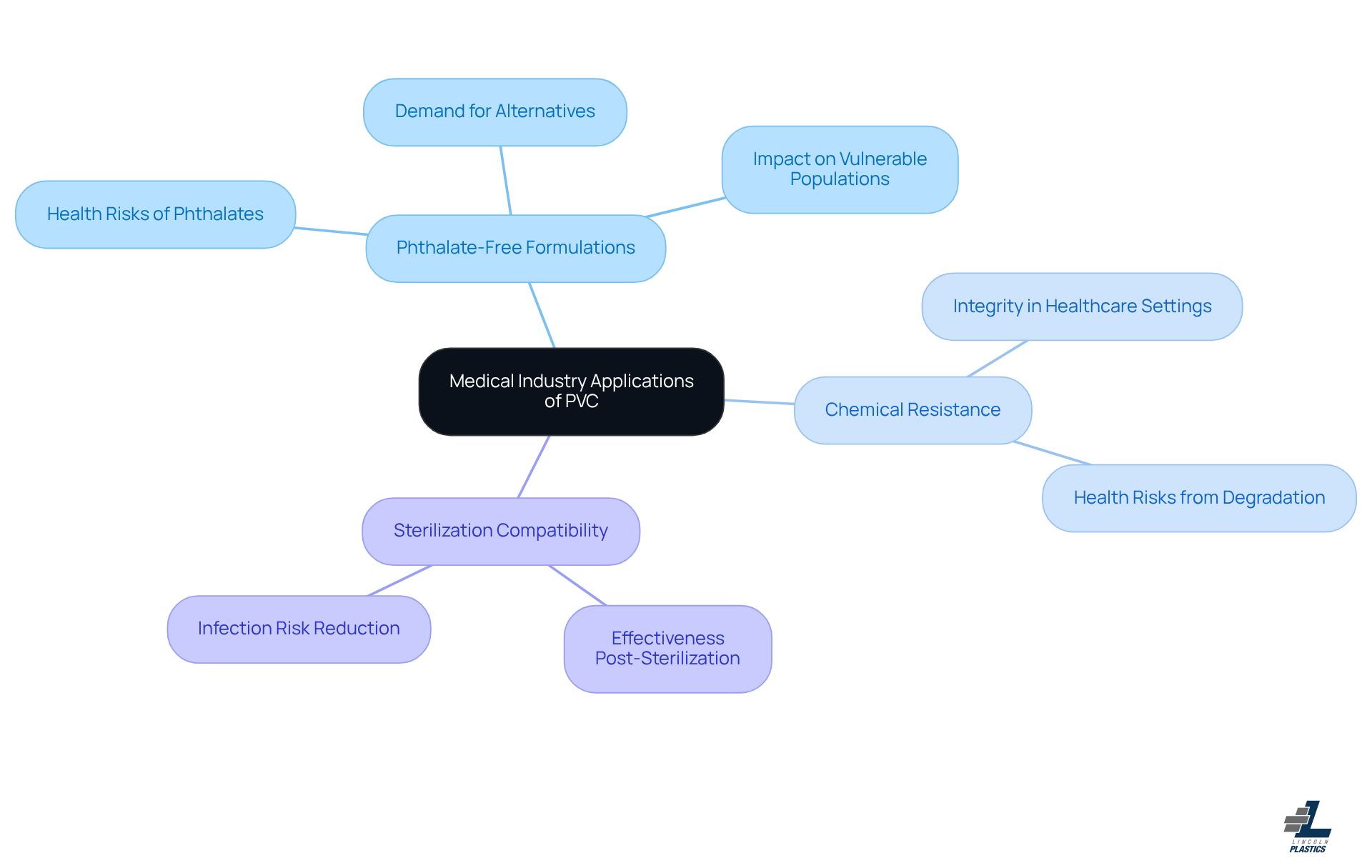
In the medical industry, the choice of materials can significantly impact patient safety and product effectiveness. PVC grades are prevalent materials that are valued for their biocompatibility, flexibility, and ease of sterilization. It's frequently utilized in contexts such as IV bags, tubing, and various medical devices. PVC grades that are medical-grade are specifically formulated to meet rigorous safety and performance standards, making them suitable for direct patient contact. Key considerations for utilizing PVC in medical applications include:
- Phthalate-Free Formulations: With growing concerns over the health risks associated with phthalates, particularly DEHP, the demand for phthalate-free PVC formulations is increasing. This shift is crucial for ensuring patient safety, especially for vulnerable populations such as children and newborns. How can manufacturers ensure that their products are safe for vulnerable populations?
- Chemical Resistance: Medical-grade PVC needs to resist chemical degradation. This ensures its integrity and functionality in healthcare settings. Failure to meet these standards can lead to serious health risks for patients.
- Sterilization Compatibility: The ability to withstand sterilization processes is vital for medical-grade PVC, as it must remain effective and safe after exposure to sterilization methods. This characteristic helps reduce the risk of infections caused by germs.
At Lincoln Plastics, we take quality assurance seriously, backed by our ISO 9001:2015 certification. This ensures that all items meet rigorous safety and compliance standards. Our dedicated quality management program includes comprehensive documentation, critical in-process checks, and a quality book for each plastic profile, which is essential for OEM purchasing managers to ensure compliance and safety in medical products. We also focus on tolerances and can source colors that meet your Pantone specifications for consistency across manufacturers. By prioritizing these factors, manufacturers can safeguard patient health and enhance the reliability of their medical products. For tailored solutions or quotes, we invite OEM purchasing managers to contact our experts at Lincoln Plastics.
Sustainability and Recycling Trends in PVC Production
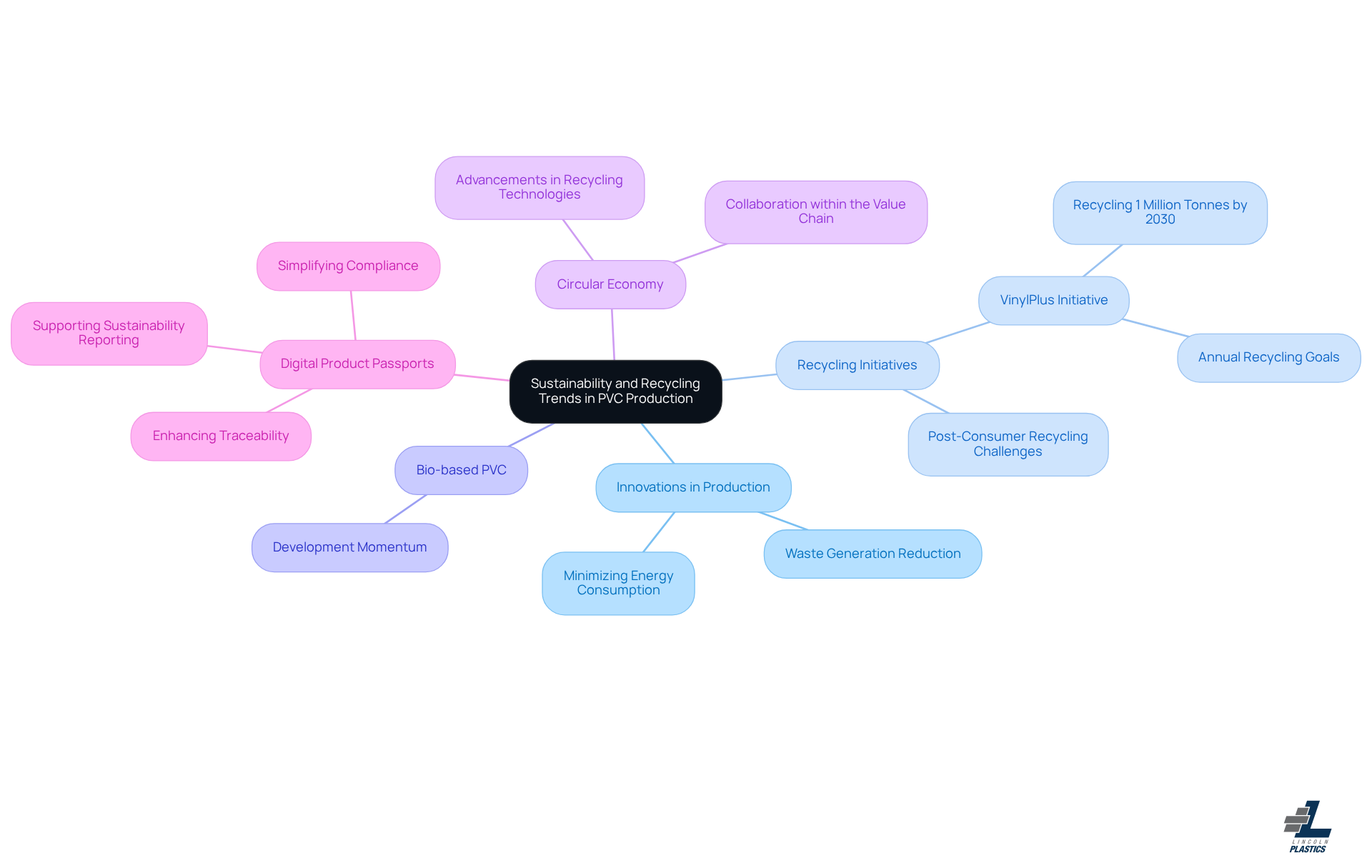
The PVC industry stands at a crossroads, where sustainability is no longer optional but essential for future success. Increasingly, the industry prioritizes sustainability and recycling to mitigate environmental impact. Innovations in production processes focus on minimizing energy consumption and waste generation. Numerous producers are adopting recycling initiatives to recover PVC substances, thereby decreasing reliance on new resources. The development of bio-based PVC is gaining momentum. Additionally, advancements in recycling technologies are fostering a circular economy.
Purchasing managers need to stay informed about these trends to make environmentally responsible decisions that align with their company’s sustainability goals. Initiatives like VinylPlus aim to recycle at least 1 million tonnes of PVC waste annually by 2030, reflecting a commitment to measurable sustainability outcomes. Furthermore, the introduction of Digital Product Passports enhances traceability and compliance, supporting the industry's shift towards sustainable practices. This tool helps purchasing managers ensure compliance and sustainability reporting. This is crucial for optimizing procurement strategies and aligning with broader sustainability goals.
However, many companies struggle to implement these sustainable practices effectively. Failing to adapt could lead to increased costs and missed opportunities in the market. Embracing these innovations is not just a choice; it’s a strategic imperative for staying competitive in a rapidly evolving market.
PVC vs. Other Materials: Comparative Analysis for Project Planning
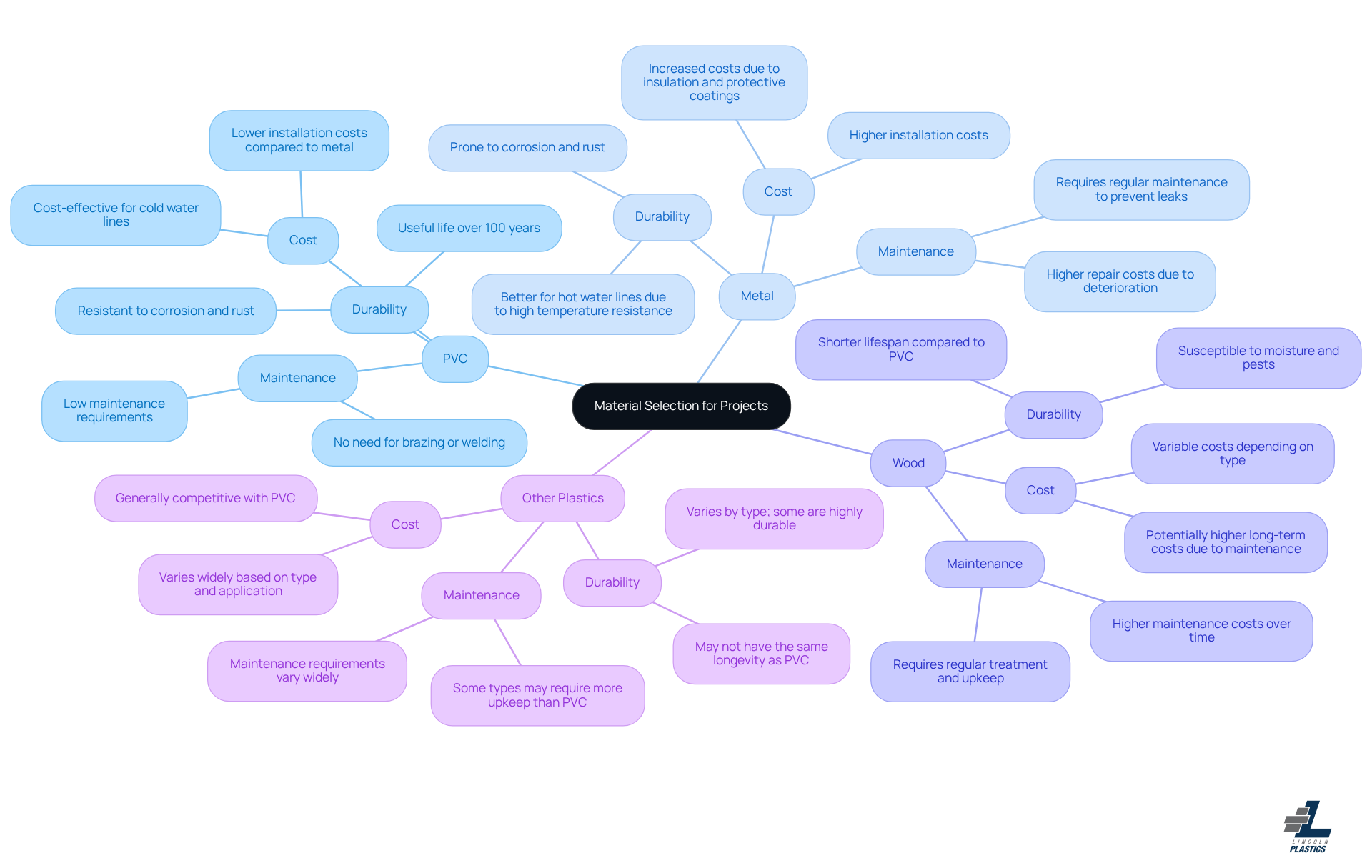
When it comes to material selection, the right choice can make all the difference in your project's success. When comparing PVC grades to other materials such as metal, wood, and various plastics, several factors come into play, including:
- Cost
- Durability
- Maintenance
PVC grades are often favored due to their lightweight nature, resistance to corrosion, and low maintenance requirements. For instance, in construction, PVC pipes are preferred over metal due to their resistance to rust and lower installation costs.
But what about applications that demand high strength and temperature resistance? In those cases, CPVC or metal might be your best bet. By mastering these comparisons, you can elevate your project’s performance and reliability.
Conclusion
In a market flooded with PVC options, how do OEM purchasing managers ensure they select the best grade for their needs? Choosing the right PVC grade is crucial for enhancing product quality and operational efficiency. Lincoln Plastics stands out as a premier partner in this endeavor, offering a diverse range of custom extrusion solutions tailored to meet the specific needs of various industries, including:
- Agriculture
- Office management
- Tradeshows
With a commitment to quality backed by ISO 9001:2015 certification, Lincoln Plastics ensures that every product adheres to rigorous standards, making it a reliable choice for businesses seeking excellence.
Throughout the article, key PVC grades such as:
- Suspension PVC
- Emulsion PVC
- Chlorinated PVC
have been highlighted for their unique properties and applications. Each grade offers distinct advantages, from the versatility of S-PVC in construction to the specialized resistance of CPVC in plumbing systems. When you understand these differences, you can make choices that fit your project needs and sustainability goals. Additionally, the importance of K-value in determining the mechanical properties of PVC cannot be overstated, as it plays a pivotal role in product performance.
As industries increasingly prioritize sustainability, embracing innovations in PVC production and recycling practices is essential. By partnering with Lincoln Plastics, businesses gain high-quality materials and embrace a forward-thinking approach to environmental responsibility. For tailored solutions or quotes, reaching out to Lincoln Plastics experts can pave the way for enhanced product offerings and a competitive edge in the market. By choosing wisely, businesses can not only enhance their product quality but also secure their position in an increasingly competitive landscape.
Frequently Asked Questions
What types of products does Lincoln Plastics specialize in?
Lincoln Plastics specializes in custom extrusion solutions, creating a wide variety of products including rigid and flexible profiles, as well as customized pipe and tube profiles for OEMs.
What quality standards does Lincoln Plastics adhere to?
Lincoln Plastics is certified under ISO 9001:2015, ensuring that all items meet rigorous quality standards supported by dedicated quality plans, in-process checks, and a robust quality management program.
How does Lincoln Plastics' location benefit its operations?
Operating from Lincoln, Nebraska, Lincoln Plastics leverages its strategic Midwest location for quick order turnaround and efficient logistics, including less-than-truckload shipping and international delivery.
What are the characteristics of Suspension PVC (S-PVC)?
Suspension PVC (S-PVC) is recognized for its high strength, durability, and resistance to impact and chemicals, making it suitable for both indoor and outdoor applications such as pipes and window frames.
How does Lincoln Plastics utilize co-extrusion capabilities?
Lincoln Plastics' co-extrusion capabilities allow for the creation of multi-color or multi-material profiles, enabling tailored solutions that meet diverse customer needs, such as adding visibility features like a 'yellow stripe'.
What applications are suitable for Emulsion PVC?
Emulsion PVC is primarily used in applications requiring coatings, adhesives, and synthetic leather, particularly in the automotive and textile industries due to its flexibility and superior adhesion properties.
What is the projected growth of the Emulsion PVC market?
The global Emulsion PVC market is projected to reach about $3.5 billion by 2026 and around $5.4 billion by 2033, reflecting a compound annual growth rate (CAGR) of 6.4%, driven by demand from the construction and automotive industries.
How does Lincoln Plastics ensure reliability for OEMs?
Lincoln Plastics' commitment to quality, backed by ISO 9001:2015 certification and rigorous quality management plans, ensures that OEMs can rely on them for consistent and dependable solutions.
What industries does Lincoln Plastics serve?
Lincoln Plastics serves multiple sectors, including agriculture, office management, and tradeshow industries, both nationwide and internationally.
How can businesses partner with Lincoln Plastics for their needs?
Businesses interested in custom extrusion solutions can contact Lincoln Plastics experts for quotes or tailor-made solutions to enhance their operational efficiency and product quality.
List of Sources
- Lincoln Plastics: Custom Extrusion Solutions for PVC Applications
- Latest Plastic Extrusion News | Bausano (https://bausano.com/en/press-and-news?q=NEWS)
- PVC extrusion in transition: overcoming challenges and tapping potential (https://inoex.com/news/detail/pvc-extrusion-in-transition-overcoming-challenges-and-tapping-potential)
- Pexco LLC celebrates expansion with Wisconsin Plastic Products acquisition (https://interplasinsights.com/plastics-industry-news/latest-plastics-industry-news/pexco-llc-expansion-wisconsin-plastic-products-acquisition)
- T.O. Plastics expands extrusion capacity at Minnesota plant (https://plasticsnews.com/processors/thermoforming/pn-toplastics-extrusion-minnesota)
- Balcan adds even more machinery in Wisconsin as part of a larger expansion strategy (https://plasticsnews.com/end-markets/packaging/pn-balcan-pleasant-prairie-expansion)
- Suspension PVC (S-PVC): Versatile Applications and Characteristics
- Vinyl and PVC Uses in Everyday Life | Vinyl Institute (https://vinylinfo.org/news/pvc-uses-in-everyday-life)
- Understanding PVC Applications: Key Uses in Modern Manufacturing (https://lincoln-plastics.com/news-post/understanding-pvc-applications-key-uses-in-modern-manufacturing)
- PVC compounds, properties and applications | Benvic Group (https://benvic.com/news-and-stories/PVC-compounds---properties-and-applications)
- PVC prices post small increase in March (https://plasticsnews.com/resin-pricing/pvc-resin-prices-post-small-increase-march)
- PVC Suspension Resins Market Research Report 2034 (https://dataintelo.com/report/pvc-suspension-resins-market)
- Emulsion PVC: Unique Properties and Use Cases
- PVC Emulsion Market Growth, Share & Trends by 2034 (https://theinsightpartners.com/reports/pvc-emulsion-market)
- Emulsion PVC Market Size, Analysis & Trends Report, 2033 (https://persistencemarketresearch.com/market-research/emulsion-pvc-market.asp)
- Emulsion PVC Market Outlook Reflects Expanding Industrial Applications (https://linkedin.com/pulse/emulsion-pvc-market-outlook-reflects-expanding-industrial-patil-gdpvf)
- PVC Emulsion Market Value to Reach US$ 5.1 Bn by 2031, As per TMR Report (https://finance.yahoo.com/news/pvc-emulsion-market-value-reach-113000642.html)
- Chlorinated PVC (CPVC): Enhanced Resistance for Specialized Applications
- Lubrizol Launches Breakthrough LED Chlorination Tech to Elevate CPVC Resin Performance (https://ien.com/finishing-world/news/22961608/lubrizol-lubrizol-launches-breakthrough-led-chlorination-tech-to-elevate-cpvc-resin-performance)
- US CPVC Market Size, Trends, Share, Forecast 2032 - CMI (https://custommarketinsights.com/report/us-cpvc-market)
- In-Depth Analysis of the Chlorinated Polyvinyl Chloride (CPVC) Market: Key Opportunities and Challenges (https://einpresswire.com/article/890672628/in-depth-analysis-of-the-chlorinated-polyvinyl-chloride-cpvc-market-key-opportunities-and-challenges)
- Chlorinated Polyvinyl Chloride Market Growth Analysis - Size and Forecast 2025-2029 | Technavio (https://technavio.com/report/chlorinated-polyvinyl-chloride-market-industry-analysis)
- Chlorinated Polyvinyl Chloride Market worth $2.80 billion by 2031 (https://marketsandmarkets.com/PressReleases/chlorinated-polyvinyl-chloride.asp)
- Plasticised vs. Unplasticised PVC: Understanding Flexibility and Rigidity
- PVC — News Stories About Plastic Pollution — Beyond Plastics - Working To End Single-Use Plastic Pollution (https://beyondplastics.org/news-stories/tag/PVC)
- What Is the Difference Between uPVC and PVC - BASTONE (https://bastone-plastics.com/blogs/what-is-the-difference-between-upvc-and-pvc)
- Polyvinyl Chloride Market Size And Share Report, 2024-2030 (https://grandviewresearch.com/industry-analysis/polyvinyl-chloride-pvc-market)
- PVC demand strengthens in North America | Plastics News posted on the topic | LinkedIn (https://linkedin.com/posts/plastics-news_material-insights-june-1-2026-activity-7467223423698493440-BcAT)
- $120+ Billion Polyvinyl Chloride (PVC) Market Opportunities and Strategies to 2033: Expansion of Production Capacities to Cater to the Increased Demand Across Diverse Industries (https://finance.yahoo.com/news/120-billion-polyvinyl-chloride-pvc-155300312.html)
- K-Value: Impact on PVC Properties and Selection
- News - PVC K value (https://pvcpppe.com/news/pvc-k-value)
- What is K Value of PVC Resin - BASTONE (https://bastone-plastics.com/blogs/what-is-k-value-of-pvc-resin)
- PVC K-Value Guide: Meaning, Chart, Formula & Application Comparison (https://novospvc.com/pvc-k-value-guide-meaning-chart-formula-application-comparison)
- Types of PVC resin and K value role for application and manufacturing process (https://academia.edu/121485246/Types_of_PVC_resin_and_K_value_role_for_application_and_manufacturing_process)
- Construction Industry Applications of PVC Grades
- Construction demand helps push PVC prices higher for May (https://plasticsnews.com/video-livestreams/material-insights/pn-construction-demand-pvc-prices-0601)
- The Future of PVC Material in Construction Industry and Beyond (https://waterpipefactory.com/knowledge/the-future-of-pvc-material-in-construction-industry-and-beyond)
- PVC Modifier Market Analysis: Growth Drivers & Competitive Trends (https://congruencemarketinsights.com/report/pvc-modifier-market)
- Highlighting the Advantages of PVC Products in Building and Construction - Vinyl (https://vinylinfo.org/news/highlighting-the-advantages-of-pvc-products-in-building-and-construction)
- Medical Industry Applications of PVC: Key Considerations
- TekniPlex Healthcare Becomes First to Introduce Medical-grade, ISCC PLUS-certified Bio-based PVC Compounds Equivalent to Conventional PVC | TekniPlex (https://tekni-plex.com/en/articles/tekniplex-healthcare-becomes-first-to-introduce-medical-grade-iscc-plus-certified-bio-based-pvc)
- The Role of PVC in Medical Devices (https://raumedic.com/us/insights/the-important-role-of-pvc-in-medical-devices-and-applications)
- PVC’s time is up – also in the medical sector | Health Care Without Harm - Europe (https://europe.noharm.org/news/pvcs-time-also-medical-sector)
- Medical-Grade PVC Just What the Doctor (and Recycler) Ordered (https://plasticstoday.com/medical/medical-grade-pvc-just-what-the-doctor-and-recycler-ordered-44326)
- PVC versus other polymers used in medical devices - Med-Tech Insights (https://med-techinsights.com/2021/09/16/pvc-versus-other-polymers-used-in-medical-devices)
- Sustainability and Recycling Trends in PVC Production
- Driving Sustainability in the European PVC Industry with VinylPlus® (https://3eco.com/article/driving-sustainability-in-the-european-pvc-industry-with-vinylplus)
- 8 Reasons PVC/Vinyl is a Sustainable Choice - Vinyl (https://vinylinfo.org/news/8-reasons-pvc-vinyl-is-a-sustainable-choice)
- Industrial sources drive rise in PVC recycling (https://resource-recycling.com/plastics/2026/04/13/industrial-sources-drive-rise-in-pvc-recycling)
- Can PVC be Recycled? PVC in a Circular Economy - FRONT® Materials (https://front-materials.com/news/can-pvc-be-recycled)
- PVC vs. Other Materials: Comparative Analysis for Project Planning
- Highlighting the Advantages of PVC Products in Building and Construction - Vinyl (https://vinylinfo.org/news/highlighting-the-advantages-of-pvc-products-in-building-and-construction)
- Plastic Pipe vs. Metal Pipe for Commercial Buildings: Which Is Better? (https://wavin.us/blog/plastic-pipe-vs.-metal-pipe-for-commercial-buildings-which-is-better)
- PVC in the construction and housing sector - Goodfish (https://goodfishgroup.com/pvc-in-the-construction-and-housing-sector)
- PVC Pipes Outperform in Durability: New Report from Utah State University | Westlake Global Compounds (https://westlakeglobalcompounds.com/news/pvc-pipes-outperform-durability-new-report-utah-state-university)
- Water Pipe Materials: PVC Pipes vs Metal Pipes | Vinyl Institute (https://vinylinfo.org/news/pvc-pipe-vs-metal-pipe-why-pvc-is-the-better-choice)
Related posts

Discover the key benefits of ISO certified plastic extrusion services for reliability and efficiency.


Discover the diverse applications of plastic tubing PVC across industries, enhancing efficiency and safety.
Master the installation and benefits of strain relief clamps for range cords to enhance safety and reliability.
